| |
|
Ling Shen Ching Tzu - Temple of True
Buddha School |
|
Taoism/Sutric/Tantric style Temple
in the Metropolitan area of Chicago Chinatown |
|
This Temple is Elegant and Beautiful |
|
Ling Shen Ching Tzu
Tibetan Buddhist Temple
1035 West 31st Street
Chicago, IL 60608
(773) 927-8807
Friday - January 30th, 2015
Green Dragon Society
Visited Temple
Architects: Burnham and Root, 1894
Triangular brick structure was built for the Emmanuel Presbyterian
Church in 1892
It was originally designed by John Wellborn Root
Then completed by Daniel Burnham upon Root's unexpected death in 1891
Home to the Ling Shen Ching Tzu Temple of True Buddha School since 1992
The building is devoted to the teaching of Taoism/Sutrayana/Tantric
philosophies
The facade and interior of the prayer chambers display Vajrayana
Buddhism embellishments
Numerous statues and thangkas of Buddhas, Bodhisattvas
and Dharma Protectors
All are welcome to study Buddhism and join the group cultivation
|
 |
|
Entrance - Incense Burner |
Example of Thangka Artwork |
|
Afternoon Ceremony for the Green
Dragon Society |
|
The Magnificent Main Chamber |
|
(Above & Below)
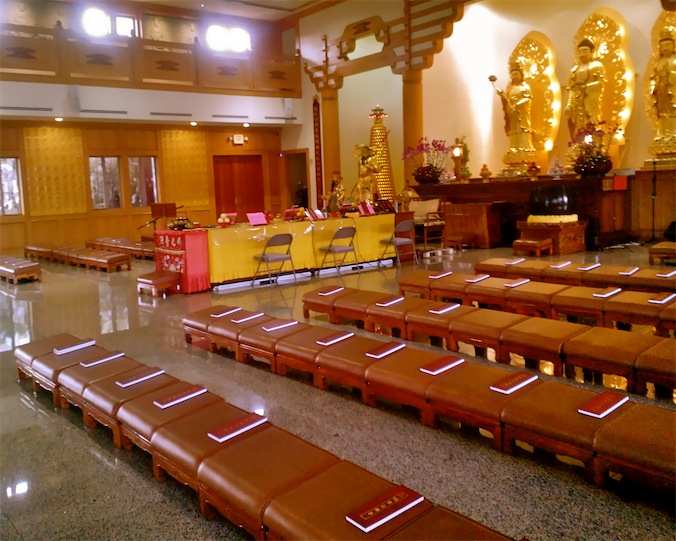
The Main Chamber houses the statues of many Buddhas, Bodhisattvas and
Dharma Protectors.
Rows of Blessing Lamps and Wisdom Lamps line the sides of both walls.
By lighting these lamps, one gains the blessings of the Buddhas and
Budhisattvas for future success, longevity, and wisdom. |
|
Ksitigarbha Bodhisattva Chamber
(Ghost King Buddha) |
|
(Below)
This Chamber houses the deities Ksitigarbha Bodhisattva, Padmakumara,
and Avalokitesvara Bodhisattva.
Prayer plaques for the deceased and their ancestors lines the sides of
both walls.
Monks and nuns offer incense, fruits, and flowers to the deities and the
deceased daily.
The monks also recite and transfer merits of various sutras and mantras
to the karmic enemies and deceased souls.
This helps the souls to eradicate Karmic hindrances and see the Buddha
and hear the Dharma.
It also allows them to forever avoid the evil realms and be reborn in
the Buddha lands. |
|
(Below)
Ma Tzu Chamber houses the statues of Ma Tzu, Mazuo Dragon King,
Shimo Buddhisattva and White Padmakumara. |
|
Cheng Huang Deity Chamber |
|
(Below)
This Chamber houses the Cheng Huang Deity (dead spirits inform the god
of all good and evil deeds within his realm).
Also, Tai Sui (the Annual Year God), the Earth Mother, and the Earth
God.
The Annual Earth God is the head of a hundred deities. He leads the
deities in maintaining orders throughout a whole year.
Offerings to the Earth God, brings good fortune, aversion of disasters
and facilitation of smooth journeys in one’s endeavors.
The same is true with making prayers and offerings to the Earth God and
the Earth Mother. |
|
 |
|
(Below)
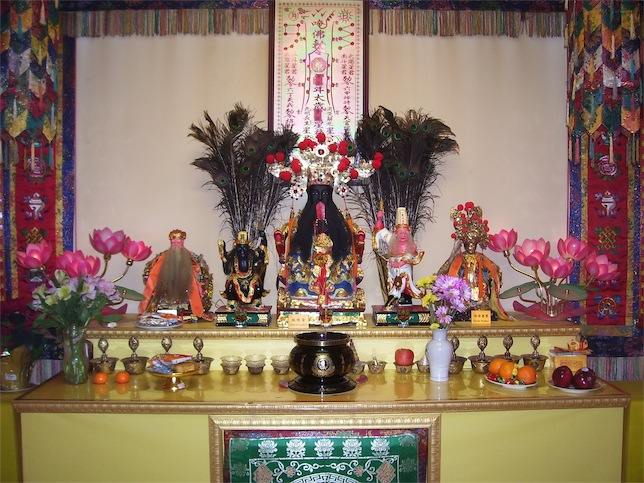
This chamber is heavily influenced by the presence of Yamantaka and
Five Dharma Protectors.
They all have amazing protective powers. They have vowed to protect
cultivators who follow the Dharma.
They remove the hindrances of the cultivators, to ensure perfect
cultivation.
Marici Bodhisattva statues are permanently enshrined on the both sides
of the shrine.
Marici is God’s Divine General. She is in charge of the Sun God and all
the rest of the Gods are her subordinates.
Hence, enshrining Marici Bodhisattva can help one avert disasters,
calamities, and lawsuits.
Everyone is welcome to enshrine the Deities. |
|
Acala Guardian Diety (Chinese & Tibetan) .
. . "The Immovable One" |
|
Yellow Jambhala |
Wall Hanging |
|
Kuan Yin - Goddess of Mercy |
Tibetan Thangka |
|
Buddhist Ortho-Creed Associations |
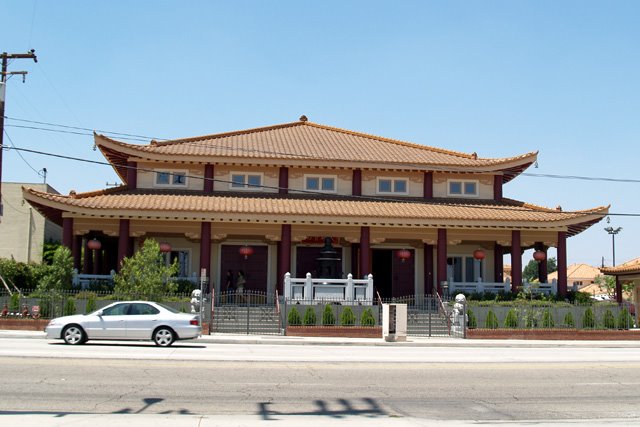 |
Dharma Seal Temple
3039 Del Mar Ave.
Rosemead, California
91770
(626) 288-5567
Sunday - February 15th, 2015
Green Dragon Society
Attended Ceremony |
|
Dharma Seal Temple - Main Hall
(above) |
|
Maha
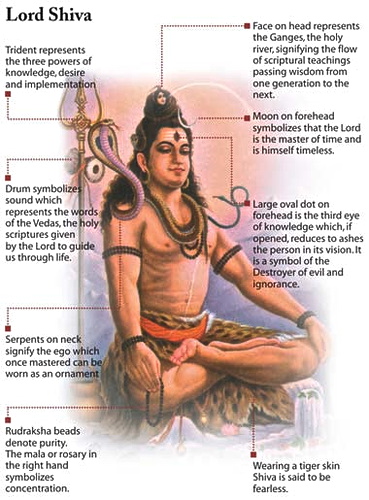
Shivaratri means the "Great Night of Shiva"
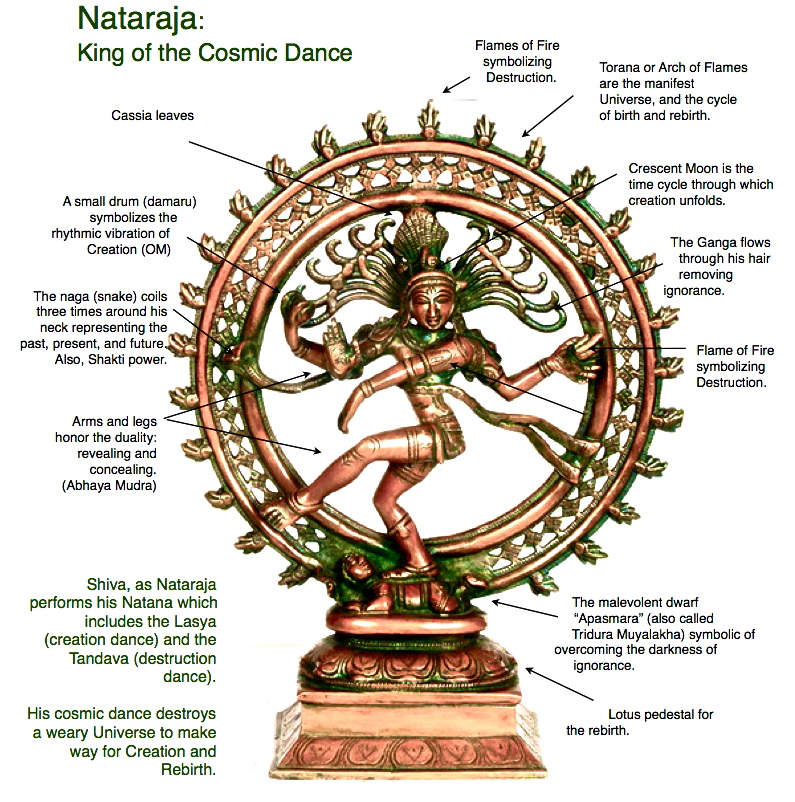
Shivaratri is the Night when Shiva is said to have
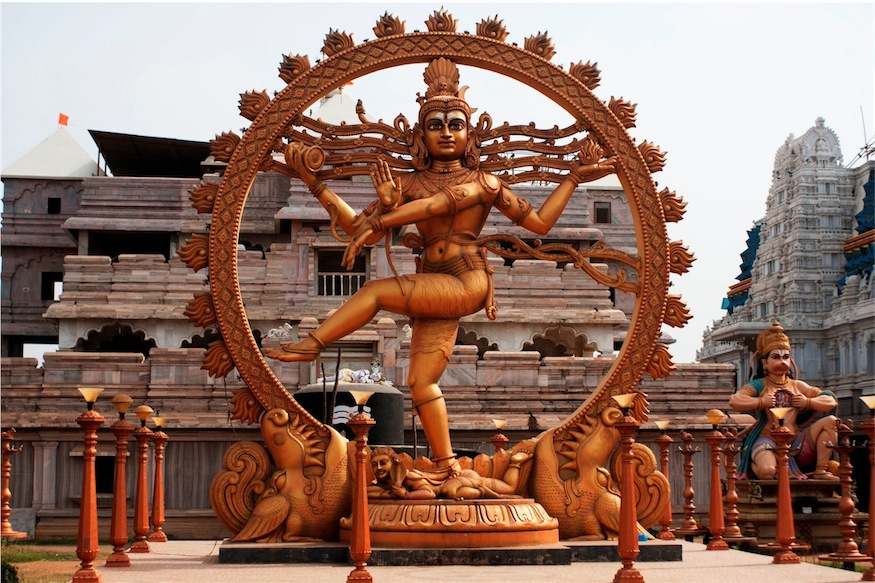
Performed the Tandava
Dance of Primordial Creation, Preservation and Destruction |
|
Shiva's Cosmic Dance - Tandava (above) |
|
Maha Shivaratri falls on a Moonless
Night
The festival is observed for one day and
one night only! |
|
Maha Shivaratri is on the fourteenth
day of the dark fortnight of Phalguna (February or March) |
|
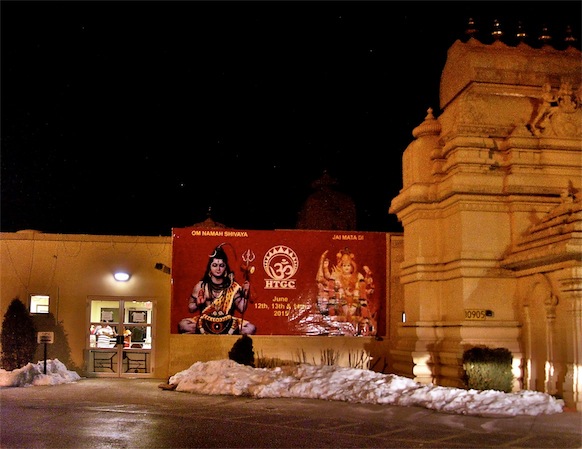
Rama Hindu Temple
10915 Lemont Road
Lemont, Illinois 60439
(630) 972-0300
Wednesday - February 18th, 2015
Green Dragon Society
Attended Shiva Puja
1:00 am to 6:00 am
All through the day the followers keep severe fast
Chant the sacred Panchakshara Mantra
Make offerings of flowers and incense to the Lord Shiva
Amidst ringing of temple bells, beating of drums and sounding of
conches.
Hindus maintain long vigils during the night
Keeping awake to listen to stories, hymns and songs
The fast is broken only the next morning, after the nightlong rituals.
|
 |
|
Rituals Associated with Maha
Shivaratri are Performed During the Night |
|
Shiva, in Lingam form, is bathed every three hours
with the 5 sacred offerings of a cow, called the Panchagavya.
Then - 5 Foods of Immortality: milk, clarified butter, curd, honey and
sugar are placed before the Lingam.
Datura fruit and flowers, though poisonous, are believed to be sacred to
Shiva and thus offered to him.
The festival is also celebrated by offerings of Bael leaves. |
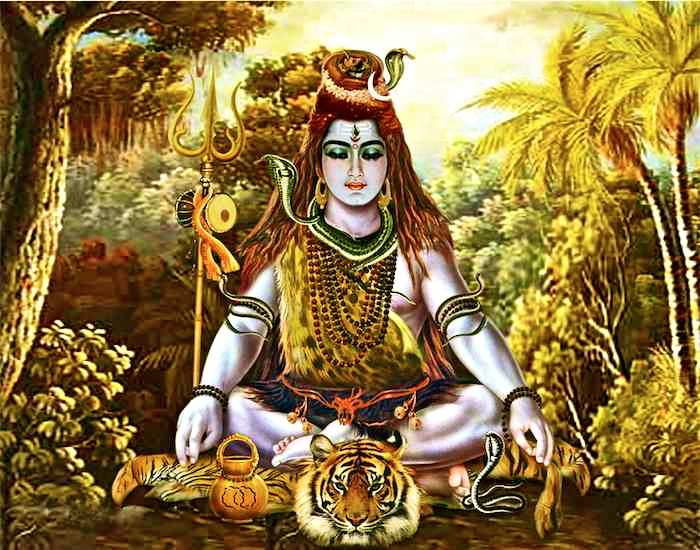 |
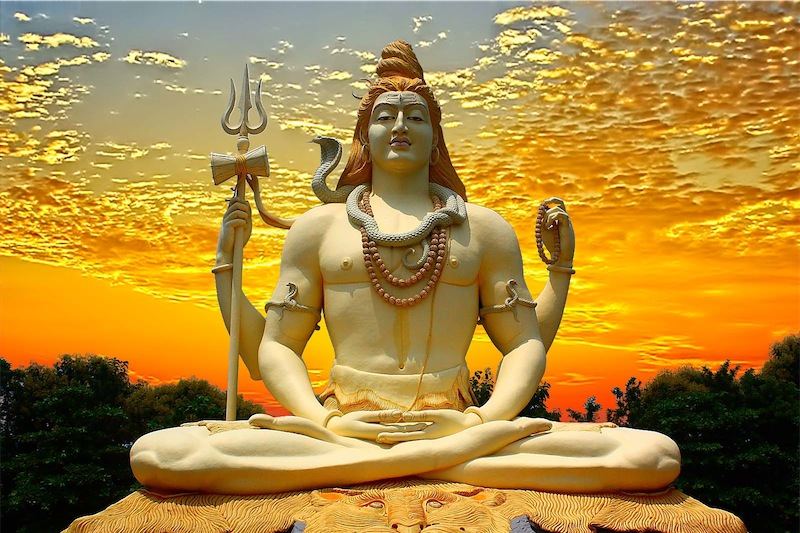
Shiva is described as a non-being, not as a being
Shiva is not described as light, but as darkness
Light is not eternal
It is always a limited possibility because it happens and it ends
Darkness is everywhere
It is the only thing that is all pervading
The word “Shiva” means literally, “that which is
not.”
Today, modern science is proving to us that everything comes from
nothing and goes back to nothing. The basis of existence and the
fundamental quality of the cosmos is vast nothingness.
The galaxies are just a small happening – a sprinkling. The rest is all
vast empty space, which is referred to as Shiva. That is the womb from
which everything is born, and that is the oblivion into which everything
is sucked back. Everything comes from Shiva and goes back to Shiva. |
|
 |
|
God is a State of Consciousness
Not a human form or statue (Idol)
Lingam
The Shiva Lingam is an object of Ultimate Power
The Power of Transmutation that lies dormant within each of us
The Lingam Stone has been called:
“Stepping Stone To Enlightenment”
The word Lingam comes from the Sanskrit word for
symbol, as these stones are a symbol of Lord Shiva. These stones
are an integral part of ritual, and have been for hundreds of years.
The Lingam is one of the oldest religious symbols of
civilization. It was recognized as far back as the ancient Indus
Valley Civilization for its healing power. This power came to be
associated with one of the three main Hindu Deities.
Over thousands of years the Tantric Lingam has come to represent
more than a physical or material form, to the learned sages of the East.
To them the Lingam represents a form of energy, which is within each of
us. We are all made of part male and part female energy. Too much of one
or the other is destructive, causing imbalance. Through the union of
opposites the energies of creation are released and we can realize a
state of higher consciousness.
|
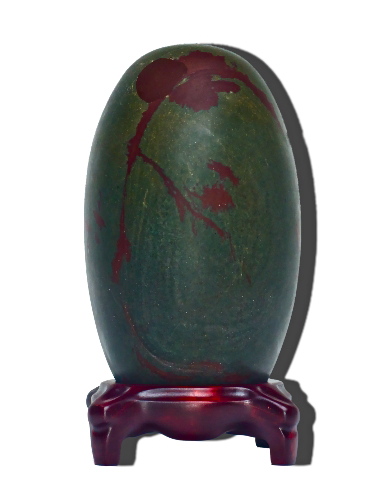 |
| These stones are deliberately made into this shape. This shape is
symbolic of the phallus of the Hindu God Shiva, and of his union with
his consort Kali. |
Shiva Lingam |
| Lingams, representations of Shiva, in the Tantric Tradition,
embodies pure masculine energy, dynamic expression and knowledge. The
markings on them represent the feminine energy, or the yoni, which
signifies wisdom and intuition. Here is a balance of male/female,
Yin/Yang, dark/light, the positive/negative energies unified. These
feminine marks are highly significant in the Hindu culture, because the
markings symbolize those on the forehead of Lord Shiva. They are formed
by a mineral called Cryptocrystalline Quartz, which is said in
lore to have been implanted in the riverbed by a meteorite millions of
years ago.
These stones come from only one place, the Narmada River in
Western India. One of India's most holy sites. The villagers gather
the stones from the river and hand polish them so that they are a smooth
rounded shape. Their colors vary, all with various brown, red or gray
stripes, spots or patches on the stones. Within the Temples there are
beautiful Shiva Lingam stones that have occurred naturally in this
shape, and they are particularly sacred to the devotees.
Within the form of the stones, there is also the shape of the
Cosmic Egg. Out of which all creation has emerged. This therefore
makes these stones encompass both the male and female, and their union
within the one sacred object.
But to the Tantric, the Lingam's true value is a mystic one as an
object of power. For them the Tantric Lingam has a certain vibration.
Through meditation one may become attuned to this vibration, using the
Lingam as a source of power.
According to the Vedic Legacy, Linga represents the
all-permeating space, wherein the Universe is found in a process of
constant formation and dissolution. Shiva Lingam illustrates the harmony
and totality of this dual manifestation of the Universe. The egg shape
is a symbol of the surface that encompasses the Universe and forms one
Absolute Totality. Within this essence the most important point is
accepting the Universe like a Divine Being, the Way It Really Is. |
|
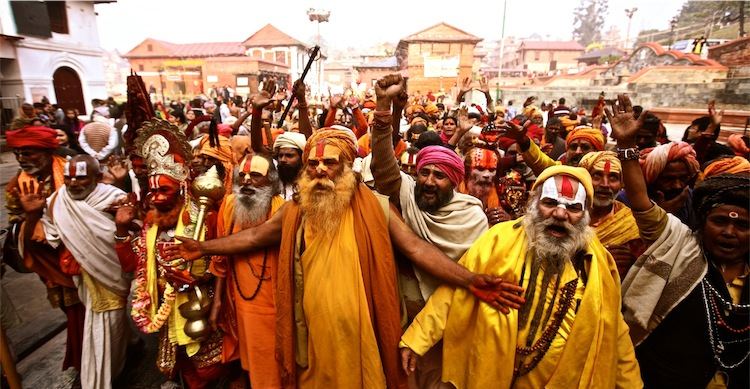
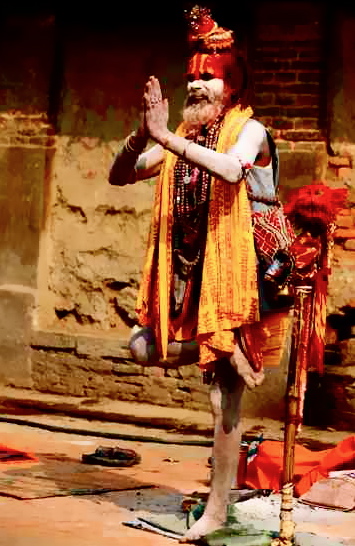
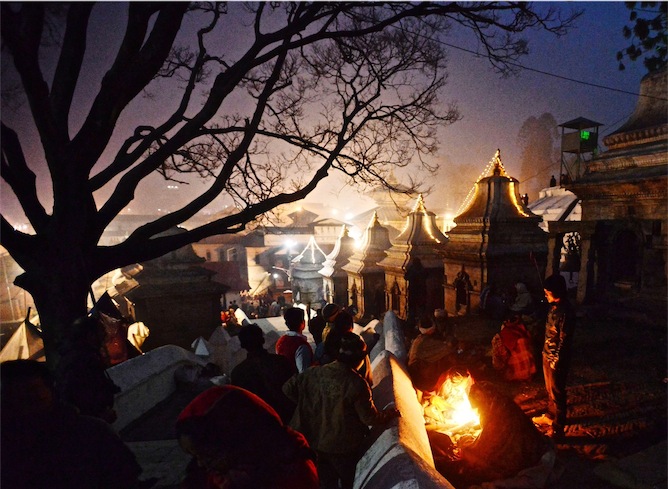
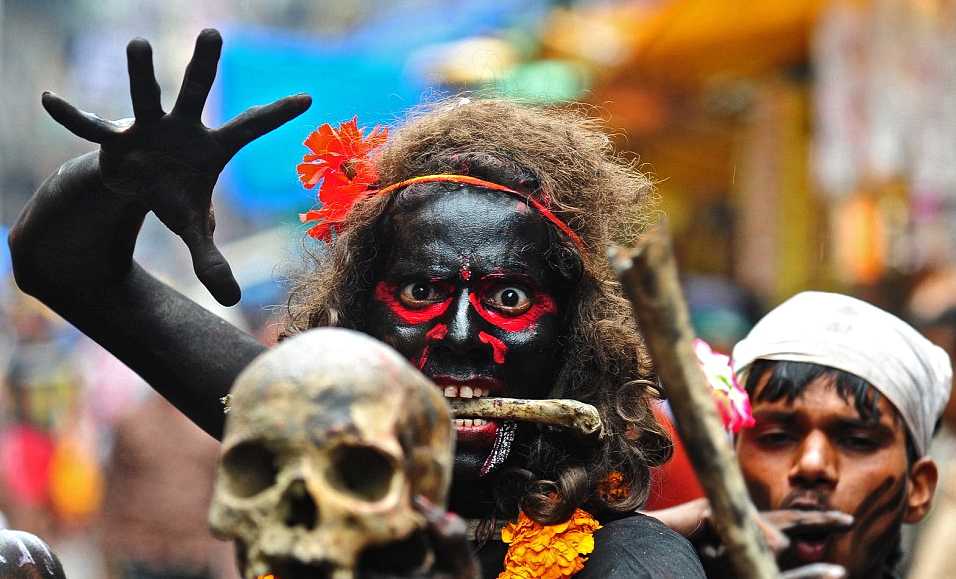
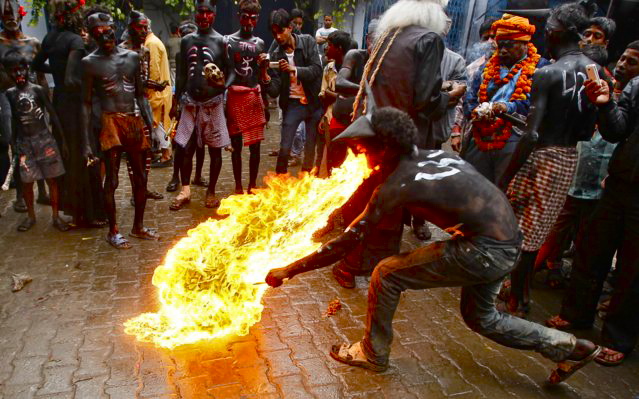
"Great Night of Shiva" Festival
India |
|
Shiva Festival along the Ganges River |
|
 |
|
 |
 |
|
 |
|
 |
|
 |
 |
|
 |
|
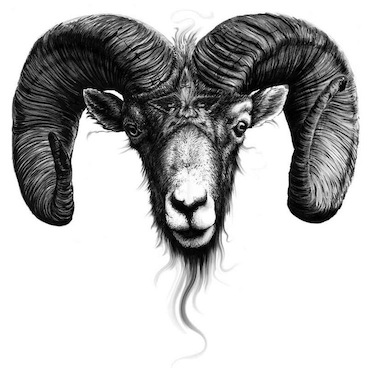
Year of the Ram
(Goat - Sheep) |
|
February 19th, 2015
Chinese New Year always falls on the Second New
Moon after the Winter Solstice
The Lunar New Year is a Fifteen-day Festival |
|
Xin Nian Kuai Le
(Happy New Year) |
| China has numerous festivals. However none is celebrated with
as much enthusiasm as the Lunar New Year, also referred to as the Spring Festival. This time
the age-old tradition ushers in the year 4713. It was started to
celebrate the advent of spring. Today it is the longest and the most
significant of all Chinese festivals. Every Chinese New Year is also
dedicated to one of Twelve Animals. According to ancient
folklore, the tradition began when Lord Buddha invited all animals to
join him for the New Year Celebrations. He honored the twelve that came
by naming a year after each one. He also predicted that people born that
year would have some of the traits of that particular animal.
The date of Chinese New Year changes each year as it is based on the
Lunar Calendar. The Western Gregorian Calendar is based on the
"Earths Orbit around the Sun". China and most Asian countries use the
Lunar Calendar that is based on the "Moon's Orbit around the Earth".
Red is to keep bad luck and evil spirits at bay, it features
prominently in everything from clothing to the lanterns used to decorate
homes. Of course, no festival is complete without good food. Many of the
traditional items are delicious, but also hold special symbolic
significance. Long, uncut noodles, represent a long life; while whole
chickens symbolize family togetherness. Dumplings (that resemble ingots,
an ancient Chinese currency) and Spring Rolls (that look like gold
bars), represent wealth and prosperity. |
|
 |
|
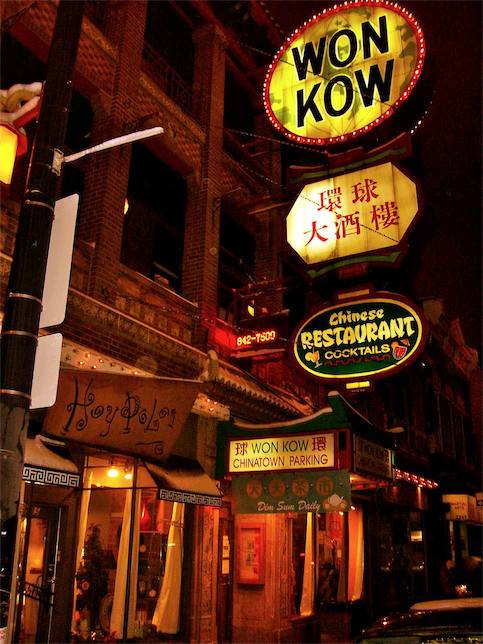 |

Restaurant
Established: 1928
2237 S. Wentworth Ave
Chicago - Chinatown
312-842-7500
Thursday - February 19th, 2015
Green Dragon Society
Lunar New Year Dinner |
|
Millions of people across China,
Korea, Vietnam, Japan
Other countries around the World are celebrating the Lunar New Year |
|
These performers, dressed in costumes of the Ching
Dynasty, are performing the Ancient Royal Heaven Ceremony
The sacred ceremony was performed by Emperors throughout history in
Beijing to pray for the peace and prosperity of the nation |
|
Bangkok Thailand (above & below) |
|
Tibetan Monks - Yonghegong Lama
Temple |
|
Sunday - February 22nd, 2015 |
|
South Side Chinatown - Wentworth
Avenue |
|
Chicago Mayor Rahm Emanuel |
|
After the Parade
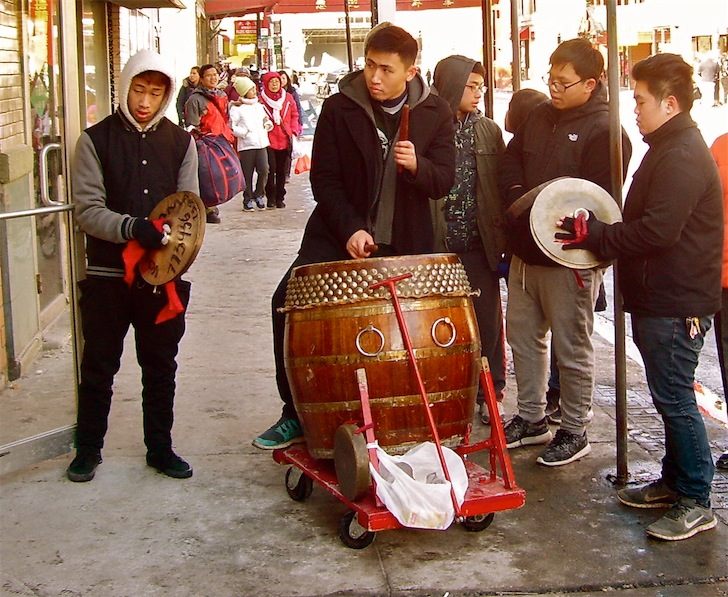
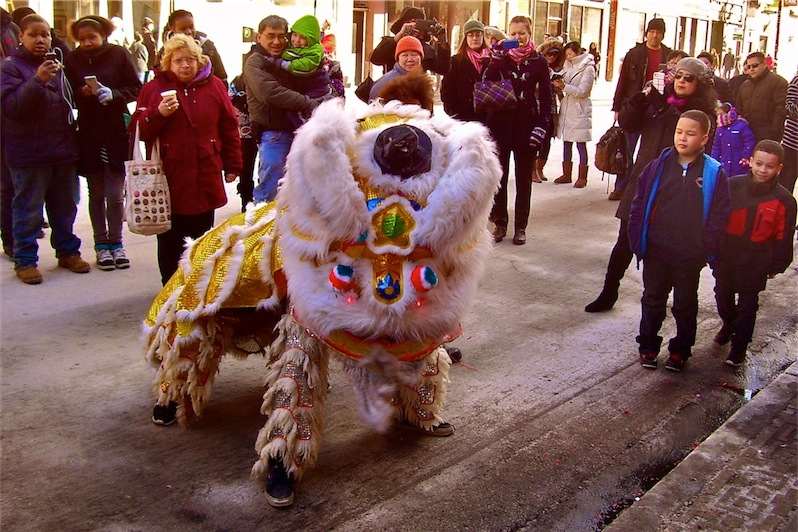
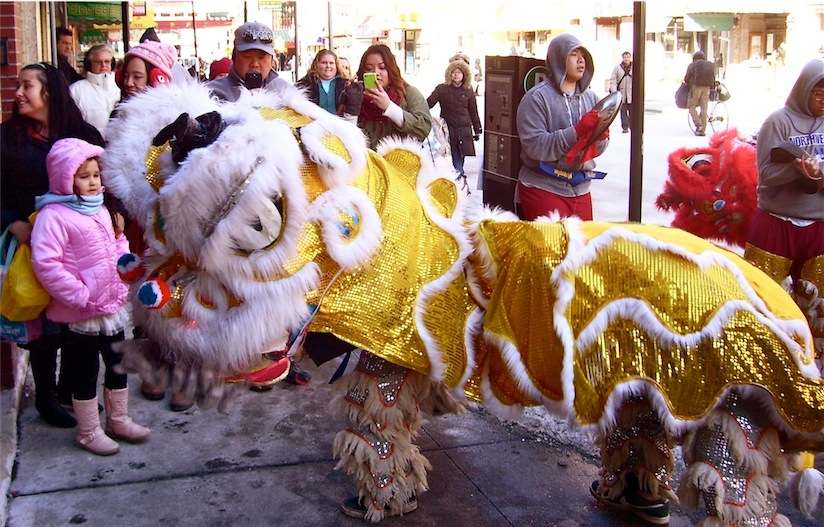
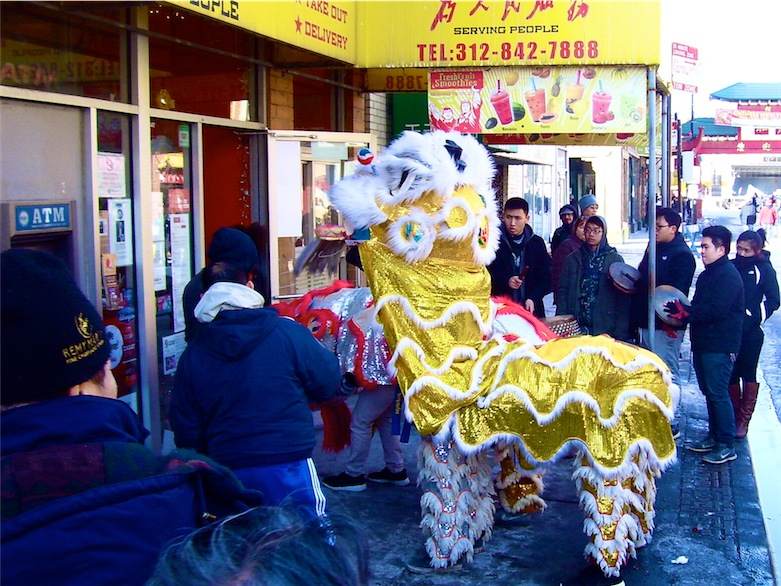
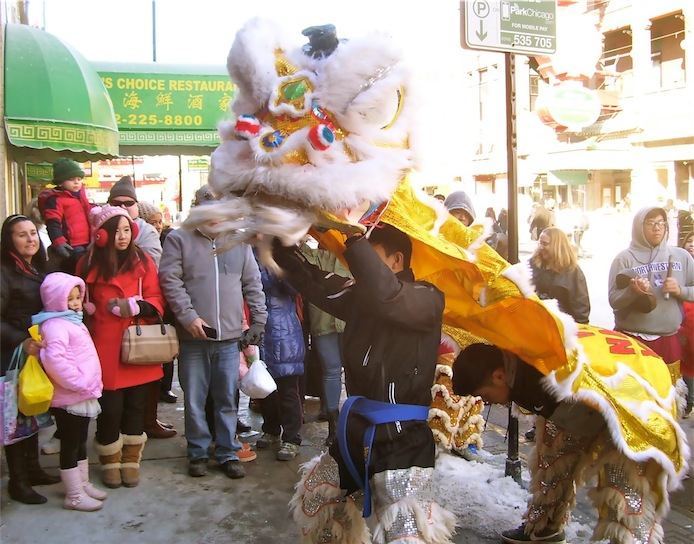
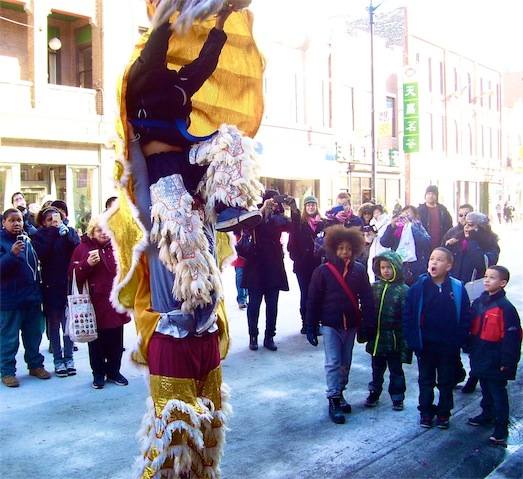
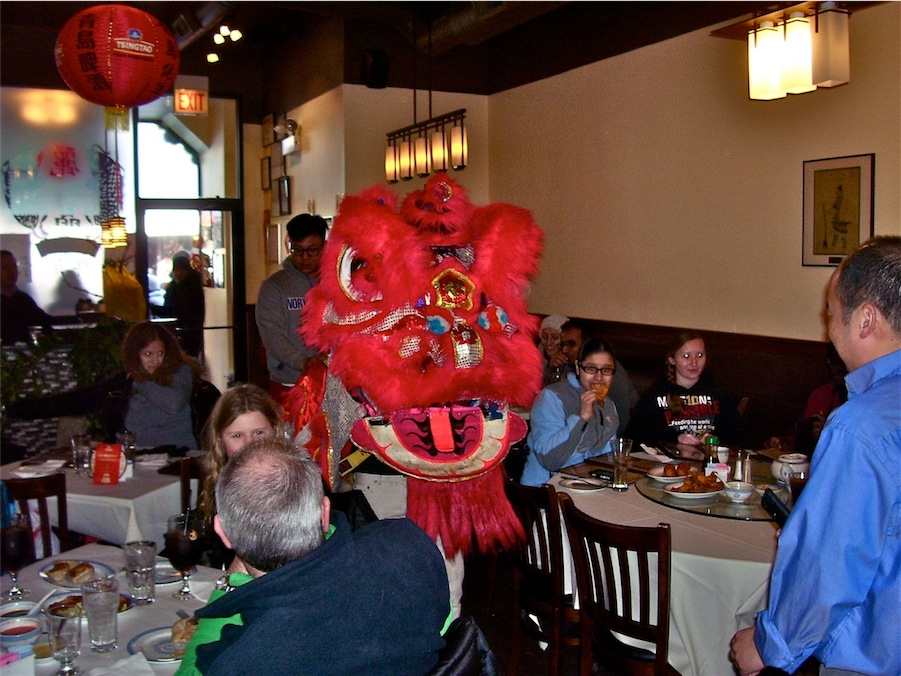
Lion Dance Teams, as is traditional, performed at
Chinatown Businesses
As the Lion runs along the streets he begins to visit different places
If well-performed, the Lion Dance is believed to bring 'Good Luck,
Happiness and Prosperity' |
| Lion Dance is a form of Traditional Dance in Chinese Culture:
in which performers in a colorful, articulate lion costume create a
ritualized and stylized dance for both entertainment and spiritual
purposes. The history of the Lion Dance goes back thousands of years,
and many folk tales seek to explain its origin. The Lion Dance combines
art, history and Kung-fu moves. Normally the performers are Kung-fu
practitioners. According to Traditional Chinese Belief: the
Lion signifies courage, stability and superiority. The Lion’s dance is
performed to chase away ghosts and evil spirits. Since the monsters,
ghosts, evil spirits and giants are afraid of loud noises, the dance has
become a natural complement to the fire crackers' noise. Clashing
cymbals, a gong and drums usually accompany this lively scene. The
Lion’s every movement has a specific musical rhythm and symbolic
expressed purpose.
Lions: are not native in China, but they came to China via the
famous, ancient Silk Road. Rulers in Persia and Afghanistan sent
Lions to Chinese Emperors as gifts, in order to get the right to trade
with Silk Road merchants. |
|
 |
|
 |
|
 |
|
 |
|
 |
 |
|
 |
|
 |
|
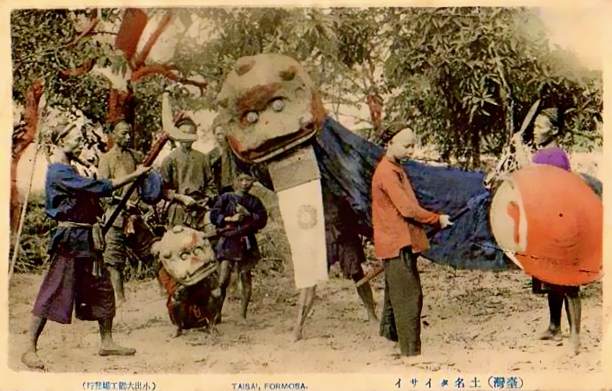
Old Photo - Lion Dance Formosa (Taiwan) |
|
|
 |
|
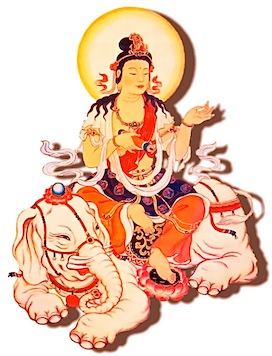 |
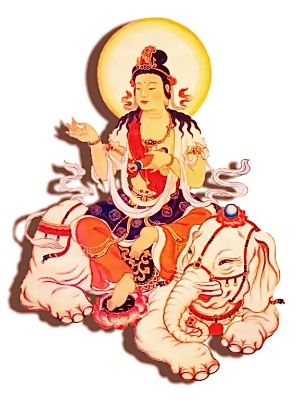
Puti La Temple
240 South Garfield Avenue
Alhambra, CA 91801
626-457-5336
Thursday - March 5th, 2015
Green Dragon Society
Visited Temple |
 |
|
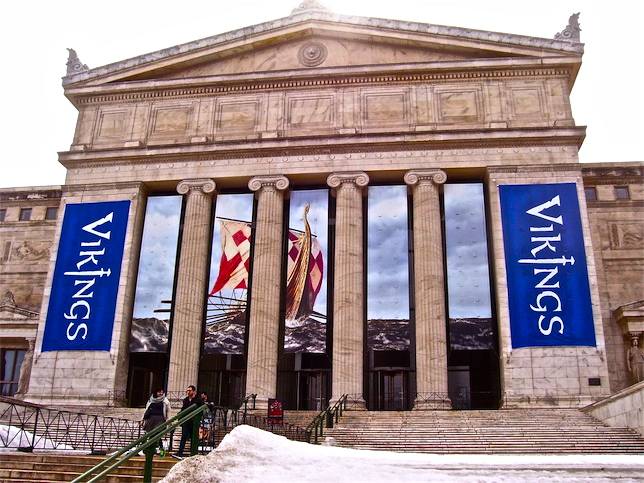
The Field Museum was founded in 1893
as the World Columbian Exposition Museum
It has spent more than 120 Years in the Pursuit of Scientific
Knowledge about the World Around Us |
|
The Field Museum Inspires Curiosity about Life on
Earth - While Exploring how the World Came to Be |
|
 |
Field Museum of Natural
History
Chicago
1400 S. Lake Shore Dr.
Chicago, IL 60605
(312) 922-9410
Hours: 9am - 5pm
Open every day except Christmas
Tuesday - March 10th, 2015
Green Dragon Society
Field Trip |
|

Exhibition Dates:
February 27th, 2015 to October 4th, 2015
Exhibition organized by the Swedish History Museum
The Field Museum’s presentation of "Vikings" is the only US stop
on an International Tour |
 |
Vikings: Explores the Truth behind Scandinavia’s
Ancient and Infamous Seafaring Raiders
The Viking Age (8th to11th centuries). Even over 1,000 years later the Viking culture still
captivates our imagination.
Beyond the legend of brutal warriors, who were the Vikings? Seafaring
invaders and plunderers? But were they also innovative explorers,
traders, and craftsmen?
Swords and Armor from 750 - 1100 AD.
Astonishing Viking workmanship in exquisite jewelry, metalwork, and
objects made from glass, bone, and amber.
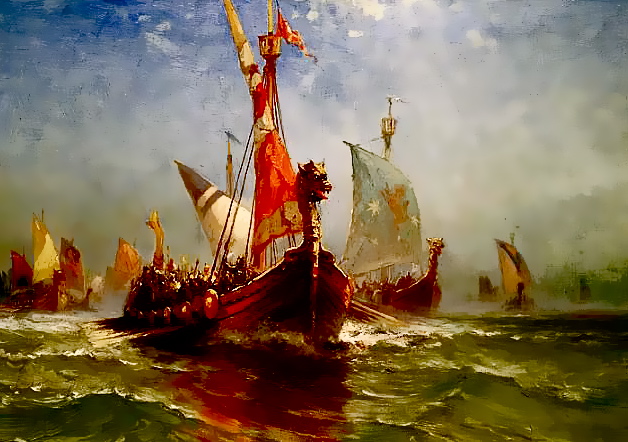
The Power of Mythology and the Symbolism of Viking ships. |
| The earliest Scandinavian crucifix and other striking silver
pendants representing the Pagan Norse Gods, and the complexities
of Viking religious practices. Fascinating insights into life and death
rituals. |
|
Gold Filigree Pendant - Bird of Prey Imagery and Old Norse Motifs |
Ancient Game
Hnefatafl - Entertained Vikings |
|
Linguistically: "Viking" was what
you did more than what you were, it was when you went on a raid |
|
They did not call themselves Vikings unless they
were out on a "Viking"
(Defined as the Old Norse word for a raid) |
The Field exhibit has its own replica Viking boats brought over from
the motherland, fittingly, by boat. The larger of the two crafts, the
27-foot-long Krampmacken (photo below), had to be craned into the museum
building, then spend 11 days in isolation to be sure it was pest-free.
But more important is the sturdy look of it, sitting at the entry to the
special exhibition gallery on the east side of the museum's main hall.
It has a big red-and-white sail and enough space for 10 or 11 sailors —
exactly the kind of thing you wouldn't want to see pulling up to your
humble Irish fishing village. |
|
Drinking Horn - Mouth Decorated with
Silver-plated Fittings |
Silver Pendant - With a Bird Atop
His Head |
| Viking society was complex and multifaceted. Vikings were
skilled craftsmen, successful merchants, and hard-working farmers.
Striking examples of Viking craftsmanship are on display including
exquisitely wrought brooches, depictions of Norse gods, as well as gold
and silver pendants. |
|
Thor’s Hammer Pendant - Shape of
Thor’s Hammer w/head of Bird of Prey
Thor is the Norse God of Thunder with his Hammer Mjölnir |
Bronze & White Metal Pendant
Christian and Old Norse Symbols |
|
 |
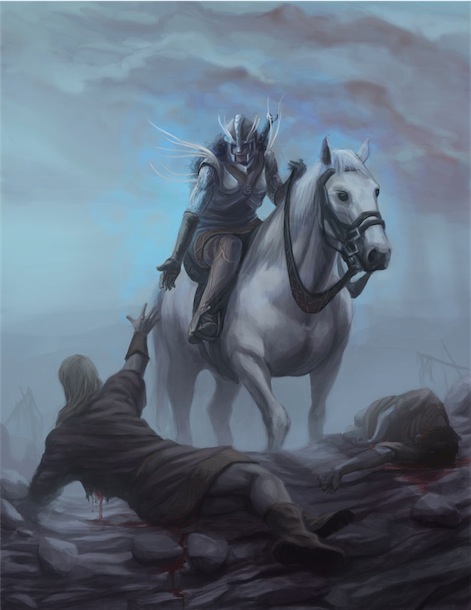 |
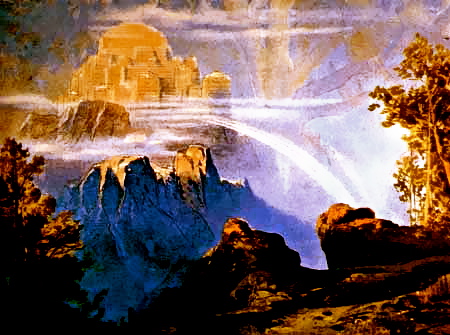
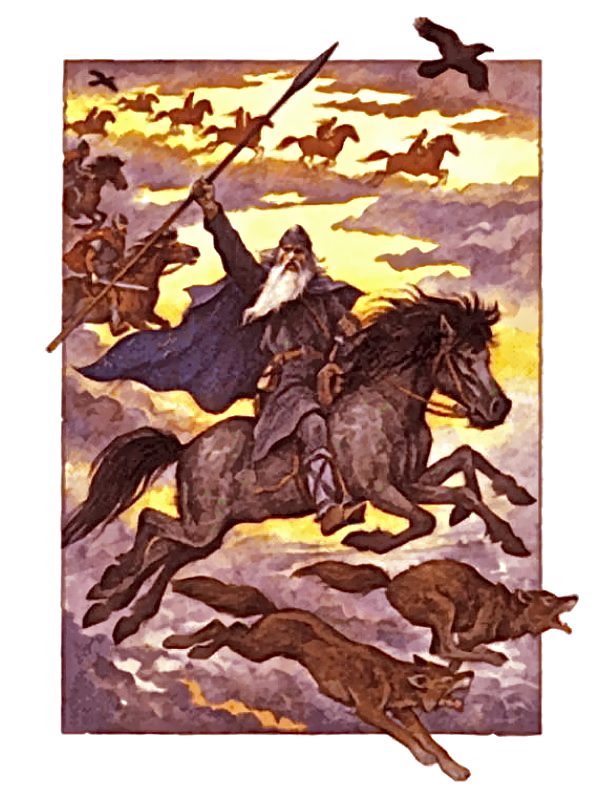
| Asgard: home
and 'Citadel of the Gods'. It was located in the Heavens and was
accessible only over the Rainbow Bridge, called Bifrost. Asgard had many
gold and silver halls or palaces, the most splendid of which was
Valhalla, the residence of Odin the Overlord.
Odin: the 'Ruler of the Universe'. He is more
specifically "King of the Norse Gods". He is the God of the Runes,
Inspiration, Shamanism, Magic and War. God of the hanged and the Wild
Hunt. A shape-shifter, he makes men mad or possessed with a blind raging
fury. He produces the battle panic called "battle-fetter". Three
different frenzies or madness are his gifts to humankind: the Warrior in
Battle, the Seer in Trance, and the Poet in Creativity. Subtle, wily,
mysterious and dangerous, he often ignores pacts made in honor with
humans. He is attended by his two Ravens, two Wolves and the Valkyries.
He is tall, bearded and one-eyed, having exchanged his eye
for Wisdom. Early in his life he overthrew the Primeval Giant Ymir,
and created the world with his remains.
Valhalla: the heavenly 'Hall of the Slain'.
This is the hall presided over by Odin himself. This vast hall has five
hundred and forty doors. The rafters are spears, the hall is roofed with
shields and breast-plates litter the benches. A wolf guards the western
door and an eagle hovers over it. It is here that the Valkyries, Odin's
messengers and 'Spirits of War', bring half of the heroes that died on
the battle fields. These heroes, are prepared in Valhalla for the
oncoming battle of Ragnarok, the "End of the World".
Valkyries: the 'Chooser of the Fallen'
(the slain). Sent by Odin into battle to select those who would go to
Valhalla. They are sometimes referred to as Shield-maidens. They have
Raven and Swan forms, and are sometimes seen by men as the Aurora
Borealiis, flickering light caused by reflections on their armor. They
choose among the slain and bring fertility to the earth. |
|
 |
|
Very Rare - Gilded Silver Frigg
Pendant
Most Powerful of the Norse Goddesses |
Carved Wooden Images |
|
Viking Age Swords and other Weapons
on Display
Highlight the Vikings’ Exceptional Metal Working Technologies |
|
Replica Viking Helmet |
Viking Arms & Armor |
Many of these items are, to be sure, swords, withered with age and
oxidation, one of them even curled up, but menacing nonetheless. Another
of them is listed as a "sword, double-edged," useful for cutting and for
metaphors.
To get a feel for the heft and balance of the things, viewers can handle
a modern replica Viking sword, cleverly encased in a sort of loose metal
sleeve that keeps anyone from waving it about. It is not true that if a
visitor is able to remove the sword, he becomes king.
Visitors won’t find any horned helmets on display. No Viking helmet has
ever been discovered with horns; this image emerged in the 19th century,
popularized by authors and artists who romanticized Norse culture. Some
Viking helmets, probably ceremonial, did have protruding birds on them,
perhaps in fealty to a deity, and these may have been mistaken for
horns. |
|
Vikings Weapons (below overhead view) |
| |
Viking Iron Sword |
|
Close-up - Hilt & Pommel |
|
|
Ancient Sword |
Viking Spearhead |
|
Viking Edged Weapons (below overhead view) |
|
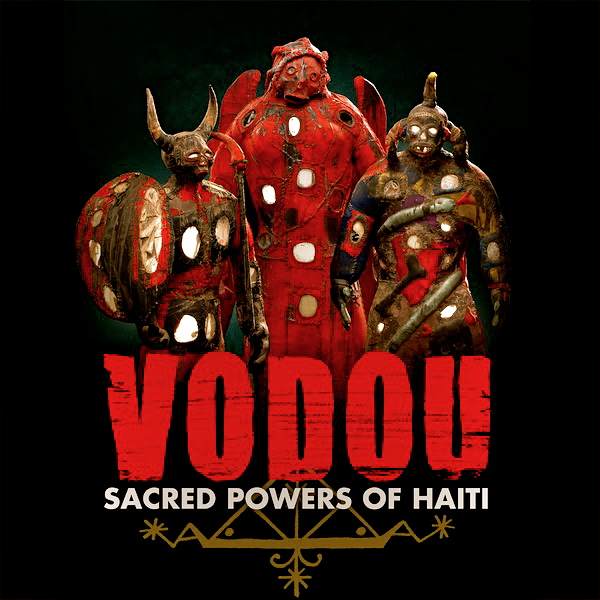
Sacred Powers of Haiti Exhibit
Ends Sunday - April 26th, 2015 |
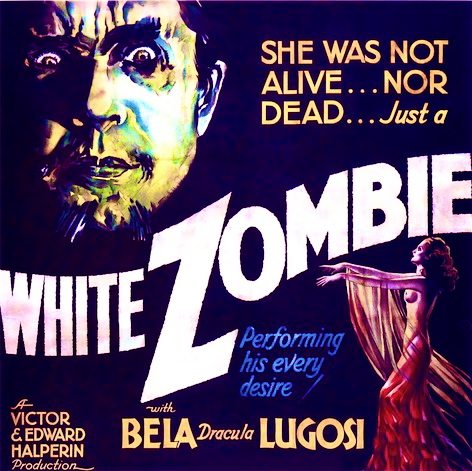
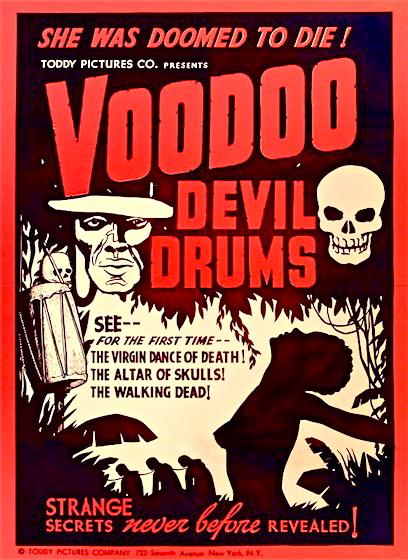
Vodou: Sacred Powers of Haiti looks beyond myths and
manufactured Hollywood images of Voodoo. Exhibition visitors will see no
dolls with pins stuck into them. Instead, the exhibition explores the
underground history and true nature of a living religion, and reveals
Vodou (pronounced vah-DOO) as a vital spiritual and social force that
remains an important part of daily life in Haiti.
In the exhibition, the story of Vodou is told from the viewpoints of
people who practice the religion. Vodouists express their points of view
about various aspects of their symbols, rituals, and spiritual beliefs.
Vodou is both a religion and a profound expression of the Haitian
national experience. The rituals of Vodou remember the country’s triumph
over slavery and honor the spirit of resistance that has sustained Haiti
through centuries of hardship.
The exhibition demonstrates the power of human creativity. It goes
beyond the usual stereotypes to bring us into a wonderful and deep world
of spiritual beliefs and ritual practices created and maintained by
Haitians during times of hardship and suffering brought on by
enslavement and its consequences. |
|
 |
|
 |
 |
|
Myths and Manufactured Hollywood
Images of Voodoo |
When you hear the word Voodoo, what comes to mind? Zombies, evil
spells, or dolls stuck with pins? Beyond these stereotypes and
manufactured Hollywood images, exists a vital spiritual and social force
in the daily life of Haiti.
Vodou reflects the Haitian collective remembrance of triumph over
slavery, and honors the spirit of resistance that has sustained the
country through centuries of hardship. Come stand among a legion of
“Lwa” or Spirits, who vividly personify everything from love and
sensuality to the courage of warriors. |
|
Lwa Fighting Spirits
“Fighting Spirits” Embody the Fury of Slaves who Successfully
Overthrew their Oppressors |
|
Lwa Spirit of Executioner |
Lwa Two-Horned Fighting Spirit |
| Dozens of the Lwa or Spirits, manifested in Vodou ceremonies,
all of them with distinctive personalities reflecting the multiple
layers of meaning found in Vodou. On one level, the centrality of
Spirits in Vodou practice underscores the philosophical idea that life
is interconnected, with no divisions between the material and the
spiritual, the living and the dead. On another level, invoking Spirits
gives Vodouists a practical way to pay tribute to Ancestors, and
keep memories of the past alive. |
|
Possessed Doll |
Horned Lwa |
|
Lwa Spirit Guards |
Spirit Guard - Zazi Maza Wongol |
|
Urn (Adorned with Human Skulls and other Elements)
. . . Possesses the "Spirit of an Ancestor" |
|
Vèvè Diagram (above) - "Spirit of Worldly
Pleasure" |
|
Drawing a Sacred Diagarm (Vèvè ) |
|
A Vèvè is a symbolic drawing associated with a
specific Vodou spirit
Vodouists draw Vèvès on the ground using flour, coffee grounds, powdered
brick, or other materials
These drawings, along with drumming and songs, invoke spirits to appear
at ceremonies |
|
Workroom of a Vodou Secret Society |
|
Above Packets were Created for
People Initiated into a Vodou Secret Society |
|
When Someone is Initiated into Vodou
Spices, Soil from Specific Locations, Leaves, and Other Materials are
Assembled in a Special Packet
This Packet is then Placed on the Initiate’s Altar |
| Insight into the nature of Vodou. The recounting of Haiti’s
harsh past, for example, reveals the extent to which the country’s long
history of slavery, oppression and resistance has shaped Vodou symbols
and practices. At first a Spanish colony and then a possession of
France, Haiti at the end of the 18th century produced half the world’s
coffee exports and as much sugar as Jamaica, Cuba and Brazil combined –
a bounty that was brought to market by a system of slavery. The
experience of slavery is a central reality preserved in Vodou rituals
and beliefs. |
|
This Woman has been Possessed
Ceremony to Honor Family of Spirits
Embody the Cycle of Life and Death |
|
3 Horned Bossou w/Pipe |
In Vodou the Christian Cross is United with the
African Idea of the Crossroads
Crossroads are Sacred, Powerful Places
Spiritual Forces Converge and the Living and the Dead Cross Paths |
|
Lwa Damballah . . . the Serpent |
|
Life Size, Hand Sewn, Cloth Figures |
|
Field Museum - Tyrannosaurus Rex
named 'Sue' |
|
Annual Lee Family Grand
Dinner |
|
About 1000 Guests occupied the
Banquet Hall
This Dinner was attended by the Membership of the Lee Family and
their Friends and Guests
The Entertainment was presented by the Expert Musicians of the Ancient
Tao Association
A 12 Course Dinner was served in the Chinese Tradition |
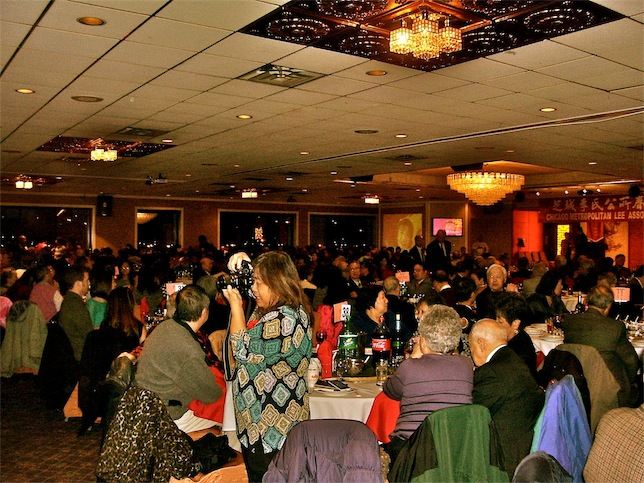 |
This Dinner is the Spring Festival
Event
Furama Restaurant
2828 South Wentworth Ave.
(312) 225-6888
South Side of Chicago
In Chinatown
Sunday - March 22nd, 2015
Green Dragon Society
Attended Banquet |
|
Special Guest Speakers:
International Dignitaries and Local Political Figures |
|
Danny Solis (Podium)
Chicago Alderman 25th Ward |
Commissioner Thompson (L) & Alderman Danny Solis
(R)
at the Green Dragon Society Table |
|
Patrick D. Thompson: Commissioner Metropolitan
Water Reclamation
Candidate for Chicago Alderman 11th Ward |
|
Tao Association Orchestra |
Chinese Dignitary Speech |
|
Lee Association 'Good Luck' VIP Toast |
|
Lion Dance to 'Chase Away Evil' |
|
Lion Dance |
Lion Dance Drummers |
|
Talented Lee Family Members Entertained - Two
Singers (above)
Traditionally - Appreciation is Displayed by Bestowing
Pink Flowers on Performers |
|
Lee Family Tai Chi Demonstration |
|
Yearly Chicago Burmese - Grand
Dinner |
|
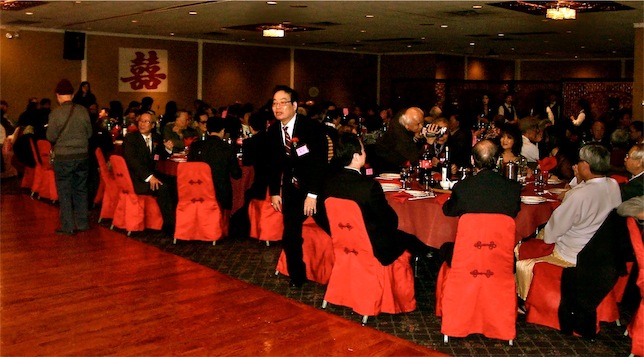
500 to 600 Guests occupied the
Banquet Hall
This Dinner was attended by the Membership of the Burma Society
and their Friends and Guests
Entertainment was presented by the Talented Membership of the
Association
A 12 Course Dinner was Served |
 |
This Dinner is the Spring Festival
Event
Furama Restaurant
2828 South Wentworth Ave.
(312) 225-6888
South Side of Chicago
In Chinatown
Saturday - March 28th, 2015
Green Dragon Society
Attended Banquet |
|
Special Guest Speakers:
International Dignitaries and Local Political Figures |
|
Byron Sigcho
Candidate for 25th Ward Alderman |
The Green Dragon Society had Table #2 this Year
VIP Table #2 also sat Top Campaign Managers in Chuy
Garcia's Chicago Mayoral Run |
|
Burma Association Friendship Toast at Table #2 |
Chuy Garcia - Chicago Mayoral Candidate |
|
April 7th, 2015 - Chicago Mayoral
Election
Mayor Rahm Emanuel versus Challenger Chuy Garcia |
|
Burmese Ladies |
Burmese Young Ladies |
|
Burma Banquet - VIP "Lucky Toast" |
|
Traditional Burmese Dance |
|
Mr. Lee famously performs Tai Chi at several
Associations Banquets
There are over 200 Associations in Chicago Chinatown -
Hosting their own Spring Banquet or Festival Event |
|
Music MC's |
Furama Dance Floor |
|
Burmese Association Spring Festival
Raffle
Many Lucky Winners - Many Prizes to Raffle |
|
Burmese Exotic Folk Dancers |
|
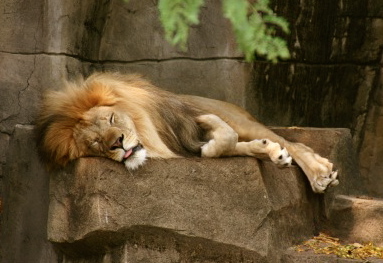
Brookfield Zoo - In the Chicago
Suburb of Brookfield, Illinois
It Houses around 450 Species of Animals in an area of 216 Acres
The Chicago Zoological Society is a Private Nonprofit Organization that
operates Brookfield Zoo
Located on land owned by the Forest Preserves of Cook County |
 |
Brookfield Zoo
8400 W 31st Street
Brookfield, Illinois 60513
(708) 688-8000
Brookfield Zoo is open 365 days of the year!
Wednesday - April 29th, 2015
Green Dragon Society
Field Trip
Study the Animals
June 30th, 1934, when Brookfield Zoo officially opened
After taking over fourteen years to build
The Zoo opened to the public with a 25 cent admission fee
And today opens its gates to over 2.3 million visitors a year |
|
Brookfield Zoo Entrance . . . circa 1940s
(Postcard) |
Old Guide Book |
In 1920, a group of prominent Chicagoans joined together to
establish a zoo. In 1921, they incorporated the Chicago Zoological
Society. Upon opening in 1934 the zoo quickly became America's first zoo
with bar-less exhibits.
The Zoo boasts many firsts. For example, it housed the first Panda in
the Northern Hemisphere in 1937, held the first Wombat in captivity who
recently died at the grand old age of 34, and built the first Inland
Dolphinarium, an aquarium for dolphins. With all of its incredible
accomplishments, the Brookfield Zoo was truly built with “The Most
Modern Zoo in America” in mind. |
|
Famous Central Fountain - Built in 1954 |
|
You might want to observe
the animals, live, at a zoo while you still can.
We are currently in the midst of a Worldwide Extinction.
There are only 3500 Tigers left on the face of the Earth!
In the 20th Century there were 300,000 Tigers.
Similar devastated numbers apply to other Mammals.
Not to mention the vast Oceans.
And the little creatures, like the Monarch Butterflies.
Even more, the essential Bees of the Earth are dying off. |
|
Snow Leopard |
Leopard (Panthera pardus) |
|
Leopard Stalking |
Lioness Den |
|
Hippopatamus Building has the only "Old Style
Cages" at this Zoo
It was erected early on, before the Barless Philosophy |
In Contrast, the Wolf enclosure is Truly Barless
There are wide open spaces and Natural Barriers |
|
Attendant on Specified Duty in
Animal Exhibit |
Electrified Chain Link Fence - Wolf
Enclosure |
|
Brookfield Zoo - Colorful Historic
Moments |
|
July 31st, 1938 . . . Elephant Ziggy turns
Temperamental
Chases Brookfield Zoo keeper George Lewis into a Moat |
Mother Gorilla Binti-Jua
Gets admiring look from her Baby Koola in their Enclosure |
|
Ziggy had a History of Violence
Hurling a Trombone Player to his Death at Ringling Bros Circus in 1936
Ziggy had Killed Four Men by 1966 |
Binti-Jua rescued a little boy
who fell into the enclosure on August 16th, 1996. The gorilla received
hundreds of letters from around the world and made People Magazine's
list of "The 25 Most Intriguing People of 1996" |
|
He is Known as “Indiana Bones”
Dr. Paul Koudounaris is a Photographer, Writer,
and Academic Historian |
|
Having a PhD in Art History from UCLA, he has
chosen a Fascinating Career to continue his interest in Macabre Culture
The Doctor loves sharing his Knowledge from his Travels by Speaking at
Various Venues |
| The astonishing story of how the dead live on in memorials and
traditions across the globe, from Ethiopia and Nepal to Cambodia and
Rwanda, told through arresting images and captivating narration. Dr.
Koudounaris documents these fascinating historical artifacts, hidden for
over a century as Western attitudes toward both the worship of holy
relics and death itself changed. Dr. Koudounaris photographed more than
seventy sites and analyzes the role of these remarkable skeletal remains
within the cultures that created them, as well as the mythology and
folklore that developed around them. |
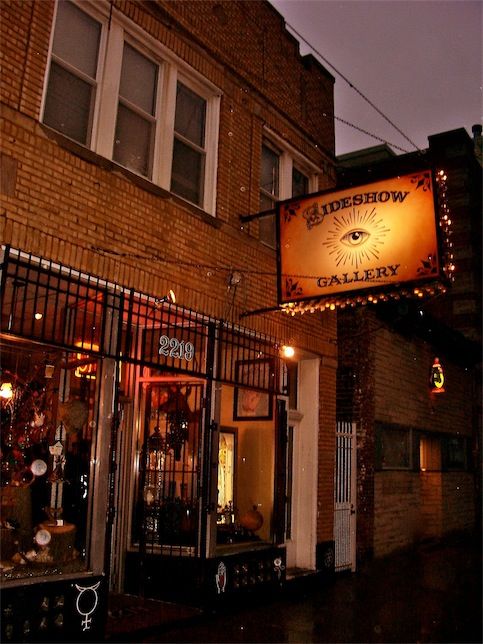 |
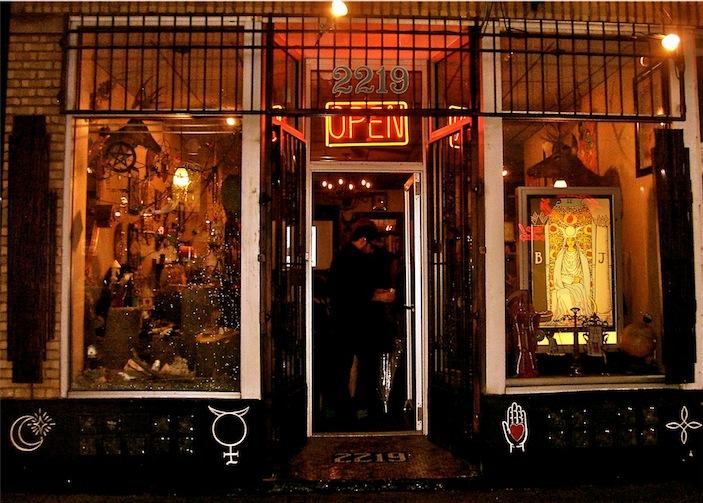
North Side of Chicago
Sideshow Gallery
2219 N. Western
Chicago, IL 60647
Sunday - May 3rd, 2015
7 PM
Green Dragon Society
Attended Lecture
Co-sponsored between The Chicago Creepout
Bucket of Blood Books & Records
and Sideshow Gallery
The Doctor's books are available at the Sideshow Gallery
Snacks and Beverages were provided early on
Attendees could bring their own Drinks
 |
|
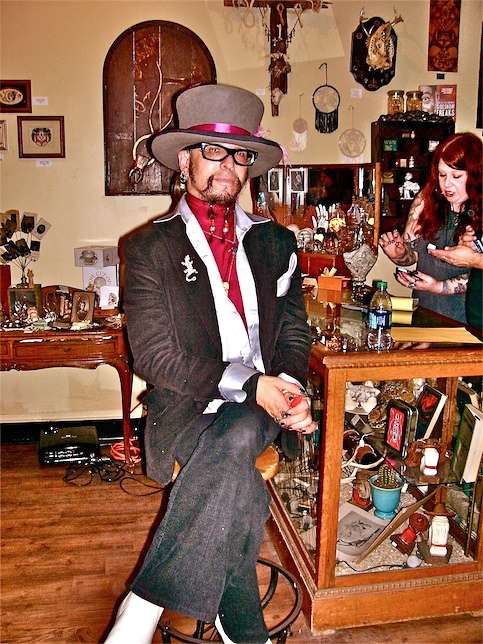 |
Sideshow Gallery
A Gothic Art Gallery with related Dark Themes
Ouija boards, Taxidermy skills, and the Discussion of Death
Goth subculture Fashion Wear
Goth - Someone who likes the Darker Side of Things
Being Goth is seeing beauty, and its coming destruction,
at the same time.
It's the last dance as the walls are crumbling around you!
 |
|
Dr. Paul Koudounaris |
|
Dr. Koudounaris - Lecture Photos |
|
Dr. Paul Koudounaris - Lecture &
Slideshow
'Demonically Possessed Cats'
Covered the titled subject, as well as an historical perspective
on Death and Memorial |
|
The Lecture was full of Occult
Knowledge and Forgotten History |
| Dr. Paul Koudounaris has traveled the world to more than 60
countries photographing and studying how different cultures honor their
dead through memorials. He's visited countless Ossuaries (spaces
reserved for the final resting place of human skeletal remains),
Charnel Houses (vaults storing human bones), and Caves to
further his research. |
|
Dr. Paul Koudounaris - Lecture
(above)
Book Signing
After the lecture the good doctor autographed his books - The
line was long |
|
Bone fetishism in the ancient world
to painted skulls in Austria and Bavaria, an unusual and compelling
work of cultural history.
It is sometimes said that death is the last taboo, but it was not always
so.
For centuries, religious establishments constructed decorated Ossuaries
that stand as masterpieces of art created from human bone.
These unique structures have been pushed into the footnotes of history;
they were part of a dialogue with death that is now silent. |
Death has never looked so beautiful. The fully
articulated skeleton of a female saint, dressed in an intricate costume
of silk brocade and gold lace, withered fingers glittering with colorful
rubies, emeralds, and pearls.
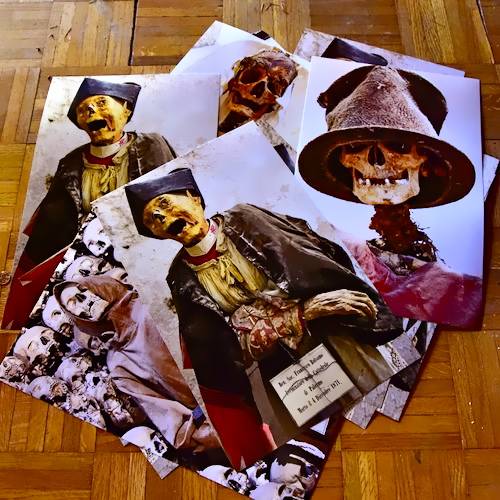
In 1578 in Rome, a labyrinth of underground tombs were thought to hold
the remains of Christian martyrs.
Known as “Catacomb Saints” they were carefully reassembled, richly
dressed in fantastic costumes, wigs, crowns, jewels, and armor, and
posed in elaborate displays inside churches and shrines. |
Death is universal, but the human
response to death varies widely. In Western society, death is usually
taboo, and kept apart from the world of the living. Worldwide, for much
of human history, death has commonly been far more integrated into
peoples’ daily existence.
Dr. Koudounaris has captured death around the world. From Bolivia’s
“festival of the little pug-nosed ones,” where skulls are given
cigarettes to smoke and beanie hats to protect them from the weather to
Indonesian families who dress mummies. |
|
Sideshow Gallery Ambience |
|
Chinese Herbal Formulas -
Prescription Ingredients |
|
There are many Herbal Storefronts in
Chinatown
Properly formulated Chinese Herbal Receipes can be filled
Ancient Medicinal Remedies and Rare Herbs can be Obtained
These Medicines are used both Internally and Externally for a wide
Variety of Purposes |
|
Yee Wau Tong
211 W. Cermak Road
Chicago, Illinois
60657
Chinatown
Oy Lin Chingtan - Proprietor
(312) 326-1883
Wednesday - May 13th, 2015
Green Dragon Society
Field Trip |
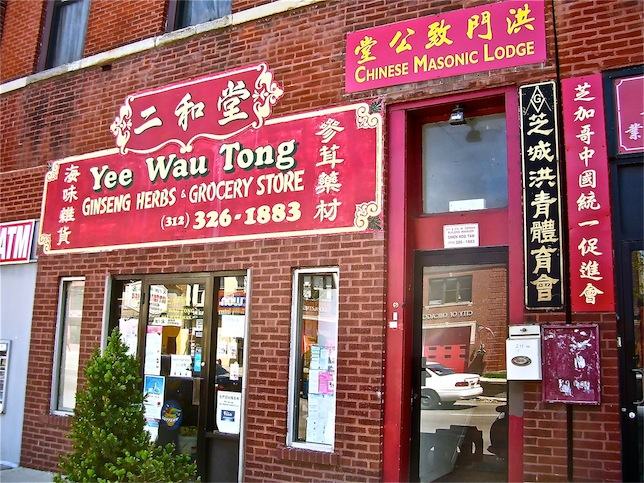 |
| Green Dragon Society field trip to Chinatown on the Southside of
Chicago. This endeavor accomplished several goals. One being the subject
of this section; the procurement of ingredients for multiple External
(Liniments) and Internal (Elixirs) herbal formulas. Taoists love the
gathering of fresh herbs in the Springtime. It is an ideal time to work
on brewing longevity and rejuvenating medicines. |
|
Chinese Retail Herbal Medicines |
Herbs and Various Condiments |
|
Yee Wau Tong - Various Herbs |
|
Very Old
Apothecaries - Chinatown along Cermak Road |
|
Chinatown Hotel |
Confucius Statue |
|
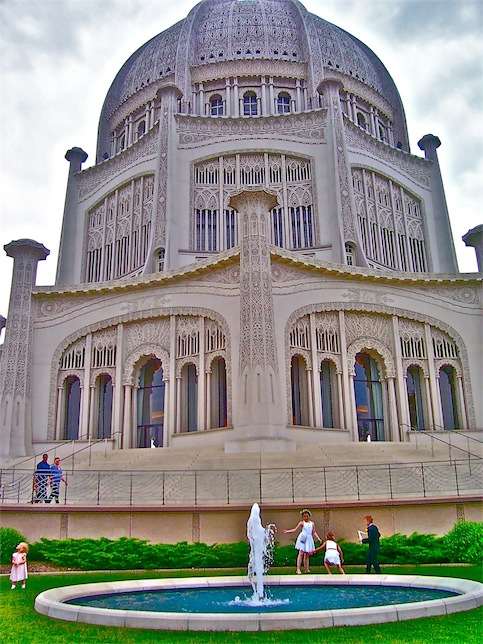
Baha'i House of Worship for North
America
Open Daily to Everyone for Prayer and Meditation |
|
The Baha'i Faith is an Independent
World Religion
It is Practiced Throughout the World by more than 5 Million
People
Comprising nearly every Nationality and Ethnic Background |
|
The Temple Stands as a Symbol of the
Oneness of Humanity
It Elevates the Spirit and is a Magnet for Peace and Harmony
Baha'i Faith Believes
Throughout history God has revealed Himself and
His Teachings
Through a series of Divine Messengers stretching back Beyond
Recorded Time
Baha'u'llah (Baha'i Founder) is recognized by Baha'i as the Divine
Messenger for This Age |
| Basic Beliefs of the Baha’i Faith state that God cannot be
known directly, and God is known through the lives and teaching of his
prophets. All humans have a soul that lives forever, and everybody is a
member of a single race. They believe that there should be no inequality
between races and sexes. Baha’i also believe in the divinity of all the
religions’ major prophets including; Zoroaster, the Buddha, Abraham,
Jesus and Muhammad. Since Baha’i believe that we cannot comprehend God
directly, we must look at the lives of God’s messengers in order to
fully understand God. Concerning Baha’i Worship: prayer, fasting
and meditation are all forms of achieving the main purpose of life;
which is to know and love God. Baha’i also believe that helping others
in need is also a form of worship. There are no clergy or sacraments in
the Baha’i faith. Baha’i typically avoid rituals because they often become meaningless
and people forget the meaning of the ritual and rituals can be imposed
upon different cultures; therefore, destroying the diversity of our
world. |
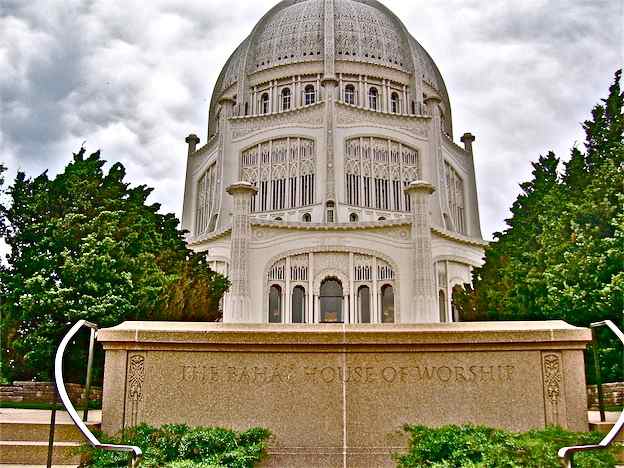 |
Baha'i Temple
100 Linden Avenue
Wilmette, Illinois
60091
United States
Temple and Gardens Hours
Open Every Day - 6:00 AM to 10:00 PM
Saturday - June 20th, 2015
Green Dragon Society
Visited Temple
The Baha'i Faith welcomes everyone to Find Peace
in their Beautiful Temple and Gardens
The Baha'i Faith Promotes the Unity of all People.
There is only One Baha'i Temple on Each Continent.
Explore the Temple, its Beautiful Gardens, and the brand new Welcome
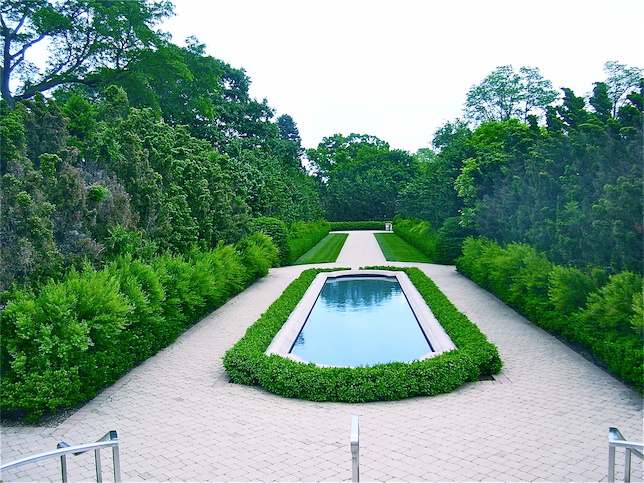
Center.
|
|
One of the "Seven Wonders of Illinois - The House
of Worship a unique gift that belongs to all of humanity. It is for
contemplation. It is for prayer. It is made to be a haven for all who
need to find relief and shelter in the midst of a hectic world. It
exists to serve the spiritual needs of everyone. |
|
The Baha'i Temple has a Formal Name
in Arabic
It is the Mashriqu'l-Adhkar
"The Dawning Place of the Mention of God" |
|
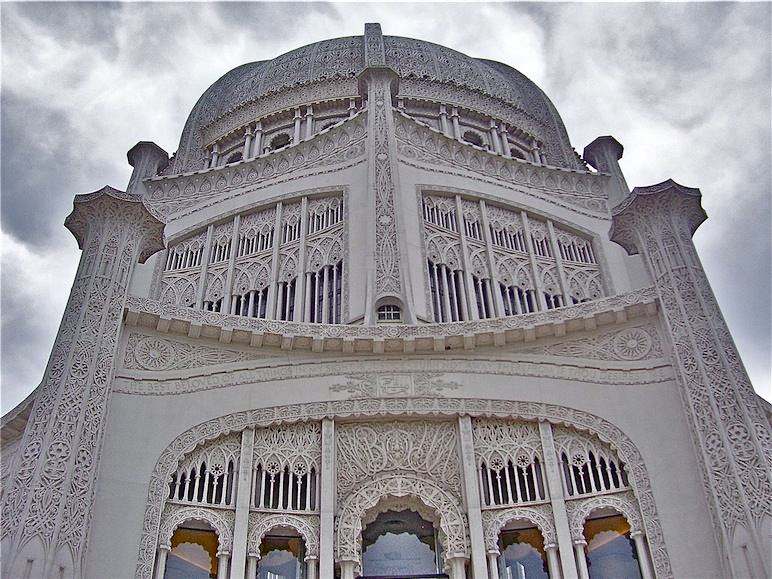
Great Baha'i Dome |
At the Epicenter of the Inside of
the Dome |
|
The Symbol at the Top of the Dome is
an arrangement of Arabic Words - Yá Bahá‘u’l-Abhá!
An Invocation meaning . . . O'Glory of All the Glorious |
| The Baha’i Faith was started in Iran by Baha’u’llah in 1863. Before the
founding of the Baha’i Faith, a young man known as The Bab, believed
there would soon be a messenger from God that would be the next in the
line of prophets that includes; Moses, Jesus Christ, and Muhammad. This
prophet was Baha’u’llah, and he believed that he was not the final
messenger from God. Baha’i accepts all religions and the central idea
of the faith is unity of humanity. |
|
Shrine of the Bab in Haifa Israel |
The Bab |
|
A merchant from Shíráz, he claimed in 1844 to be a
Messianic Figure in Islam
Originally he called himself the Mahdi, but later adopted the Title "Báb"
which means "Gate" |
|
Shrine of Bahá'u'lláh |
Bahá'u'lláh |
|
“My object is none other than the betterment of the
world and the tranquility of its peoples.”
Bahá'u'lláh |
Bahá'u'lláh was born in 1817 in the city of Tehran, the
capital of what is now Iran. He came from a noble family, and was
renowned for his generosity, compassion, keen intelligence, and devotion
to justice. In the middle of the 19th century, Bahá’u’lláh arose to
proclaim a new revelation from God and deliver the vision of his Cause.
Bahá'u'lláh began to share the new message entrusted to him. He
was rejected by the ruling elite, imprisoned, tortured, and banished
from his homeland. A series of harsh exiles brought Bahá'u'lláh to what
is now modern-day Israel, where, although still a prisoner, he continued
throughout his life to reveal the 'Word of God' expressed through
mystical writings, laws and ordinances, and social and ethical
teachings. |
|
Abdu'l-Baha - Young Scholar |
Abdu'l-Baha |
| Upon the death of Bahá'u'lláh in 1892, Abdu'l-Baha Abbas, his eldest
son and appointed successor, became the head of the Baha'i Faith. Born
on May 23rd, 1844, in Iran, he was the exact same age as the Baha'i
Faith, it having also begun on the same date. He shared the same fate as
his father. he was exiled to Iraq in 1853, exiled again years later to
Constantinople, and again in 1868 to the prison city of Akka in Syrian
Palestine, along with 67 other friends and family members. Despite
many dangerous years, he was married and four daughters reached
adulthood. The small Baha'i community in Palestine was able to farm and
set up local businesses, although Abdu'l-Baha remained formally a
prisoner of the Ottoman Empire. At this time there were Baha'i
communities in Iran, Iraq, India, Egypt, Syria and throughout the Middle
East. By 1906 Europeans and Americans were able to visit Palestine more
freely and learn directly from Abdu'l-Baha the essential teachings of
the Baha'i Faith.
As a result of the 1908 Young Turk Revolution, at age 64, Abdu'l-Baha
was no longer a political prisoner and was free to travel. Baha'i in
Europe, the United States and Canada begged him to visit. Therefore, he
spent most of 1911 and 1912 traveling through Egypt, Europe and then
North America. In an era of the public lecture, he sometimes spoke three
or four times a day, filling churches and halls across the country.
Howard Colby Ives described Abdu'l-Baha in his 1937 book, 'Portals to
Freedom'. "His flowing 'Aba', his creamlike fez, his silvery hair and
beard, all set him apart from the Westerners, to whom he spake. But his
smile which seemed to embrace us with an overflowing comradeship, his
eyes which flashed about the room as if seeking out each individual, and
his gestures which combined such authority and humility, such wisdom and
humor, all conveyed to me, at least, a true human brotherhood."
Abdu'l-Baha was a person given to much joy and laughter. "If you are
not happy now" he would say, "for what time are you waiting?"
American Baha'i and their friends alike were astounded by his
spirituality, humility, gracious generosity, and his ability to look
into the deepest reaches of a seeker's heart. Those who met him
considered it a high point in their lives. While the popular press
called him a prophet, he referred to himself only as a servant of his
father's Faith, hence his name Abdu'l-Baha, which means the "Servant of
Baha" |
|
Baha'i Temple Chicago - History |
|
Archange and Antoine Ouilmette - Potawatomi Indian
Tribe |
| The first owners of the Baha'i Temple's lakeshore property were the
Ouilmettes. They were settled in the area for many years. Their home was
always open to travelers passing through. Their extensive property was
sold over time to the Village of Wilmette, which is named after this
Potawatomi Indian family. |
|
World Parliament of Religions - Chicago 1893 World
Columbian Exposition |
| The World Parliament of Religions in 1893, which met for 17 days
in the Hall of Columbus at the Art Institute of Chicago, was the first
ever worldwide ecumenical meeting. Clergy from many Christian
denominations took part, as well as representatives of other faiths.
There were Muslims, Hindus, Buddhists, Zoroastrians, Confucians, Jains,
and Taoists at the Parliament. Swami Vivekananda spoke, became a
national celebrity, and in 1897 organized the Vedanta Society.
There was no member of the Baha'i Faith present at the Parliament of
Religions. A Christian missionary in Syria sent a letter describing
Baha'u'llah and the Baha'i Faith that was read at a conference session.
The Parliament caused a great interest in comparative religions amongst
Chicagoans.
When a Syrian Baha'i named Ibrahim Kheiralla came to Chicago in 1894
hoping to make his fortune, he initiated classes on spiritual healing,
which included some Baha'i prayers and principles. Students in those
classes became the early Baha'i of Chicago. |
|
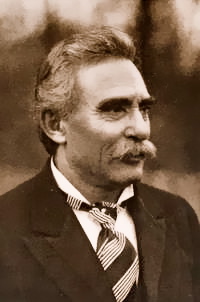 |
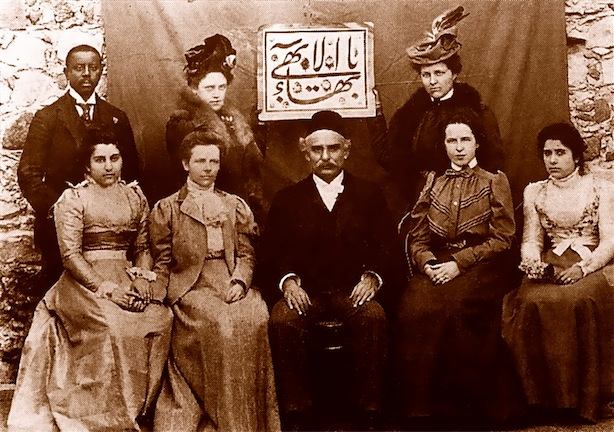 |
|
Ibrahim Kheiralla |
Ibrahim Kheiralla is in the Middle of the
Front Row (Winter of 1898-99) |
|
Group of Baha'i in the Holy Land . . . circa early
1900s |
It was 1903 when the first glimmers of the idea of a place of
worship dawned upon the small group of early believers in Chicago. It
began with an inspirational letter from Baha'i friends in Ashkhabad,
which is now called Ashgabat in Turkmenistan. That large and busy Baha'i
community was in the process of building the world's first Baha'i House
of Worship.
Corinne True, a believer from Chicago, traveled in 1907 to visit the
Baha'i of Akka in Syrian Palestine. She presented a petition to
Abdu'l-Baha, the leader of Baha'i worldwide. She was given in return the
first instructions for what the building should look like, which
included a dome, nine sides, and nine gardens. |
|
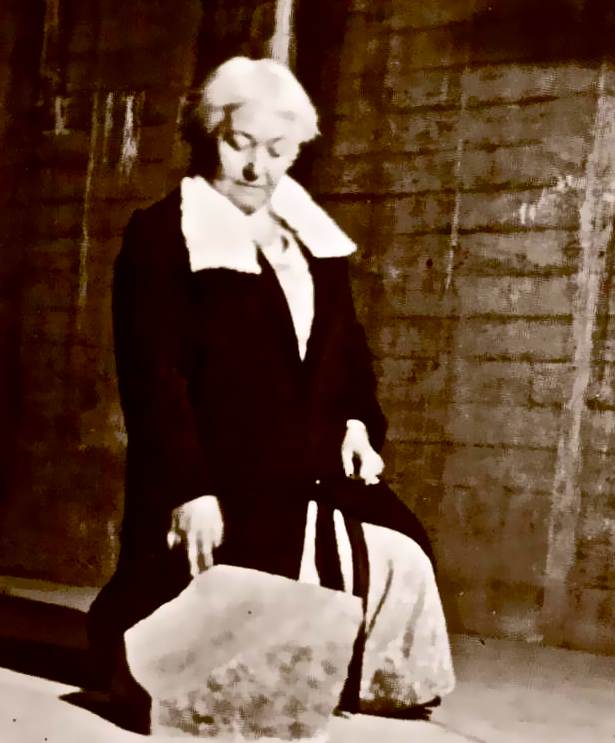 |
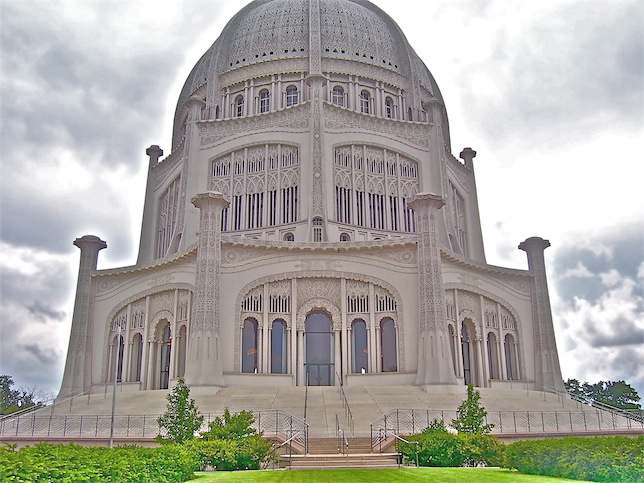 |
| Esther "Nettie" Tobin was distressed she could not contribute much
to the Temple funds. She was a Baha'i since 1903. In 1908, a Persian
friend wrote to her "the glory and honor of the first stone is
equivalent to all stones and implements which will later be used there".
Inspired, Nettie visited a Chicago construction site and charmed the
foreman into giving her a large chunk of limestone from the reject pile.
She and a neighbor wrapped the stone in a piece of carpet, then a length
of clothesline, and dragged it to her home. More friends helped her drag
it to a streetcar, and they finally ended up at the corner of Ridge and
Central in Evanston. It took two days of hauling the stone. This meant
leaving the stone overnight in a yard and using a broken down wooden
cart to get the stone to the Temple property! |
|
Abdu'l-Baha - April 28th, 1912 in Chicago |
Montreal Daily Star - August 31st, 1912 |
|
Abdu'l-Baha's 239 Days Visit to
North America
April 28th, 1912, Abdu'l-Baha was 68 years old
when he arrived in Chicago. Among his many visits and talks he spoke
that night to more than a thousand people at a public meeting of the
Baha'i Temple Unity, held at the Masonic Temples Drill Hall. On a
typical day for Abdu'l-Baha the lobby of the hotel was constantly filled
with visitors, and his interpreters reported there were some who
followed him from place to place in their cars in order to hear as many
talks as possible. On May 4th, he spoke to the Theosophical Society in
University Hall at Northwestern University. Faculty commemorate this
event every year. |
In 1912 - Abdu'l-Baha Himself set the Cornerstone in an empty
field in Wilmette, Illinois. He proclaimed to those present "the Temple
is already built."
It took more than 30 years before it was physically completed, from the
first foundation in 1920 to the last tulip in the gardens in 1954. When
the completed building was dedicated in 1953, the Baha'i Faith had
spread throughout the Western Hemisphere.During the 1933 "Century of
Progress Worlds Fair" in Chicago, the Baha'i Temple became a tourist
destination, worthy of a ride on the El Train or a car trip up Sheridan
Road.
In 1978 the Baha'i Temple was added to the National Register of
Historic Places.
And so it stands today, the "Great Bell" looking over Lake Michigan, a
beacon to airline pilots and boaters, a total surprise to travelers as
they drive by on Sheridan Road. |
|
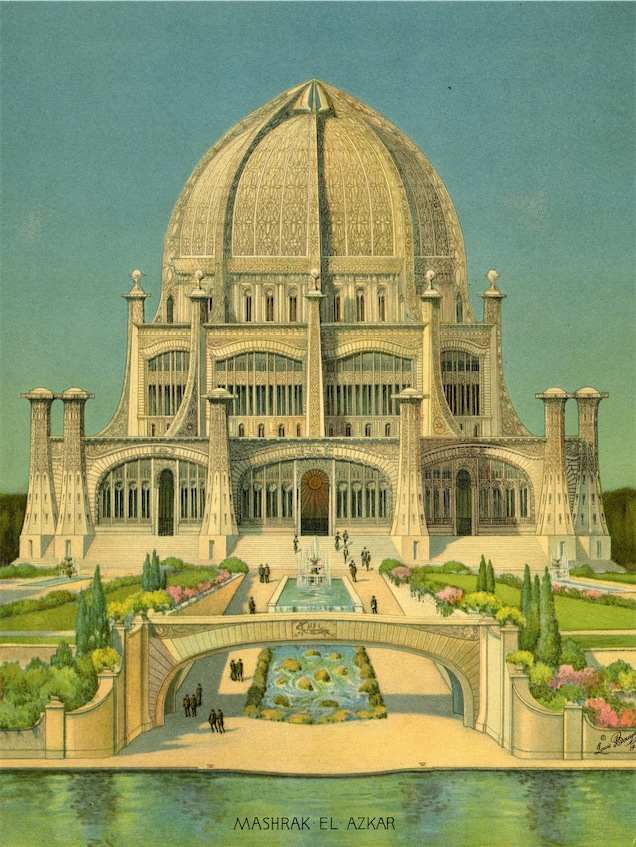
Louis Bourgeois - Baha'i Temple Architectural Design |
|
Baha'i Temple at Night |
Louis
Bourgeois - French Canadian Architect |
|
Colorized Drawing by Louis Bourgeois - Illustrates
Early Plan for the Temple |
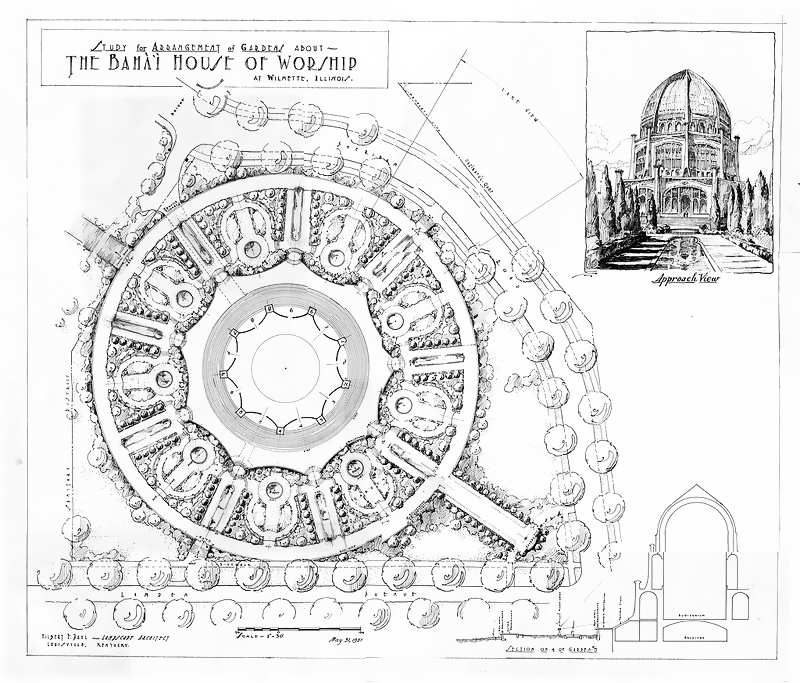
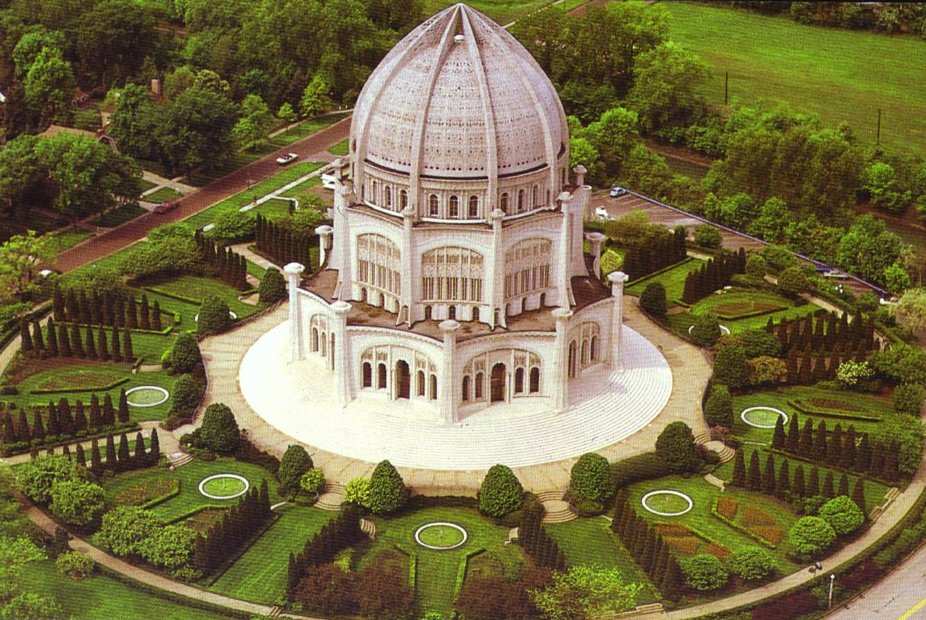
| Bahá’í House of Worship Nine Gardens are part of the sacred
space. The gardens are planted with foliage of various colors and
fragrances to convey the beauty of unity in diversity. The nine
rectangular approaches to the Temple, some incorporating reflecting
pools, are reminiscent of those found in the East. The nine circular
gardens, with round fountains, represent Western landscapes and serve as
outdoor rooms for prayer. |
|
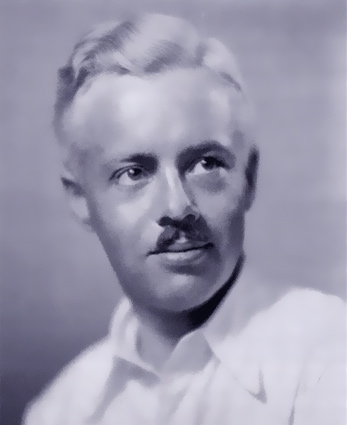
Hilbert Dahl (Landscape Architect) photo circa . . . 1943
- An Elegant and Unified Garden Design |
|
Bahai Temple - Aerial View |
|
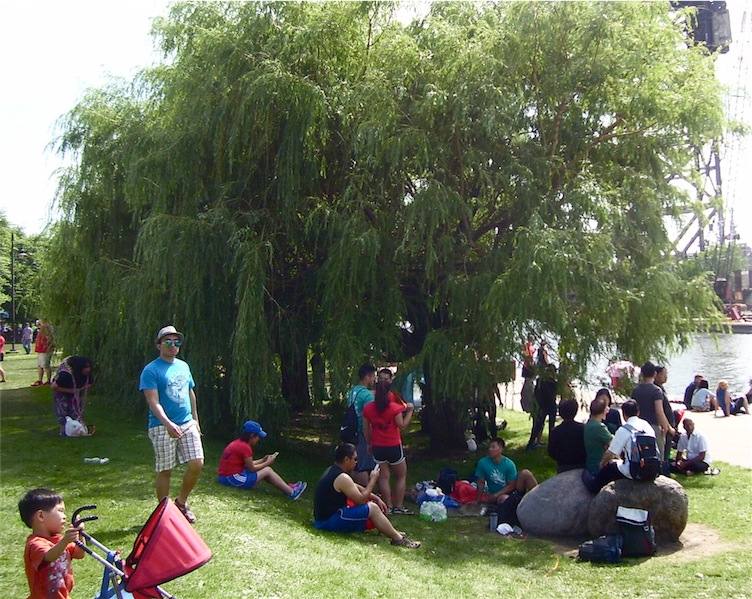
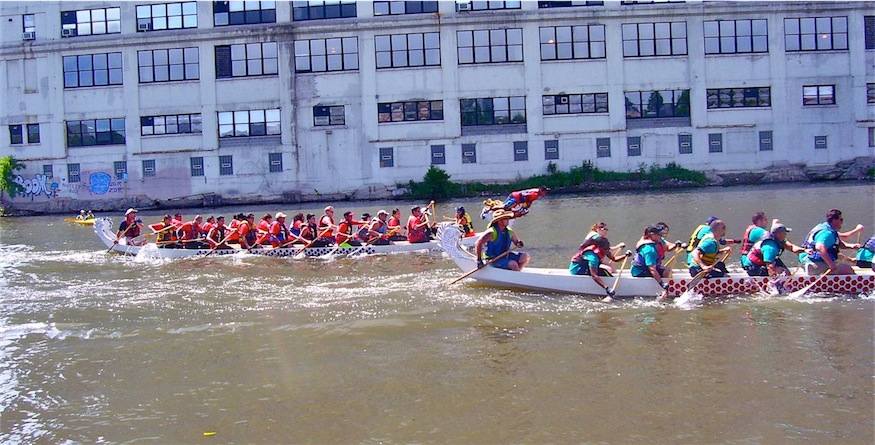
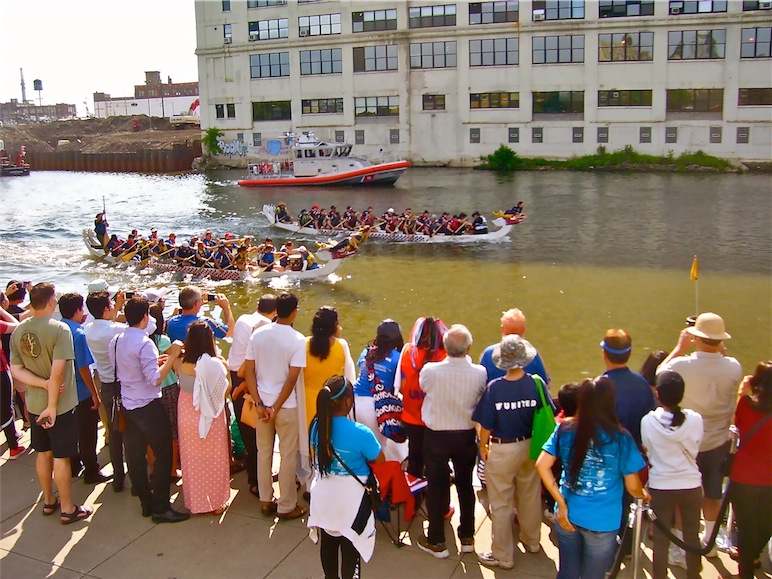
Chicago Dragon Boat Races |
|
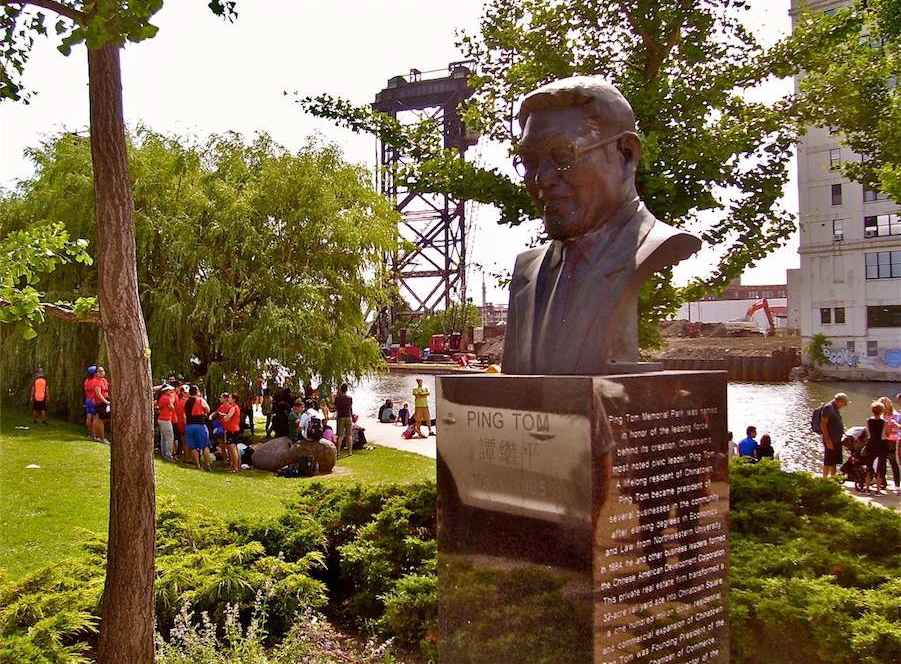
Ping Tom Park - South Branch of the
Chicago River |
|
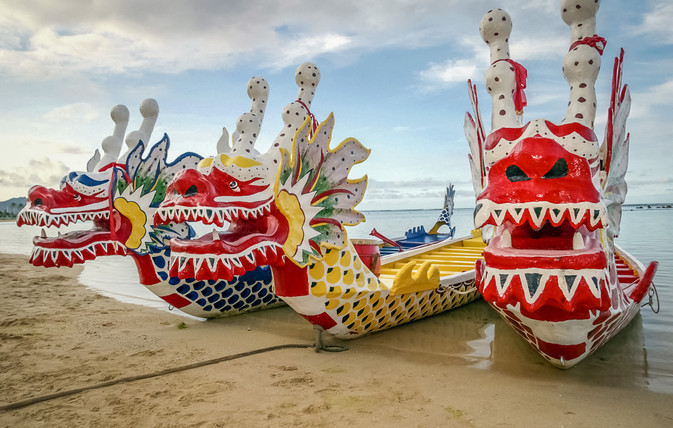 |
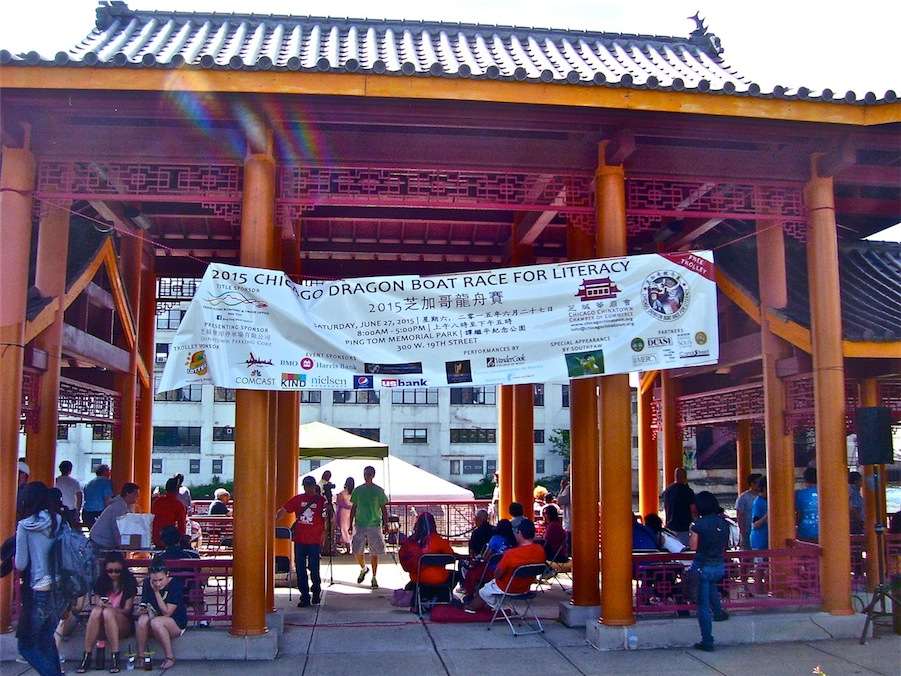
The 15th Annual Chicago Dragon Boat
Races
Ping Tom Memorial Park
300 West 19th Street
Chinatown Chicago
Saturday June 27th, 2015
8:00 am to 5:00 pm
Green Dragon Society
Attended the Races
|
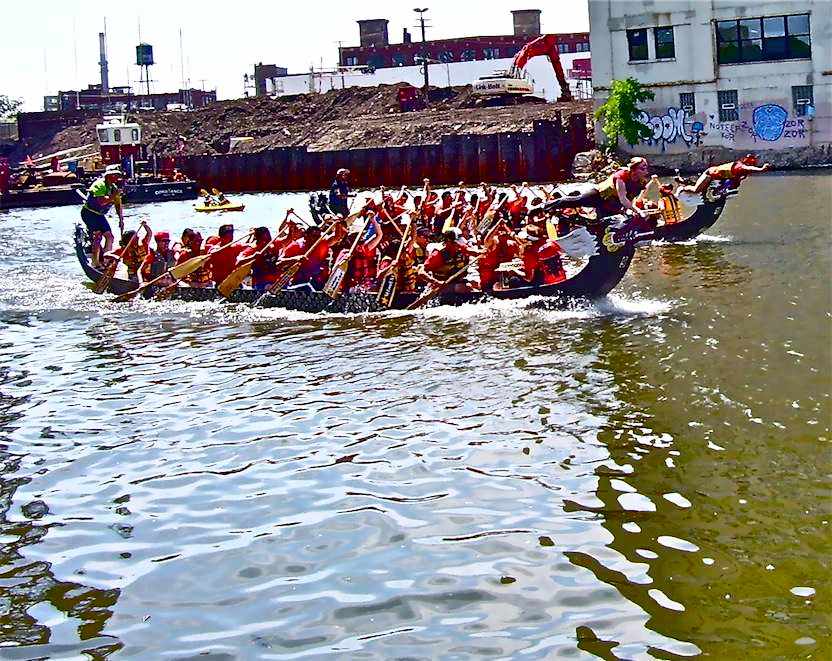
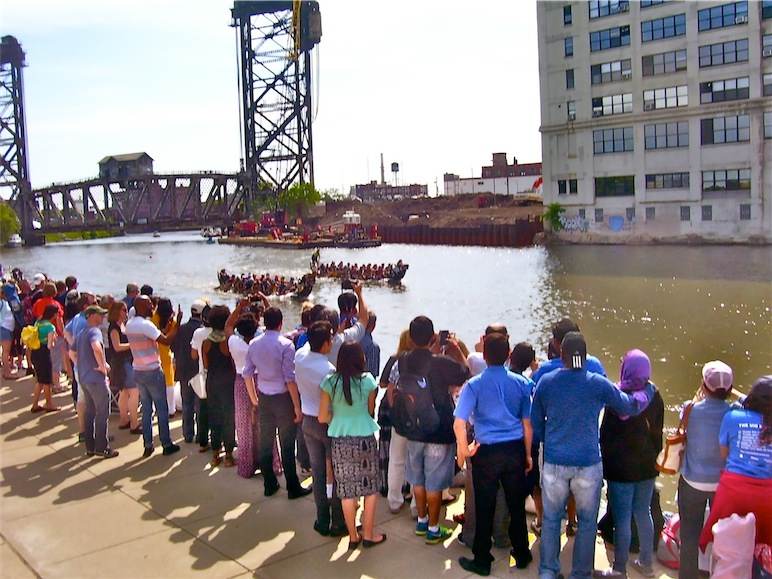
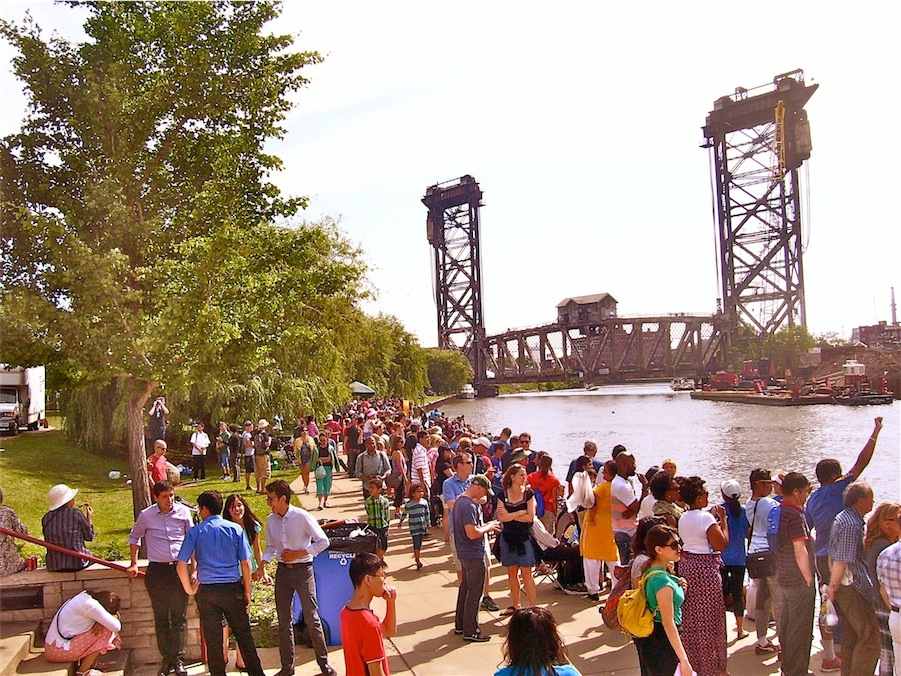
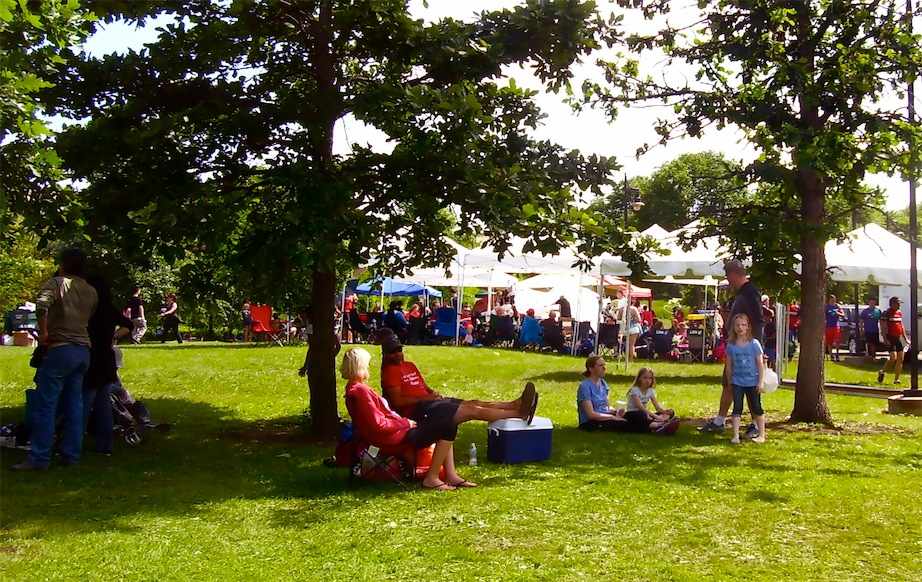
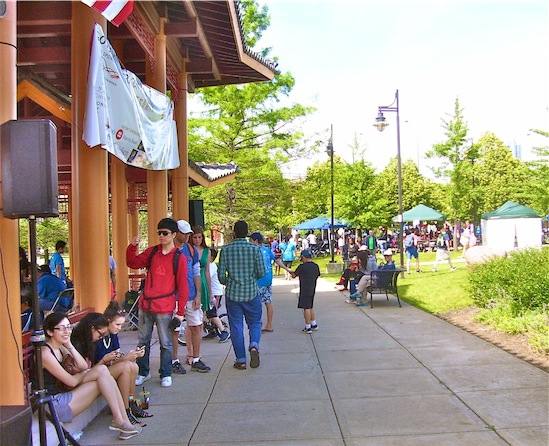
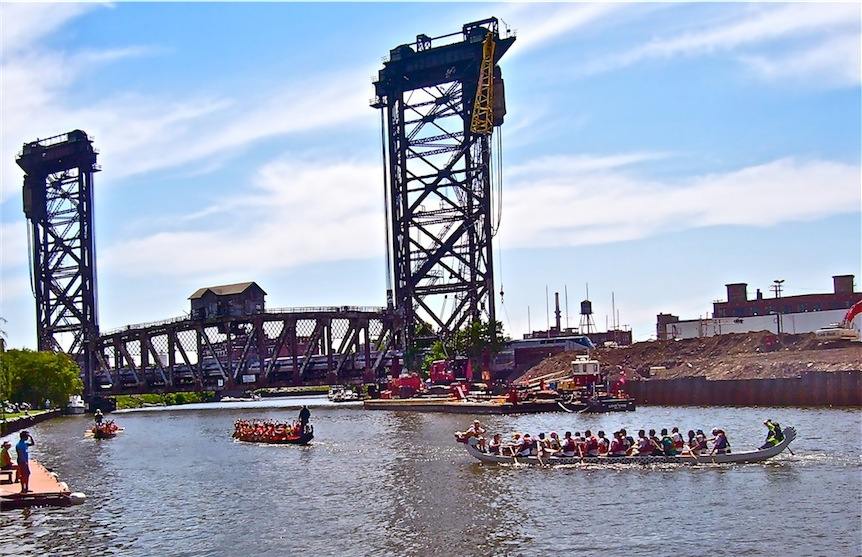
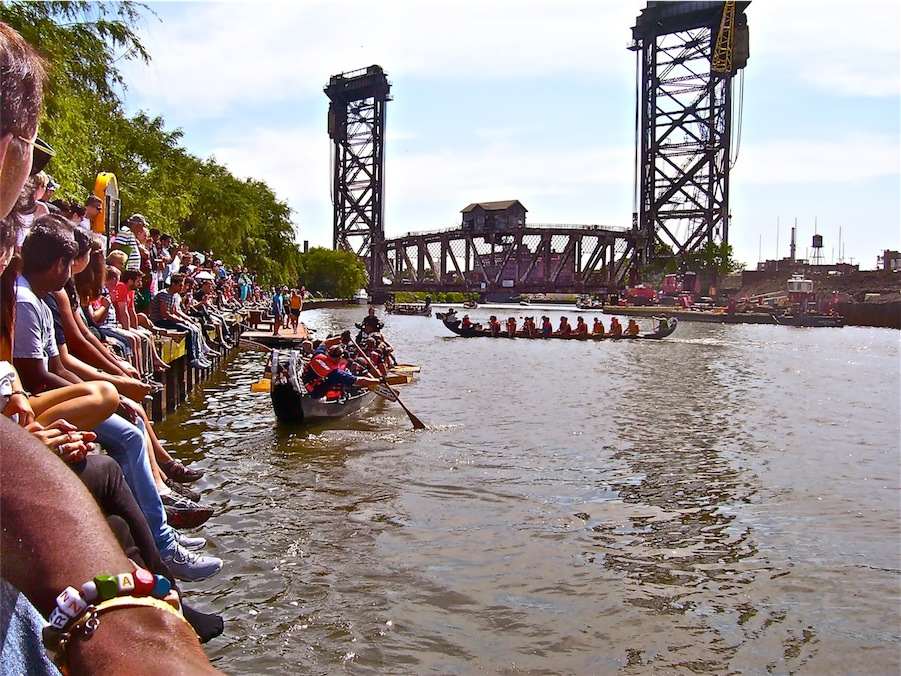
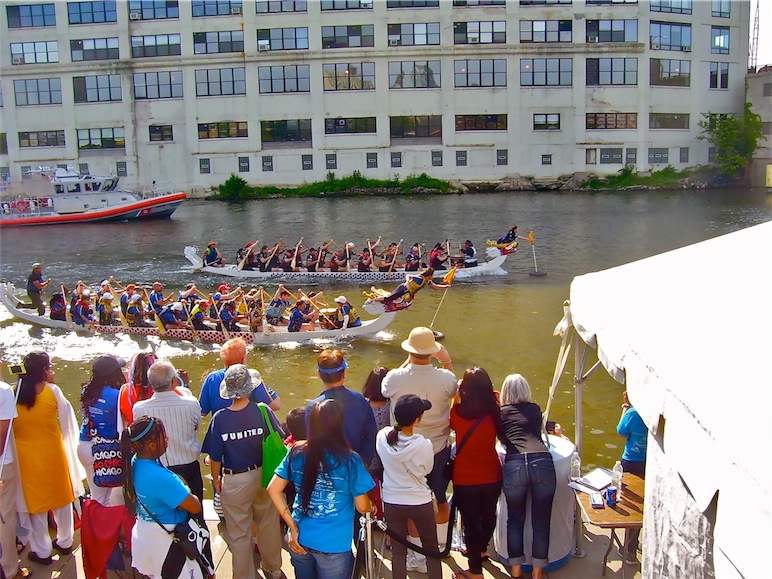
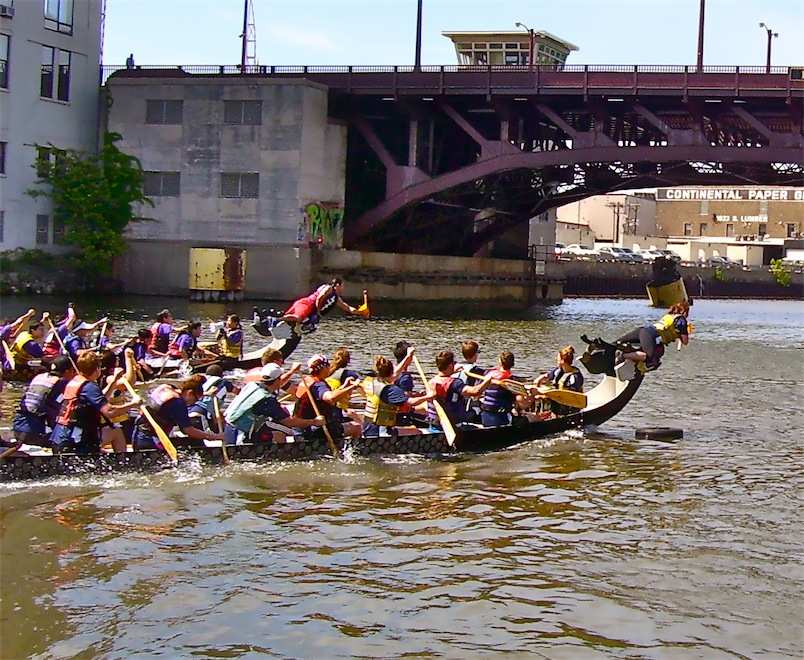
| Chinatown Chamber of Commerce hosted this exciting event
where over 10,000 people attended to watch and participate in the
activities. Proceeds from this year’s race will be donated to support
and promote local literacy, cultural, and diversity programs. The
Chinese Dragon Boat Race dates back to over 2,000 years and is a popular
sport amongst Chinese and Asian communities all over the world.
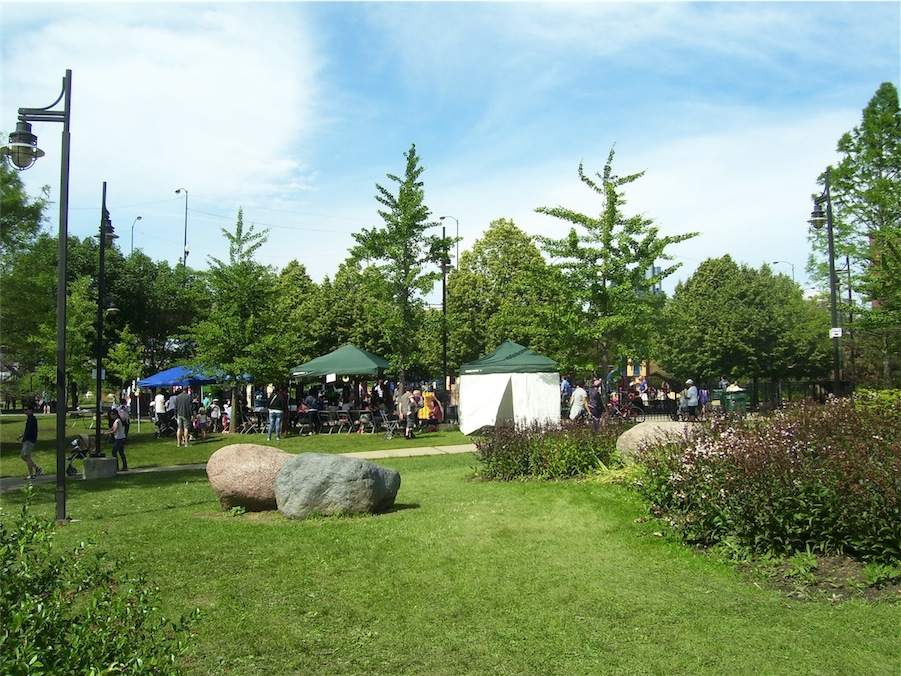
The race was held at the beautiful and picturesque Ping Tom Memorial
Park, with 30 teams competing in this exciting and fast-paced boat
tournament. The competition began at 8:00 a.m. and ended at around 5:00
p.m, with the Awards Ceremony. Opening Ceremonies began at 9:00 a.m.
In addition to the boat tournament, this year’s event featured other
on-land spectacles such as live musical and dance performances,
children’s activities, 9 booth vendors and special guest appearances. |
|
 |
.jpg) |
The origins of Dragon Boat Festival, are shrouded in the murky
depths of China's ancient history. The festival began as a way to
commemorate the suicide of a poet more than 2,000 years ago. The story
centers around a man named Qu Yuan, who was a court official and
accomplished poet in the Kingdom of Chu during China's Warring States
period.
Qu managed to get himself banished and began to roam the countryside
composing poetry. Qu wrote some of the greatest poems in Chinese
literature, which expressed his love for his state and his concern for
its future. Years later, upon hearing that the Kingdom of Chu had
suffered defeat at the hands of its rival Kingdom of Chin, the poet
carried a boulder into a river and drowned himself. Villagers who
respected Qu for his poetry raced out in boats to try and recover his
body.
In China, generations of people, year after year commemorate Qu Yuan by
holding an annual boat race on the day of his death; the fifth day of
the fifth month in the lunar calendar.
Dragon Boat Festival originated in rituals conducted to frighten away
evil spirits. Water splashed by paddles and the rhythmic pounding of
drums were ways to traditionally ward off evil spirits and bad luck. |
|
Qu Yuan (屈原) |
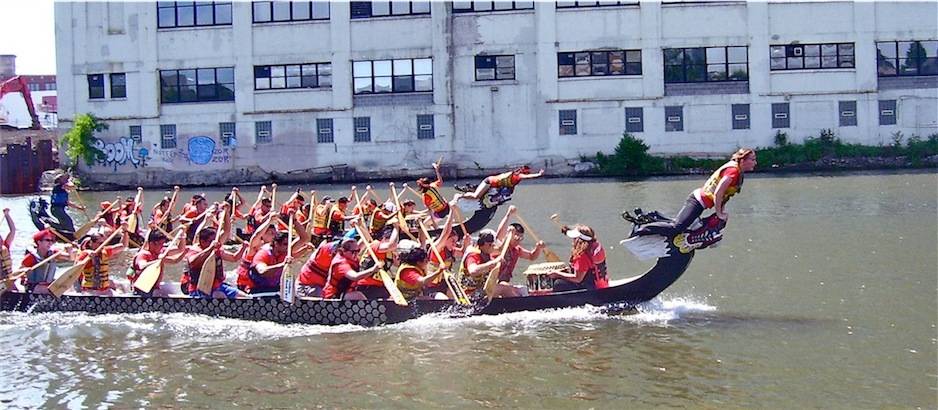
Traditionally, these boats are very long and narrow, canoe type
vessels. |
| They are ornamented with carved and brightly painted Dragon Heads
and Dragon Tails. These boats are signified as strong rulers of rivers
and seas and dominate the clouds and rains of Heaven. The ritual is also
meant to prevent tragedy and encourage rainfall to ensure good harvests. |
|
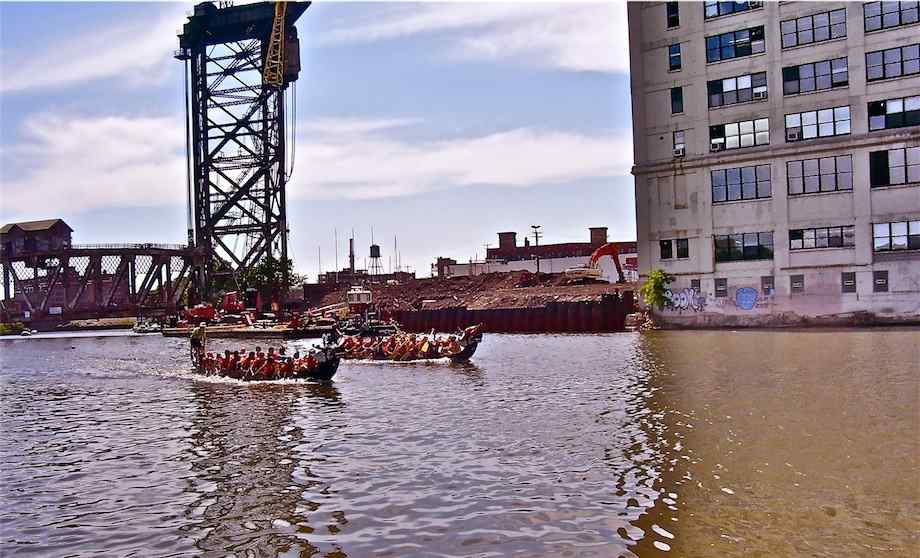
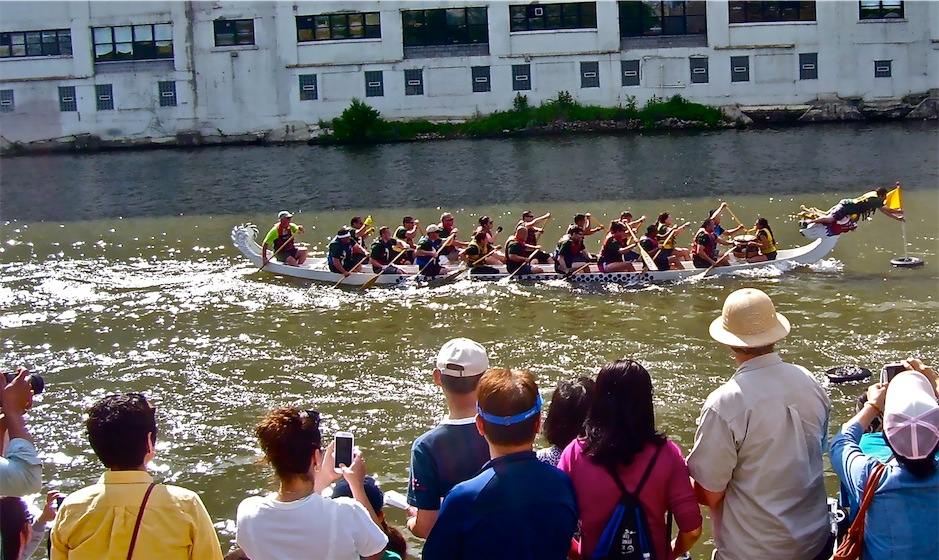
Down the Raceway - Coming into the Home Stretch |
Announcer |
|
Chicago River Coast Guard |
Yellow Flag Retrieval Canoe |
|
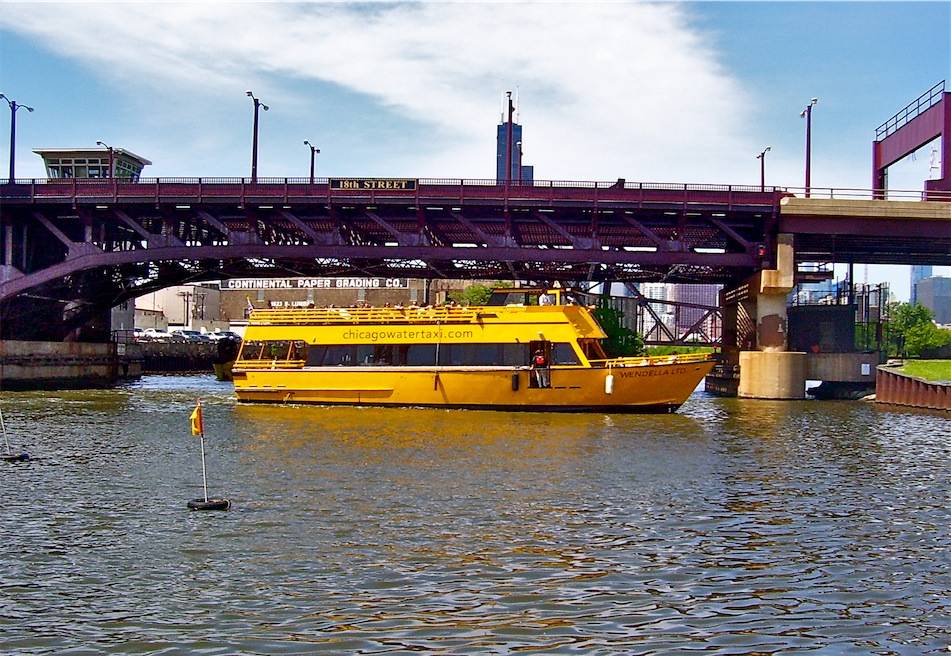
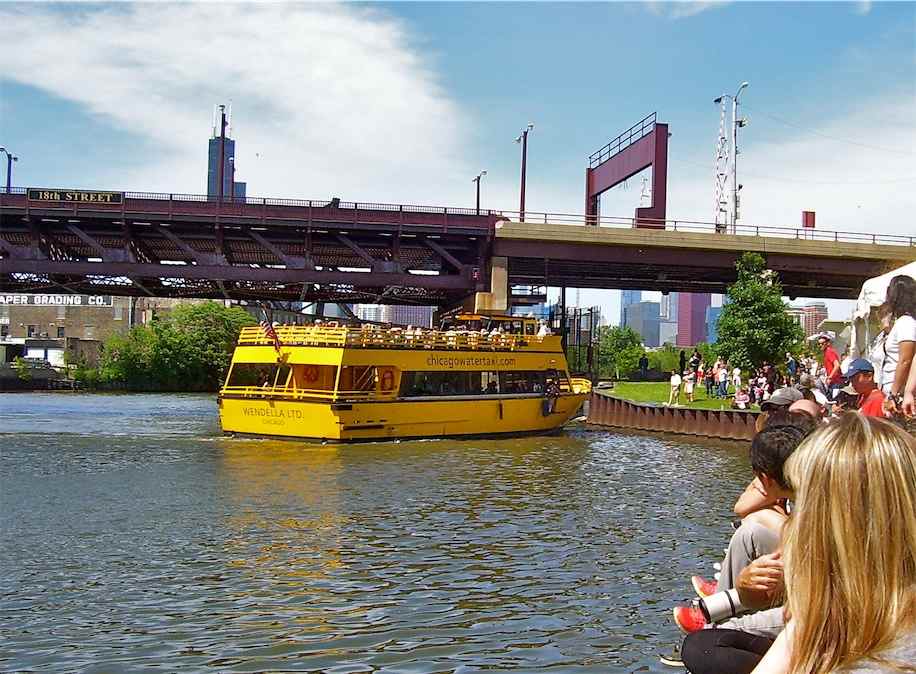
Chicago Water Taxi - Swings into the Dock |
|
Start Line under Railroad Trestle |
|
Head to Head into the Home Stretch |
|
One/Two Action Shots (above & below) |
|
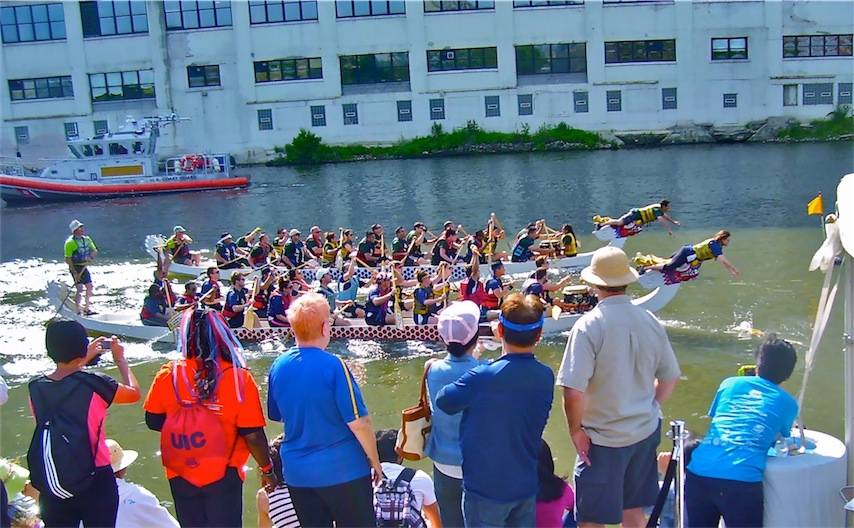
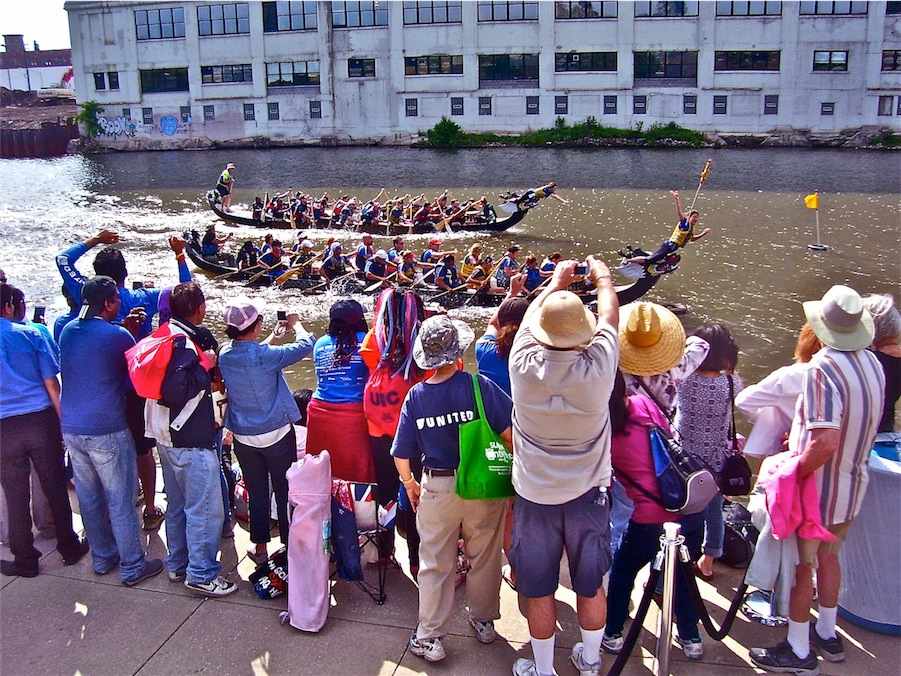
The Race is Won when the Yellow Flag is Grasped and
Dropped |
|
Photo Finish (above & below) |
|
Throwing the Yellow Victory Flag |
|
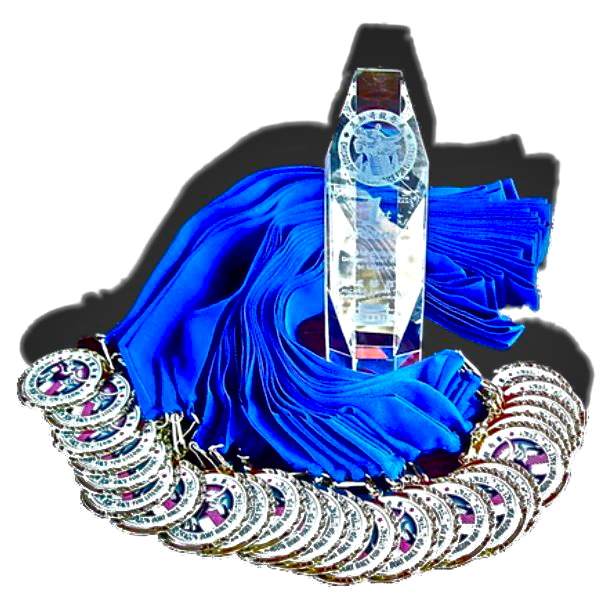
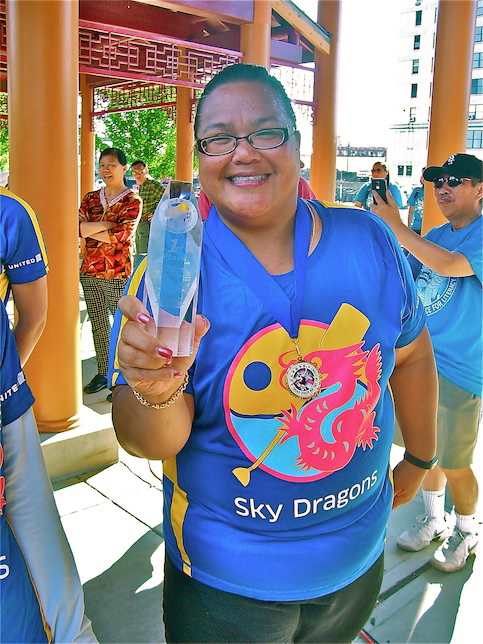
1st Place Trophy and Medals |
|
1st Place Dragon Boat - Sky Dragons |
|
2nd Place Dragon Boat |
3rd Place Dragon Boat |
|
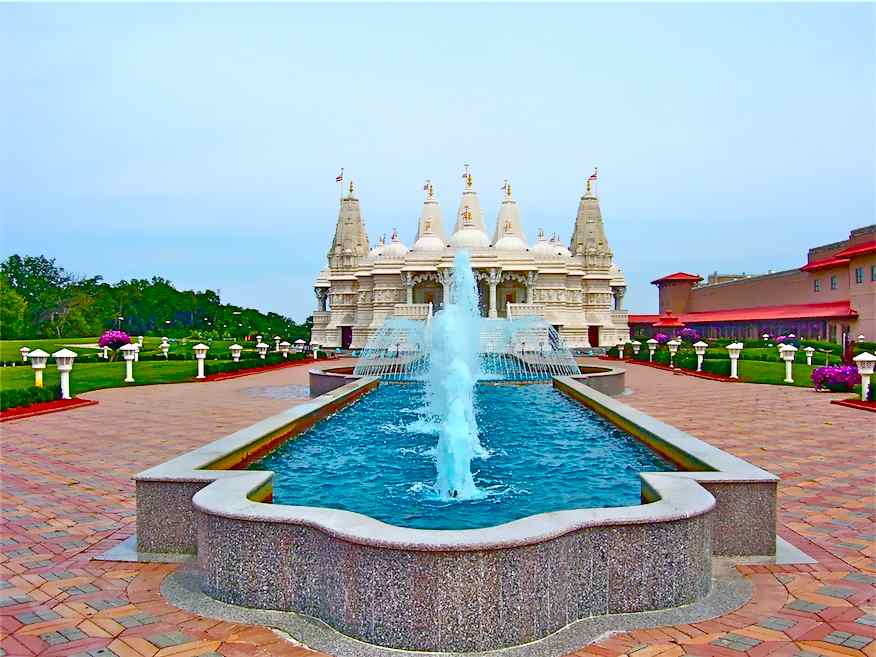
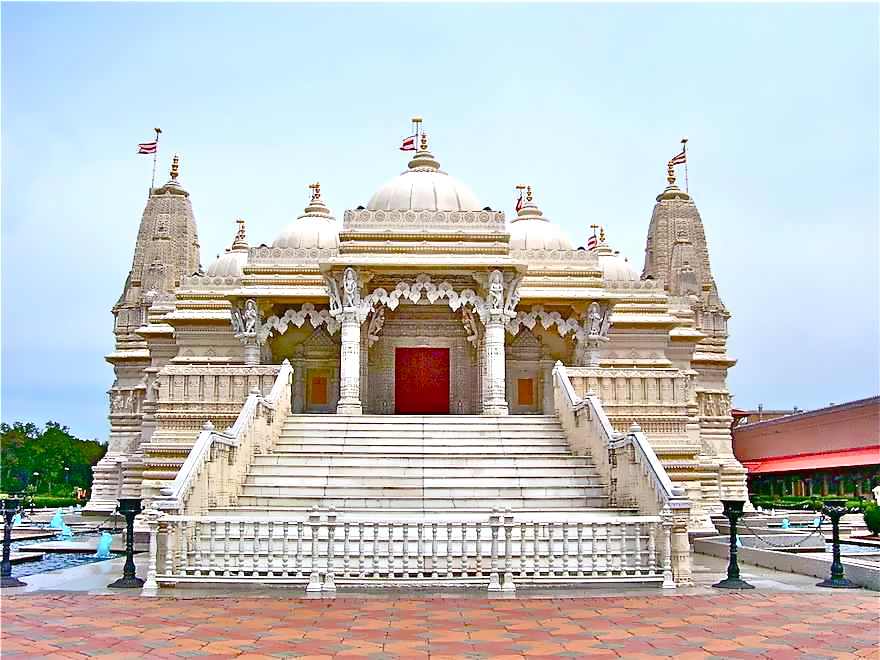
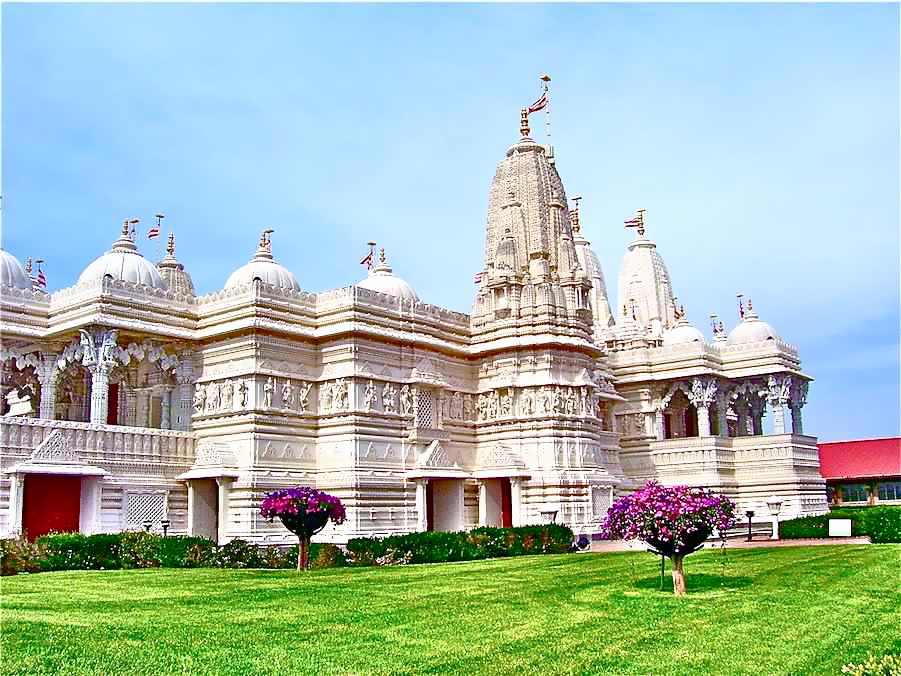
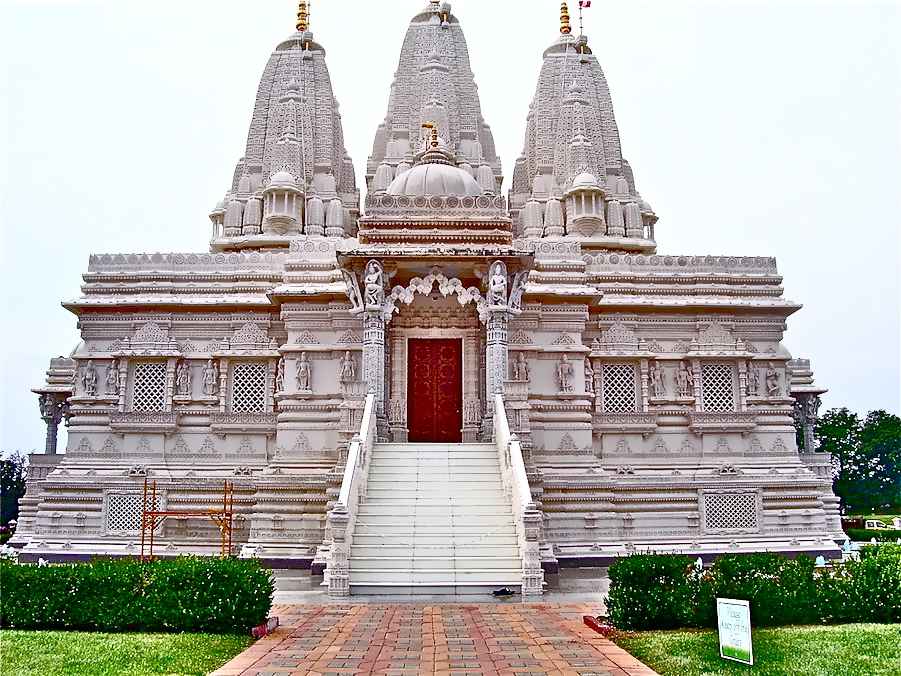
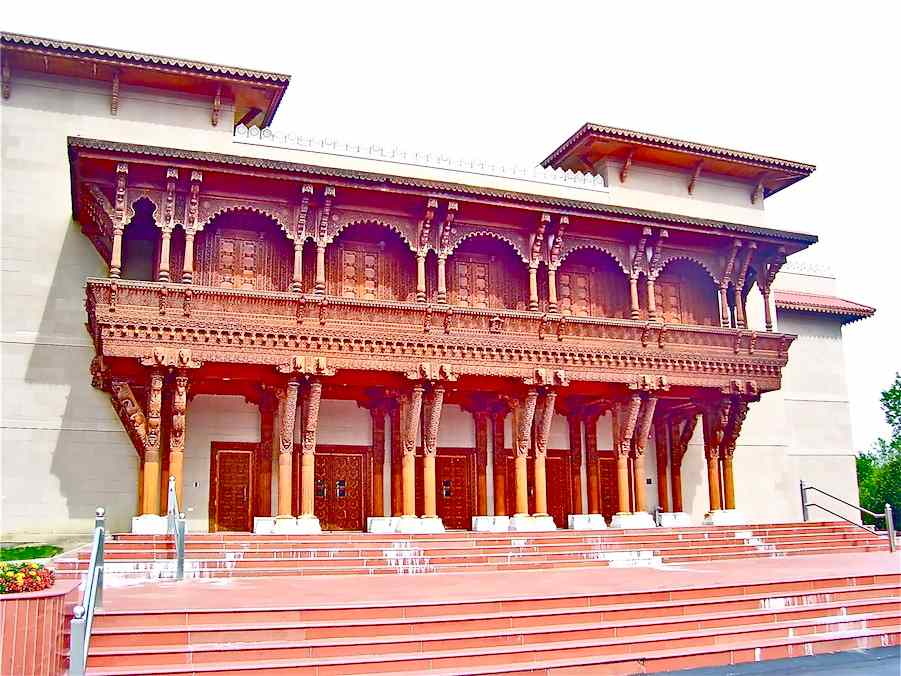
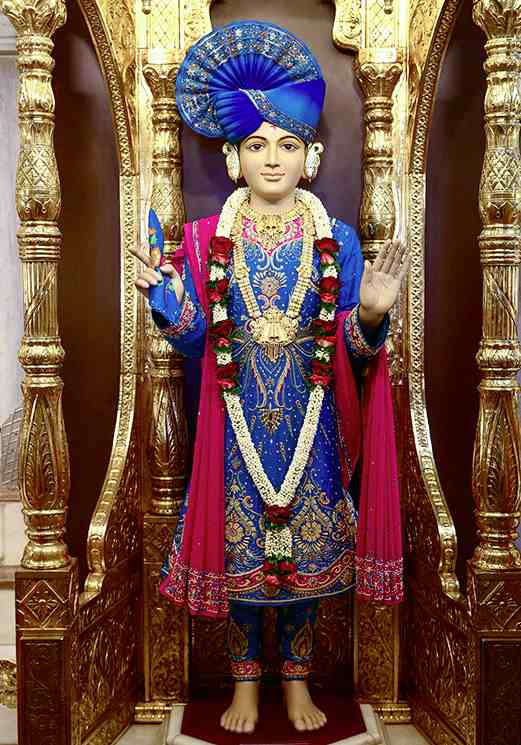
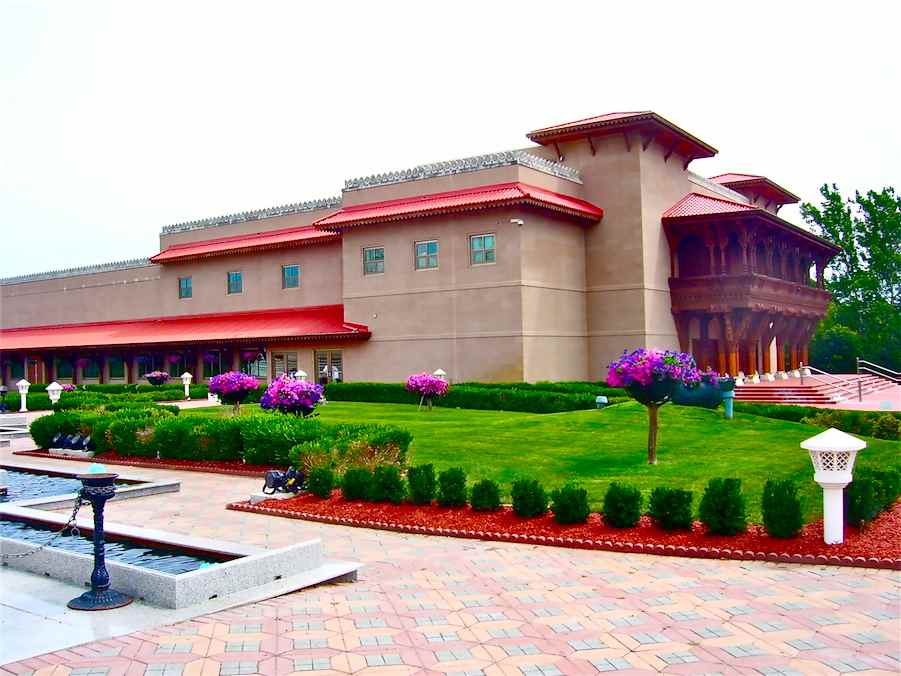
Shri
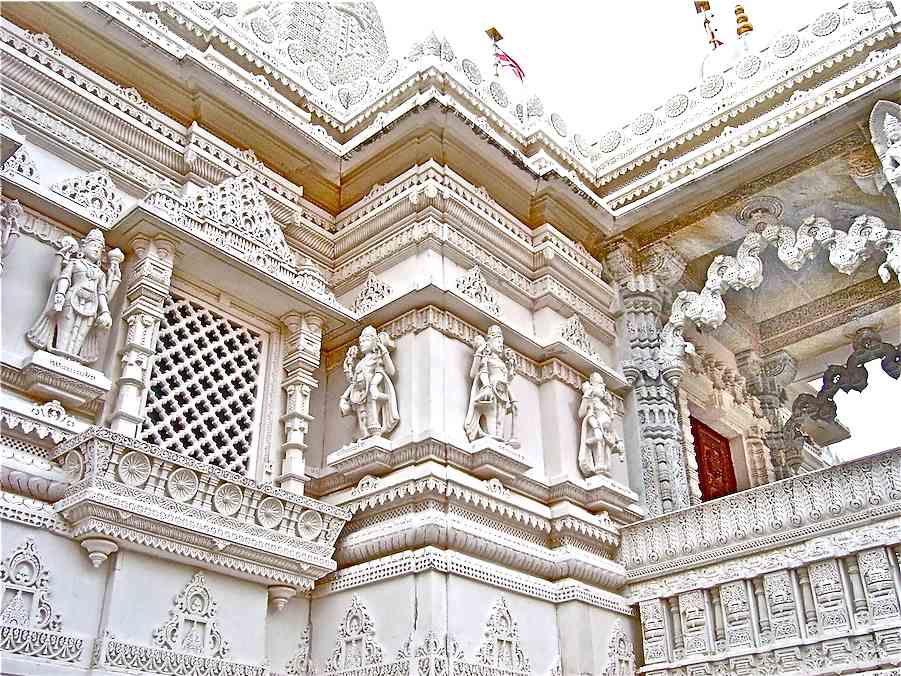
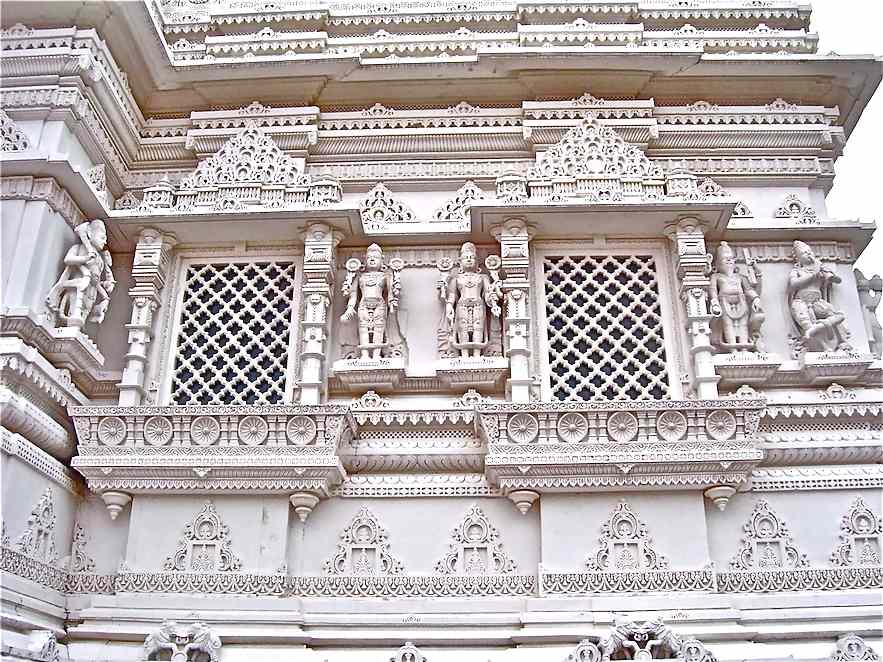
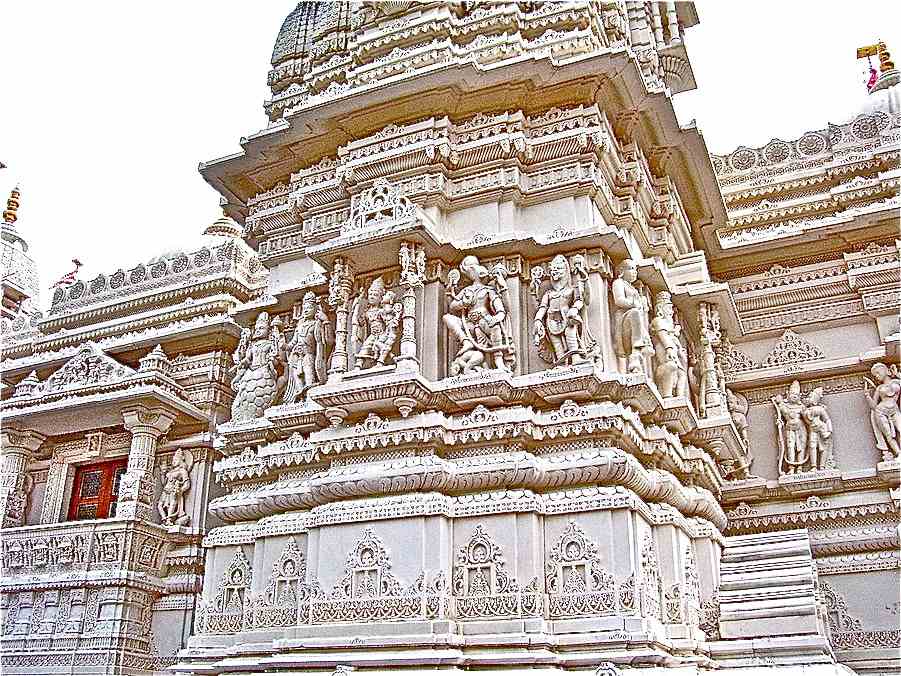
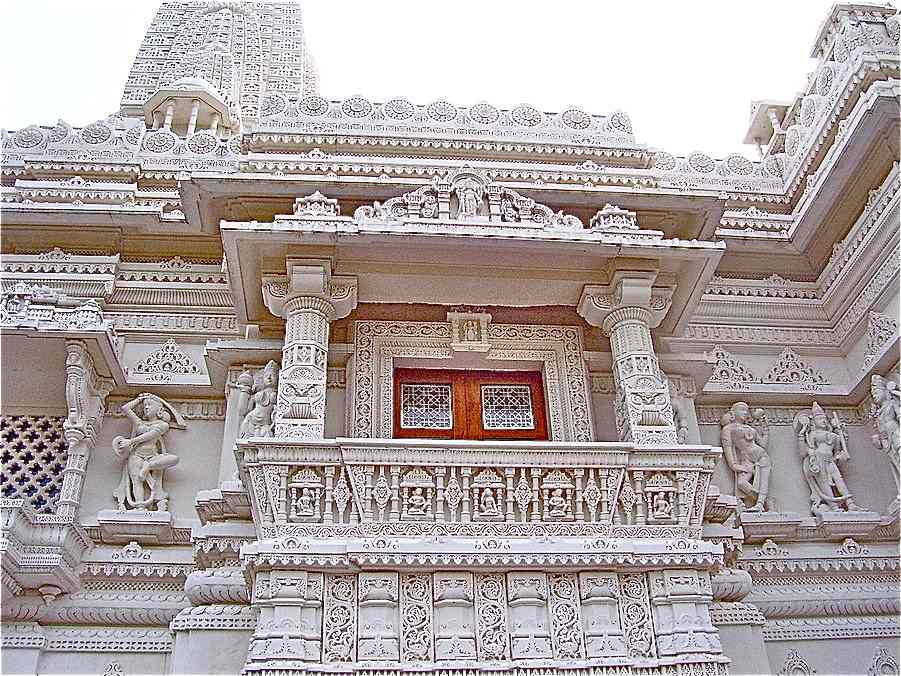
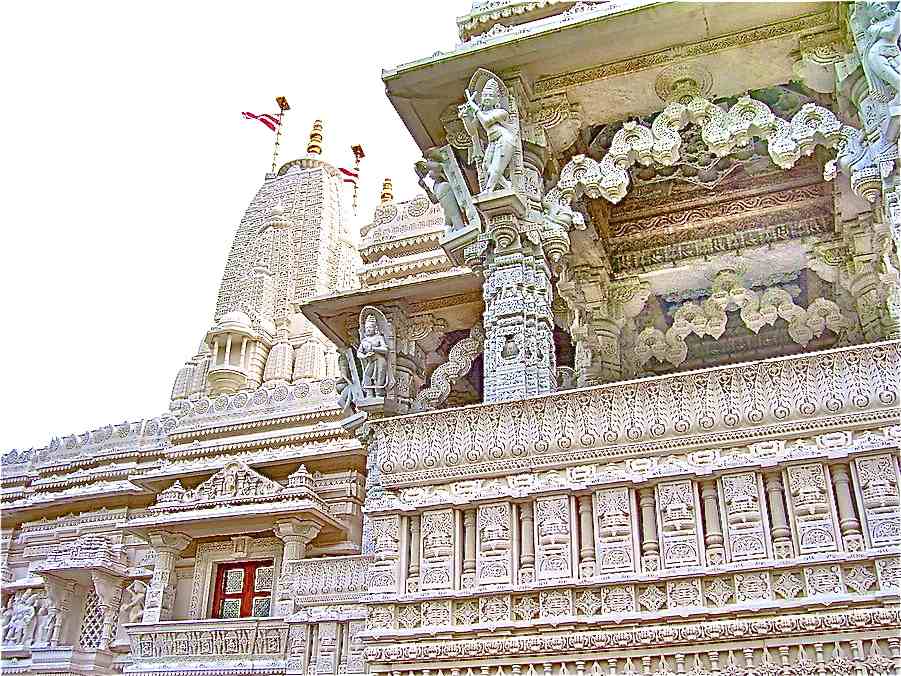
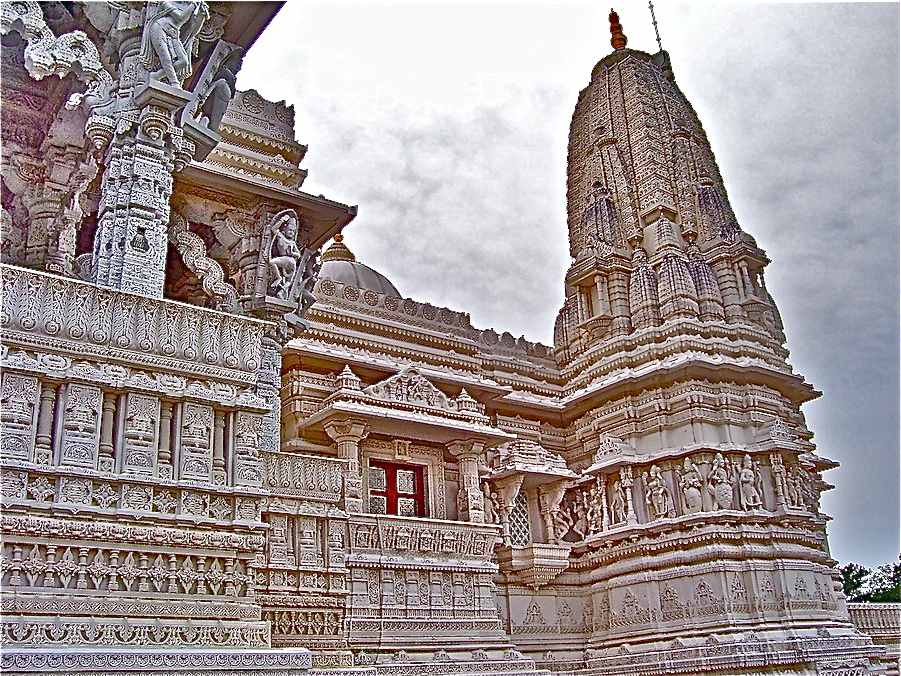
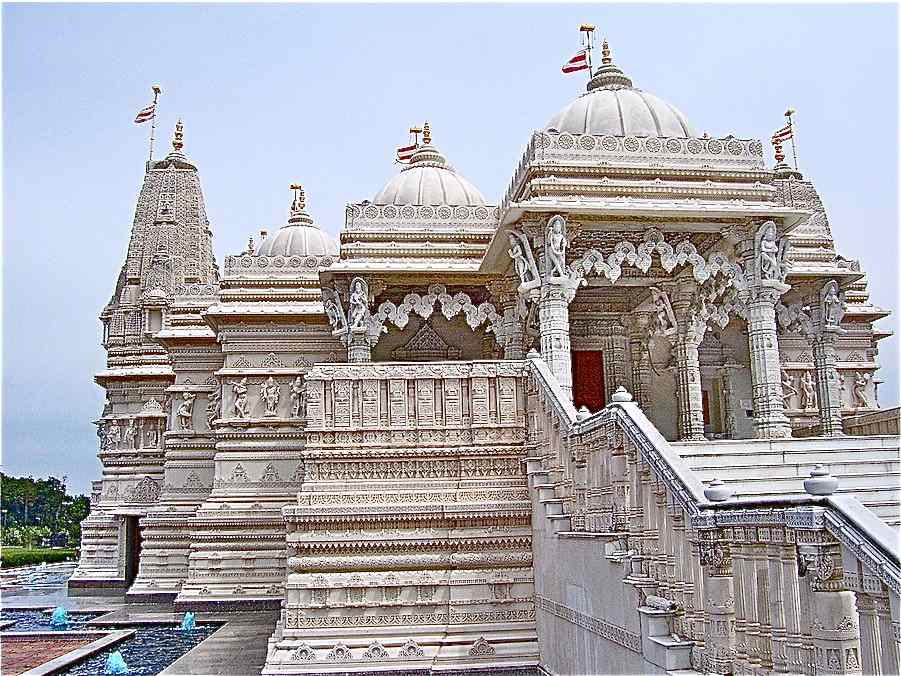
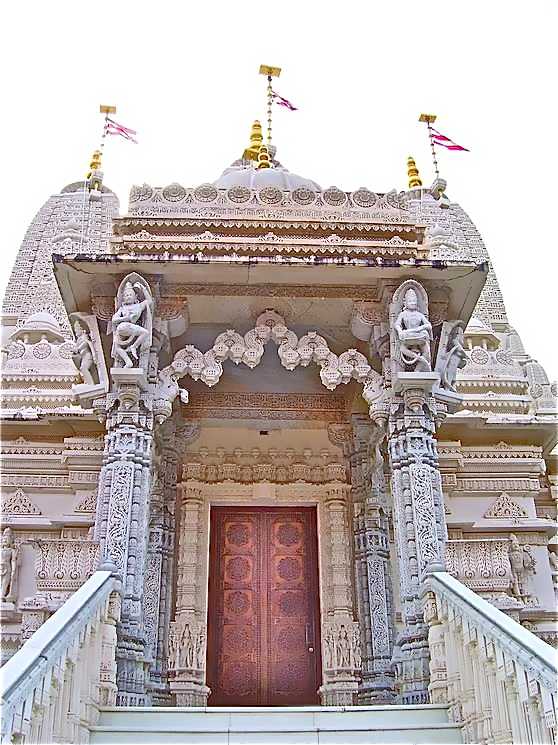
Swaminarayan Mandir Complex |
|
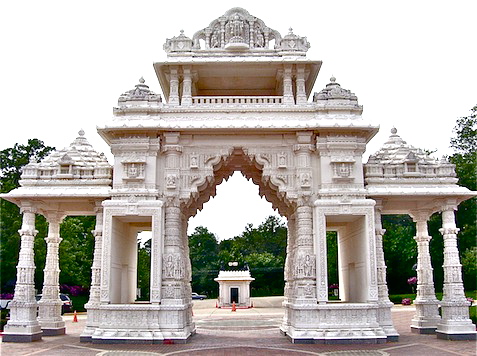
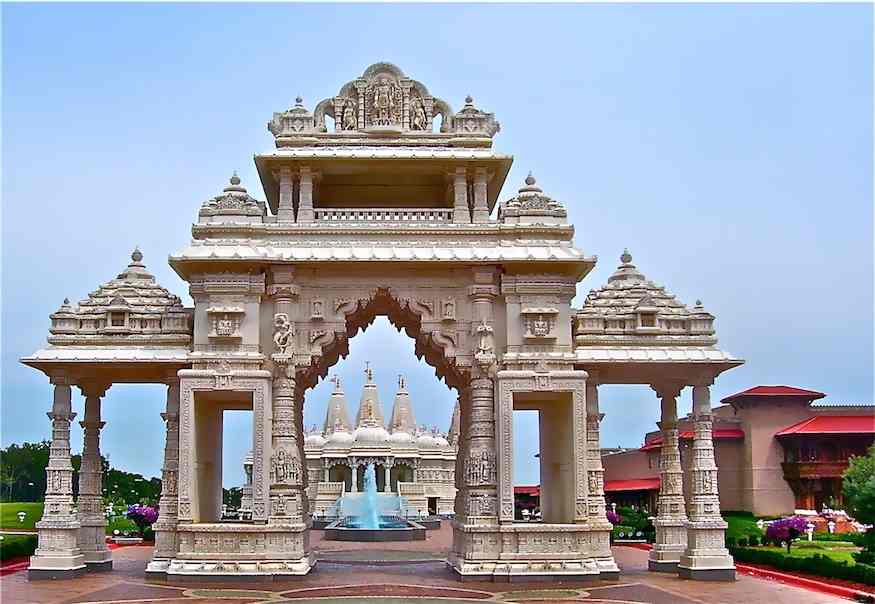
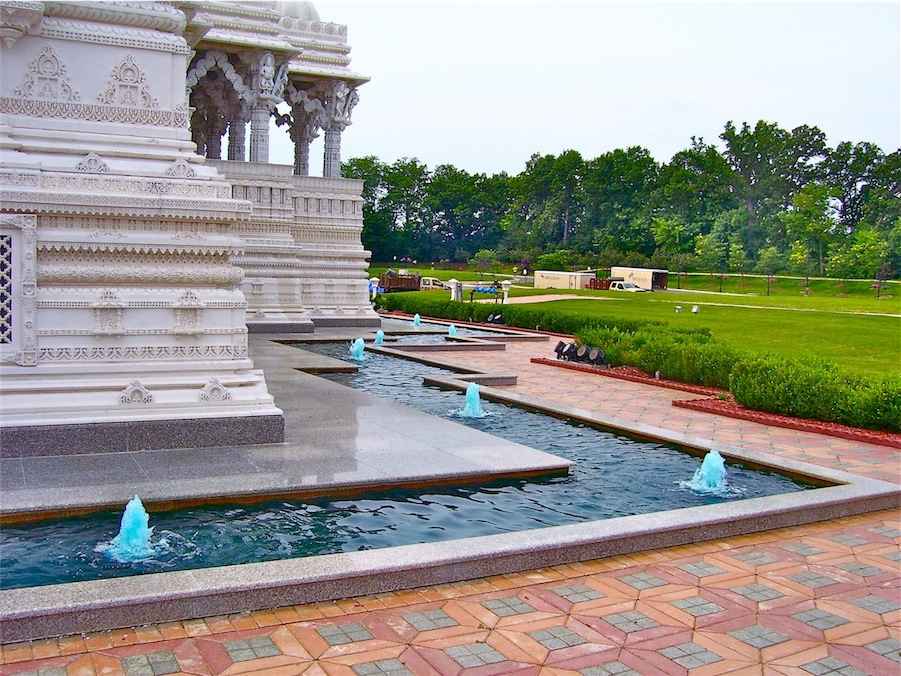
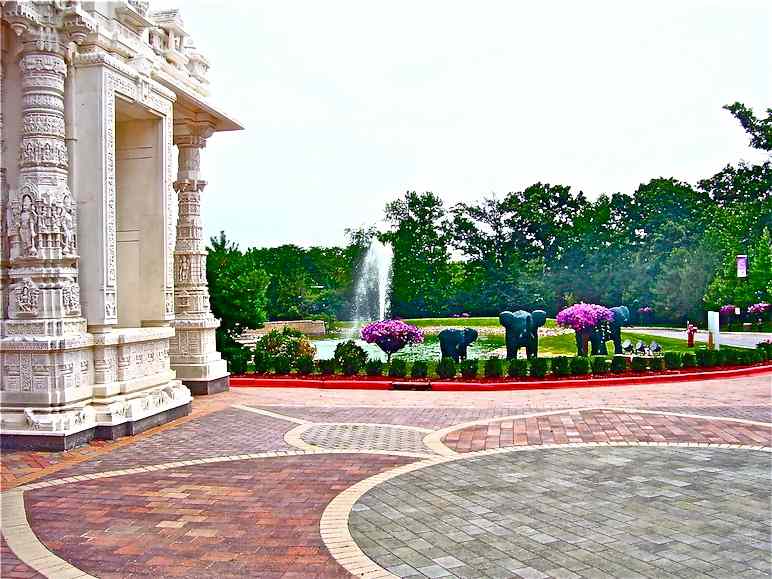
This Traditional Hindu Mandir is a
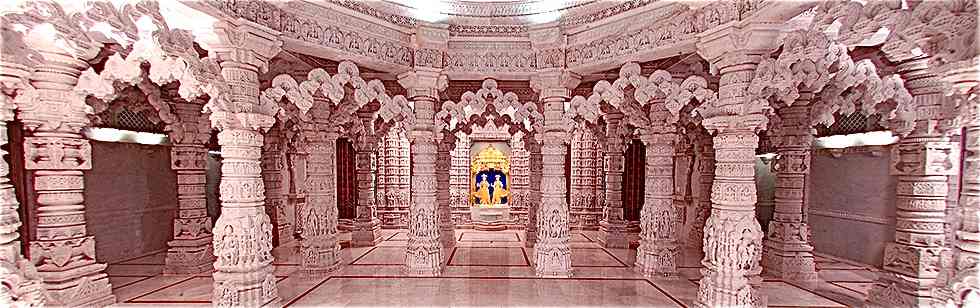
Masterpiece of Exotic Design and Workmanship |
|
Ancient Indian Arts, Tradition and Philosophy are
Encompassed in this House of Worship |
| Over 7,000 tons of Italian Cararra Marble and Turkish Limestone were
hand carved by skilled craftsmen in India and assembled in Bartlett, in
just 16 months. The Mandir is a sacred Hindu place of worship. Art is an
important ritual of the Hindu faith. It is a form of prayer offered to
God in which devotees are reminded of His glorious presence and
compassion. This traditional ritual dates back thousands of years to the
ancient Temples of India. |
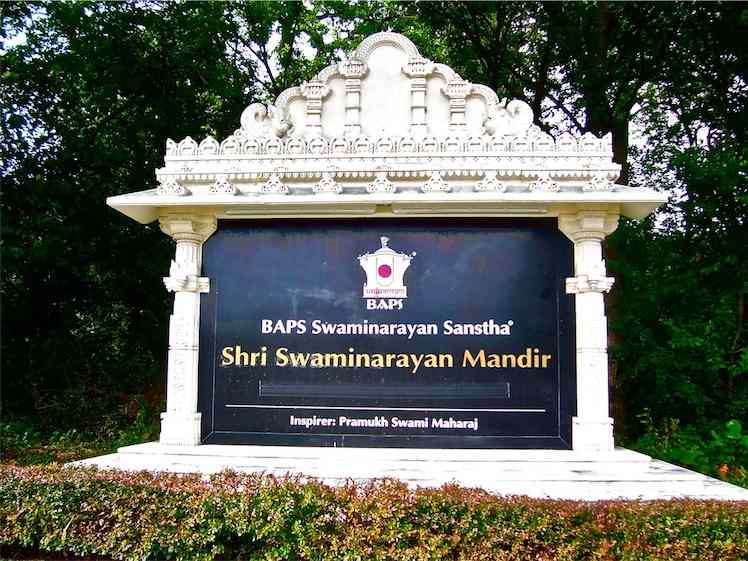 |
Indian Temple Bartlett
BAPS
Shri Swaminarayan Mandir
4N739 IL Route 59
Bartlett Illinois
(630) 213-2277
Open to Visitors - 9am to 7:00pm Daily
Friday - July 24th, 2015
Green Dragon Society
Visited Temple |
|
The Shri Swaminarayan Mandir is a
Complex of Sacred Buildings and Gardens
All Structures are Interconnected by Underground Tunnels
The Temple is as Intricate Inside as it is Outside |
|
Entrance to the Complex is made through the Haveli
(Wooden) Front Doors |
|
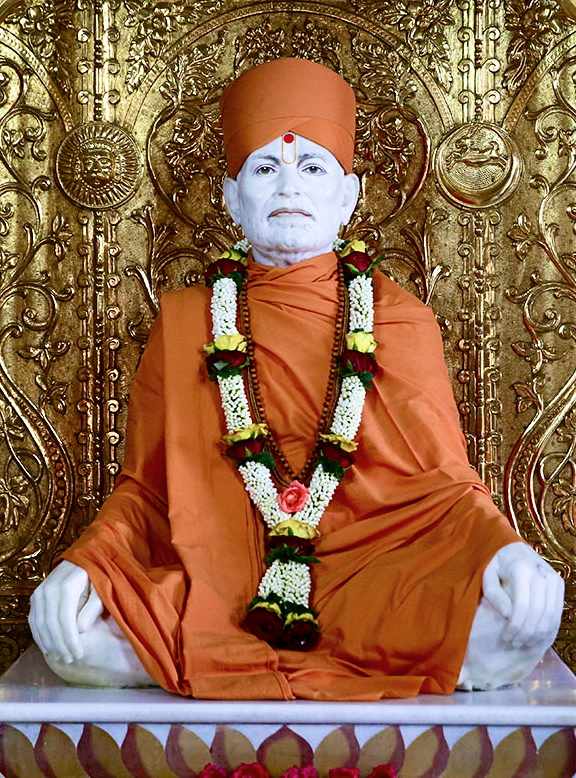
Brahmaswarup Shastriji Maharaj |
Founder - Bhagwan Swaminarayan |
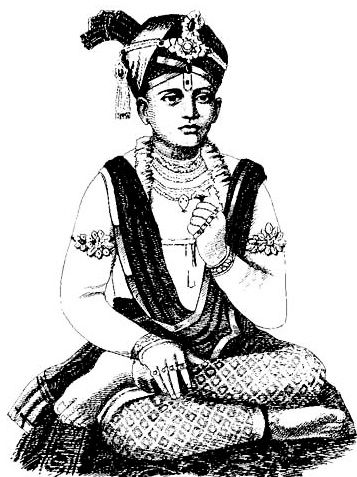
Shri Ghanshyam Maharaj |
| Bhagwan Swaminarayan’s life and work has not only influenced
communities in Gujarat, India but has affected change throughout the
world. He reestablished Hindu Sanatan Dharma, cleansing traditions and
rituals of the impurities that had seeped in over time. His
contributions have been hailed by Hindus and dignitaries of other faiths
as truly transforming the lives of millions of individuals. He improved
societal standards and, most importantly, the innate nature of people,
eradicating them of lust, anger, greed, and envy. |
|
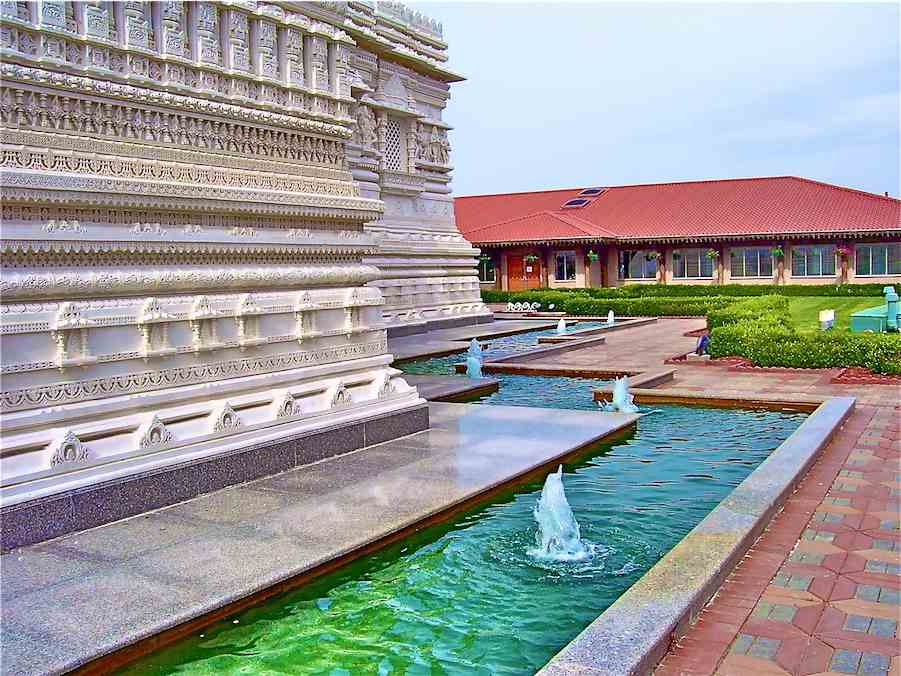
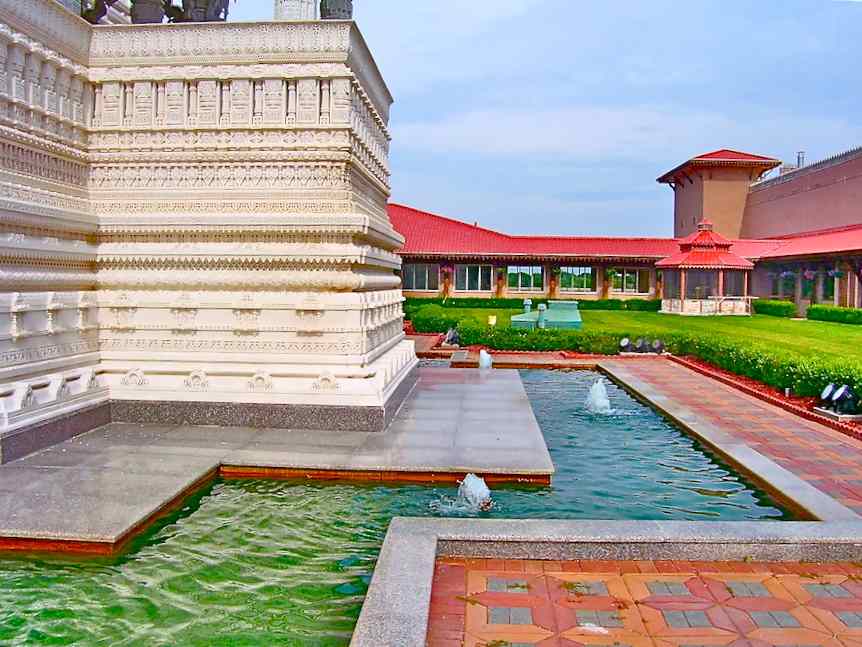
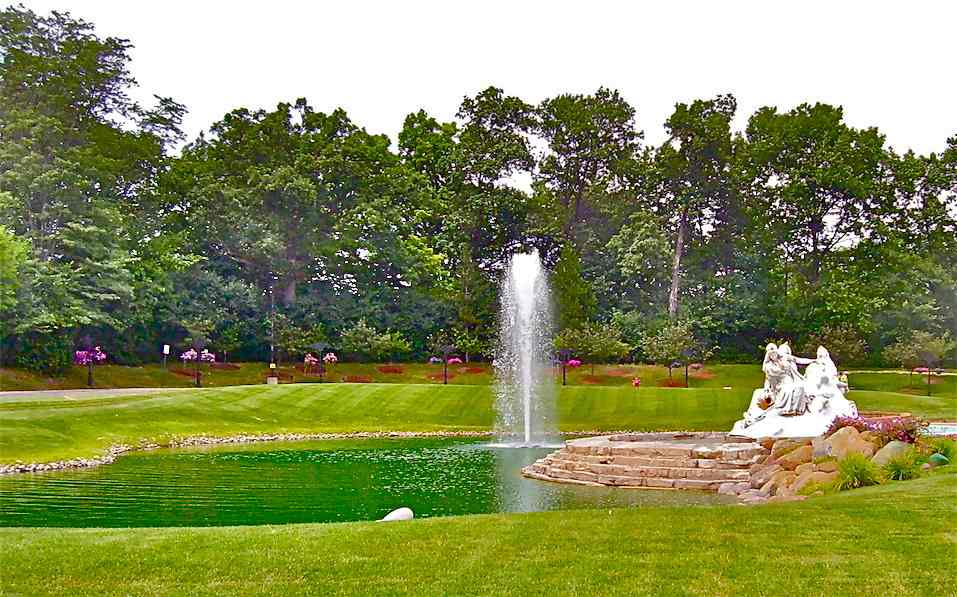
Fountains and Green Pools |
|
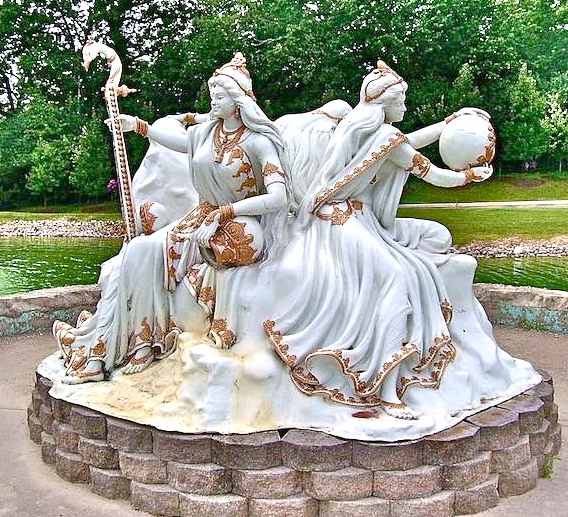
Architectural
and Sculptural Details |
|
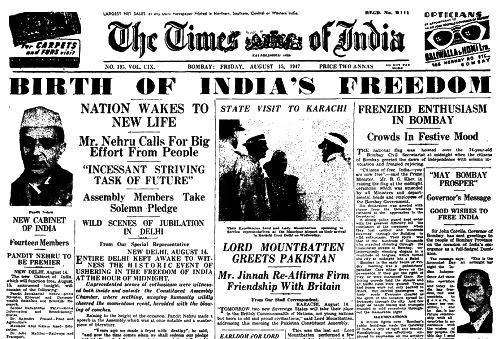
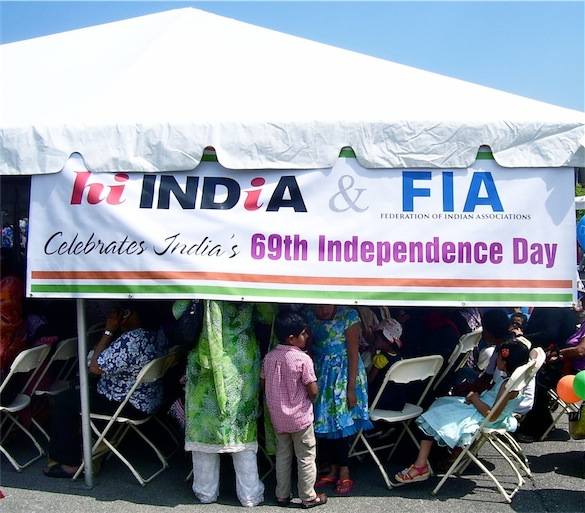
India Attained Independence on
August 15th, 1947
After a Great Political and Social Struggle |
|
The Holy Conch (Shanka) was Blown to
Herald the "Birth of a New Nation"
At the stroke of the Midnight Hour! |
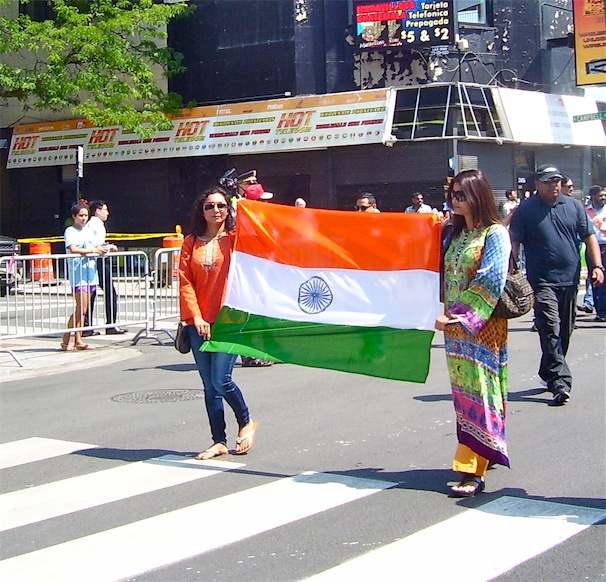 |

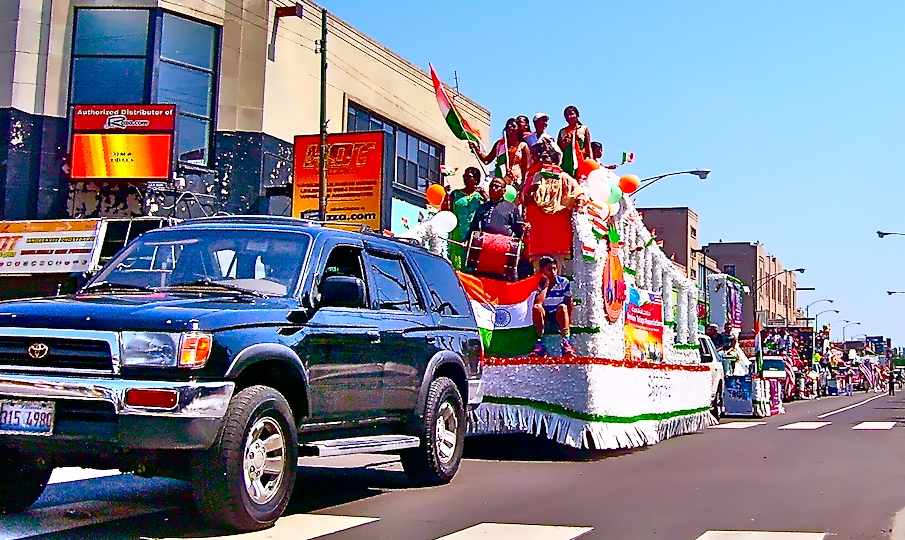
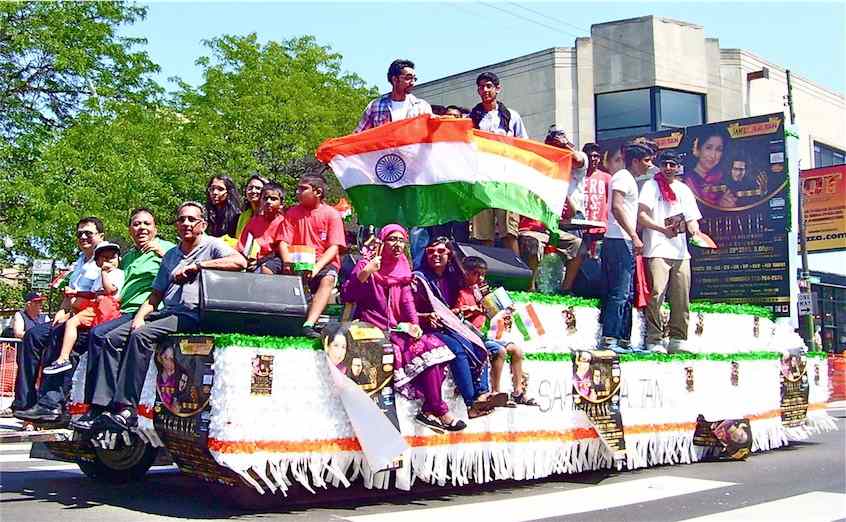
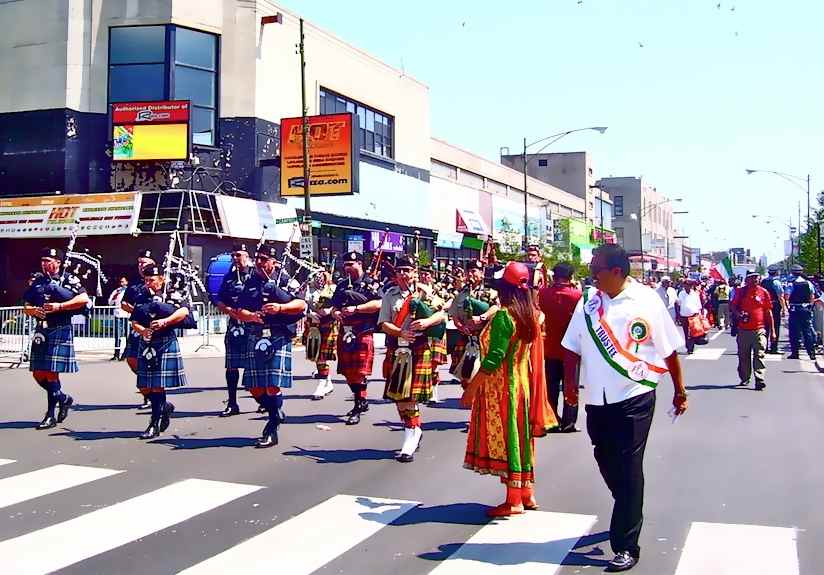
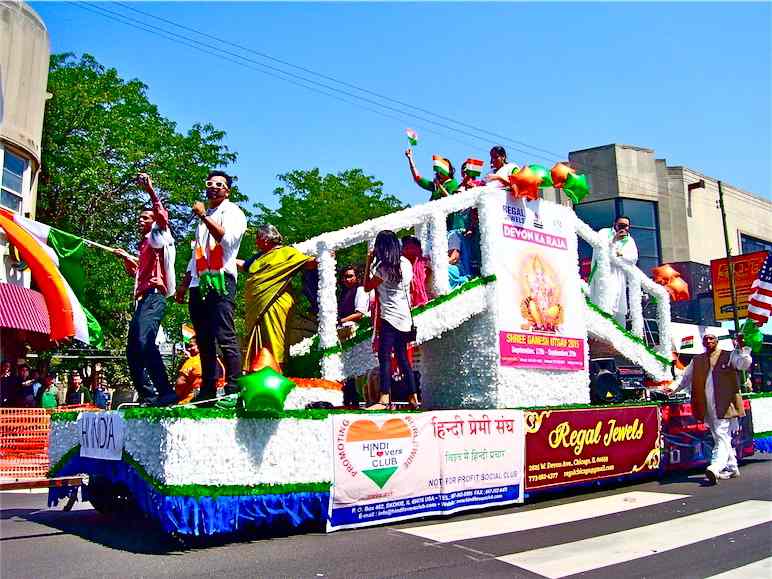
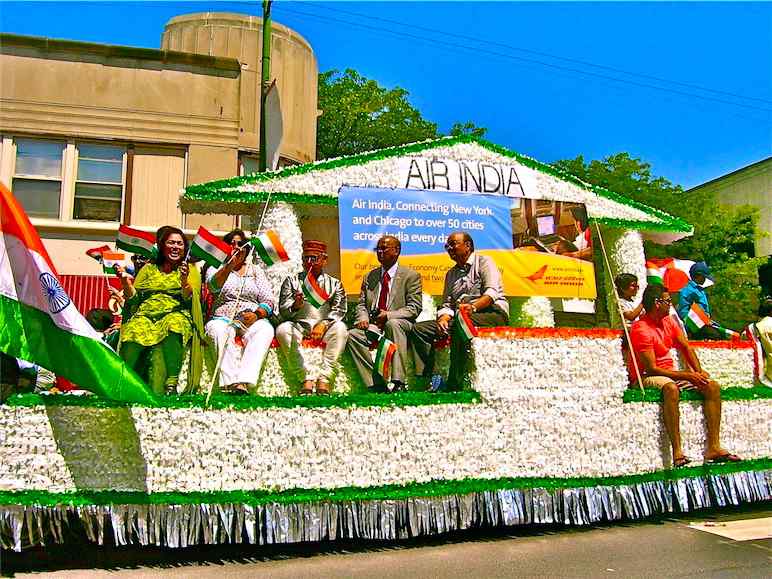
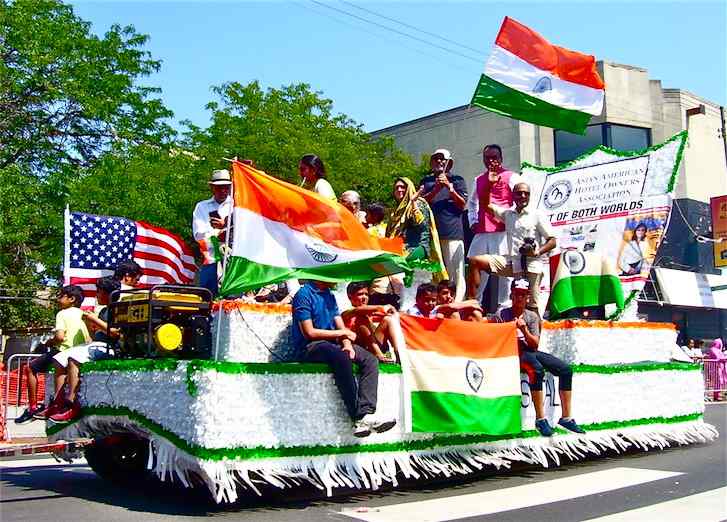
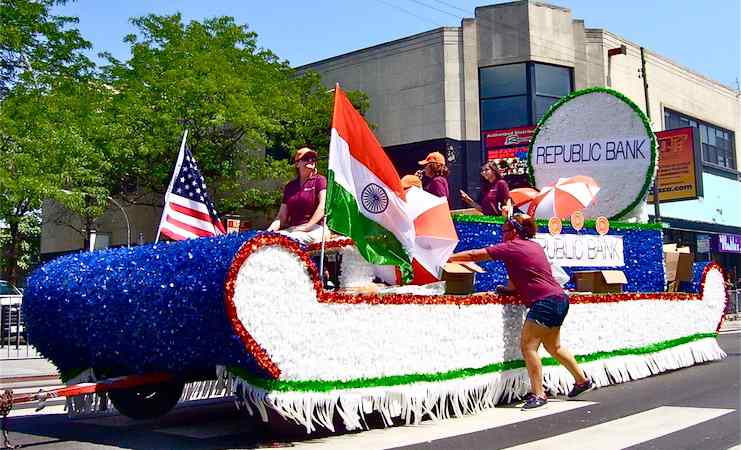
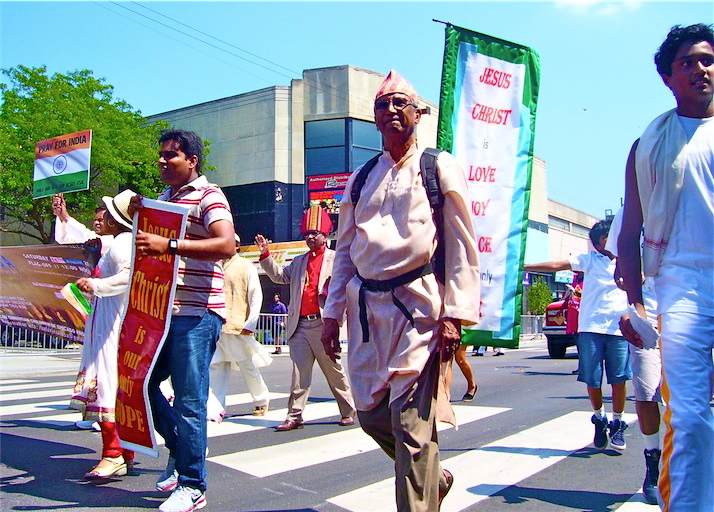
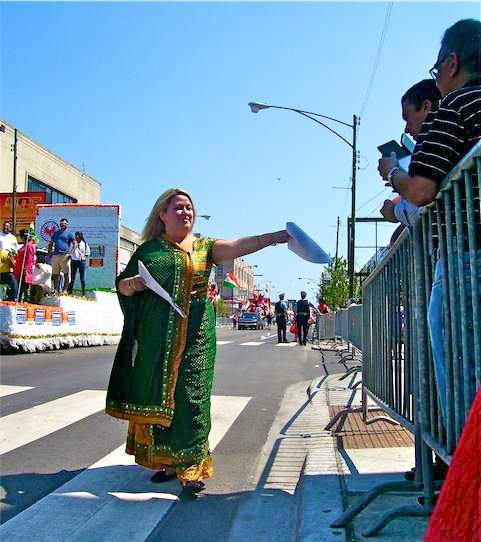
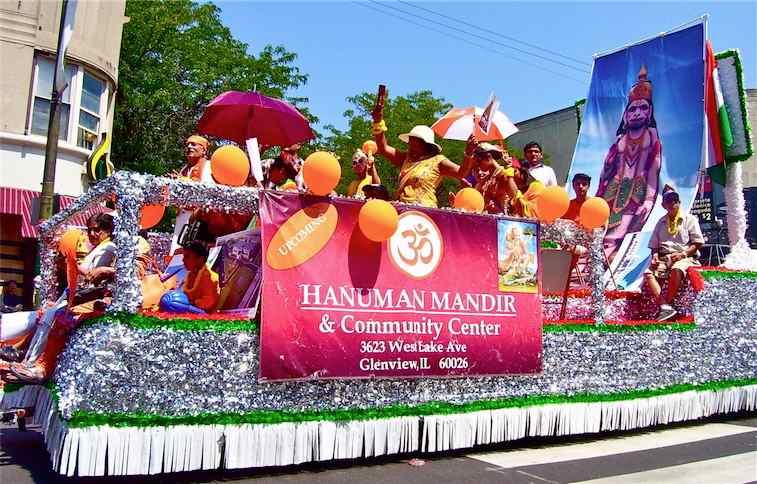
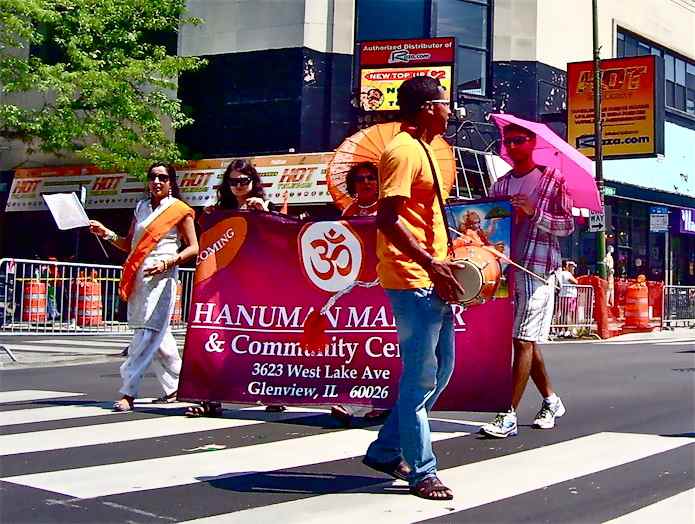
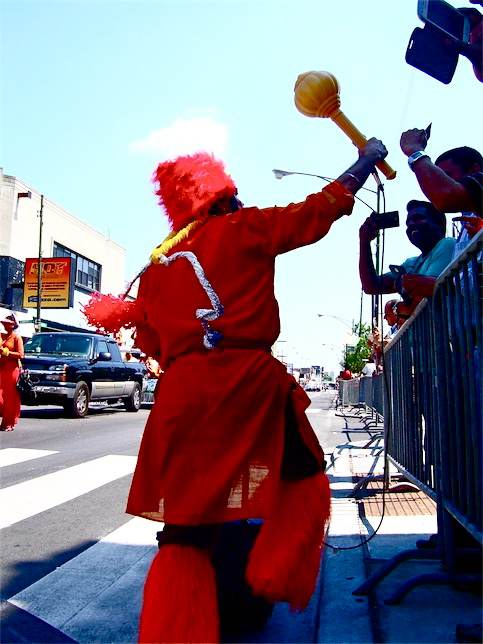
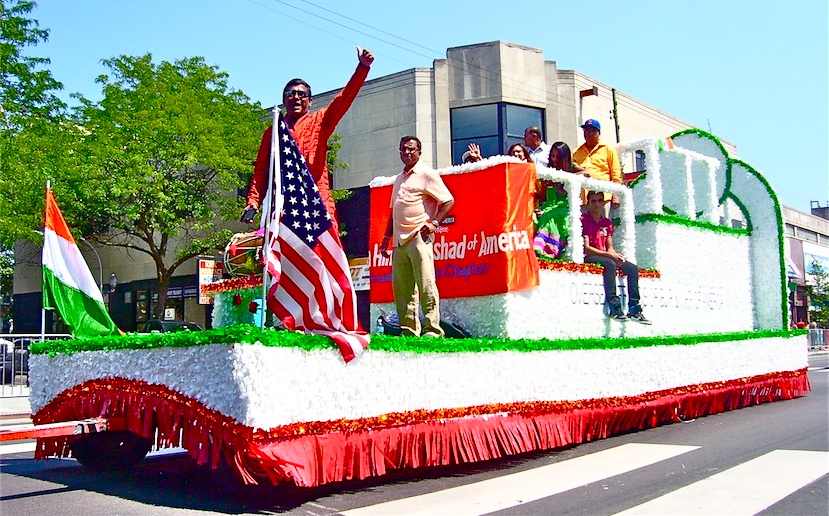
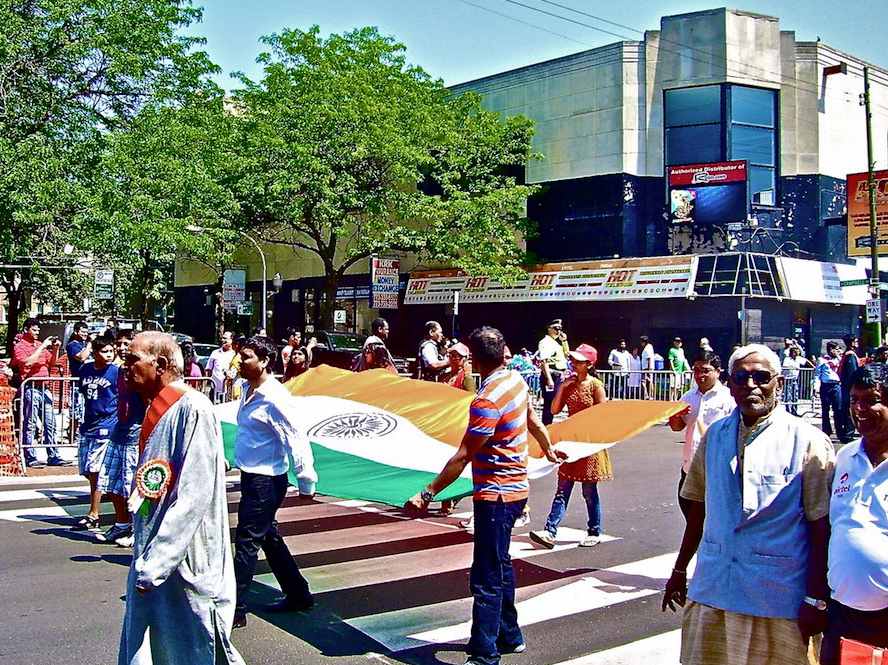
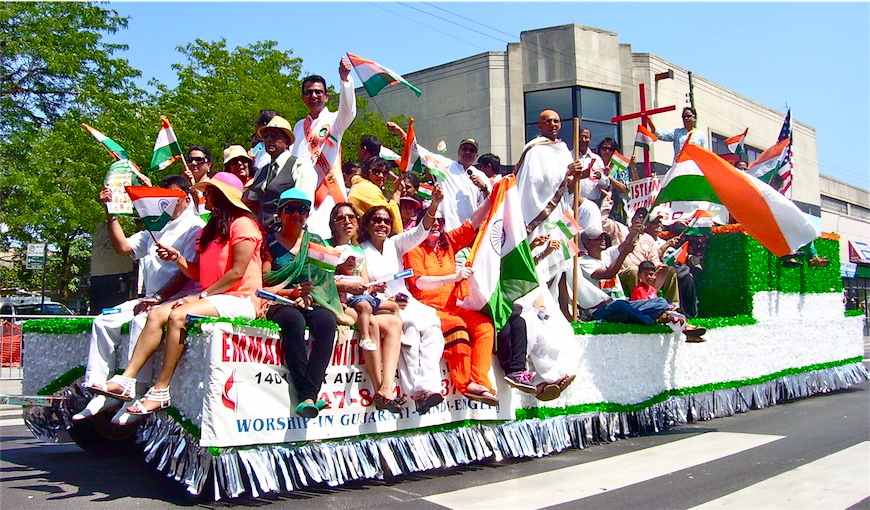
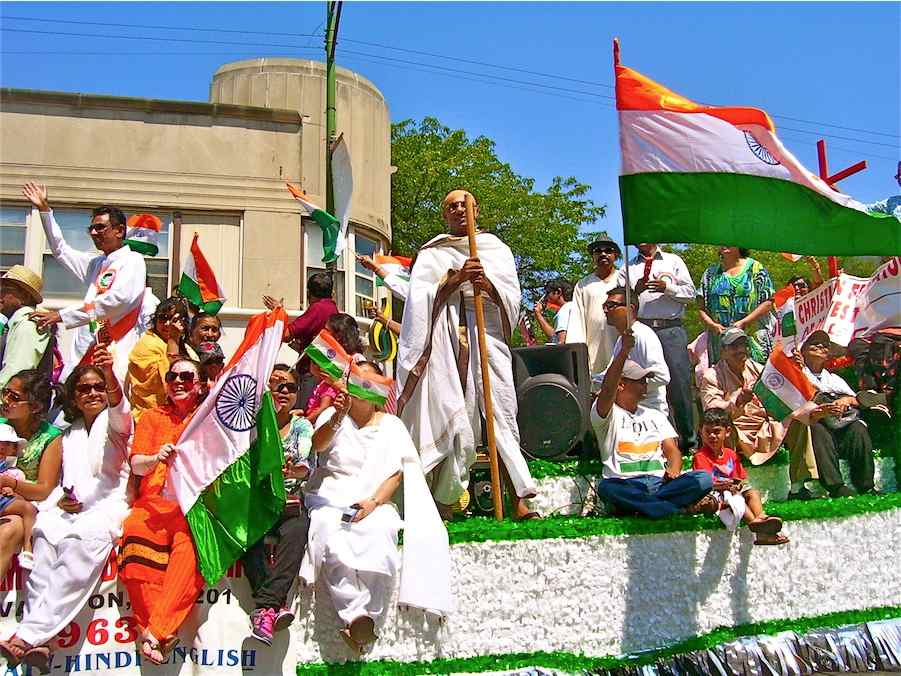
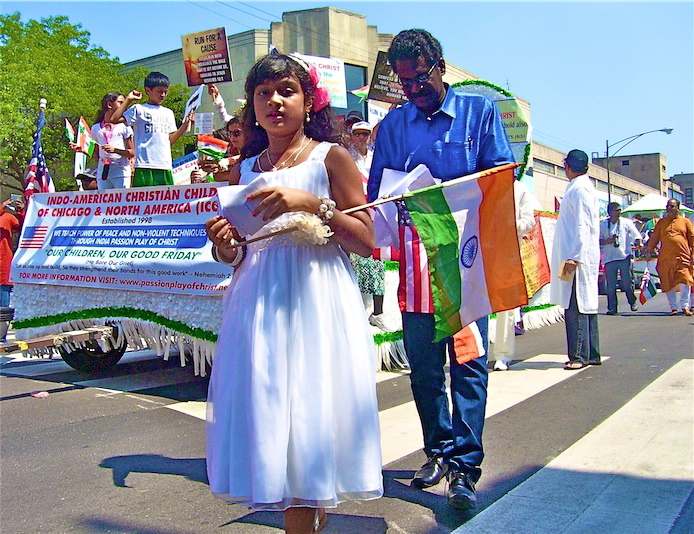
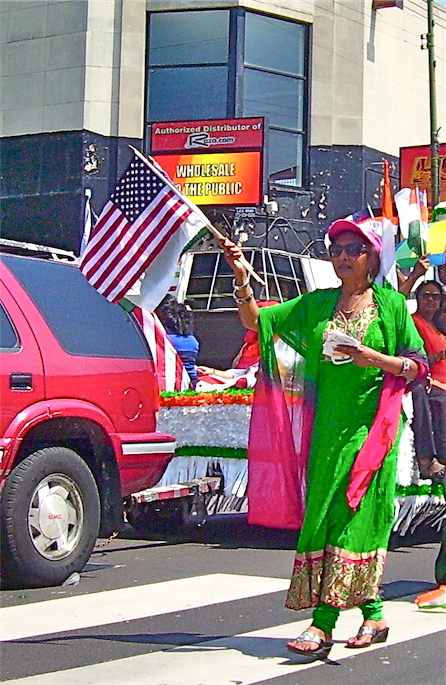
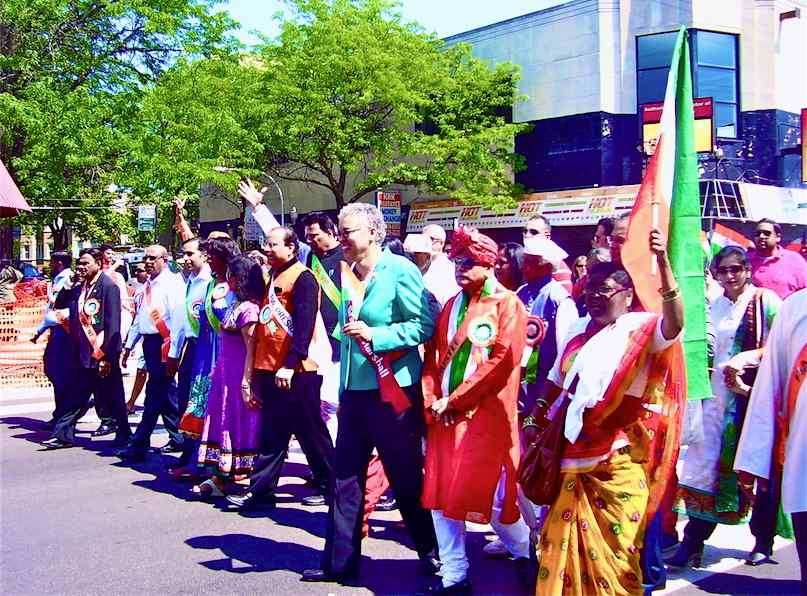
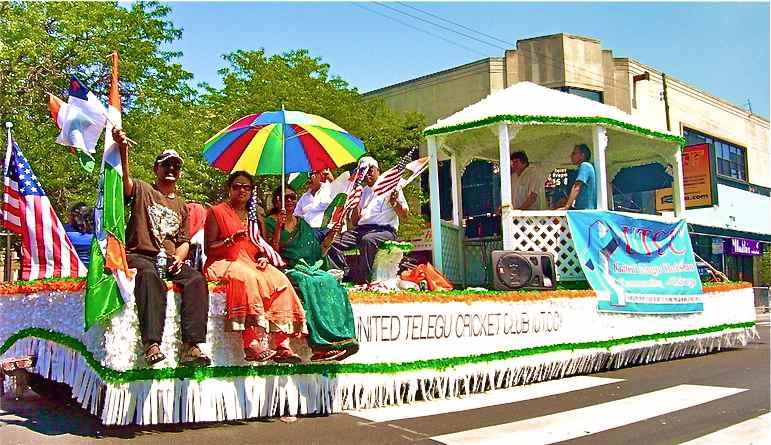
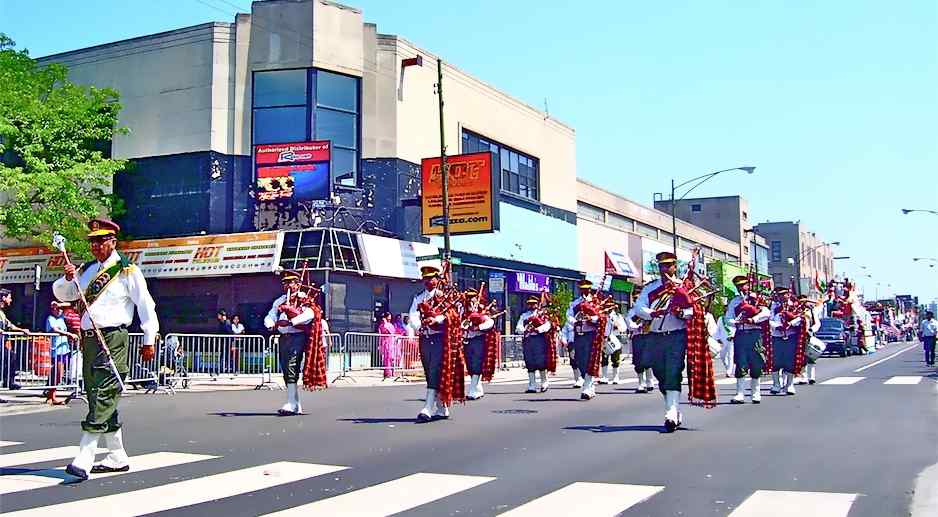
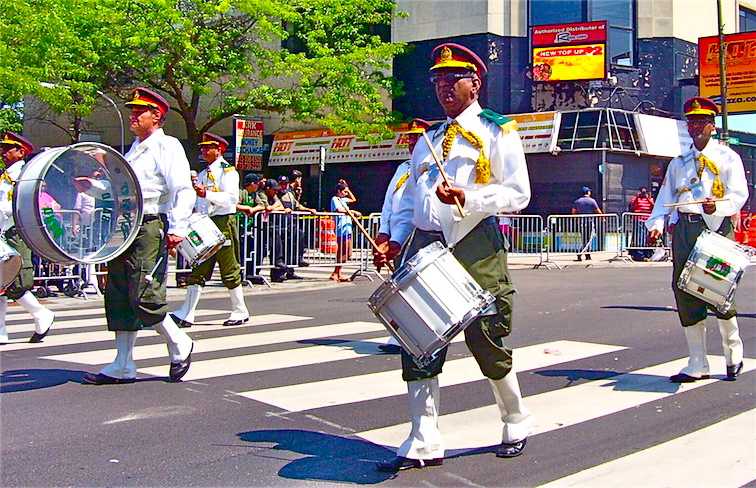
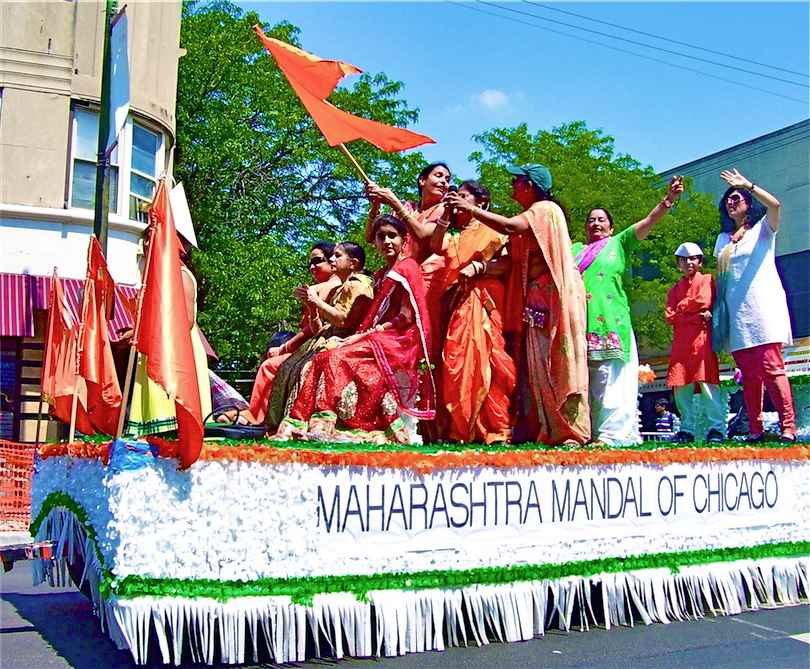
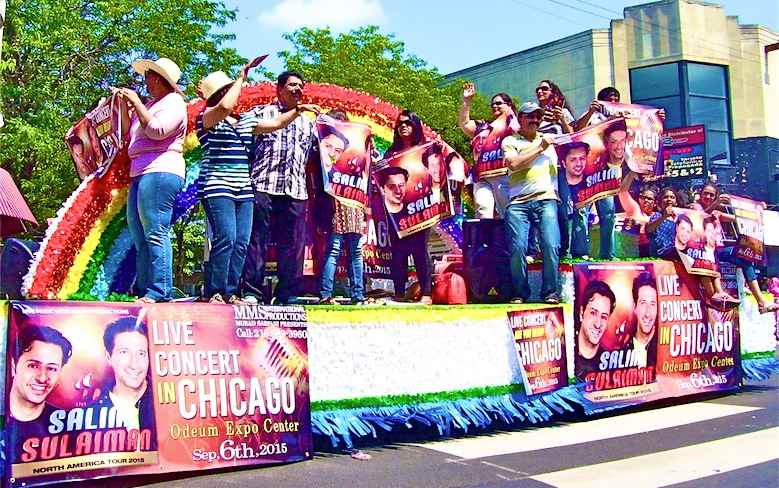
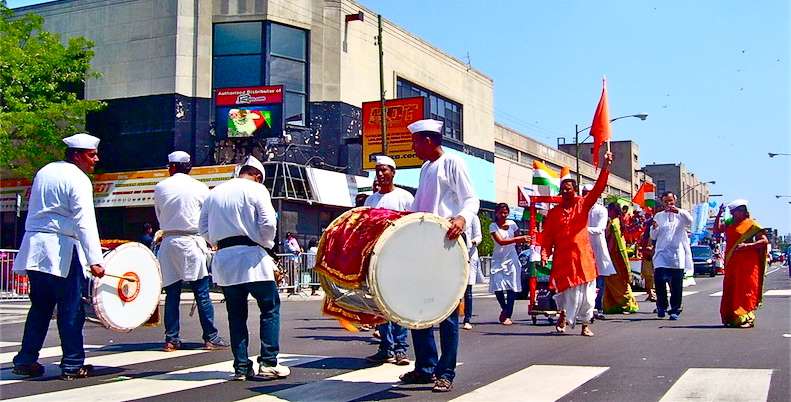
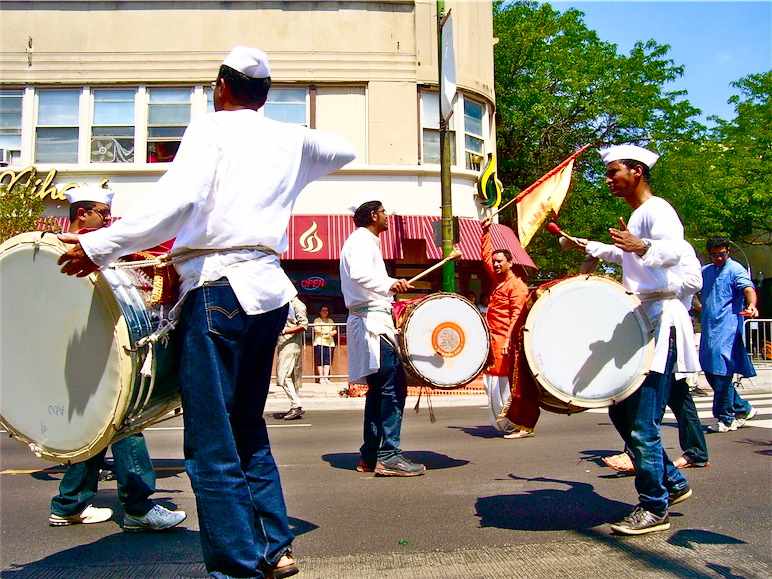
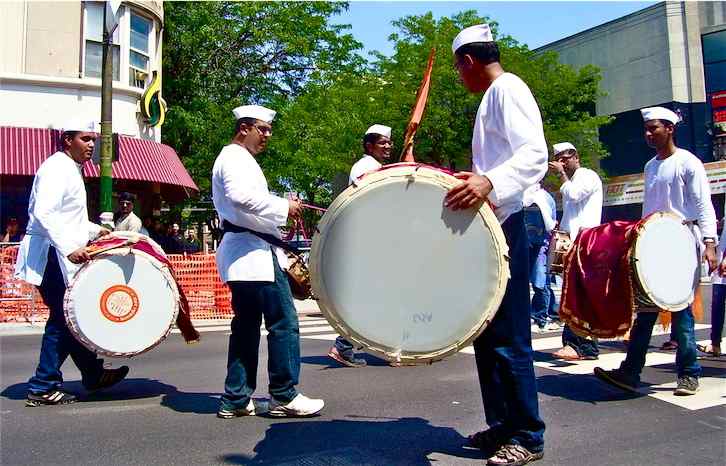
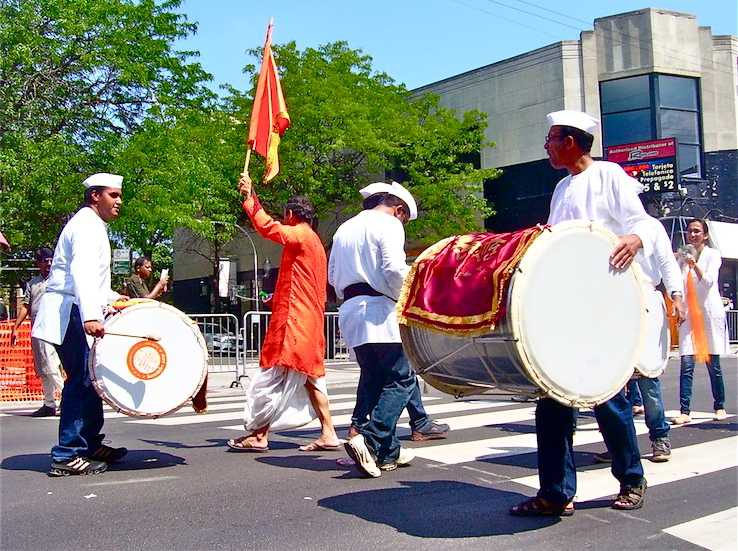
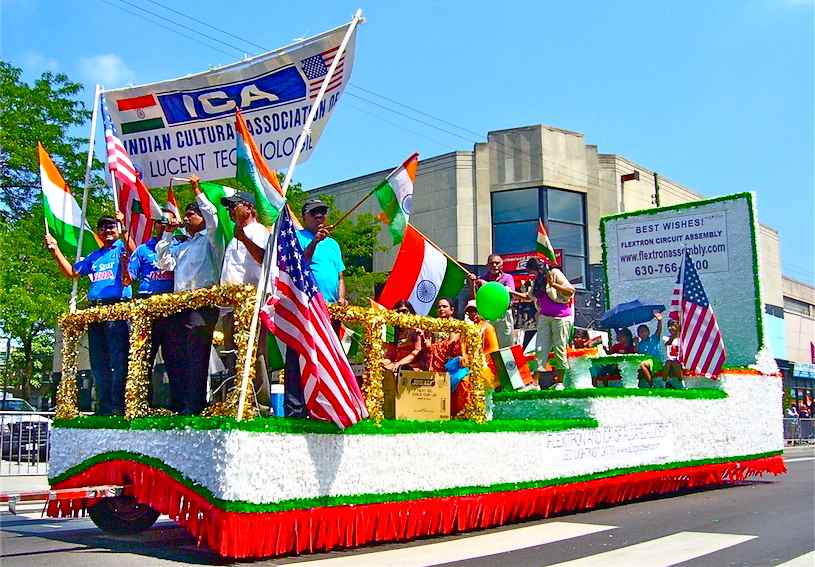
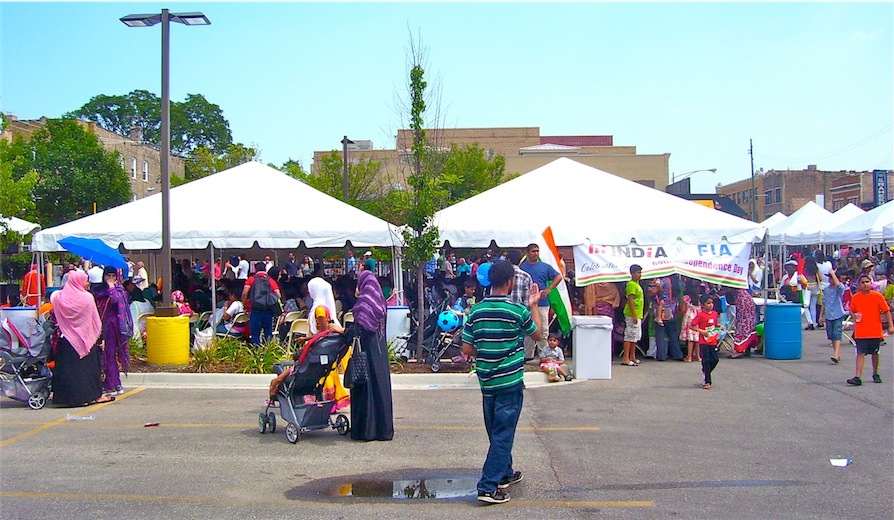
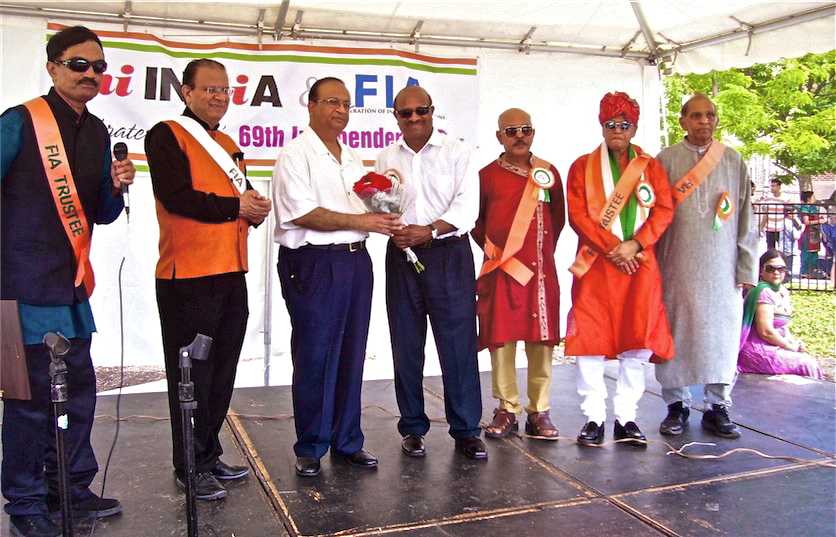
Indian Independance Day Parade
Devon Avenue from Western to California
Little India
Saturday - August 15th, 2015
Green Dragon Society
Attended Parade
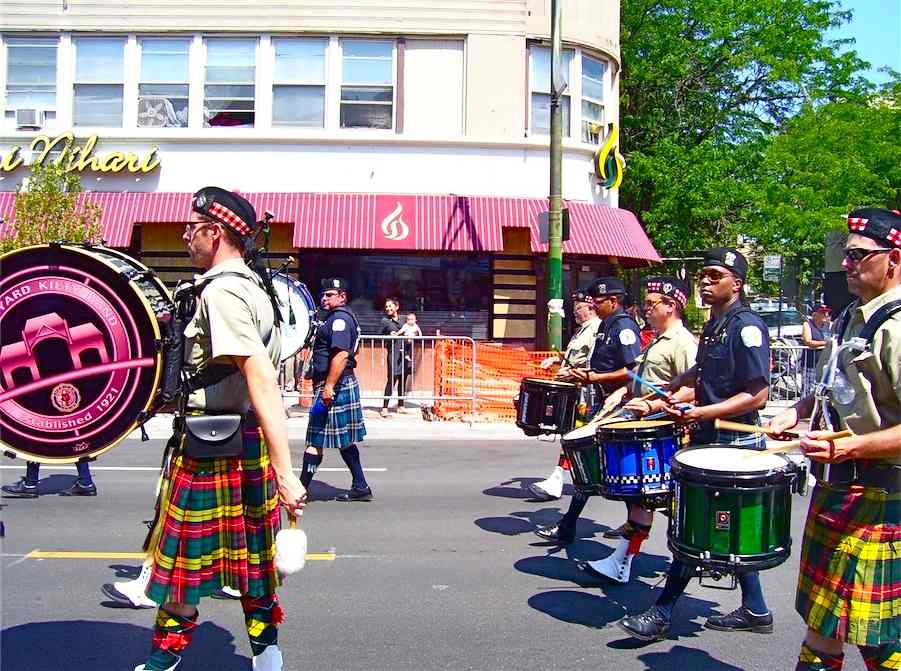
Indian Independance Day Parade
Lively Celebration of Indian Independance
in the Rogers Park neighborhood |
|
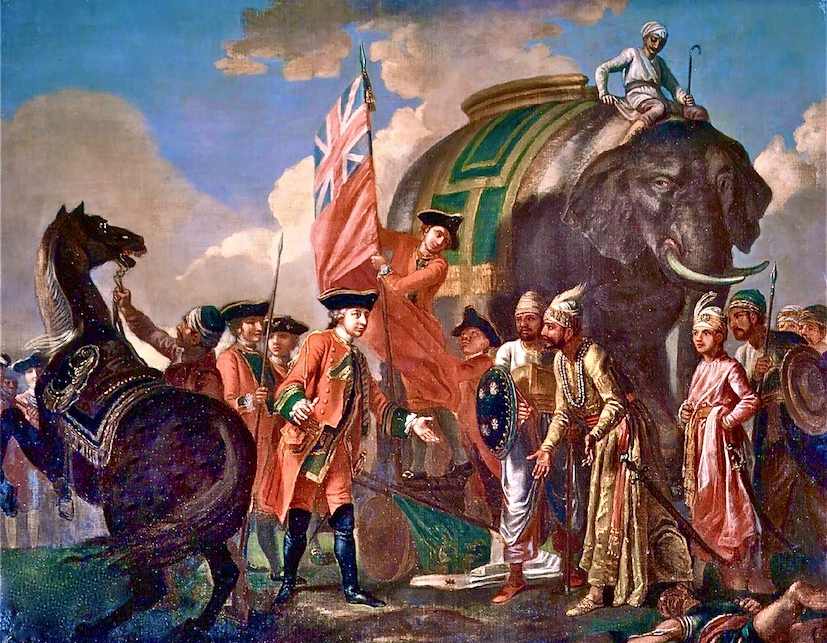
British Empire Subjugation of India |
| The British Empire had ruled over India for a considerable period of
time. Their initial intentions were to carry out trade in India, but in
due course of time they developed political and administrative
ambitions. After hundreds of years of this occupation Indians were
longing for freedom from the oppression and bondage. |
| In Ancient Times - People from all over the world were keen
to come to India. The Aryans came from Central Europe and settled down
in India. The Persians followed and immigrated to India. Ghengis Khan,
the Mongolian, invaded and looted India many times. From these Mongol
invasions came the Moghuls, and they too settled down permanently in
India. Alexander the Great too, came to conquer India but went back
after a battle. Yet the signs of his coming are still prevalent upon the
Indian subcontinent. Hein Tsang from China came in pursuit of knowledge
and to visit the ancient Indian universities of Nalanda and Takshila.
Columbus wanted to travel to India, but instead discovered the shores of
America by accident. |
| The East India Company - Had been given a monopoly of all
English trade to Asia by "Royal Grant" at its foundation in 1600.
English commerce with India was transacted solely through the East India
Company. In the first half of the 18th century, the British were a
trading presence at certain points along the coast; from the 1750s they
began to wage war on land in eastern and south-eastern India and to reap
the reward of successful warfare, which was the exercise of political
power, notably over the rich province of Bengal.
East India Company Rule in India - Effectively began in 1757
after the Battle of Plassey and lasted until 1858 when, following the
"Indian Mutiny" of 1857, came the 'Government of India Act' which led to
the British Crown assuming direct control of India in the form of the
new British Raj.
By the end of the century British rule had been consolidated over the
first conquests and it was being extended up the Ganges valley to Delhi
and over most of the peninsula of southern India. By then the British
had established a military dominance that would enable them in the next
fifty years to subdue all the remaining Indian states of any
consequence, either conquering them or forcing their rulers to become
subordinate allies.
The British East India Company had gained much control over the
internal affairs of India. The spirit of nationalism in India gained
ground in the middle of the 19th century. It was strengthened by the
formation of the Indian National Congress in 1885.
Introduction of the Zamindari System - By the British East India
Company, where the peasants were ruined through exorbitant charges made
from them by the new class of landlords. The craftsmen were destroyed by
the influx of the British manufactured goods. The religion and the caste
system which formed the firm foundation of the traditional Indian
society was endangered by the British administration. The Indian
soldiers as well as people in administration could not rise in hierarchy
as the senior jobs were reserved for the Europeans. |
| At least from the beginning of the twentieth century, the British
had been continuously harried by ‘terrorist’ groups whose method was the
political assassination of British officials. |
|
 |
February 5th, 1922, a crowd of people infuriated at being beaten up
by a group of policemen whom they greatly outnumbered, chased the police
back into their police station, set fire to the building and burnt them
alive!
At Amritsar a mob gathered, and the British officer in charge, General
Reginald Dyer, ordered his troops to fire into the crowd, killing 379
and wounding 1,208 in less than ten minutes.
On the street where a British woman had been assaulted, Dyer posted
soldiers and ordered any Indians wanting to pass across a 140-meter
(150-yard) part of the street to crawl on their stomachs, sealing off
the street for residents for six days. Word of this humiliation spread
to people across India.
Political assassination and terrorism in India continued.
Robbing wealthy Indians as a method of obtaining funds was discarded in
favor of attacks on post offices and railway cash offices.The
authoritative and indifferent attitude of the British towards the Indian
sentiments led to the national movement gaining momentum. National
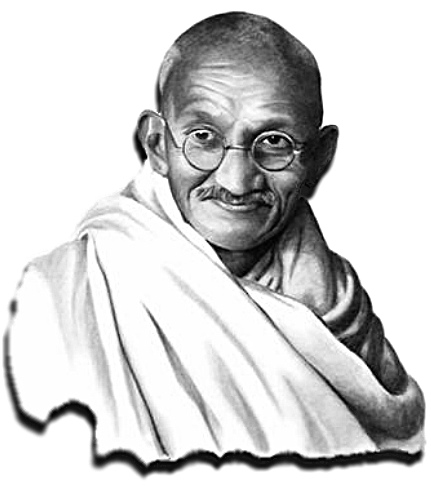
leaders, like Mahatma Gandhi, Pandit Jawaharlal Nehru, Vallabhai Patel
and many others fought for political and administrative rights of the
people. The British were ruthless in their dealings with those who
fought for the rights of the Indians. |
The divide and rule policy of the British led to the division
between the Hindus and the Muslims and the formation of the Muslim
League.
The Muslim League sought a separate nation for them, Pakistan. The
League was concerned that independent India would have Hindus at the
helm of affairs. Eventually, the British Parliament passed the Indian
Independence Act, which led to the formation of India and Pakistan. |
|
Mountbatten's Luck and Hindu
Astrology |
It was Lord Mountbatten who had personally decided the date of Aug
15th, because he had considered that date to be “very lucky” for his
career. During World War II, it was on Aug 15, 1945 that the Japanese
Army had surrendered before him.
When the date of independence was decided and announced to the public,
there was an outrage among Astrologers across the country because
August 15th, 1947 was an “Unfortunate & Unholy” date according to
Astrological calculations.
As a workaround, the Astrologers suggested the midnight hour between Aug
14th and 15th due to the simple reason that the day according to the
English starts at 12 AM, but according to Hindu Calendar, starts at
sunrise. |
|
Mahatma Gandhi Assassination |
| January 30th, 1948 - Shots rang out in New Delhi that plunged
India into silence. Mahatma Gandhi, the leader of the Indian
Independence Movement and the forefather of the philosophy of
non-violent civil disobedience, had been assassinated by Nathuram Godse. |
|
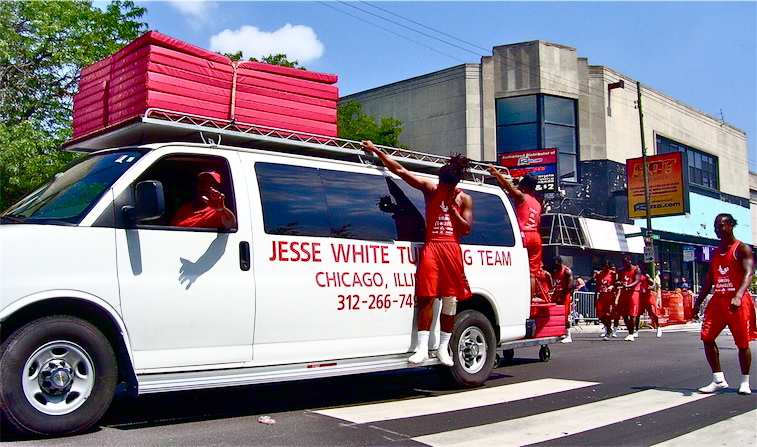
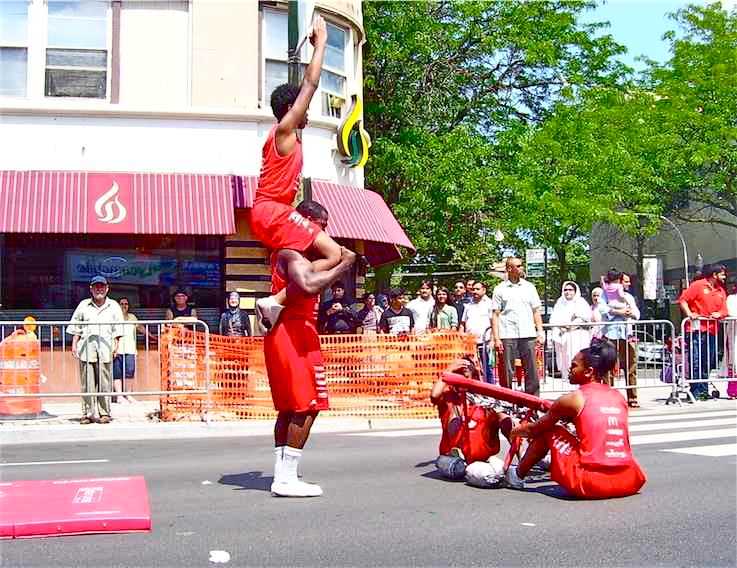
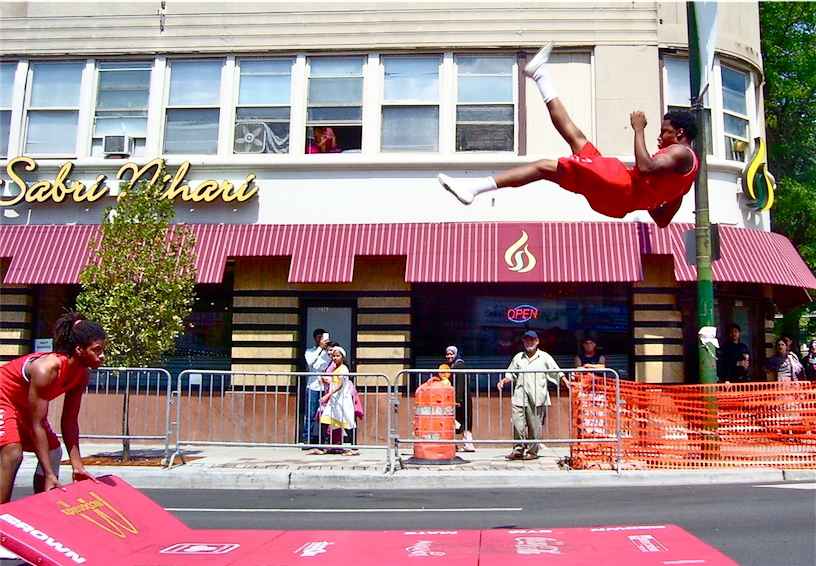
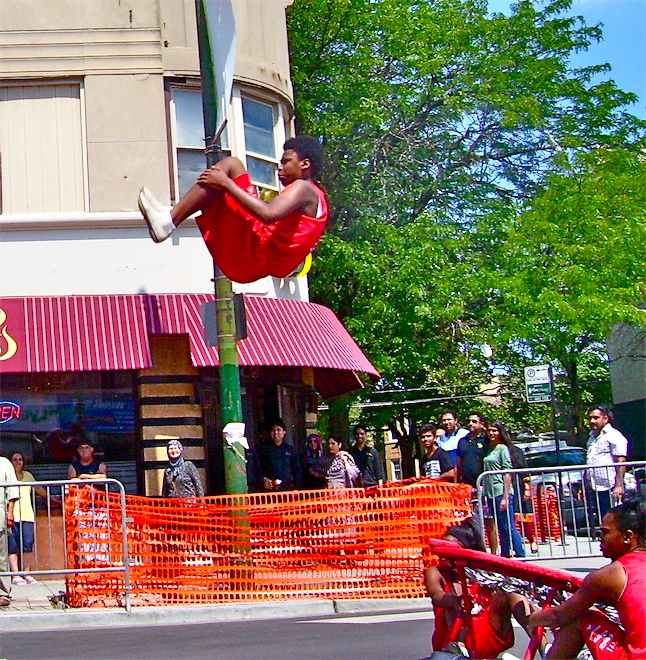
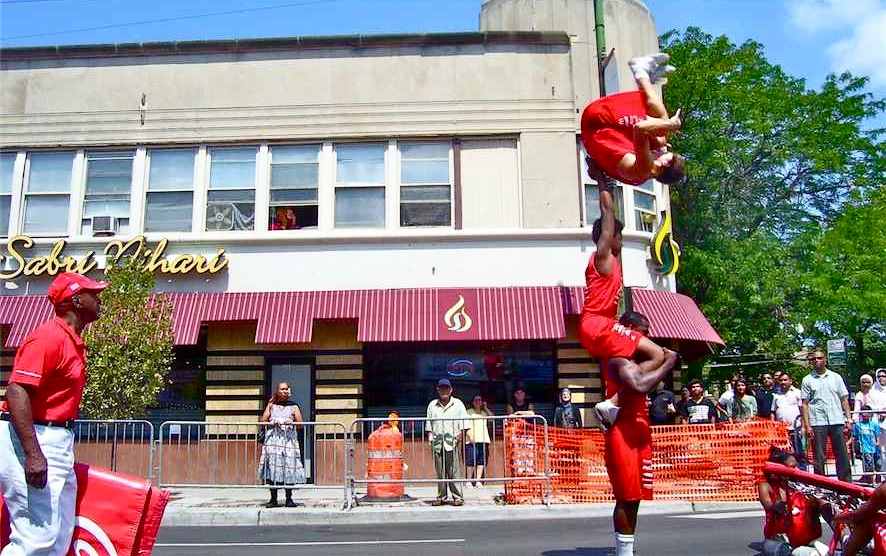
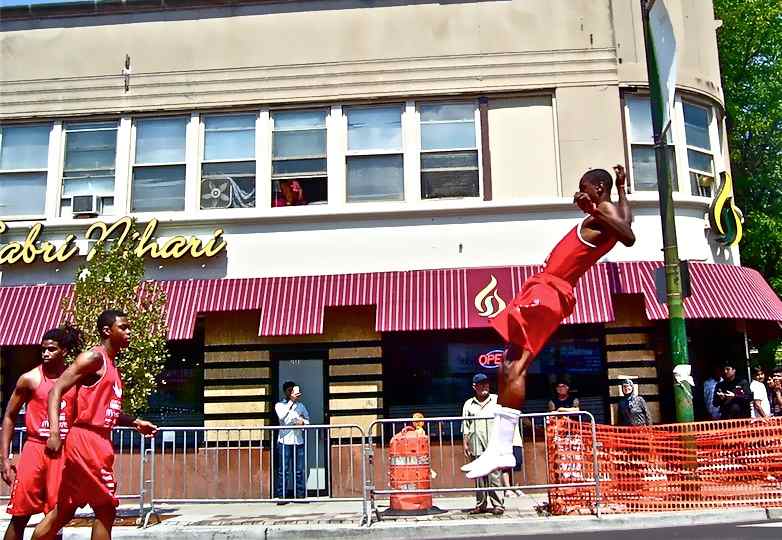
Illinois Secretary of State Jessie
White's Tumbling Team
The Green Dragon Society gave Jesse White such a Cheer that he
Stopped in Front of our Location |
|
The internationally famous Jesse White Tumbling Team
has been thrilling audiences since 1959.
Their acrobatic performances can frequently be seen during half-time
shows for the National Basketball Association.
Also, the National Football League and Major League Baseball games.
The team entertains at business and sporting events year-round,
including colleges and universities nation wide. |
|
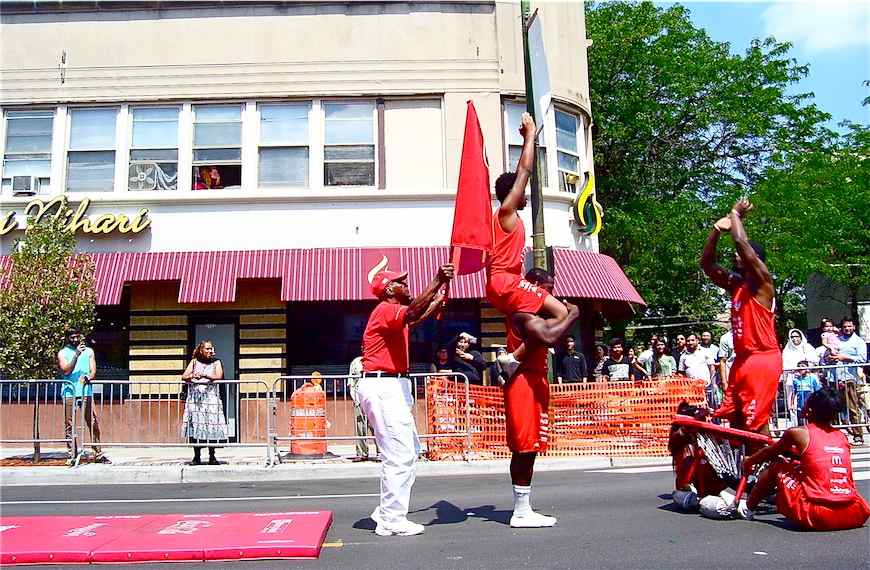
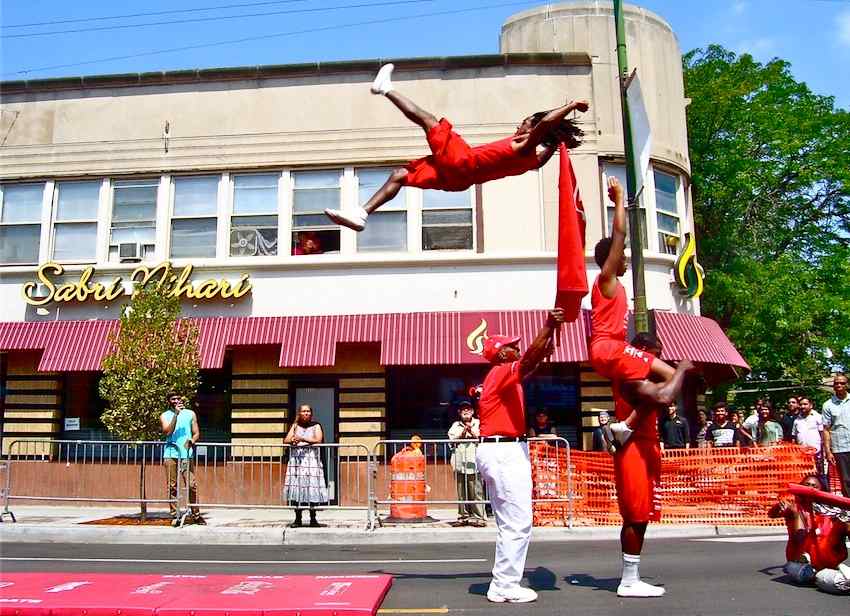
The Catapult and Human Wall |
|
Jesse Joins in on the Action with a
Flag
Note: Acrobat has Just Landed on the Catapult |
|
After the Parade the Festival Begins
It is time for excellent Indian Cuisine with Music while drinking Taj
Mahal Indian Beer |
|
 |
|
 |
|
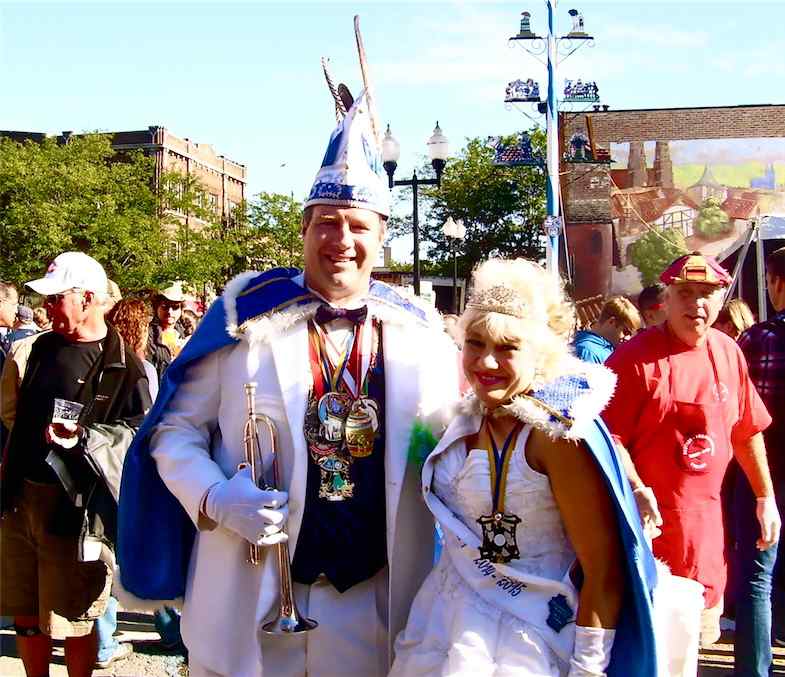
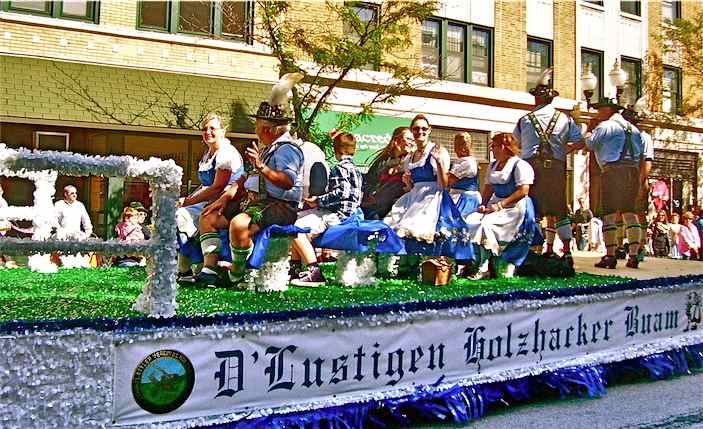
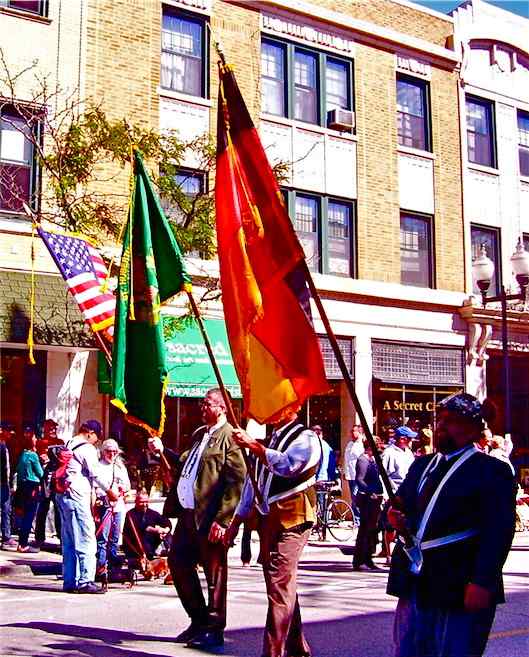
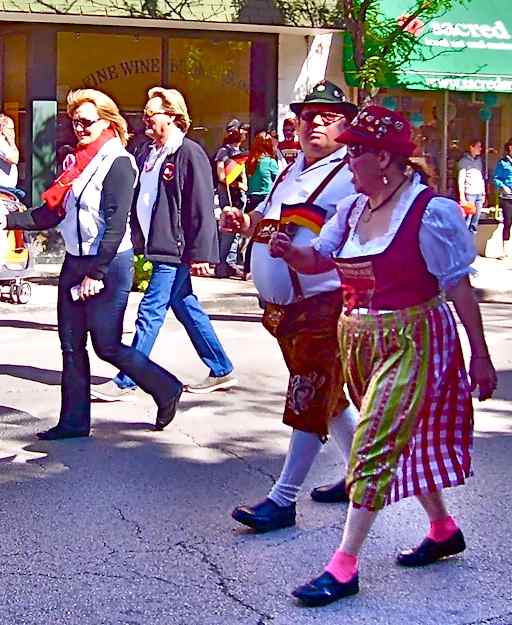
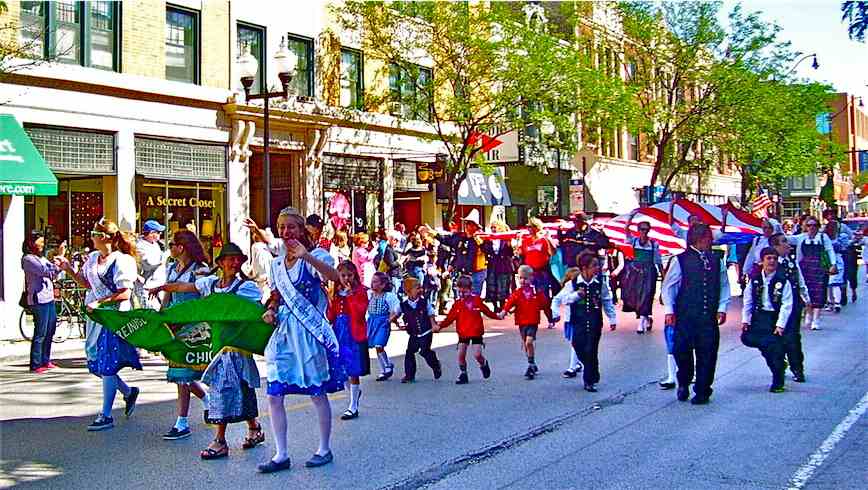
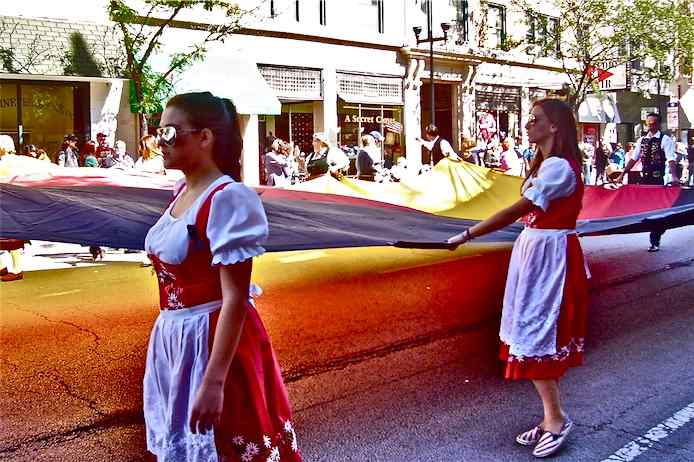
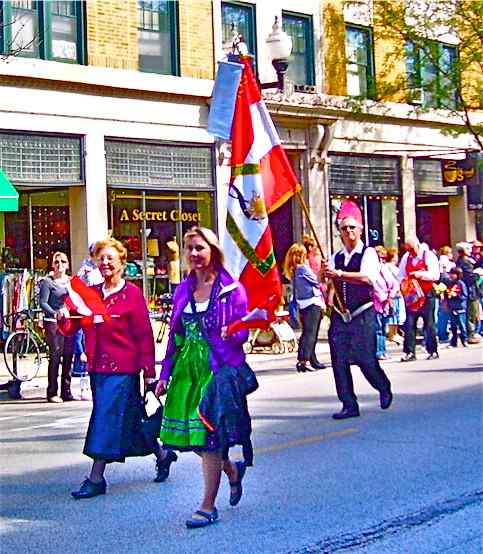
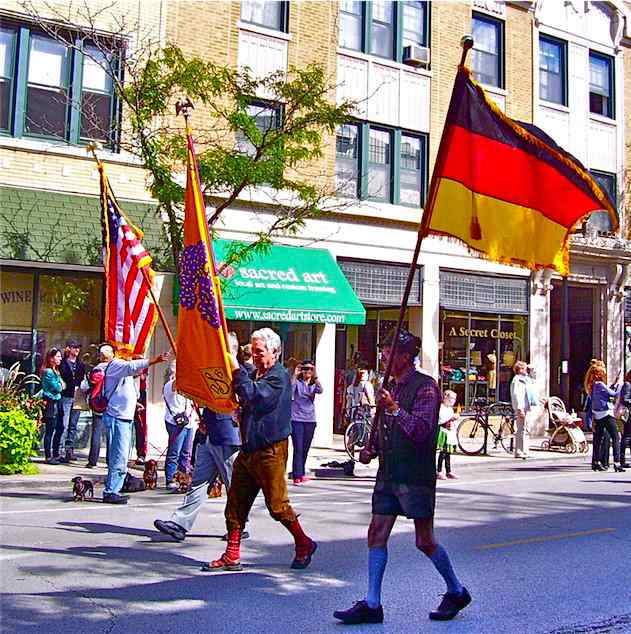
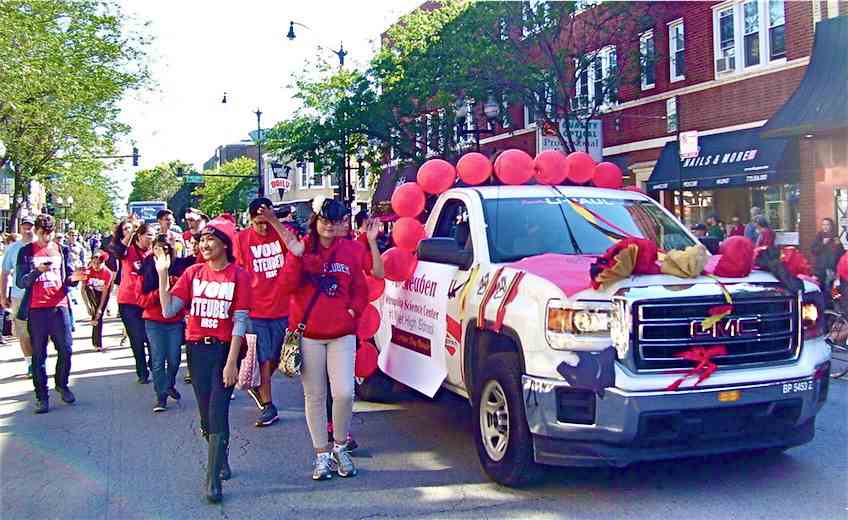
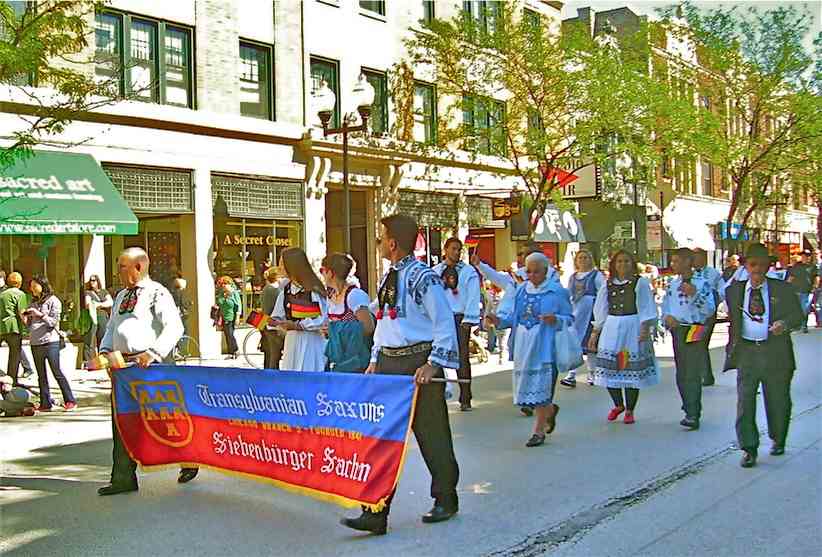
50th Frederick Augustus Von Steuben
Parade
95th German American Day - Chicago |
|
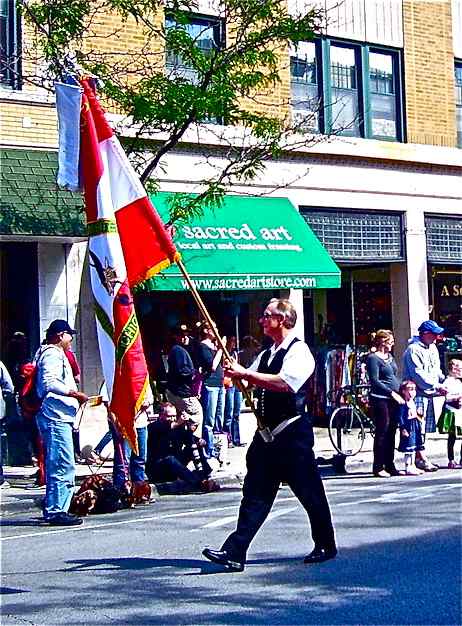 |
50th Chicago Von Steuben Parade
2pm Saturday
Route Down Lincoln Ave.
Starting from Irving Park Road
to Western and north to Lawrence
and
German American Festival
Lincoln Square on the Northside
Saturday - September 12th, 2015
Green Dragon Society
Attended Parade/Festival
Authentic German food and traditional drinks.
Dancing to the music of German bands.
An amusement section with many carnival games.
Entertainment by traditional singing and dancing groups from Chicago.
|
|
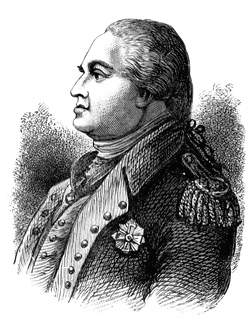
Who was General Von Steuben? |
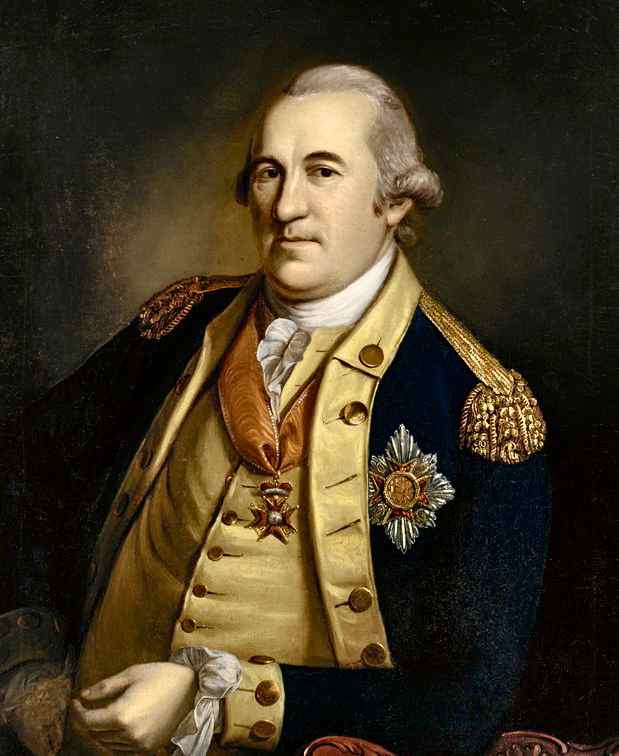
| Von Steuben was born in Magdeburg, Germany, on September
17th, 1730. Von Steuben's military career began at an early age. Later
he became the aid of Frederick the Great of Prussia, who was recognized
as the military genius of his time. Von Steuben became expert in the
drilling and training of troops. Because of this exceptional ability,
Benjamin Franklin and the Count St. Germain, French Minister of War,
persuaded Von Steuben to volunteer his military expertise to the
American Revolutionists. |
|
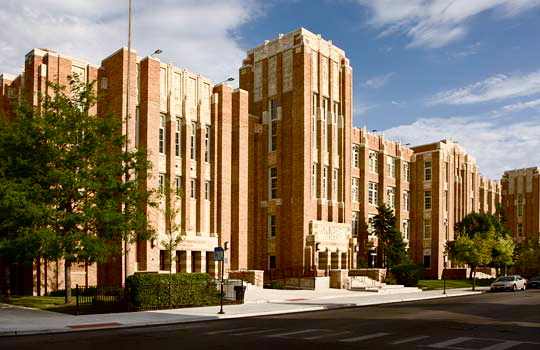
Von Steuben High School - On
Chicago's Northside |
Baron Von Steuben by Peale . . .
circa 1780 |
Von Steuben sailed for America and arrived at Portsmouth, New
Hampshire, to aid the young nation in its fight for independence. On
February 23, 1778, George Washington rode out of Valley Forge to meet
the Baron.
According to reports from Benjamin Franklin, writing from his post in
France, Von Steuben was a Lieutenant General from a noble Prussian
family who had served his ruler, Frederick the Great, faithfully on the
battlefield and who now lived on income from his numerous estates. Von
Steuben offered his services to General Washington without rank or pay. |
|
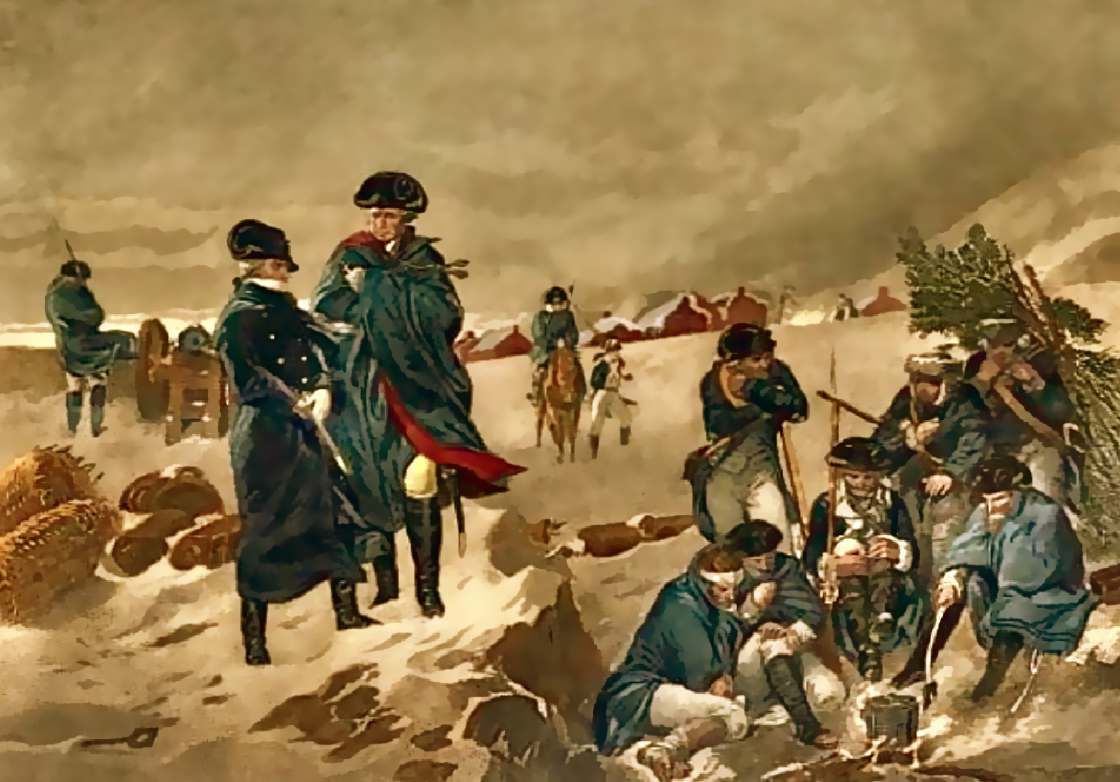
George Washington at Valley Forge - American
Revolutionary War |
| Arriving at Valley Forge in the late winter of 1777-78, Von Steuben
found the soldiers in deplorable condition, without uniforms, weapons or
food. Appointed by Congress to be inspector General of the Army, Von
Steuben set about training and better organizing the band of ragged
soldiers. He infused in them a sense of discipline and converted them
into an excellent fighting force, training them to bear arms, march,
form columns and to execute maneuvers with precision. He gave confidence
to the officers and men, enabling them to continue on to victory at
Yorktown. Von Steuben began with a 'Model Company' of 100 chosen men.
They in turn successively trained others by working outward into each
brigade. Von Steuben's eclectic personality greatly enhanced his
mystique. He recruited his French speaking aid to curse at the recruits
for him in English. His instructions and methods have a familiar ring,
nor is this strange when we consider that much of what is done today
stems from his teachings.
To correct the existing policy of placing recruits in a unit before they
had received training, Von Steuben introduced a system of progressive
training, beginning with the school of the soldier, with and without
arms, and going through the school of the regiment. Each company
commander was made responsible for the training of new men, but actually
instruction was done by selected Sergeants, drawn from the best men
obtainable.
On June 28th, 1778, Von Steuben's training was put to test when the
Colonial troops encountered the British Army near Monmouth Courthouse in
the town of Freehold, New Jersey. What early threatened to become a
disastrous defeat for the Colonial forces was turned into a glorious
victory by General Von Steuben. The retreating troops of General Lee
were brought to a halt by Von Steuben and reformed under heavy fire. The
retreating men knew how to conduct themselves and wheeled into line with
the precision of veterans. What seemed to be a certain defeat turned
into a victory and a turning point in the war. This battle was followed
by victories in Yorktown and other places. |
|
 |
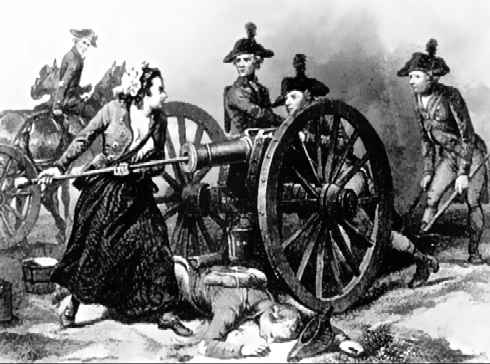 |
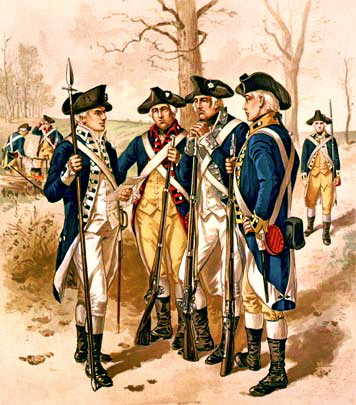
Warfare in the Eighteenth Century was a comparatively simple
matter, once the battle was joined. Combat was at close range,
massed-fire melee, where rapidity of firing was of primary importance.
Accuracy was little more than firing faster than the opposing line. Much
of the Regulations dealt with the manual of arms and firing drills. But
battle was close-order drill, and speed of firing could only be obtained
by drilling men in the handling of their firearms until the motions of
loading and firing were mechanical. Firing was done in eight counts and
fifteen motions
Once the soldiers were in the line of battle it took fifteen separate
actions to prime and load a flintlock musket and two more to fire it on
command. All of this was very difficult to master on the drill field.
Imagine how it was to pull all of that off amid the smoke, noise, and
confusion of battle; when enemy musket balls whizzed through the air and
tended to break a man’s concentration. Thorough drill was the means
that gave the soldiers the ability to perform these maneuvers the same
way, without thinking, every time, especially under fire. |
|
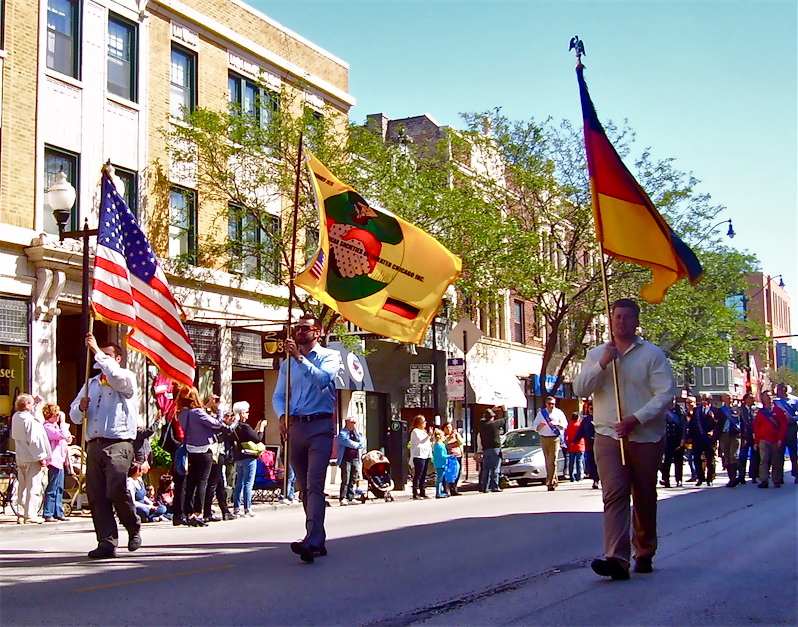
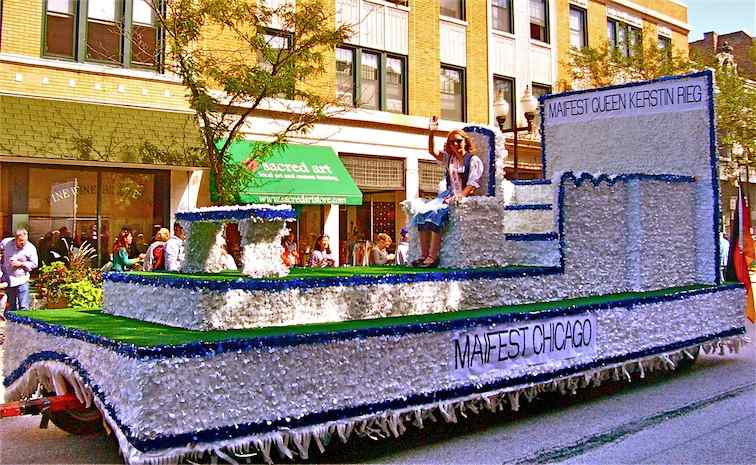
Mayfest Queen Kerstin Rieg |
|
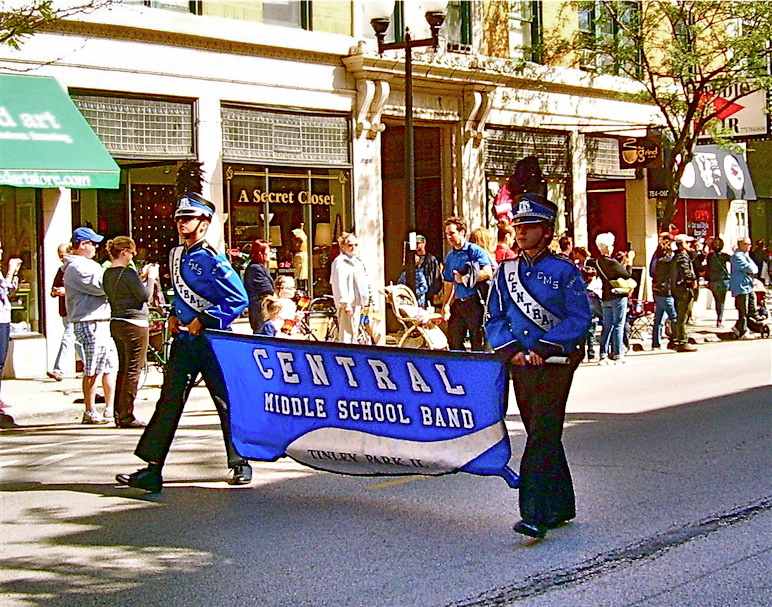
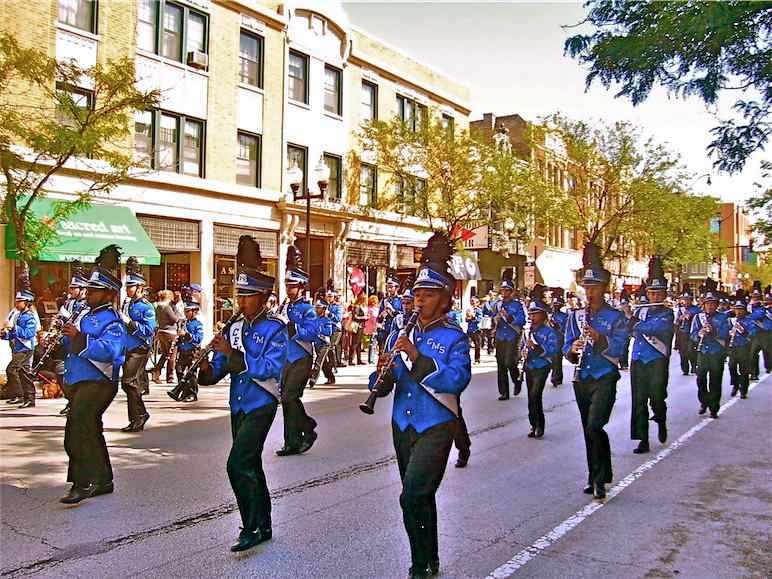
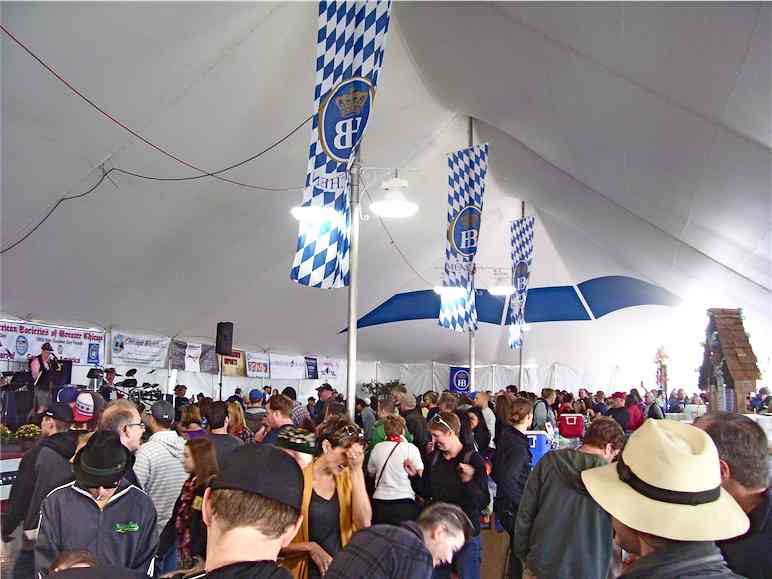
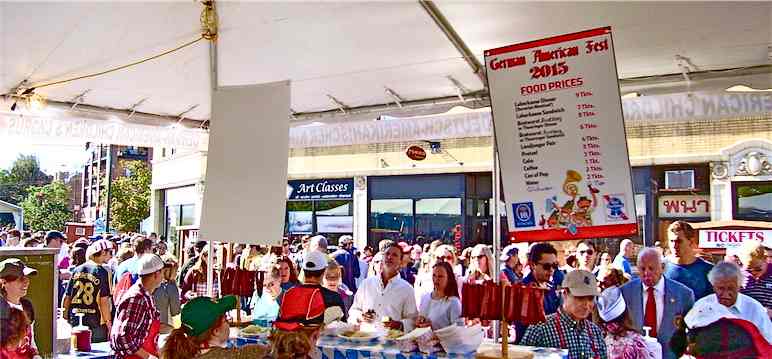
The German American Day Festival |
|
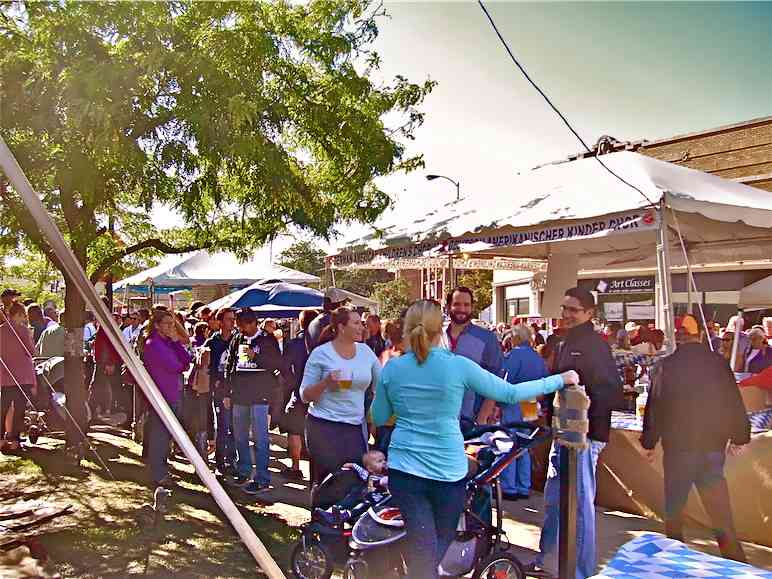
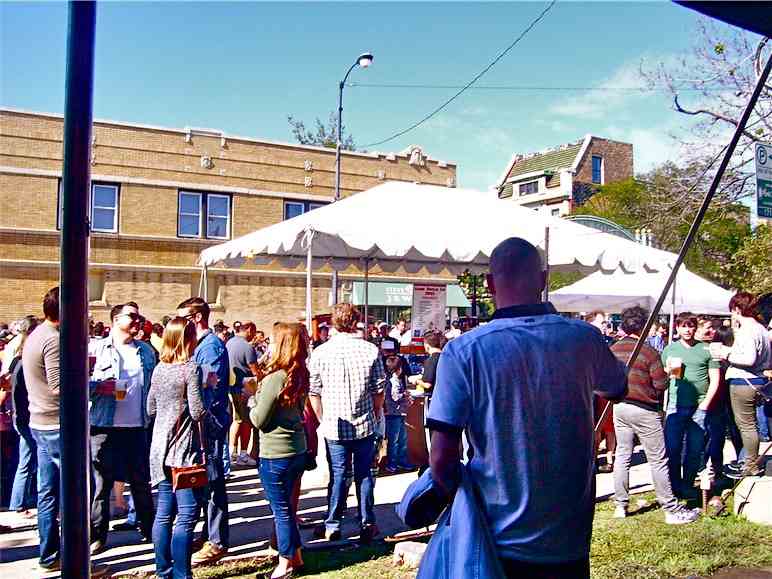
This German Street Festival, takes place over a
three day weekend, at Lincoln Square, in Chicago.
The annual Von Steuben Parade takes place on the 2nd day of the
festival.
The foods center around German Sausages and German Beer.
The musical entertainment focuses on traditional songs from the good old
days.
Many people dressed in traditional costumes adds color to the event. |
|
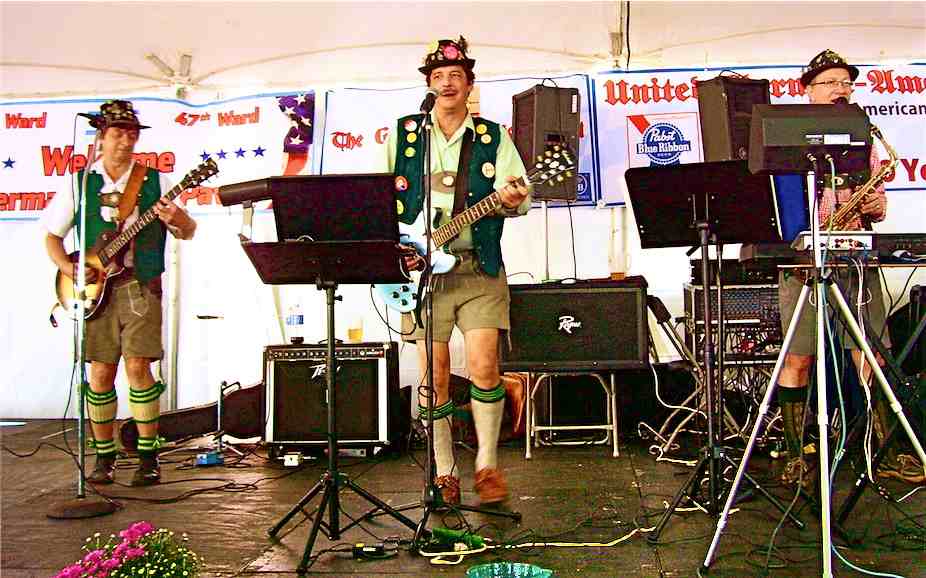
German Festival Musicians |
|
 |
 |
|
 |
|
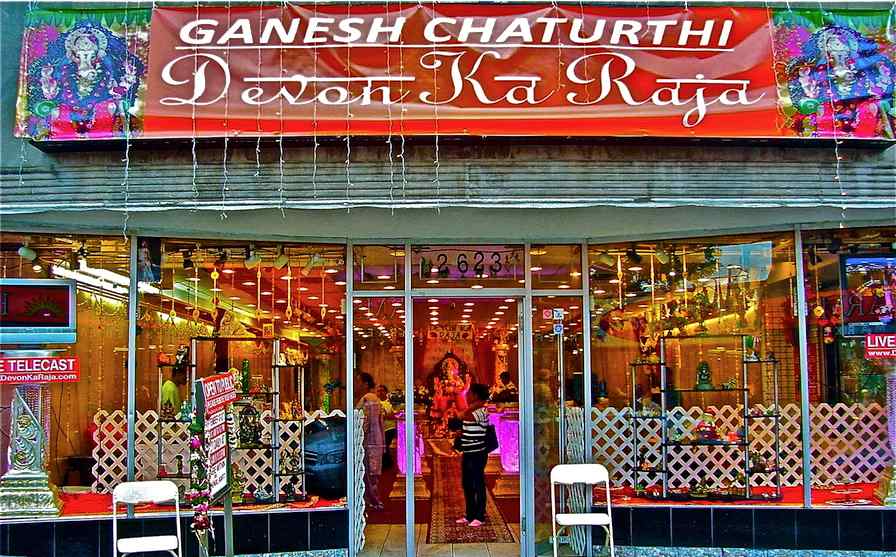
Ganesha
Chaturthi Puja
Devon Ka Raja Festival |
|
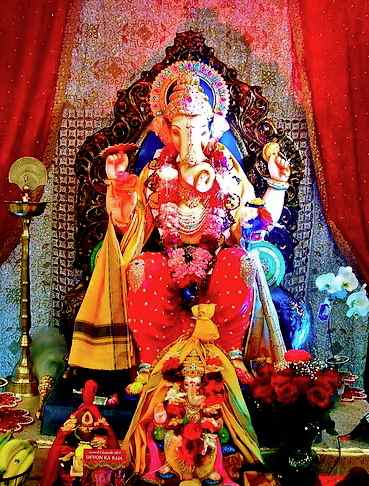
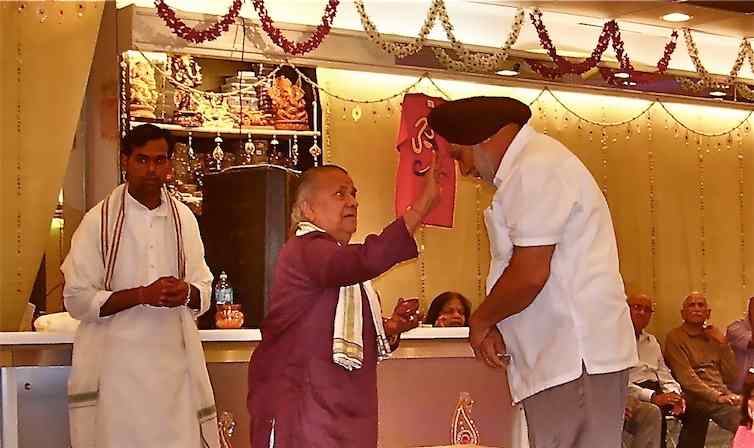
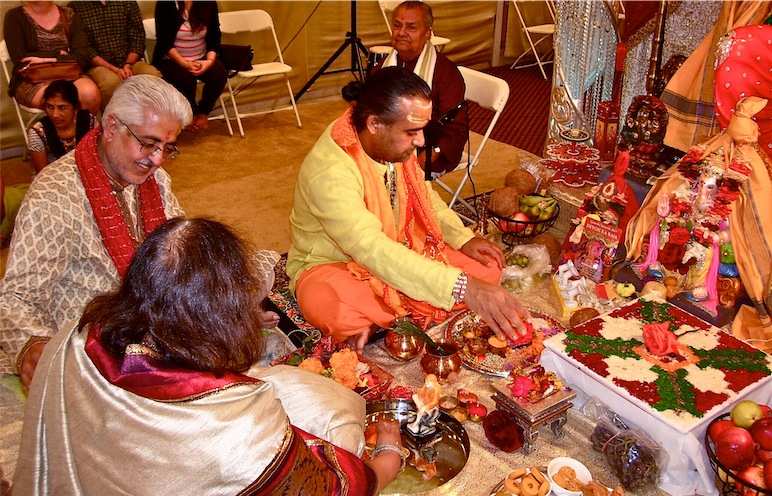
Ganesha is the
Hindu Diety bestowing Good Luck |
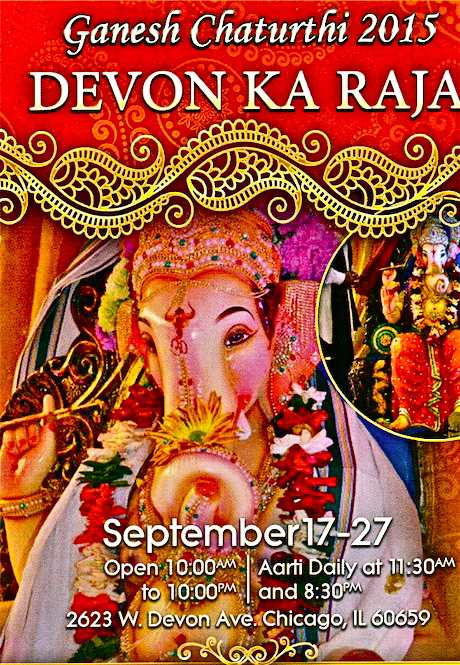 |
Ganesha
Chaturthi
Ka Raja (10 Day Festival)
September 17th to 27th
2623 W. Devon Ave.
Chicago, Illinois
'Little India'
Thursday - September 24th, 2015
Green Dragon Society
Attended Puja
 |
|
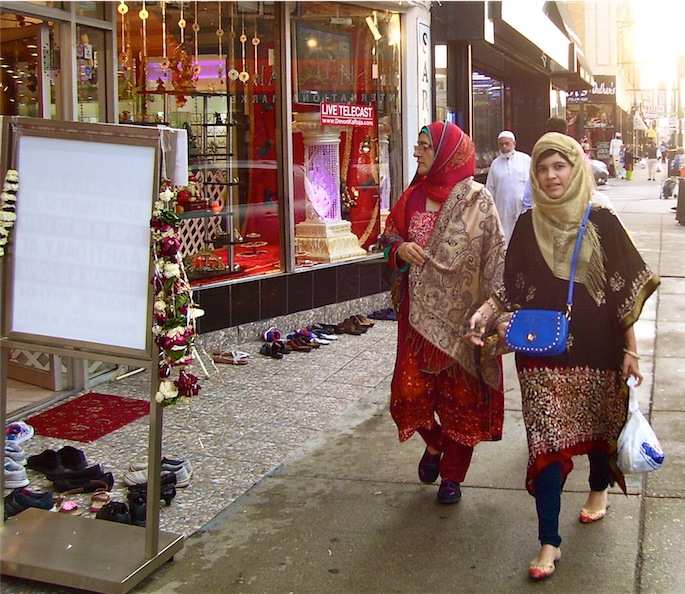
Locals Passing |
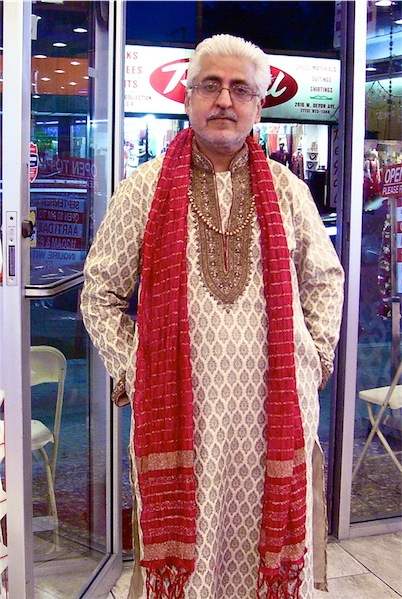
Mr. Mahtani |
|
Hindus DO NOT Worship Idols
|
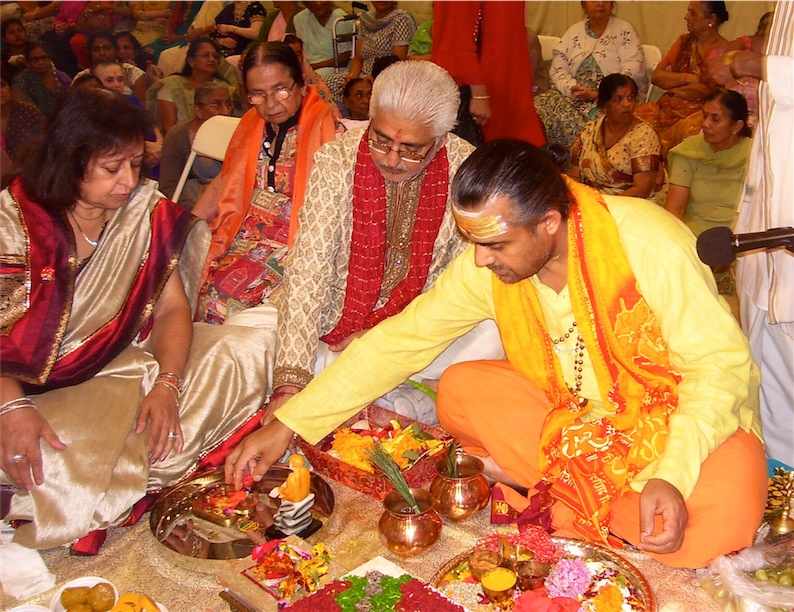
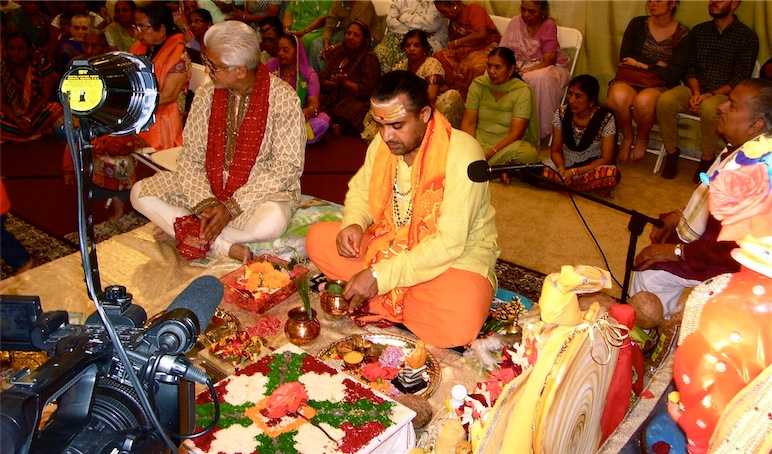
Ganesha Chaturthi is celebrated during the time when Lord
Ganesha is believed to bestow his presence on Earth. Ganesha's essence
is wisdom, prosperity and good fortune.
Ganesha is never born. He is unborn. He is formless. He is
attribute-less. Ganesha symbolizes the consciousness which is
Omnipresent. Ganesha is the energy of the Universe, from which
everything is manifested. Ganesha is not somewhere outside of us, but at
the epicenter of Life.
This is very subtle wisdom. Not everyone can perceive the formless
without the form. So the ancient Holymen created the form, for the
benefit and perceptual understanding of people at all levels. It is
believed, those who can not experience the formless, can over a period
of sustained perception of "manifested form", reach the formless
Brahman.
The form serves as a starting point for the formless consciousness to
manifest. Ganesha Chaturchi is a unique Art of reaching formless
Paramatma. If the Puja ceremony is especially blessed, the Hindus
believe the Lord Ganesha will come in essence and sit in the statue
temporarily, to interact and play with those present. While he is in the
idol, the devotees offer back whatever God has given us through the
ritual of the Puja.
God is not in any idol. It is experiencing the Omnipresence. Puja is
meditation to experience Ganesha essence within. It is to awaken that
which is masked inside us. |
|
 |
|
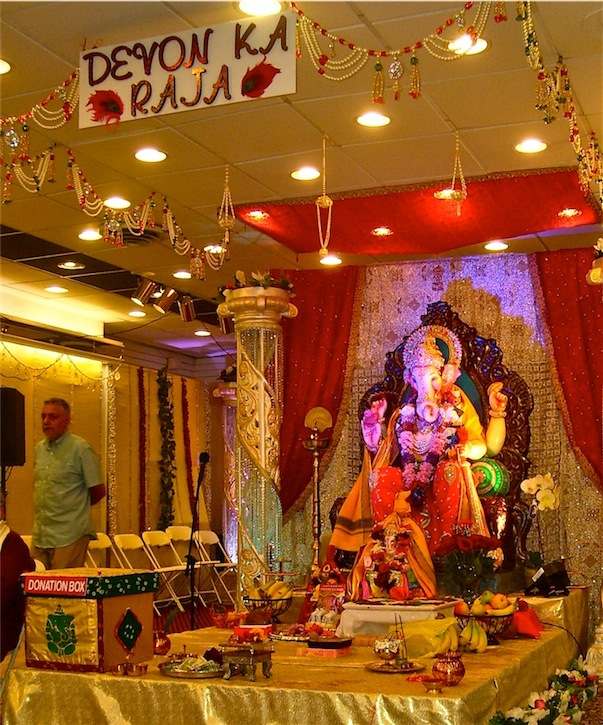
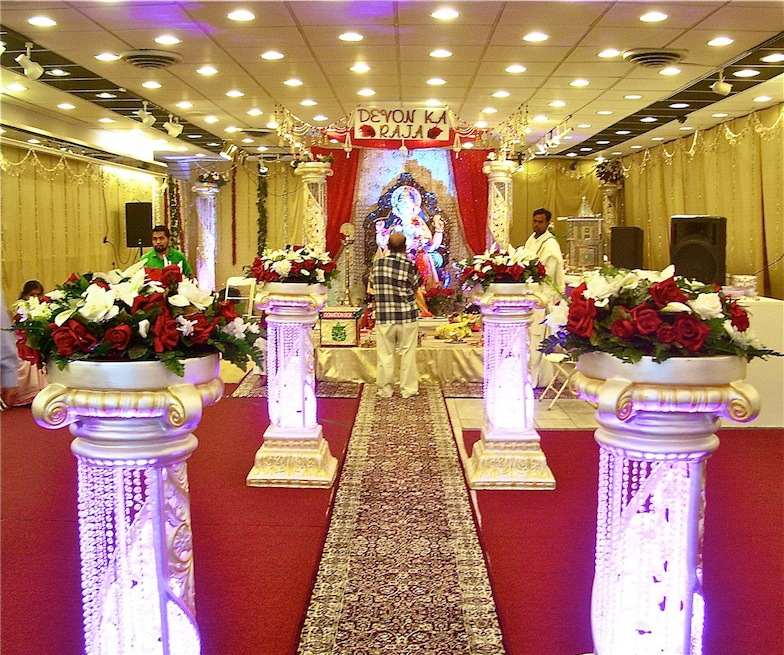
Ka Raja - Ganesha Puja Temple |
|
Blessings Upon Arrival |
Puja Time Nears - Hindus Appear |
|
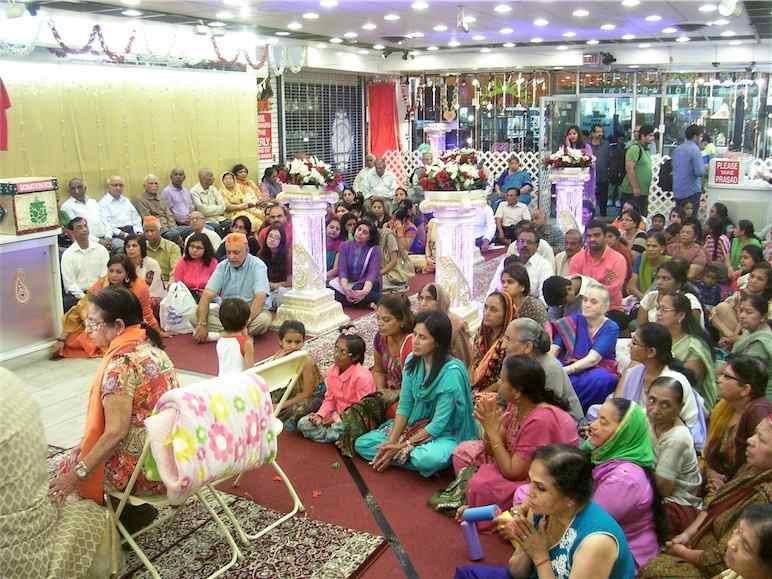
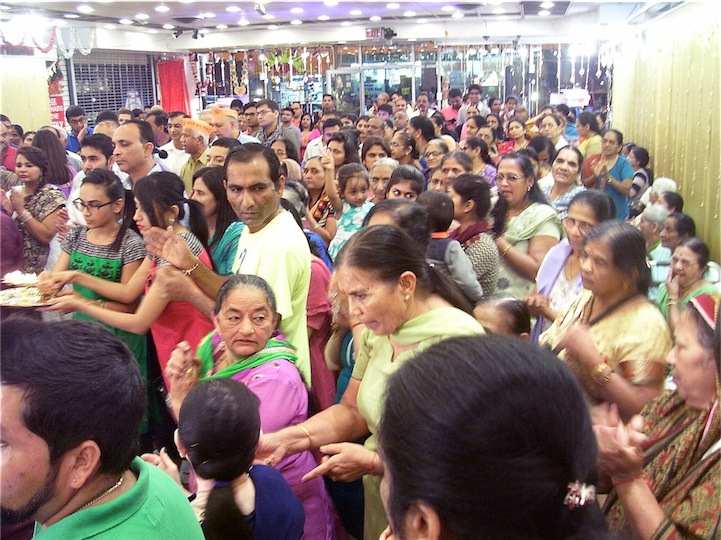
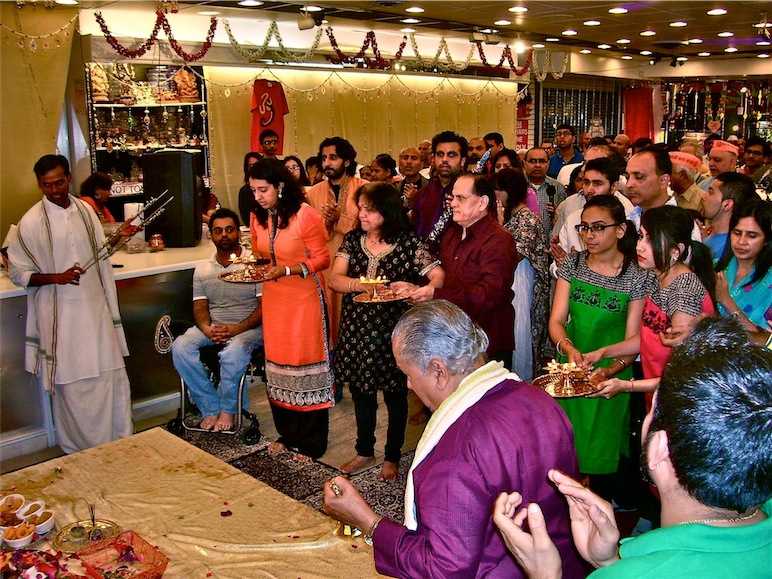
During the Puja Ritual the Temple was Filled to
Capacity |
|
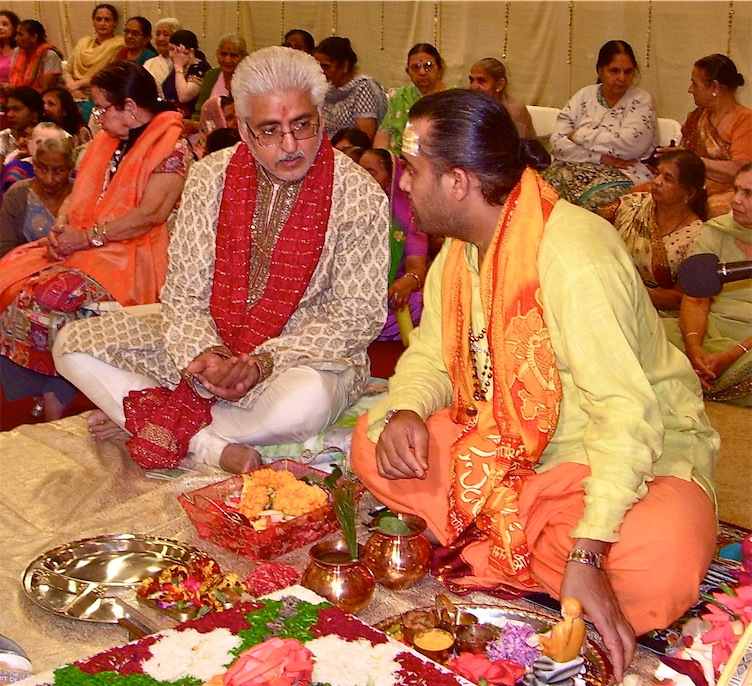
The Ganesha Chaturthi Puja |
|
Celebration with Music and Song after the Ritual |
|
|
Exploration for Ghostly
Manifestation |
|
Celebrating the Halloween Season |
|
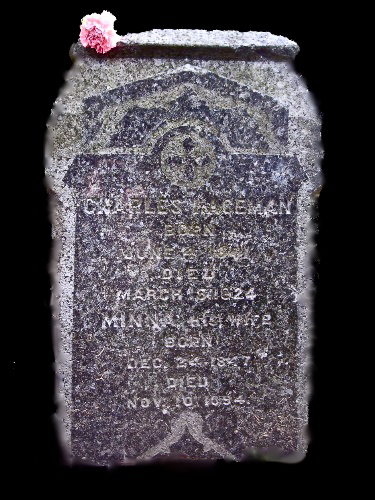
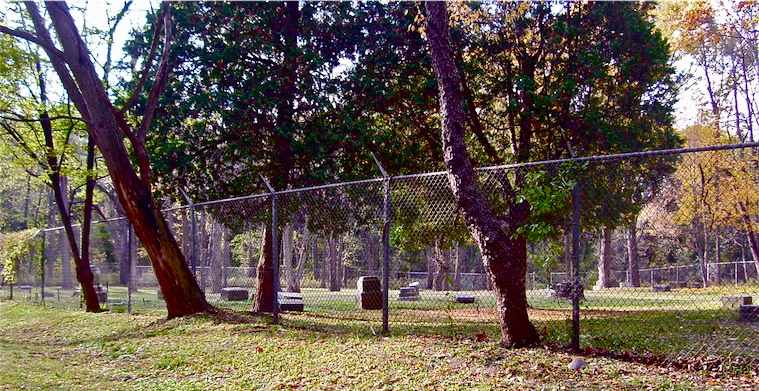
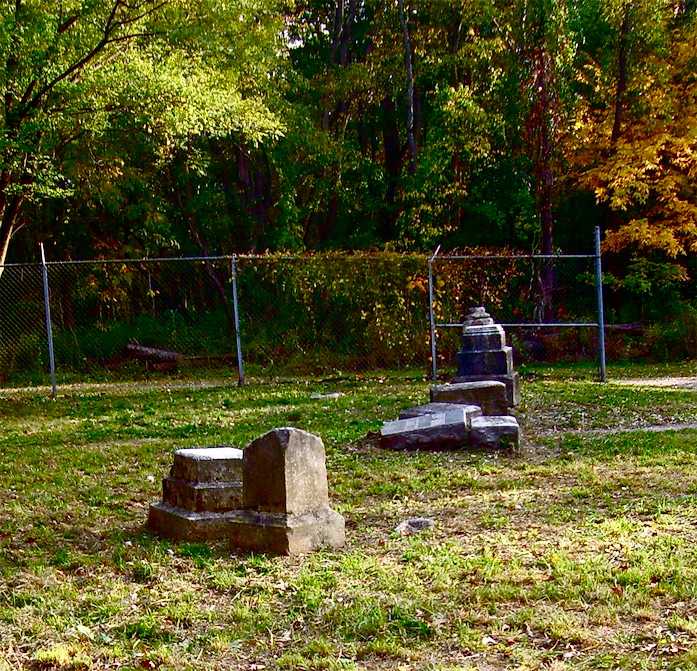
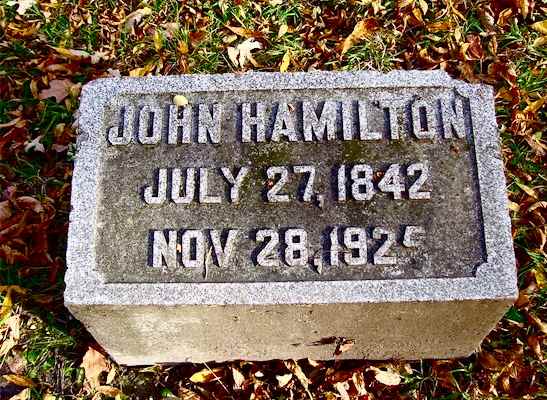
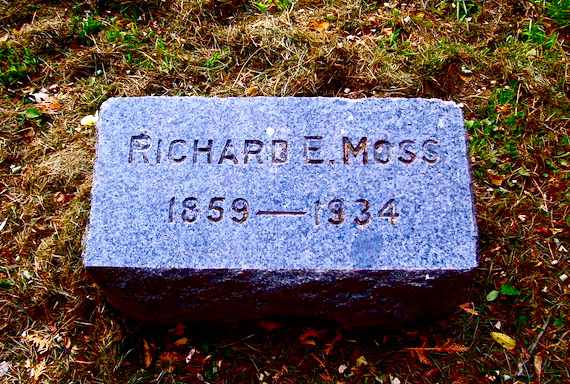
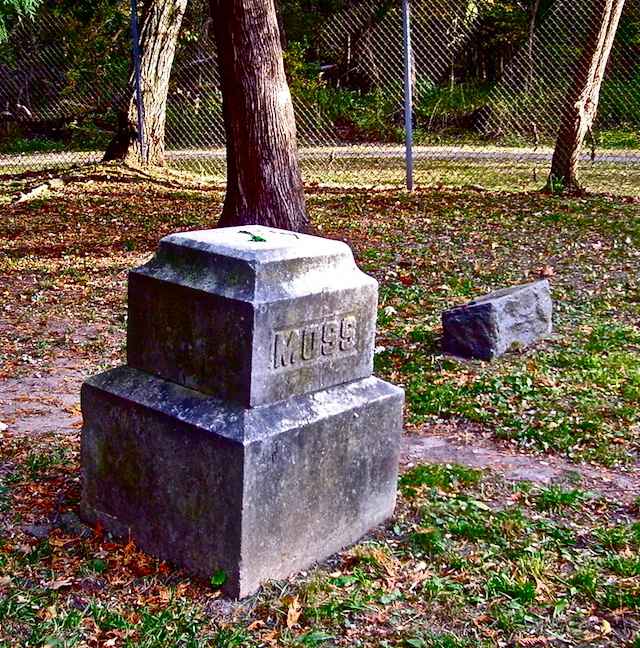
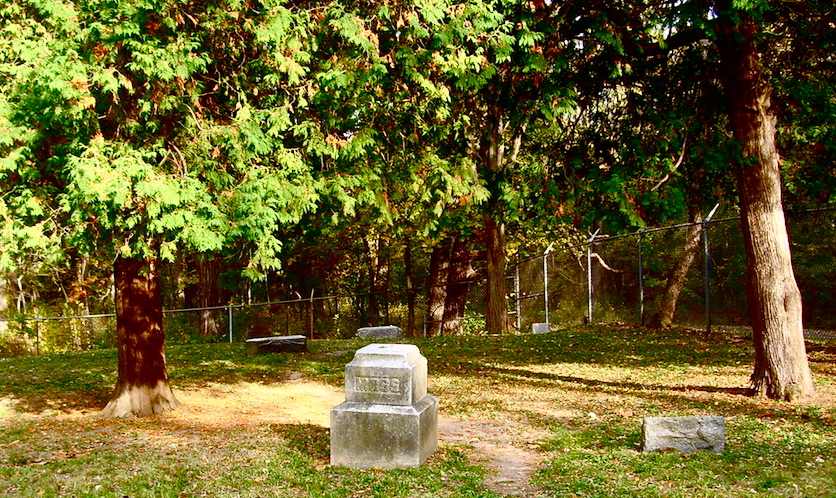
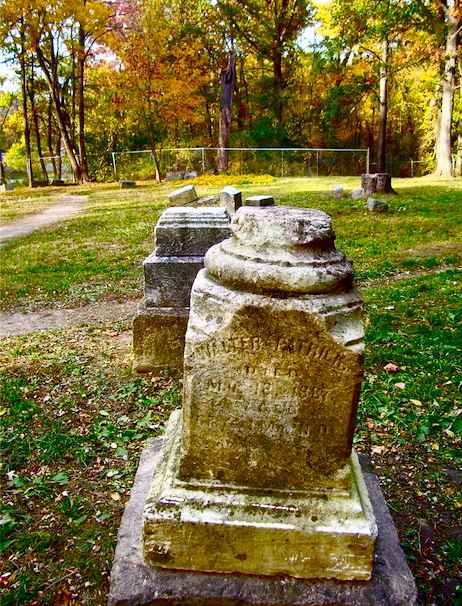
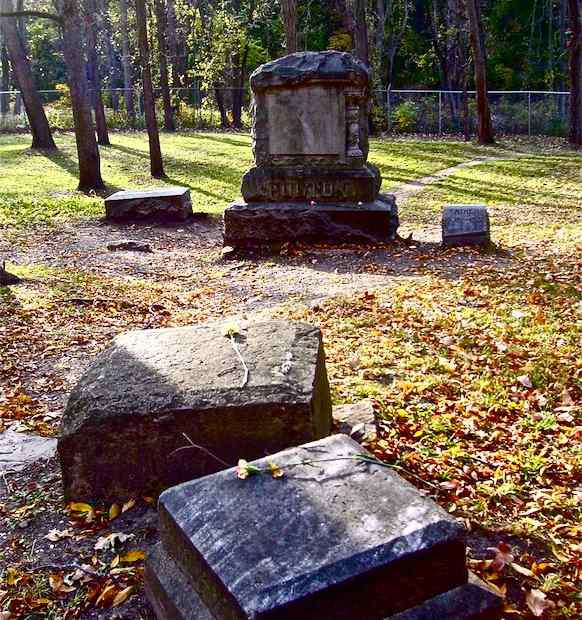
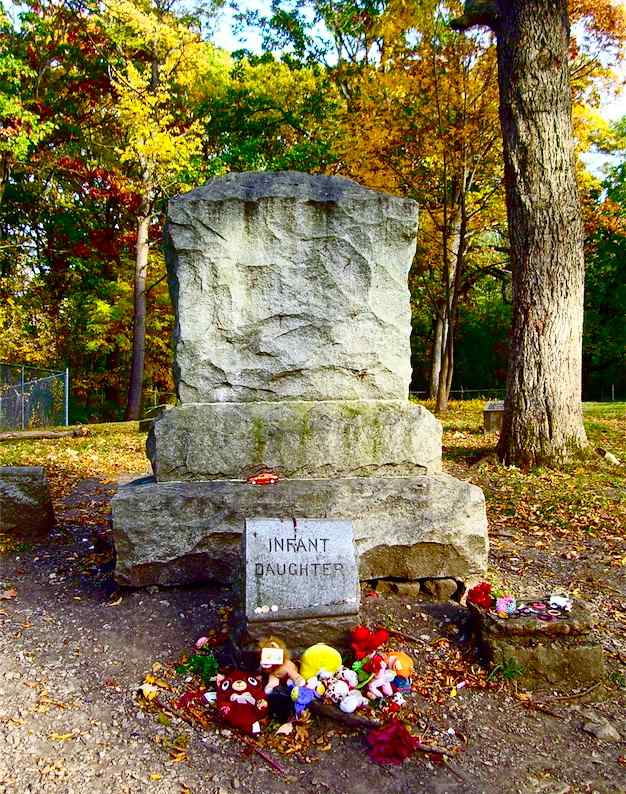
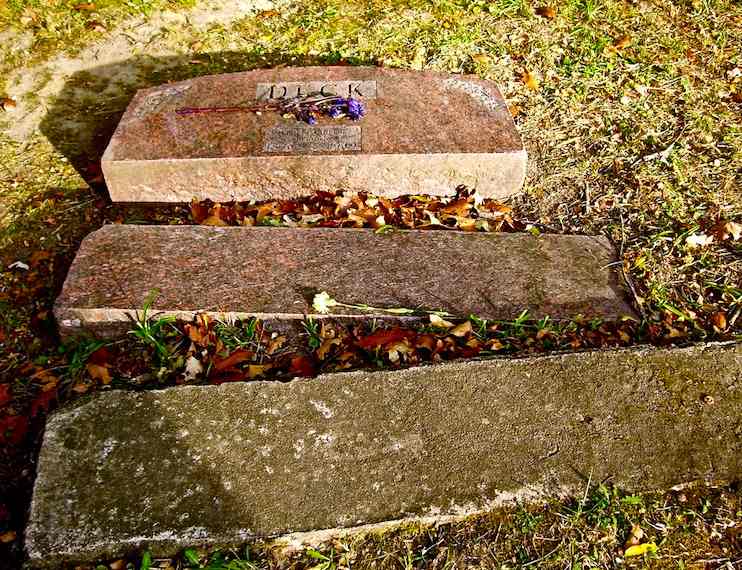
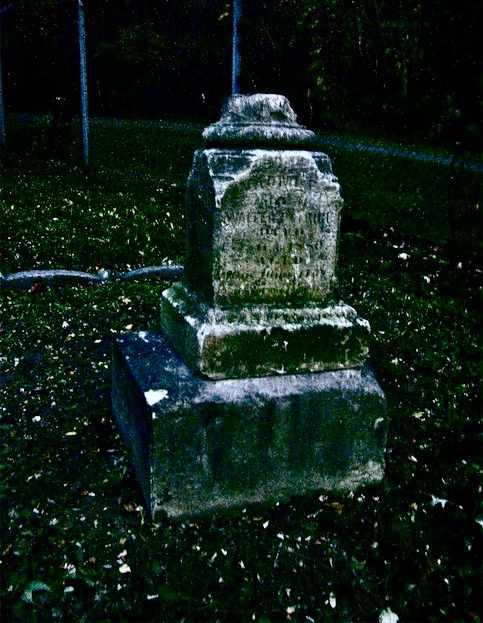
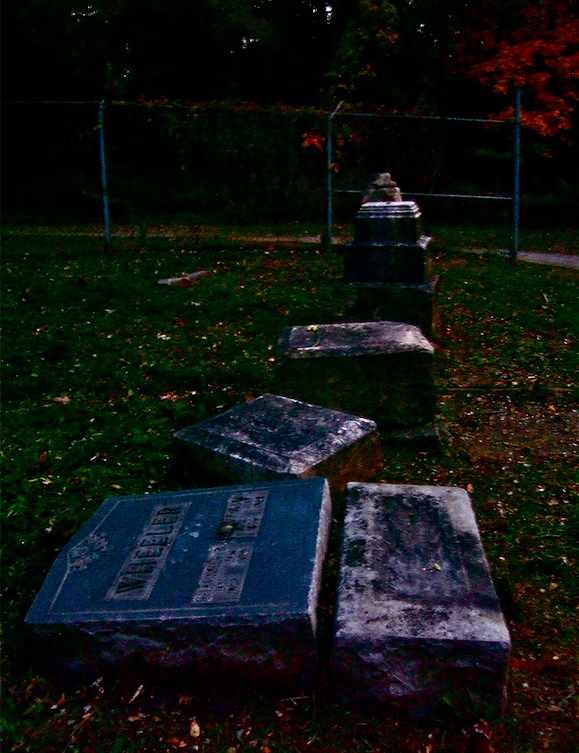
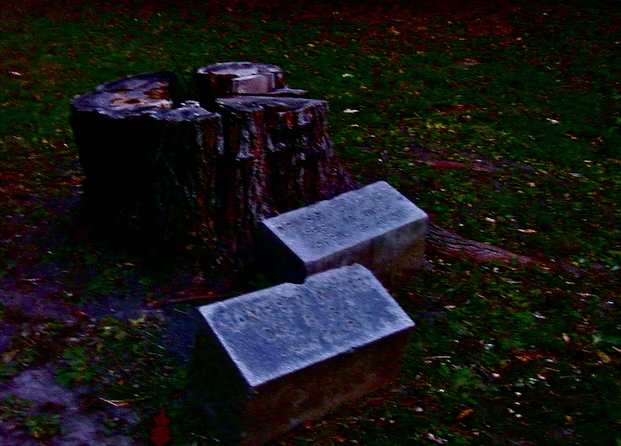
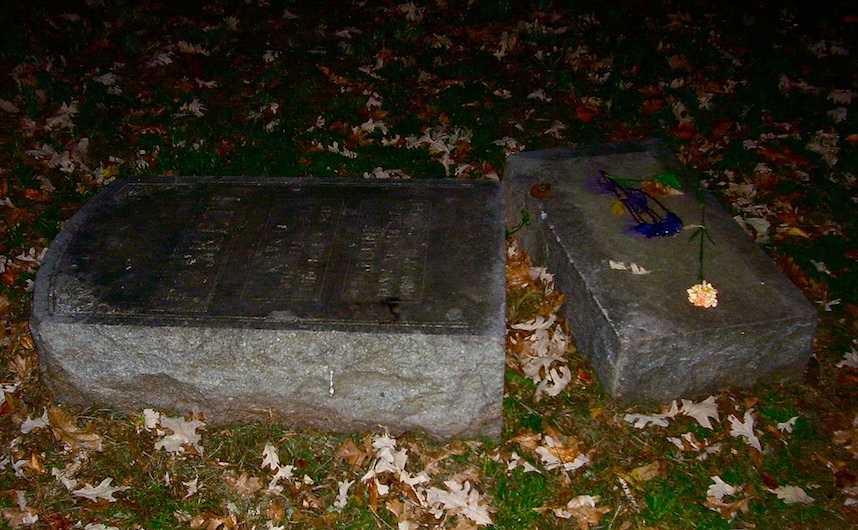
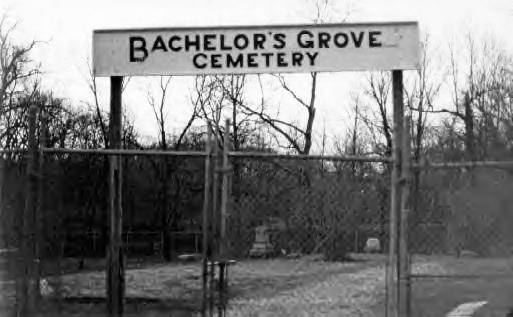
Bachelor's Grove Cemetery
The "Most Haunted Cemetery" in the Chicagoland
Area
One of the Oldest in Southern Cook County, Illinois.
Favorite 'Dumping Ground' for Chicago Gangsters during
Prohibition
A Number of Bodies were found at Bachelor's Grove. |
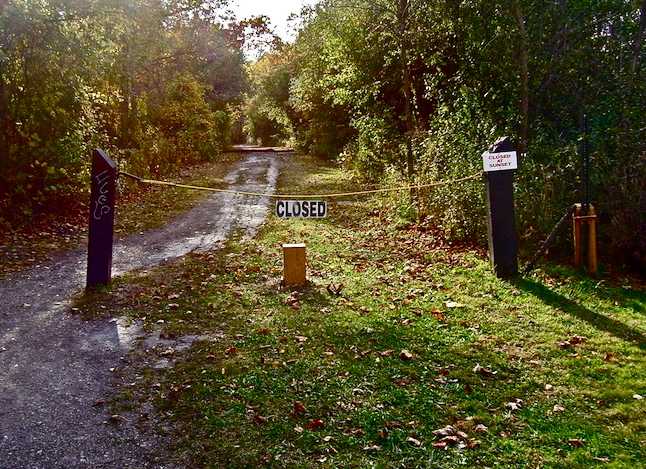 |
Bachelor's Grove Cemetery
143rd Street - East of Ridgeland Avenue
Everdon Woods
Cook County Forest Preserves
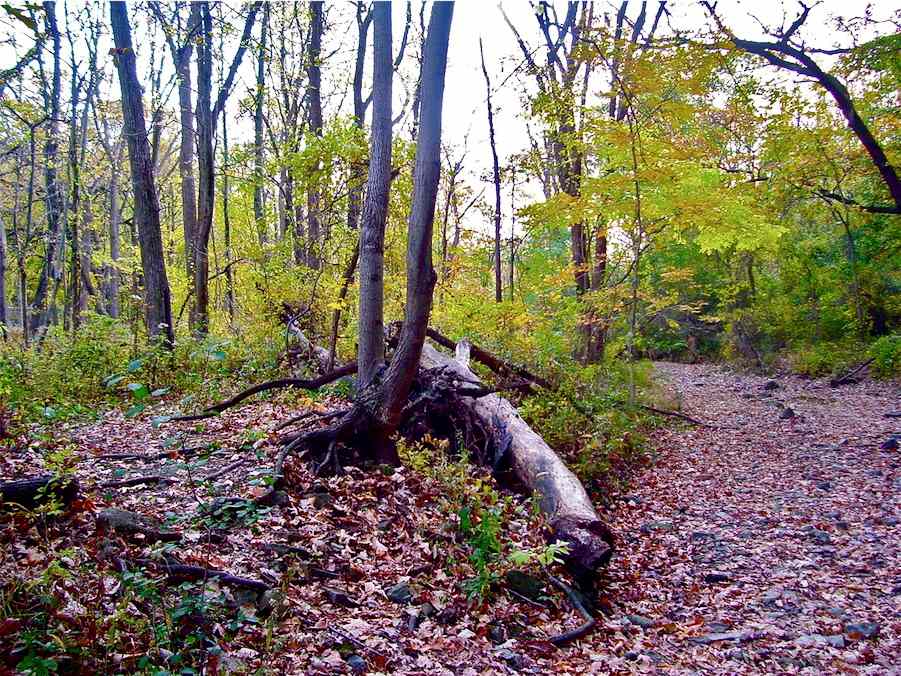
Down a Trail - Originally the Old Midlothian Turnpike
Closed to Vehicles since the 1960s
Wednesday - October 21st, 2015
Green Dragon Society
Ghost Hunt
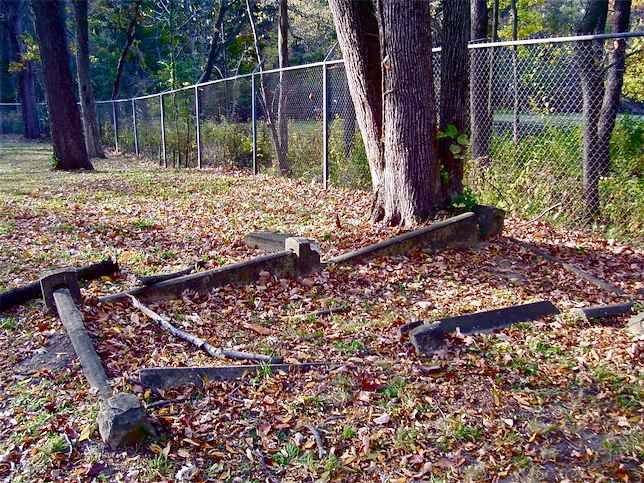
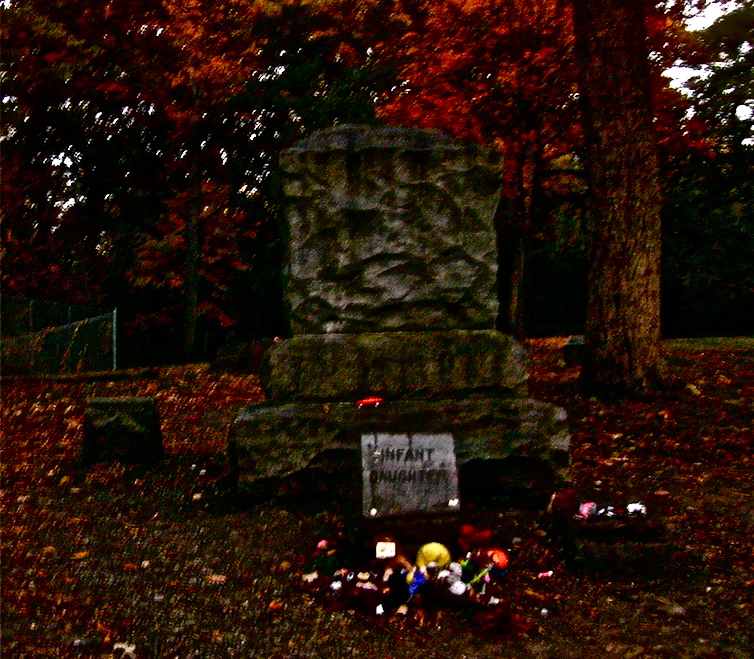
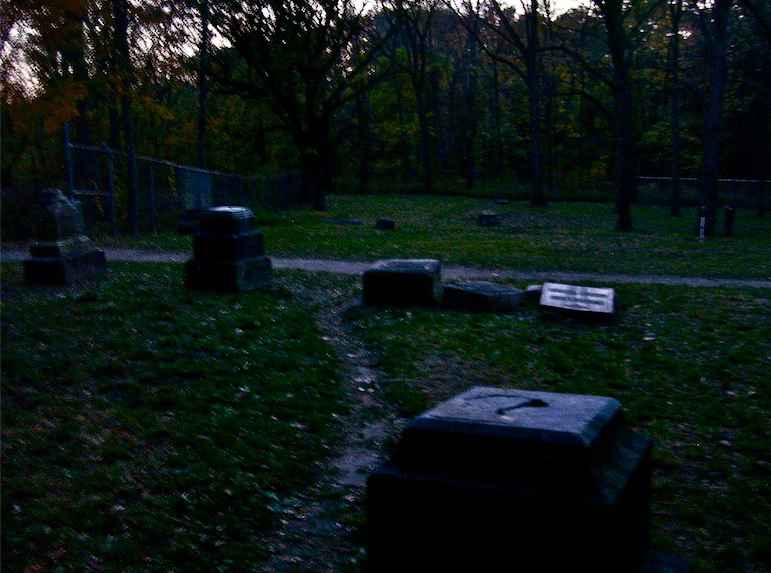
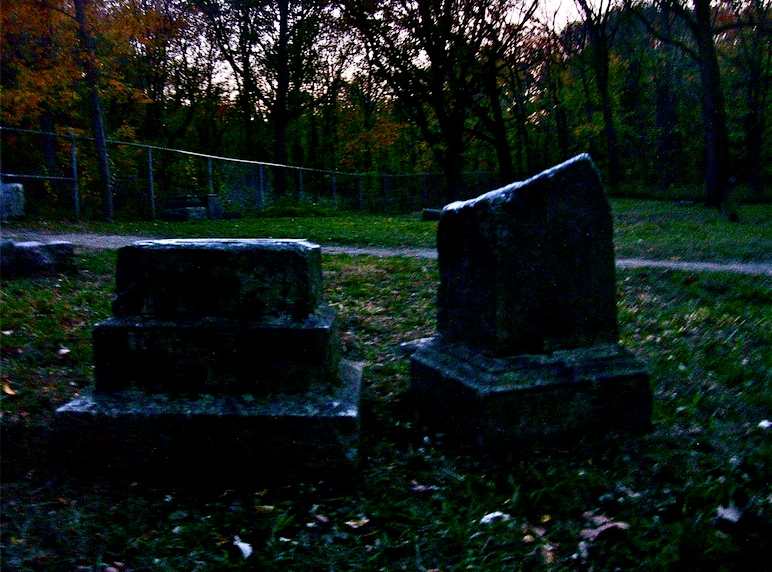
Small and Not Visually Impressive
Bachelor's Grove is a Source of Local Spectral Legend |
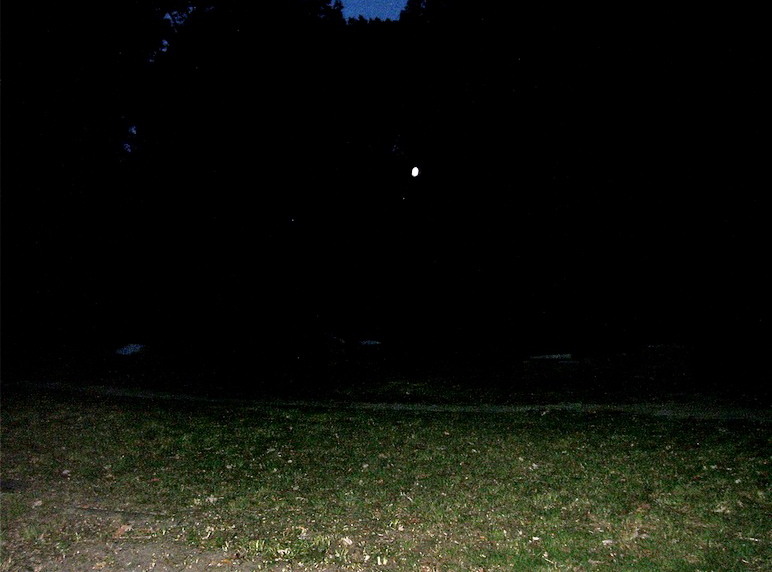
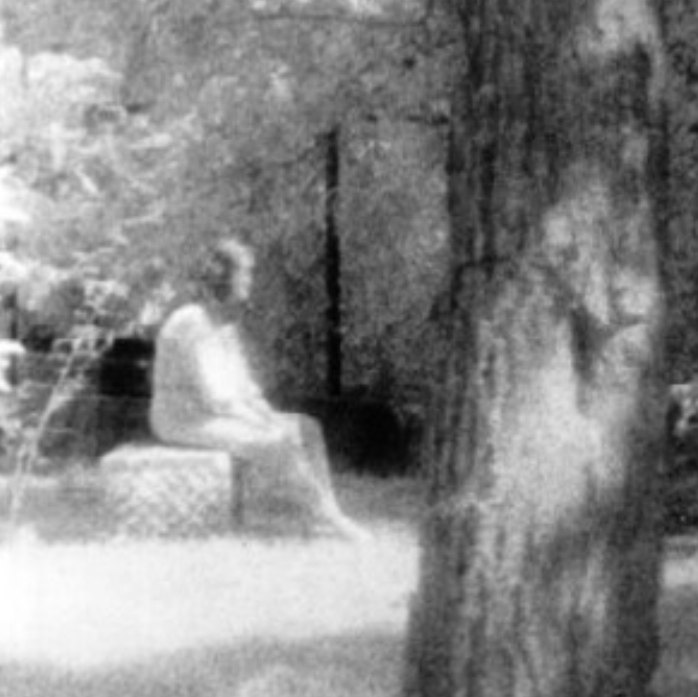
| Bachelor’s Grove Cemetery is considered by many to be one of
the most haunted places in the United States, if not the world. It’s not
uncommon to find the cemetery sitting atop numerous “Top 10 Most
Haunted” lists, due largely to the staggering amount of reported ghost
sightings said to take place there. Including, stories of a strange
floating Blue 'Ghost Light', a Mysterious 'Ghost House,'
human figure apparitions, and other supernatural phenomena. Even the
turnpike near Bachelor's Grove is haunted! Witnesses have reported many
a 'Phantom Car' that always disappears along this abandoned
roadway. |
|
Bachelor's Grove Haunted
Cemetery |
Bachelor's Grove Cemetery was built almost 200 years ago, in
the 1820s. For years, Bachelor’s Grove was a peaceful, undisturbed
sanctuary for the deceased. However, throughout the years, it became
increasingly abandoned.
Even before the closing of the Midlothian Turnpike, the cemetery was
becoming a favorite hangout for area youth as a lover's lane and for
drinking parties. Once the cemetery became further isolated with the
closing of the road, vandalism accelerated. By the 1950's burials were
no longer taking place on the grounds, but a whole lot of making out
was, as local teenagers used the overgrown cemetery as a party spot.
Often the victim of vandalism, abuse and even reported 'Satanic
Rituals', a large number of tombstones were stolen, damaged and knocked
over. By the 1960s, many bodies were moved to other cemeteries by family
members.
There has even been attempts at grave openings and robberies from time
to time, particularly in the 1960s and 1970s. Desecration and vandalism
of the cemetery reached a peak in the 1970s. Many stones were
maliciously broken, defaced, spray painted, and stolen. It is believed
that many of the missing stones have ended up at the bottom of the
apparitional lagoon. |
|
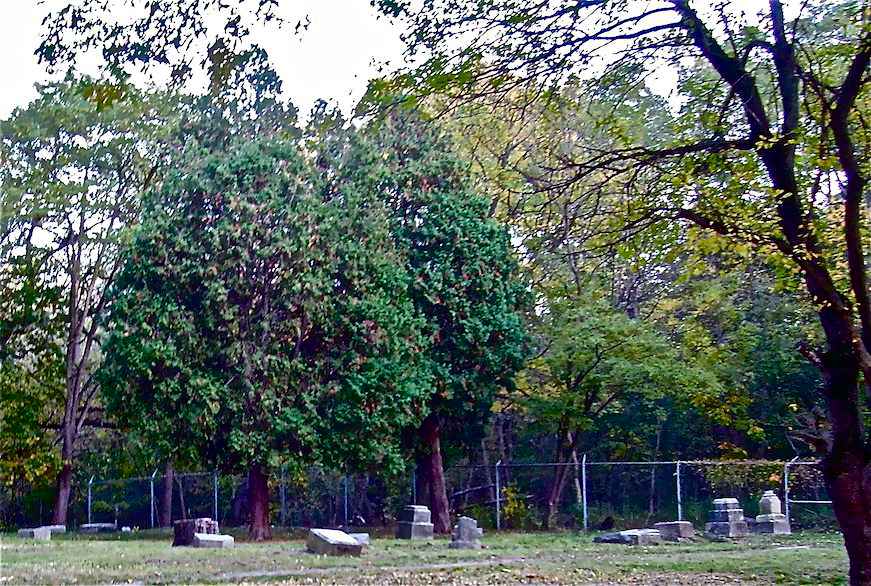 |
| Not just the Graveyard itself, but also features of the surrounding
land, the forest, the swampy lagoon, the creek and the roadway; which
was once called Bachelor’s Grove Road, all are reputed to have their own
manifestations of haunting. All these divergent, natural topographic
features, were observed by the Green Dragon Society on this field trip,
by the use of photography, videography and audio recording devices.
Bachelor's Grove will be mobbed for certain on Halloween. We wanted
to avoid the sightsee crowd and stoned senseless revelers, so the
excursion was planned for eleven days prior to "All Hallows' Eve."
Nevertheless, it was already a busy day at the Graveyard. Unlike the
desecrating past, filled with vandalism and obscenity, the visitors were
respectful, and numerous flowers were thoughtfully placed amongst most
gravestones. Especially decorated was the "Infant Daughter" gravestone,
which had so many dolls and toys.
The Bachelor's Grove Cemetery had been very recently mowed, as the
grass was short, and neither was overgrown brush in evidence. Today,
unlike in past years, it may be the best kept haunted graveyard. What is
left of Bachelor's Grove is but a shadow of its once glorious past, when
it had eighty-two plots. |
|
Bachelor's Grove Cemetery
is in the Forest Preserve |
|
The 'Phantasmal House' is often seen
amidst the Woodlands |
| There are many trails marked throughout this forested land. They are
in many colors. Each color being a separate path to somewhere else.
There are still many young people partying in these woods. We found
ample evidence of that. The picnic table in the middle of full forest
was not put there by the park rangers. It was no doubt a tough job, but
fueled by the boundless energy of youth. The payoff is the midnight
parties. |
|
Remains of Old Midlothian Turnpike - Ends Here |
|
Marker - Sacrificial Teddy Bear? |
Dense Woodland Growth |
In the 1870's, a farmer plowing his land near the cemetery
got too close to the 'Infamous Lagoon', proving to be his fatal mistake.
The horse unexpectedly darted into the water, pulling the plow and
farmer in with him. The weight of the plough kept them both under.
Almost 100 years later, two forest rangers reported seeing the same
farmer plowing his land by the Lagoon.
The Lagoon harbors the so called 'Two-Headed Ghost'. Little
information can be found on this strange apparition. The sinister
background of this eerie green Lagoon is known for originating this
strange monster story. The reason for its two heads is unknown, unless
one is a horse and the other a human man. |
|
Nightime at Bachelor's
Grove Cemetery |
|
Unknown - Luminous Hexagonal Object
Thick Trees & No Visible Lights after Dark |
|
Comments on Bachelor's Grove
Cemetery It was suggested, the light above could be a reflection from the camera's
own flash, bouncing off the lens of a camera in the trees. It being
placed there surreptitiously by the police, in order to keep watch, or
for evidence against criminal activity; from vandalism to murder.
That may be or not, but who was sitting in the car, located at the
Forest Preserve parking lot across the street from the Everdon Woods,
taking pictures surreptitiously, of everyone entering the old Bachelor's
Grove Road on foot?
There was another photographic anomaly. This
concerned a group picture with three of our party. The shadow of one of
the men does not correctly match the individual casting it. The man is
hatless, the shadow wears a fedora hat. The man's hands are clasped
together in front of himself, the shadow appears to hold a gun like
object, projecting beyond the body outline, pointed at the other two men in the photo.
No one experienced any "Other Worldly" behavior while we were on site
at Bachelor's Grove
Later, analysis of images and audio revealed three mysterious results .
. .
(#1) There is a photo taken by camera flash at
night, of an unexplained six-sided light (picture above).
(#2) Another photo captured a distorted, threatening shadow (not
shown).
(#3) And there is an unaccountable, elusive voice, on a video
recording taken shortly before sunset. |
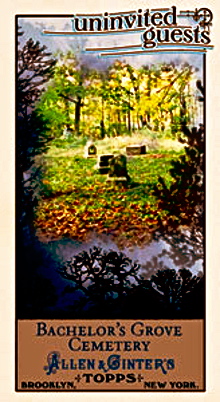 |
|
Not a bad catch for the Green Dragon
Society's "Halloween Ghost Hunt" |
|
Watch and Listen Below
The 'Ghost Voice'
The camera was mounted on a tripod and running
continuously.
This camera uses a micro-cassette tape which was brand new - No previous
recording.
If you only hear birds chirping . . . Your Volume is
turned too Low
Set Volume on High - Until you
hear recording once, then adjust |
|
Bachelor's Grove Cemetery - Ghostly Woman (August
1991) |
August 1991 - Ghost Research Society conducted a
full-fledged investigation with the latest in scientific equipment,
cameras, tape recorders and camcorders. There were a few areas where
unusual readings were encountered. Returning to those areas, the team
attempted additional tests and photographic experiments, with both black
and white, infrared and other types of film. Nothing was seen at the
time of the picture taking.
After the film was processed, it was discovered that on one frame there
was the unmistakable image of a strange woman sitting on a checkerboard
tombstone in an old-fashioned 'Turn of the Century', full-length
dress. She had long brown hair and was staring off in the distance in
profile. On close examination, parts of her body are semi-transparent.
The "Ghost Seat"
Taken at Night by Camera Flash
(photo right) |
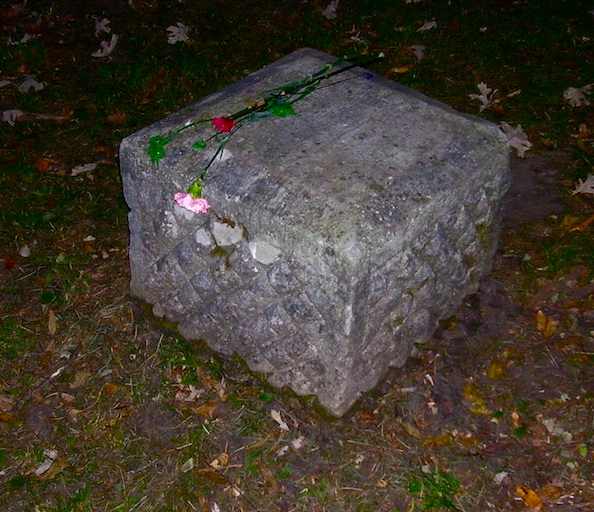 |
|
|
Mystery, Magic and Superstition |
|
Halloween - One of the World's
Oldest Holidays |
|
Halloween is Celebrated on the Night
of October 31st
Halloween is a shortening of "All Hallows’ Eve" |
Halloweens Origins go all the way back to Ancient times with
the Celtic festival of Samhain. This was the Celts version of a
New Years Eve celebration honoring the end of summer and harvest time,
and marking a period of cold, darkness, and death of winter. Celts
believed that this end of the year time marked the time in which the
barrier between the living and the dead became thin. On October 31st the
spirits would come back from the dead and create havoc by damaging the
crops with frost and causing a multitude of other troubles. Samhain
actually lasted for three days in the old times and these three days
were considered the time of "no time".
Hallows Eve was a time for the spirits of the ancestors to come back and
taunt. People would dress up in masks and costumes to keep the spirits
from recognizing them and as an attempt to mimic the evil spirits or
appease them. |
 |
Halloween Night
Chicago Nightlife
in the
Wicker Park, Old Town and Lakeview Neighborhoods
Northside of Town
October 31st, 2015
Green Dragon Society
Holiday Celebration
The Green Dragon Society began in
Lakeview
An excellent Mexican meal at 'Cesar's Killer Margaritas' on Broadway
Classic dishes and a festive, friendly atmosphere
Next came Old Town, which was expensive and dead!
Then to the Wicker Park nightclub scene for the remainder of the unholy
night. The Emporium being one haunted oasis of otherworldly antics |
|
Cesars Restaurant |
Fantastic Waitress |
|
Chicago has about 200 Theaters (live plays - local
talent) - Many are in Lakeview |
|
Belmont Avenue - Lakeview |
| On Halloween - Old Town was a desolate desert of inactivity
amidst the overcharging, multimillion dollar joints (pun intended), that
have replaced the classic Chicago buildings still extant in the 1960's. |
|
 |
The Only Landmark Left - Amongst the too brilliant lights and
mostly empty establishments in Chicago's Old Town, is the Up Down
Tobacco Shop. Established way back in the early 1960's it was right
in the middle of the Hippie movement. All around the Up Down Shop on
Wells Street the storefronts were occupied by the freethinking,
freewheeling, freeloving, graduates of the summer of love.
Old Town had the 'Wax Museum' and 'Ripley's Believe It Or Not',
which was a storehouse of the unusual. It had the famous 'Mark 1st
Antique Weapons' store. Once Old Town was a tourist attraction,
loaded with bizarre and occult shops. Pipers Alley had hand crafted
weapons for sale and artisans of all kinds wandered through. The glass
blower made whatever chemistry tube you envisioned and the sketcher
turned out your likeness in a few minutes. The windows above were open
with beautiful women looking down upon the scene. There was a party
going on that never ended. If you were invited in someplace, the real
fun began. That was the 1960's in Old Town Chicago.For the Green
Dragon Society today, after one expensive drink for old time's sake, we
were ready to move on to Wicker Park and the truly haunted festivities.
Halloween Night was about to really begin. Midnight was nigh! |
|
Emporium Daytime |
Midnight Halloween Night |
|
The Emporium had a wild party in progress when we
arrived. The place was packed. The music was undefinable, but
out-of-this-world appropriate for All Hallows Eve. The special effects,
lighting and sound, with the creatures of the night in costumes, cast
the shadow of ambience across the experience. Besides which, the drinks
were more reasonably priced. |
|
Dance Floor 'Mob in Motion' |
|
The Mets - "Sweeping" the Cubs in the Playoffs |
|
|
"I Am" Ascended Spiritual Order |
|
The Library of Congress describes
the St. Germain Foundation as a Religion |
|
"I Am" - Emphasizes ways for Individuals to 'Become
Aware' of their “I AM” or “God Presence”
This flows from God - the Mighty Creative Fire at the Center of the
Universe |
| "I AM" theosophical movement was founded in Chicago in the early
1930s by Guy W. Ballard (1878–1939), a mining engineer, and his wife,
Edna W. Ballard (1886–1971). The name of the movement is a reference to
the Bible verse in which God replies to Moses, “I am who I am” (Exodus
3:14). Ballard claimed that in 1930 during a visit to Mount Shasta (a
dormant volcano in northern California), he was contacted by St. Germain,
one of the 'Ascended Masters'. Services involve communication with, or
chanting to, the Ascended Masters, such as Jesus or Saint Germain.
Ultimately, each person hopes to ascend into the "Divine Realms". The
reciting of decrees, or 'Invocations of the Divine', which call for the
manifestation in the visible world of a desired condition, or the
removal of an undesirable one, is the primary devotional activity of
members. |
 |
Saint Germain Foundation
"I Am" Temple
Founded 1948
176 W. Washington St.
Downtown Chicago
60602
Monday - November 30th, 2015
Green Dragon Society
Visited Temple
The "I Am" Temple, Saint Germain Order, is a religious,
yet secretive organization, and photos are not allowed beyond the first
floor foyer and reading room. The "I Am" Temple Foundation is also
unapologetically patriotic. They aren't really open to the public
either. |
| The Temple is open to the general public on a very limited
basis. Only the reading room off the lobby is allowed. Hours are
Wednesdays and Sundays for three hours per day. The Temple is otherwise
closed except for members of the religion. No one is ever allowed beyond
the lobby area. |
|
Is the "I Am Temple" in Chicago
Closing? |
Word reached the Green Dragon Society, from reliable sources, that
the long established and legendary, "I Am Temple" in Downtown
Chicago, was scheduled to close its doors permanently, on November 30th,
2015. This due supposedly to long running issues between the Temple
and the city of Chicago. Information on the internet about this issue,
was elusive to non-existent, which is nothing unusual for the "I Am"
Temple. So we decided to just go ask the spiritualists at the Temple for
the story. A small group of GDS Officers agreed to participate in this
excursion.
Upon our arrival the Green Dragon Society was immediately ushered into
the Temple, which is never open on Mondays, and given an audience with
the highest ranking member of the 'I Am Movement' present. She informed
us that the "I Am Temple" is not yet ready to capitulate to the city of
Chicago. She said the November 30th, 2015 date was accurate, but is now
postponed. They are still fighting to remain at their traditional
sanctified headquarters. She sounded like nothing on Earth could move
her out.The Green Dragon Society experienced a most powerful
spiritual interaction with the "I Am Temple". The conversation on
esoteric subjects was profoundly illuminating and vastly interesting.
The wisdom and teachings of Saint Germain shown through the discourse
and spiritual demeanor of our hostess.
This Temple is important, for it has been at the origin and epicenter
of this religion for well over sixty years. But regardless, today in
the 21st century, the Saint Germain Foundation reports more than 300
chartered "I Am" sanctuaries in the United States and around the world. |
|
 |
_Chicago.jpg) |
| The "I Am" Temple structure is a thin and stately, 12-story,
red-brick building. It was erected in 1916, originally as the old
Elks Club Building, and later served as a gathering place for servicemen
during World War II. In 1948, the Saint Germain Foundation opened the "I
Am" Temple. The Washington Street facade is bathed at night in purple
light. |
|
"I Am Temple" Window Displays on Washington St.
Below - Details from the Window Exhibits |
|
The "I Am" Enlightenment |
Ascended Master Jesus |
|
"I Am" Religion considers themselves Christian
Jesus, an Ascended Master, is in Communion |
|
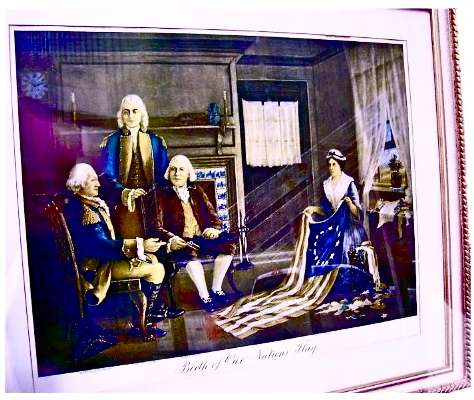
Betsy Ross - Sews First American Flag
Saint Germain Foundation Teaches Patriotism |
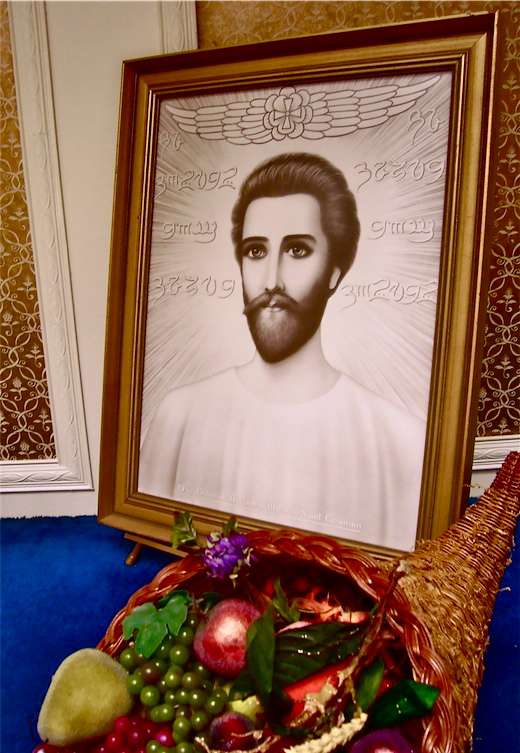 |
|
"I Am" Prophecy - America Plays Important Role |
Saint Germain |
|
Quote - From the Count St. Germain |
|
"I Am" Movement on Government |
|
Entering the "I Am Temple" - Lobby/Reception |
|
Founders 'Life Size Portrait' in Lobby (Guy Ballard
and wife Edna) |
|
Founding Ascended Master - Saint Germain |
| Comte de Saint Germain - 'Wonder Man of Europe'. Many other
names belong to the fascinating and mysterious man chronicled as, "The
man who knows everything and never dies". He is well known for his
involvement with shaping 18th century Europe. He was a favored guest at
Versailles, confidant to King Louis and Marie Antoinette, Napoleon,
Catherine The Great of Russia, and many other heads of state during that
time. He was known to have lived over 300 years, never aging, partially
due to a 'Mysterious Elixir' and other Alchemical
Substances he created. |
|
Following the conference at the "I Am Temple" - A
short walk brought us to the Daley Center.
Daley Plaza was in full swing on a 'German Christmas Village'
theme. Various gift shops and German foods. |
|
The Chicago Picasso (Untitled Sculpture) |
|
The Daley Center building was the first ever to be
clad with untreated Corrosive Tensile Steel. Designed to rust overtime,
the steel actually strengthens the structure and develops a natural rust
patina giving the Daley Center its distinctive red and brown color.
(Not apparent in this photo) |
|
Chicago Street Musician |
Holiday Lights at Daley Plaza |
|
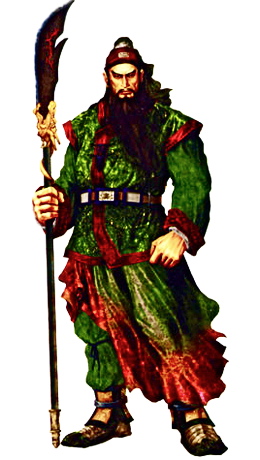
|
End of Year Dinner
Traditional Winter Gathering
Evergreen Restaurant
Hong Kong Style
Cantonese
Sichuan & Hunan Specialties
2411 South Wentworth Ave.
(312) 225-8898
Tuesday - December 22nd, 2015
Green Dragon Society
Winter Solstice Dinner
|
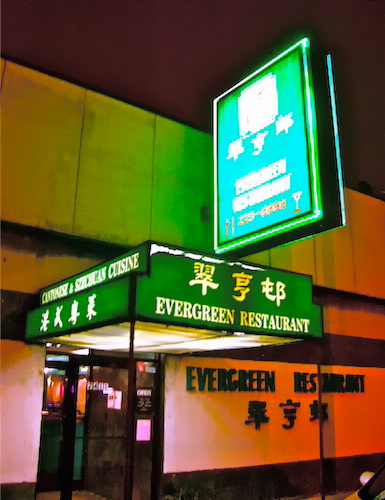 |
|
Namo Amituofo
Buddhist Ceremony |
|
Namo Amituofo
means "Infinite Light, Infinite Life, Infinite Wisdom”
Amituofo is also a Greeting Word of Chinese
Buddhists |
|
Especially the Pure Land and Chan Traditions |
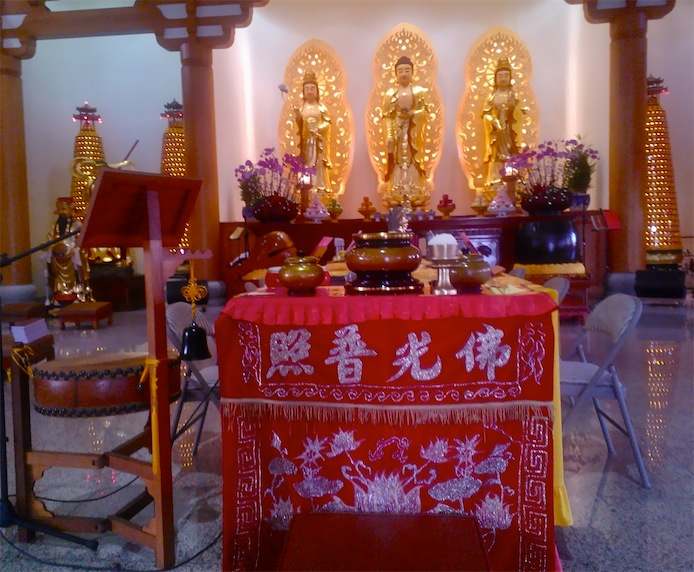 |

Dharma Seal Temple
3039 Del Mar Ave.
Rosemead, California
(626) 288-5567
Amituofo Buddha Ceremony
Sunday - December 27th, 2015
Green Dragon Society
Attended Ceremony |
|
|
|
|
|



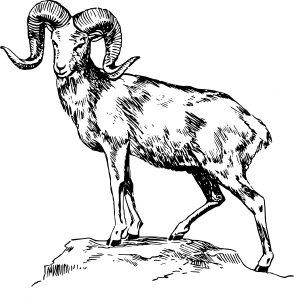
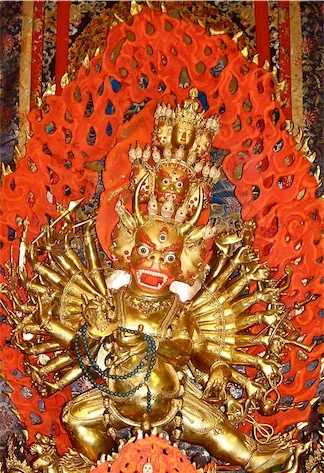

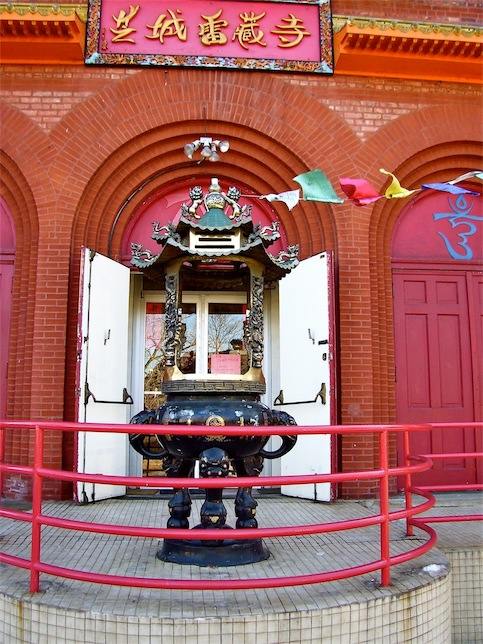
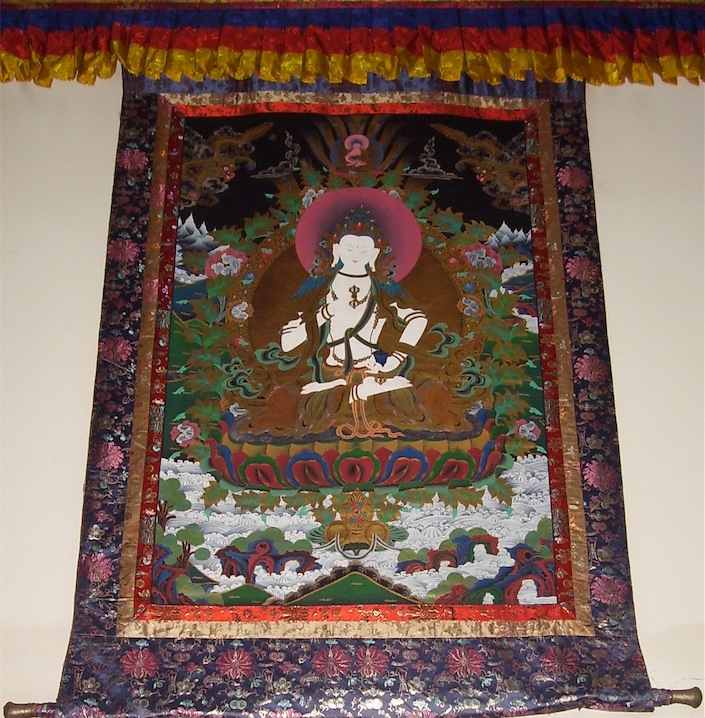

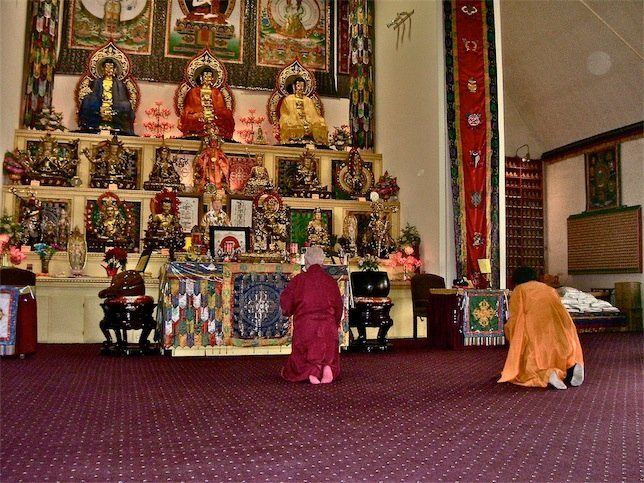
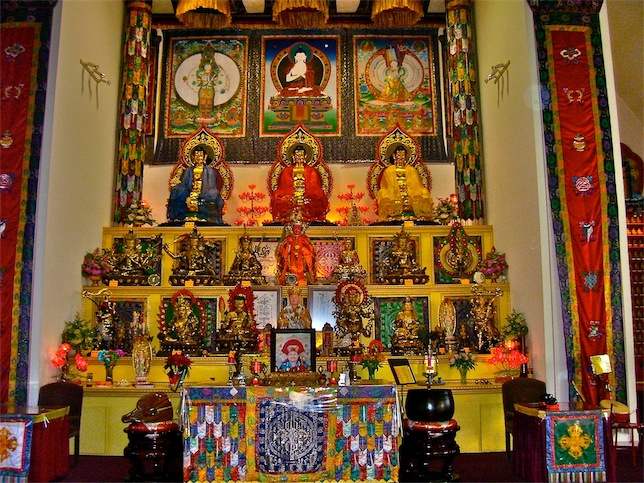
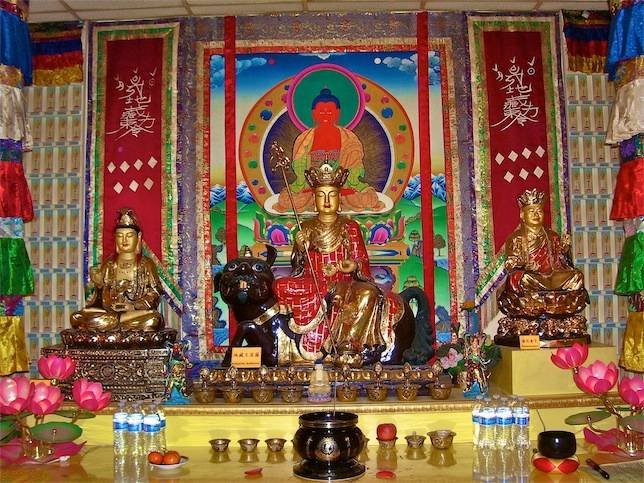
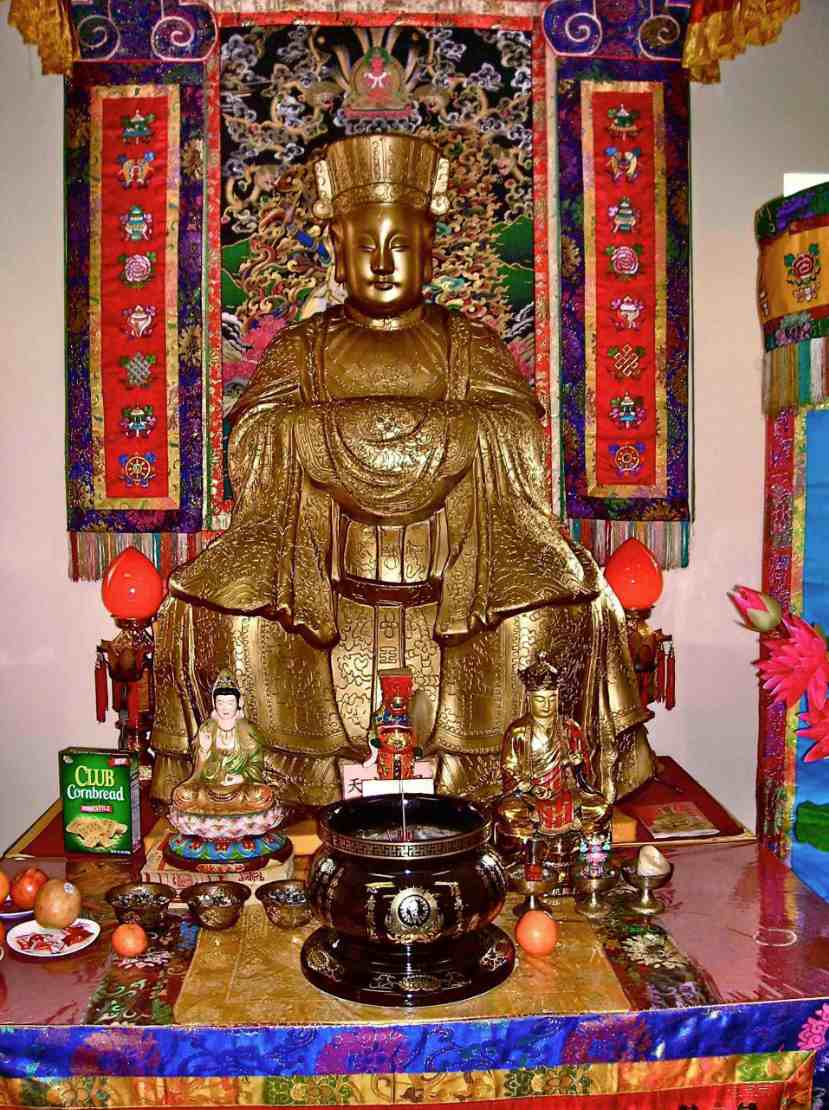
_Dharma%20Protector%20Chamber.jpg)
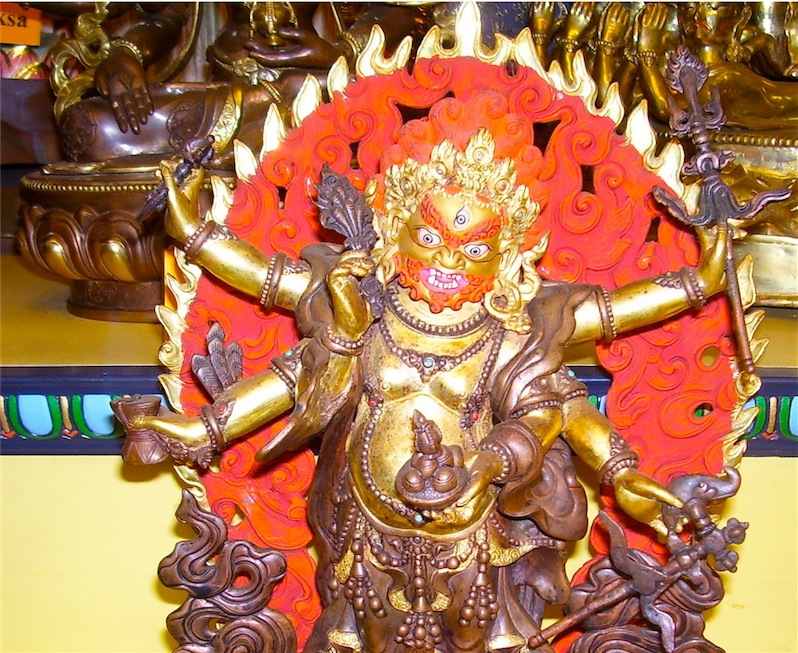
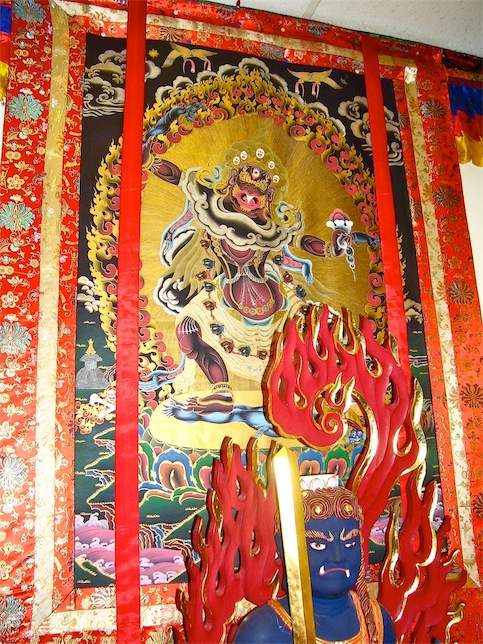
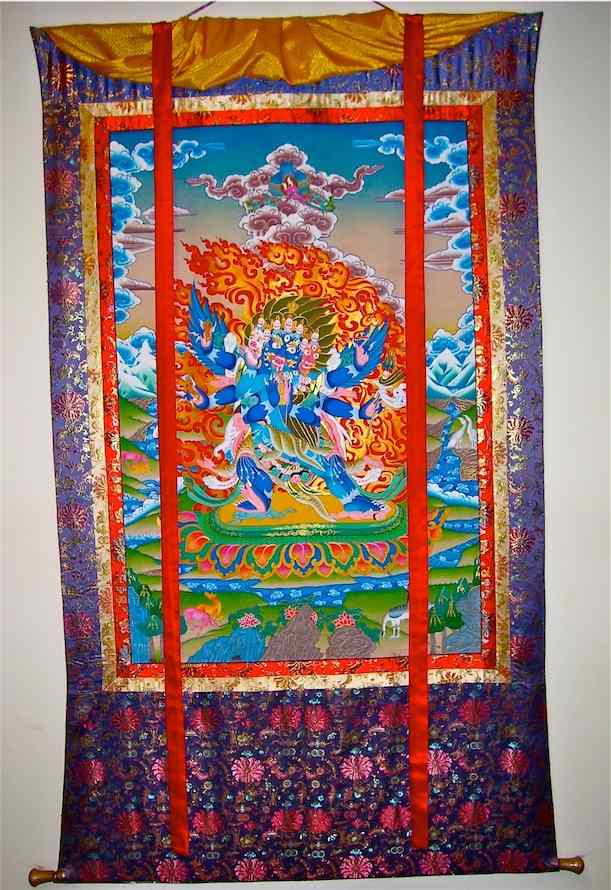
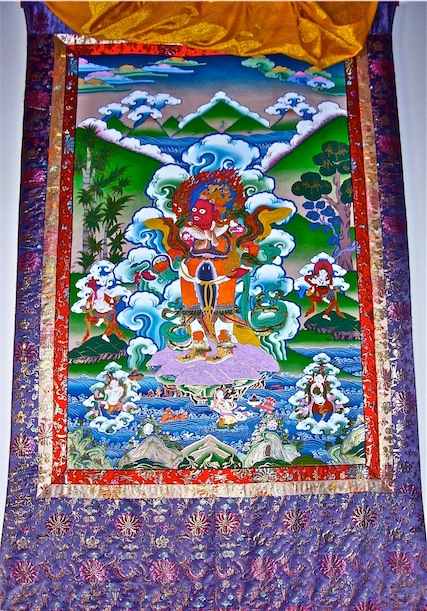
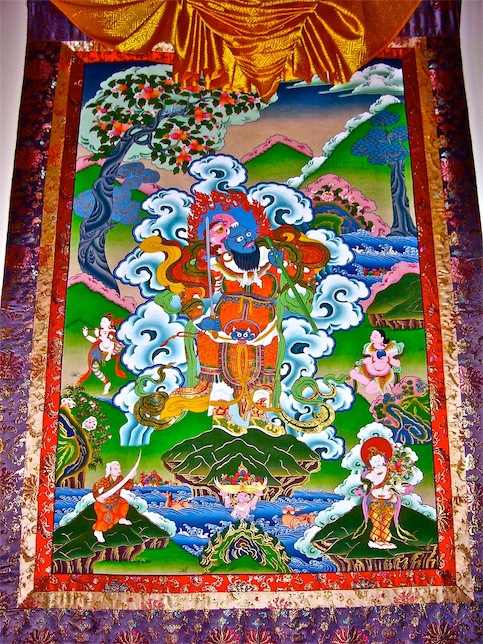
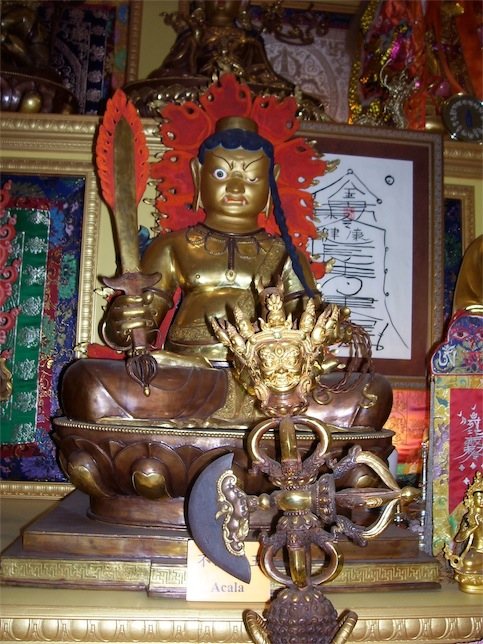
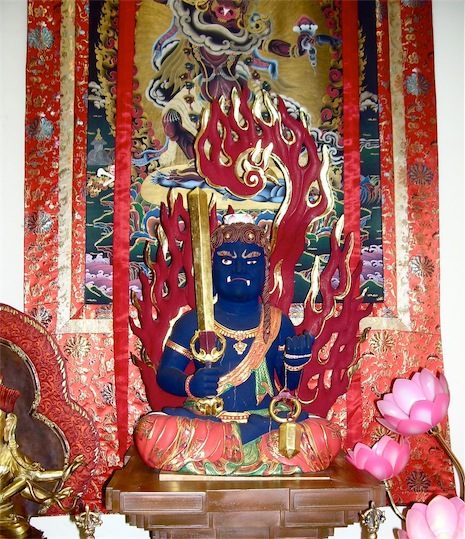
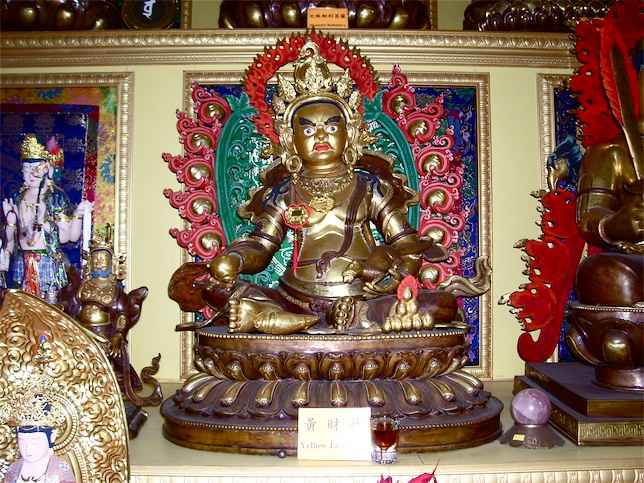
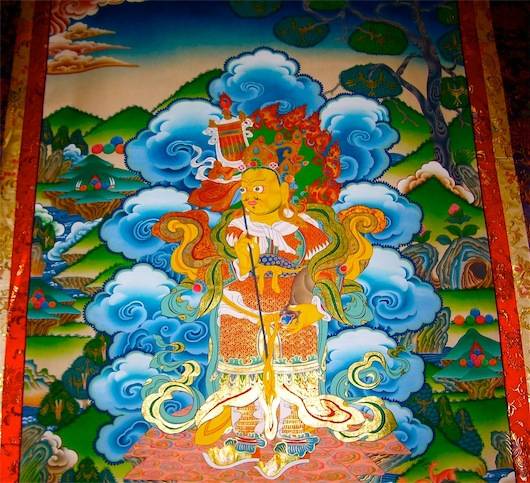
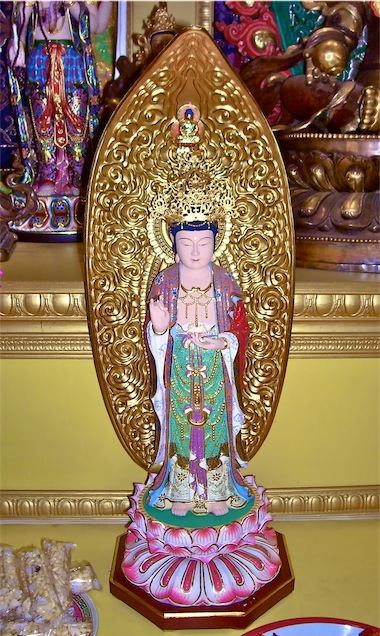
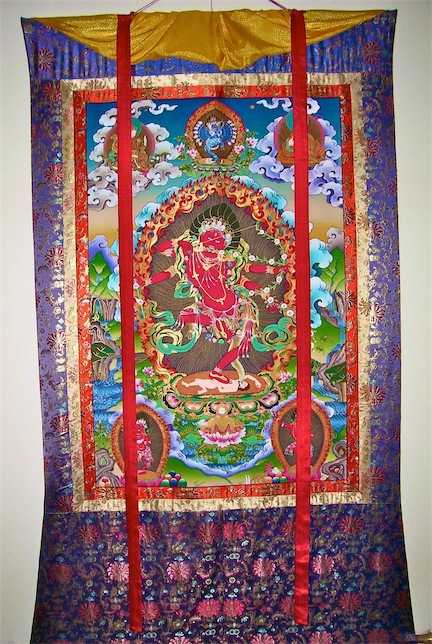
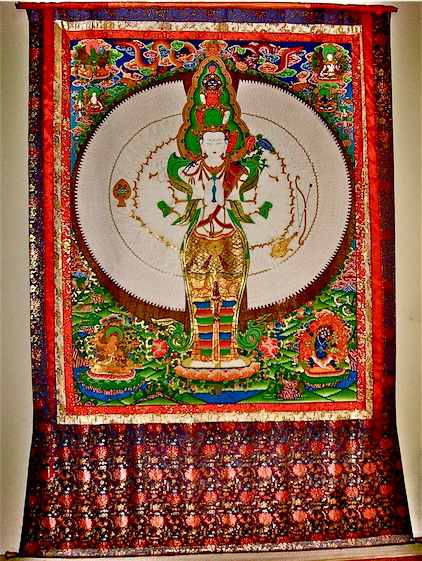
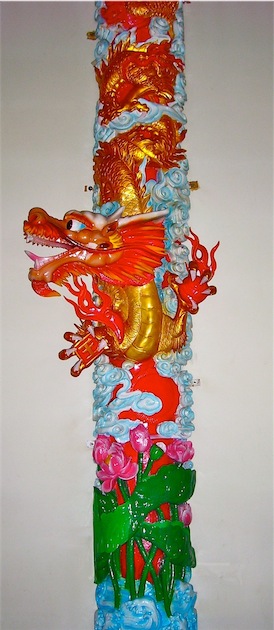
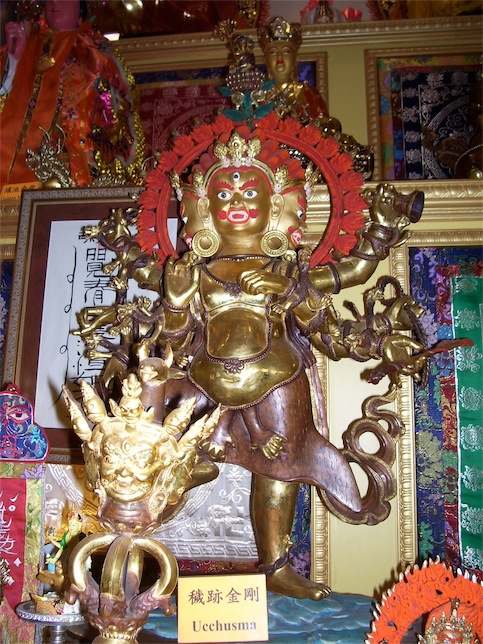
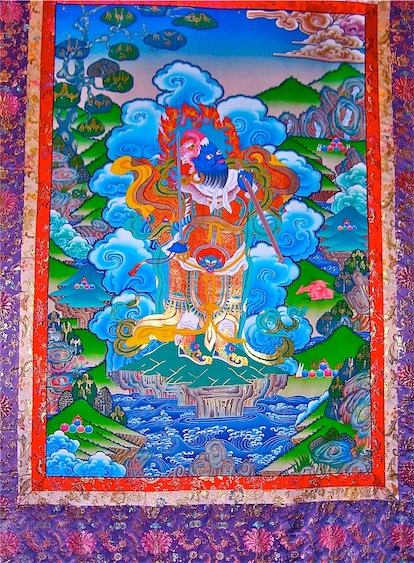
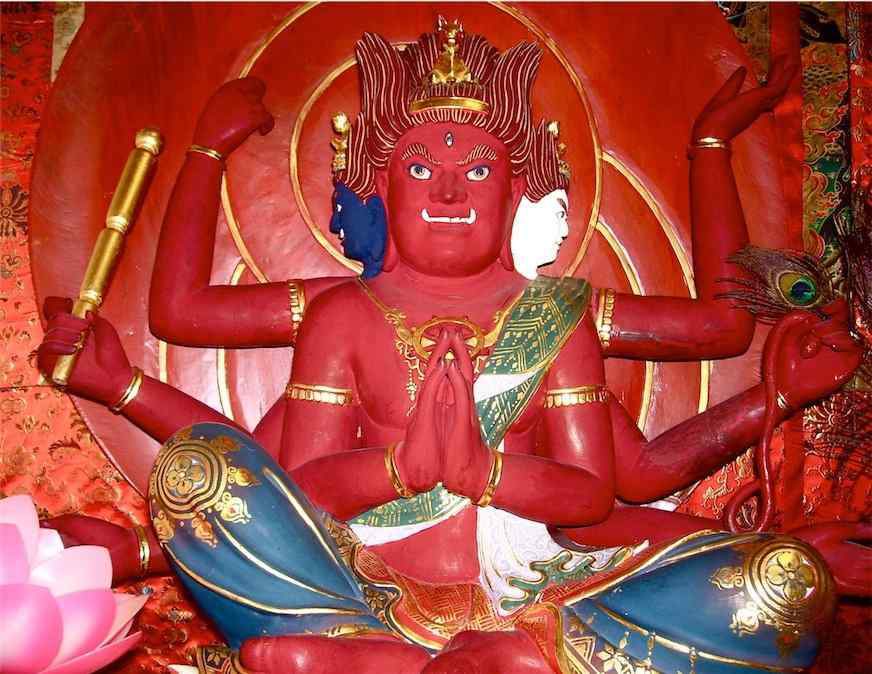
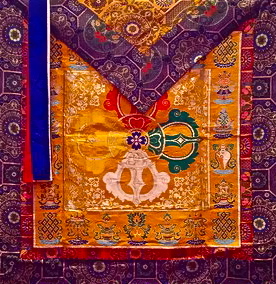

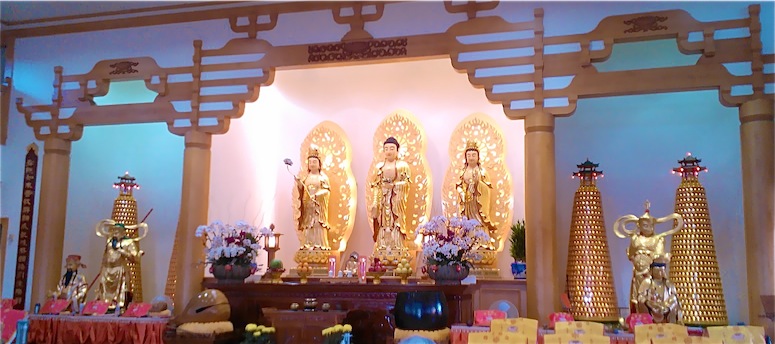
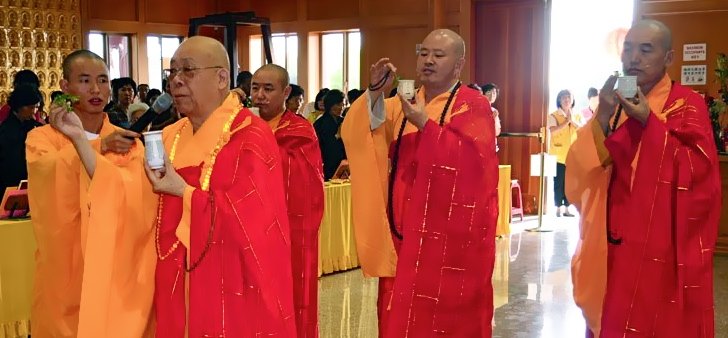
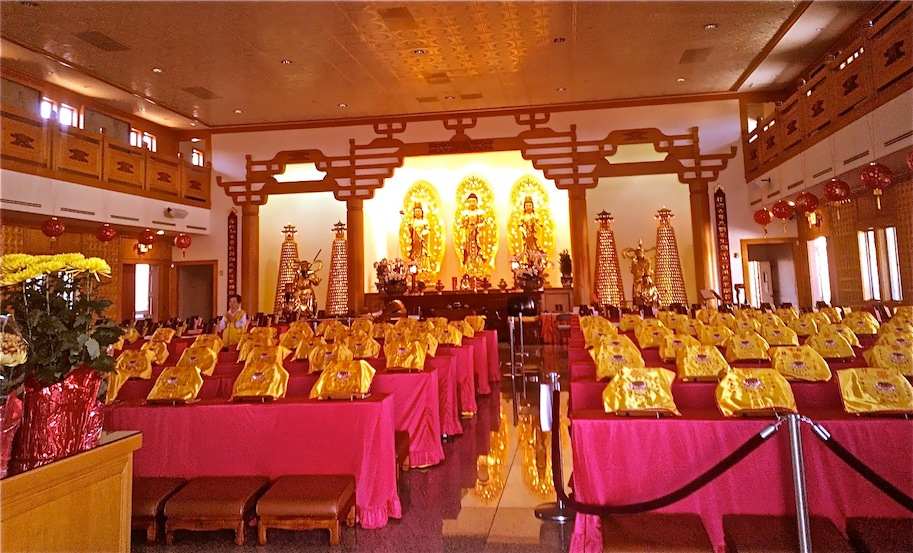
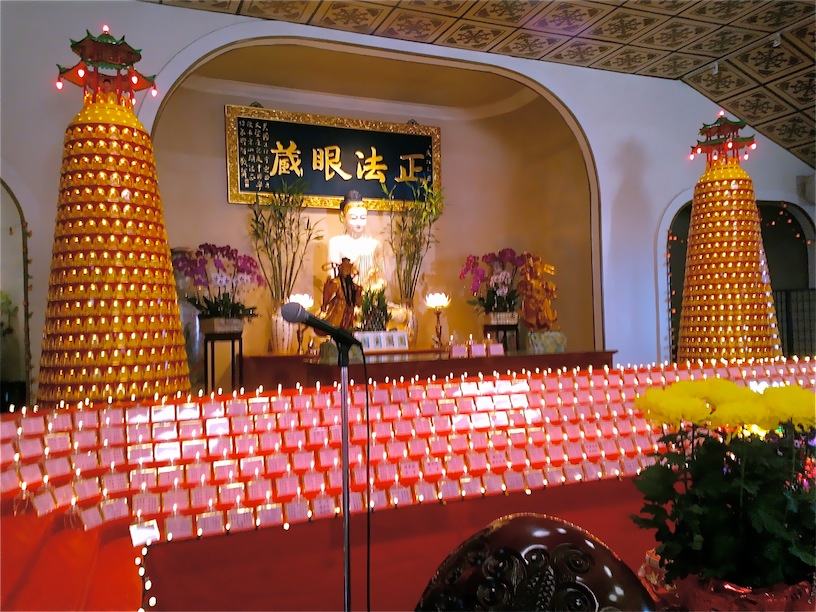
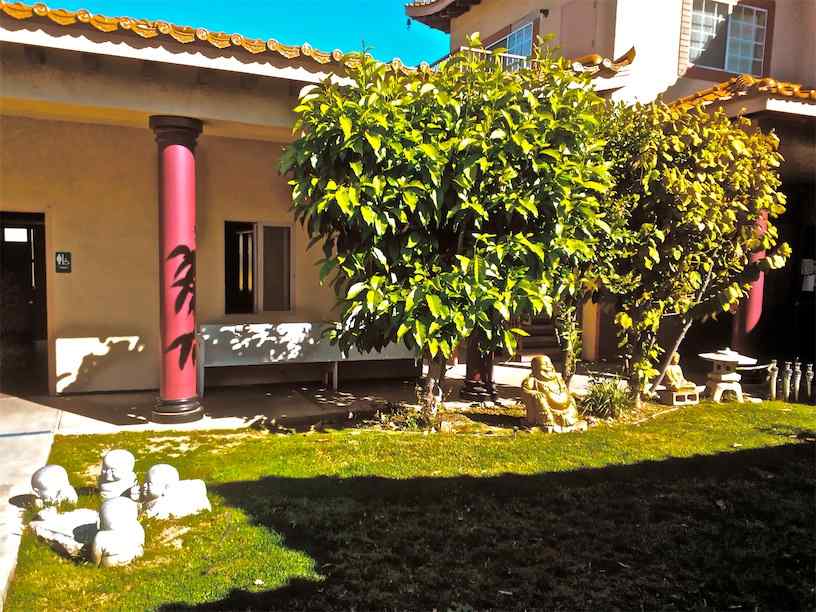

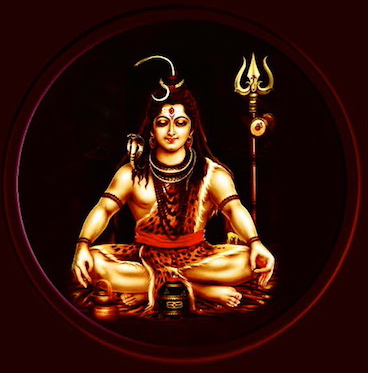
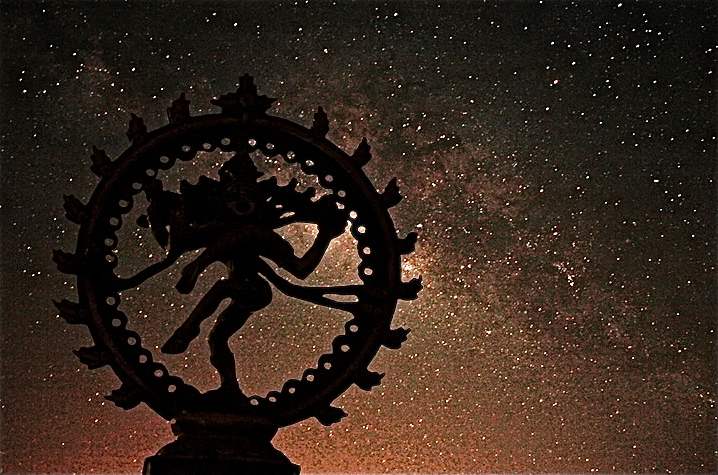
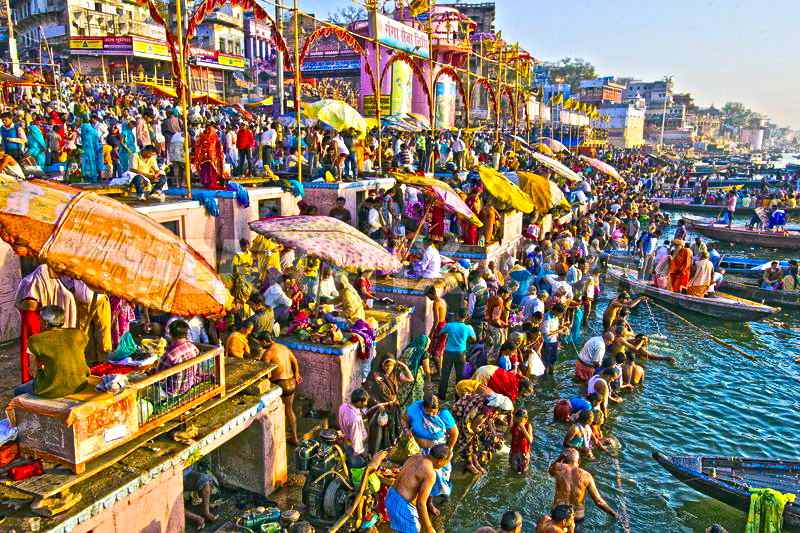
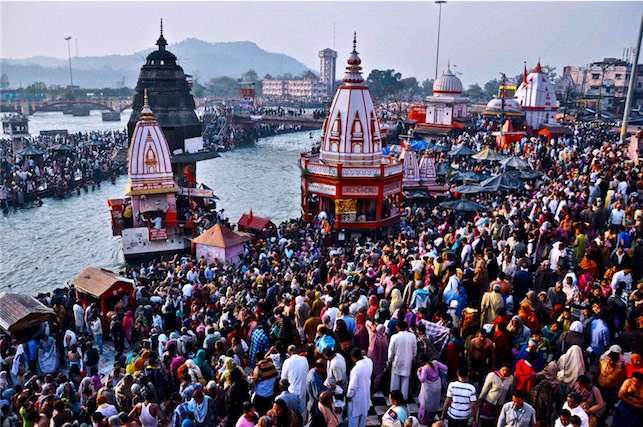


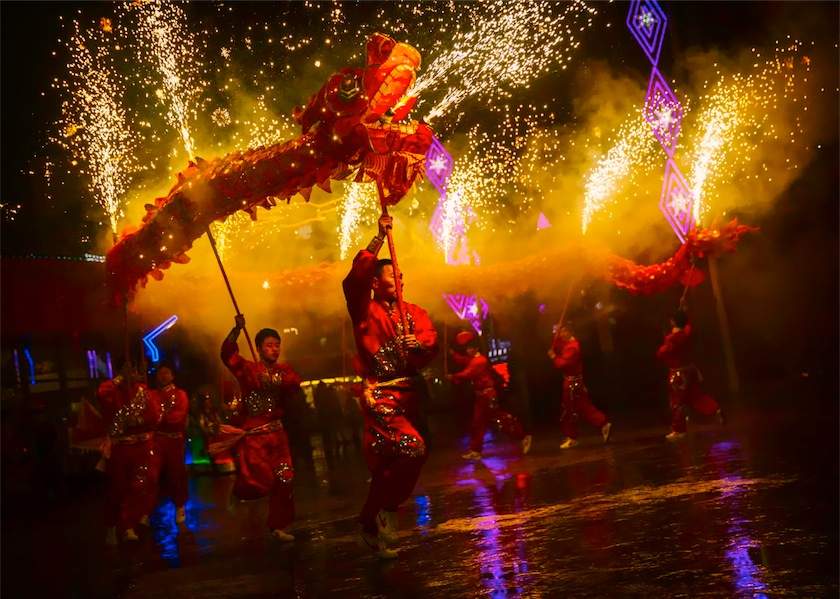
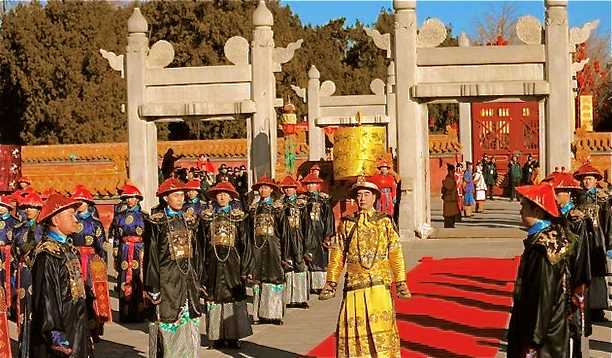
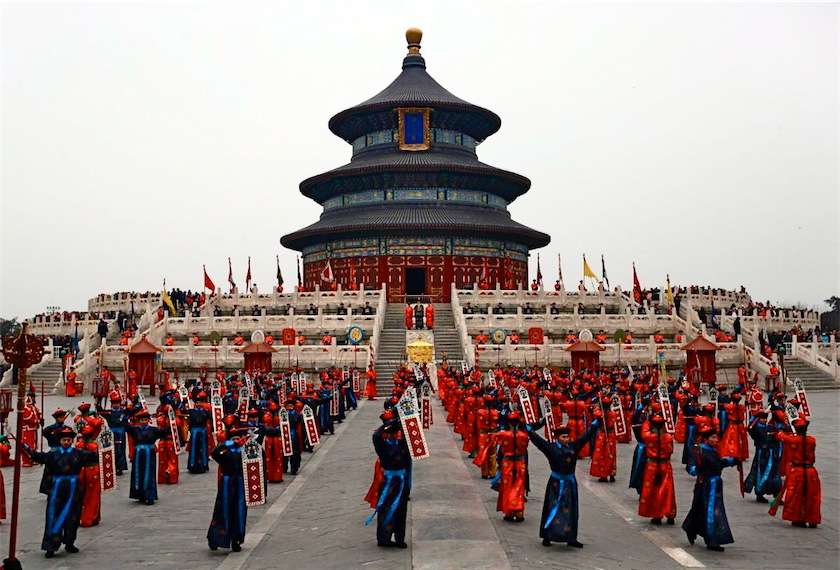
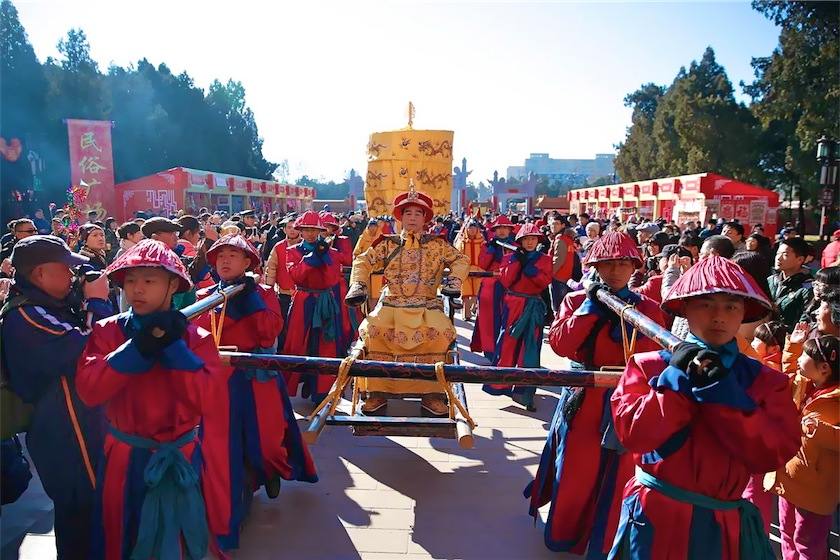
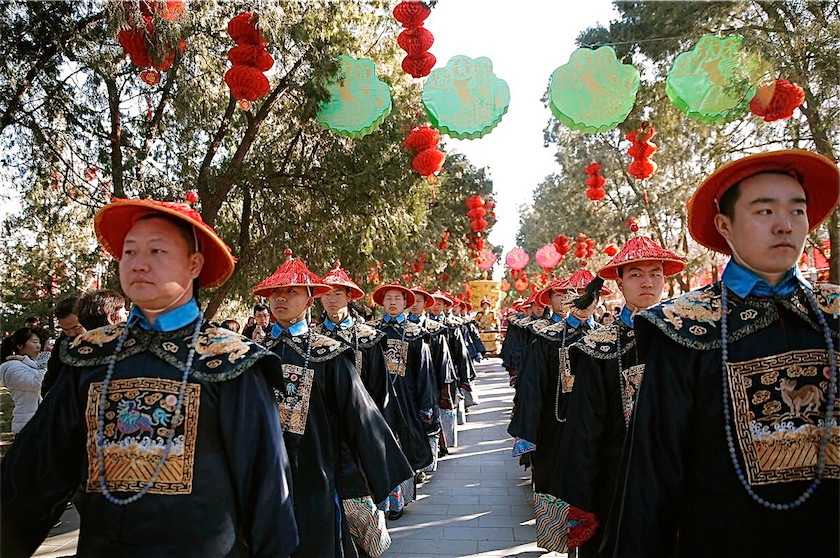
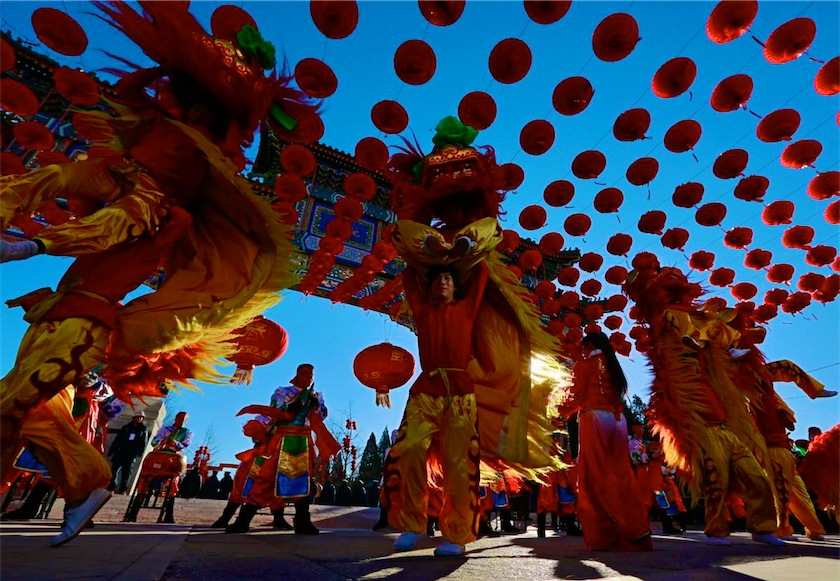
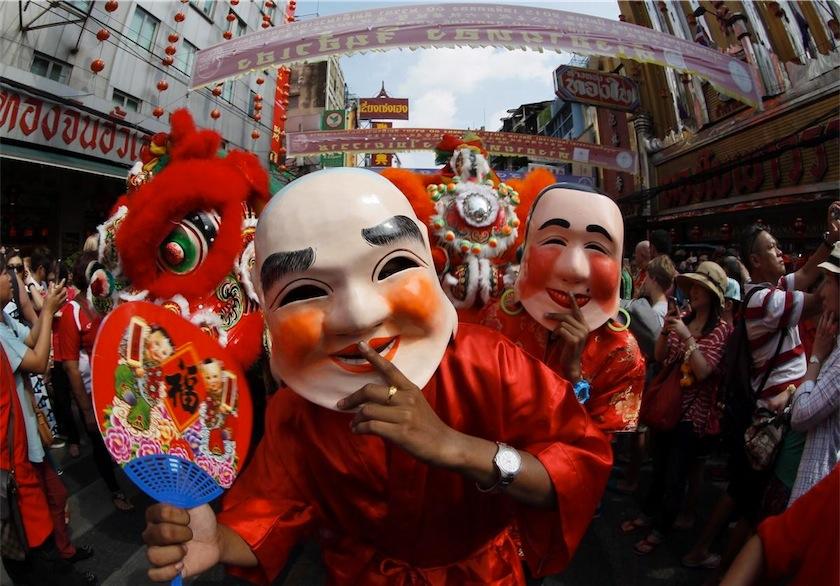
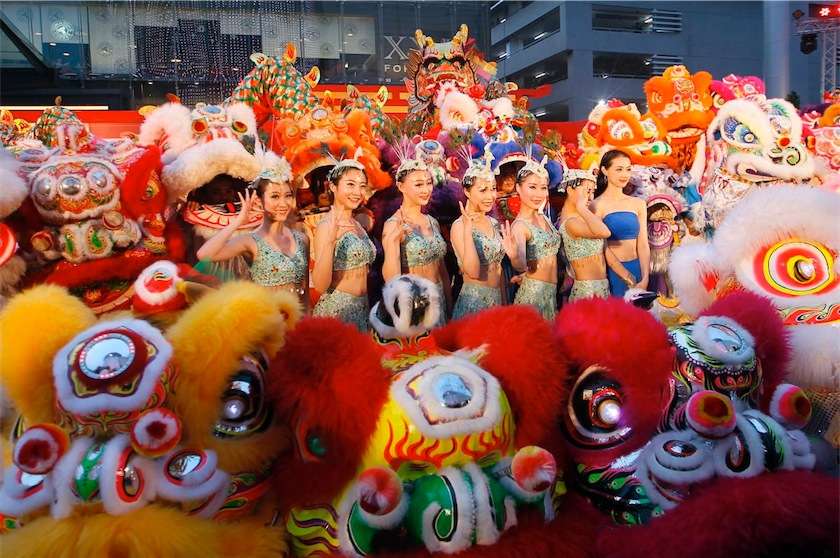
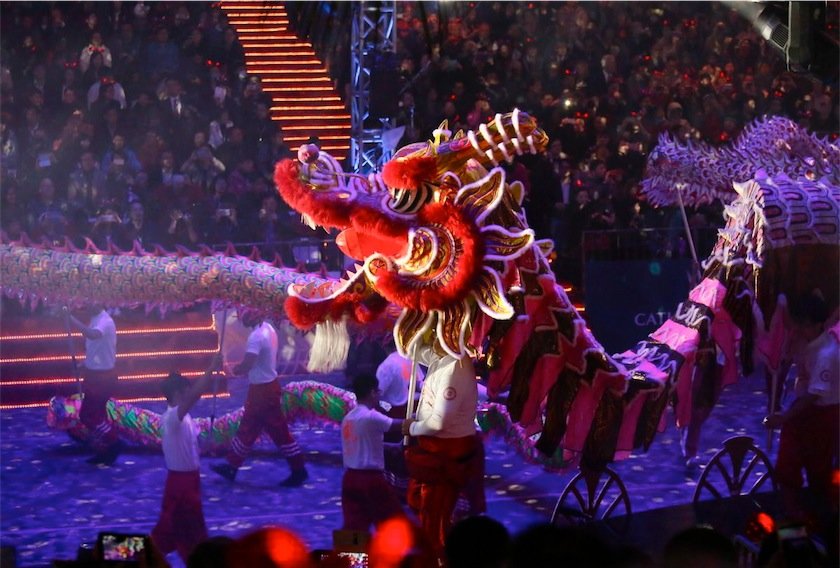
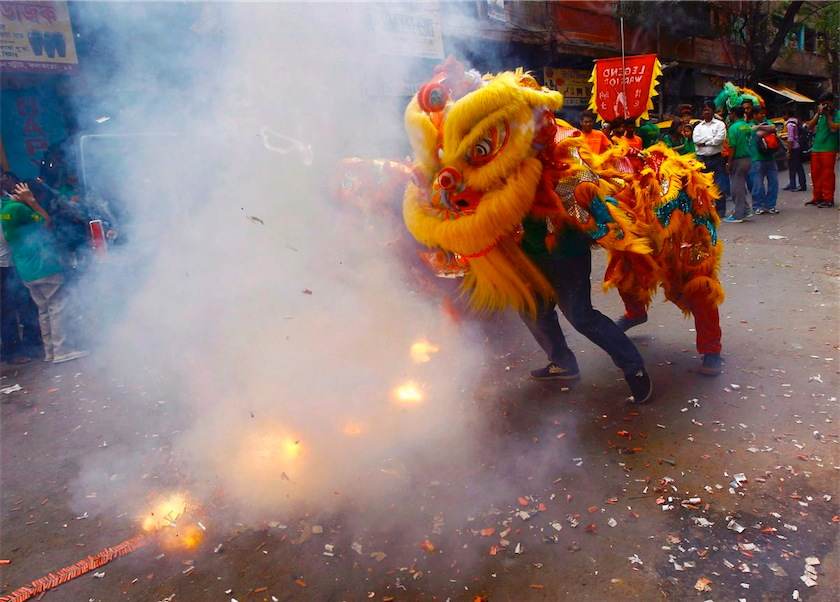
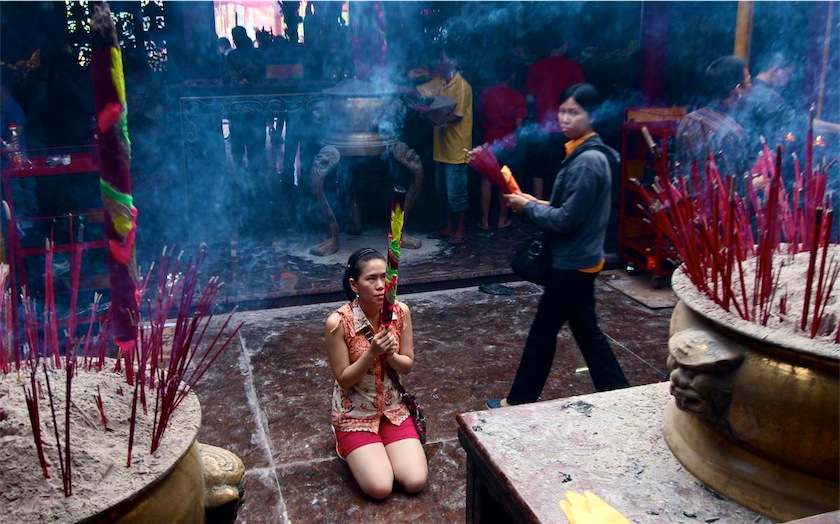
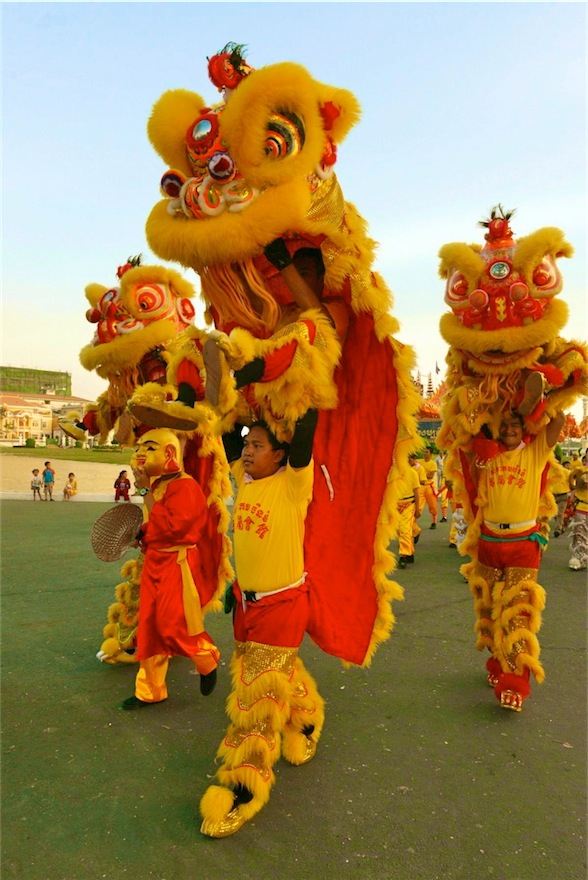
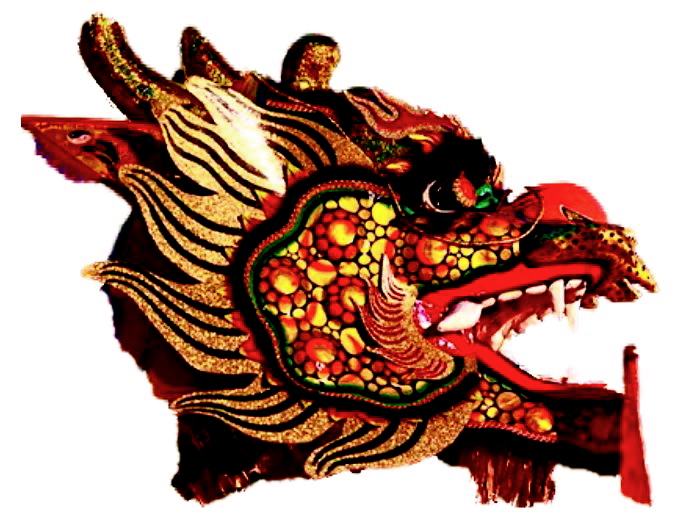
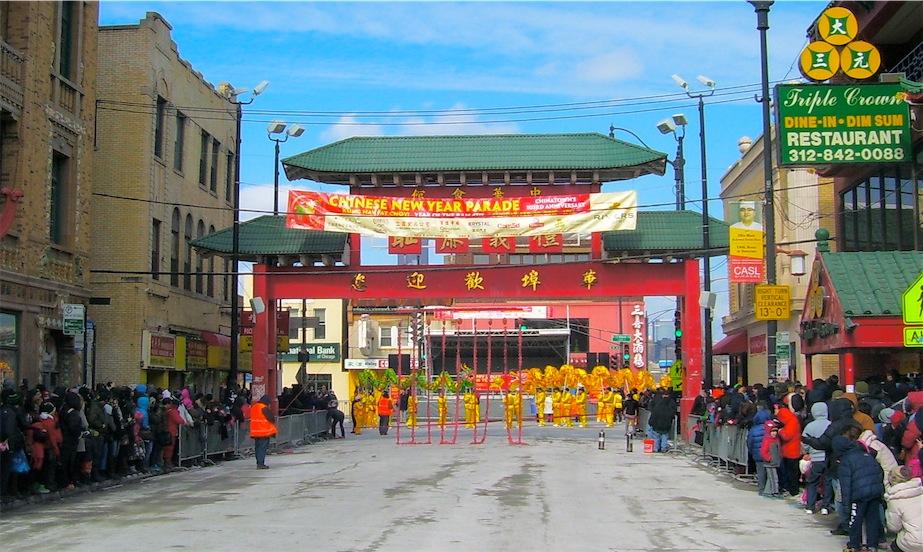
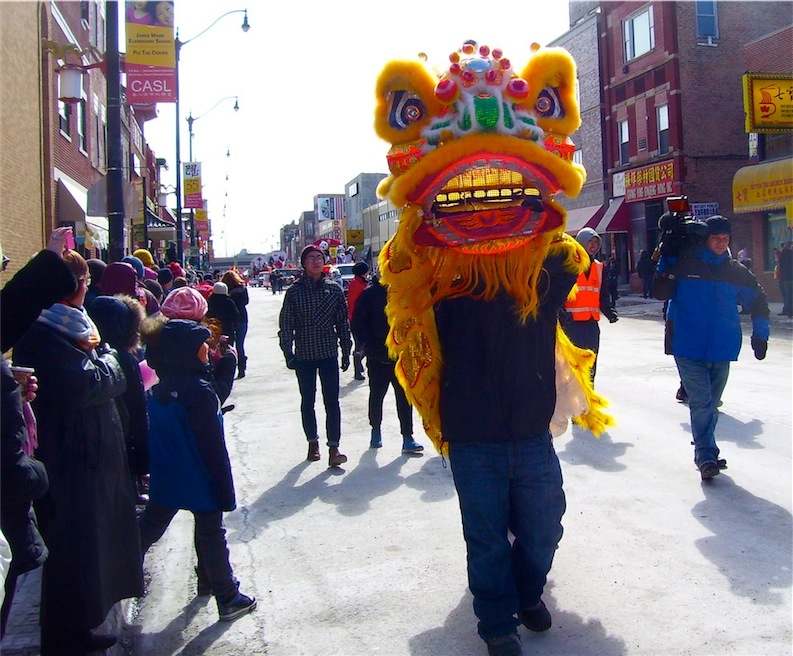
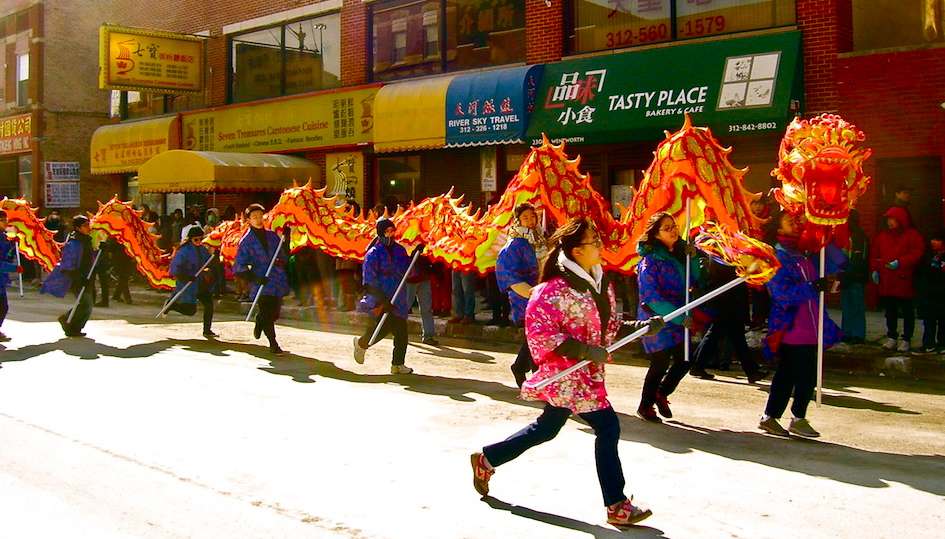
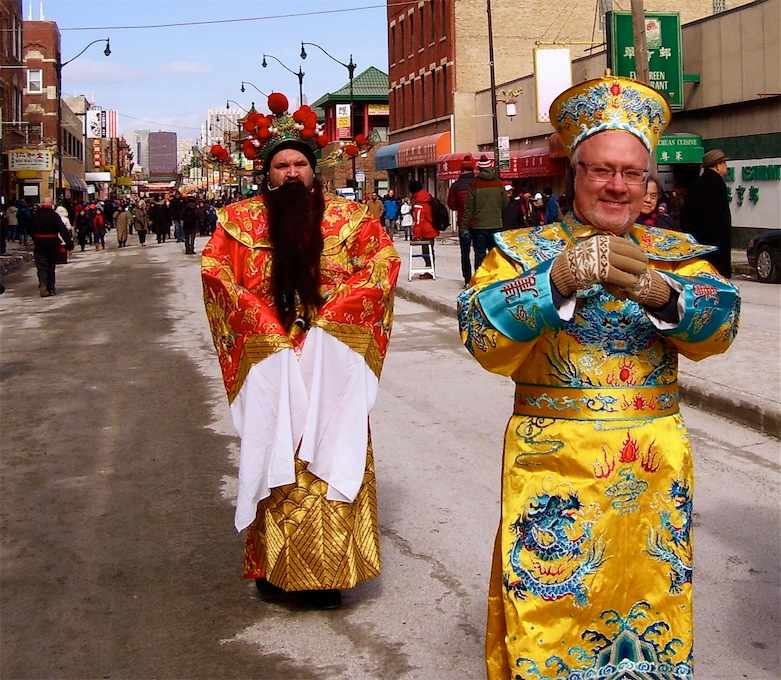
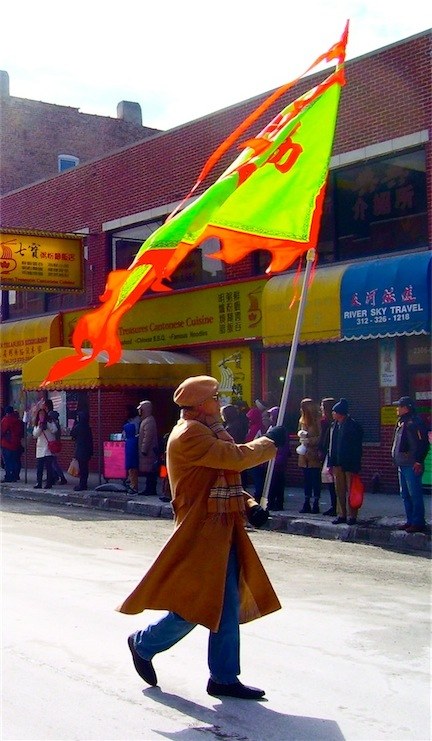
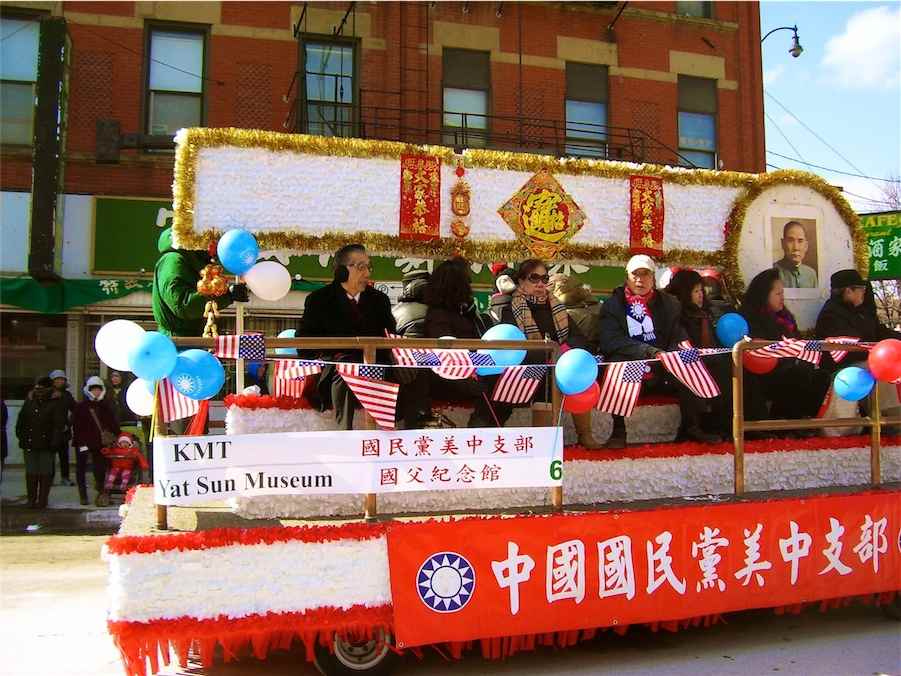
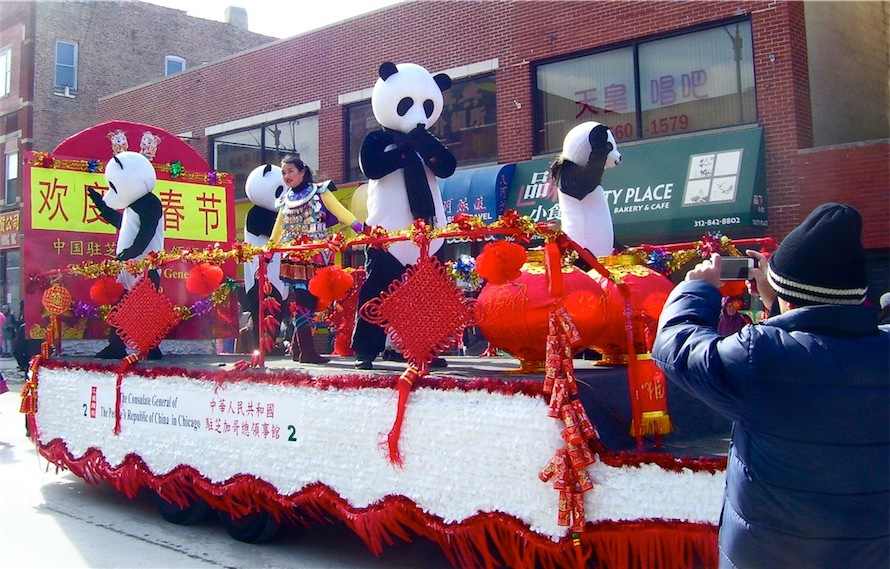
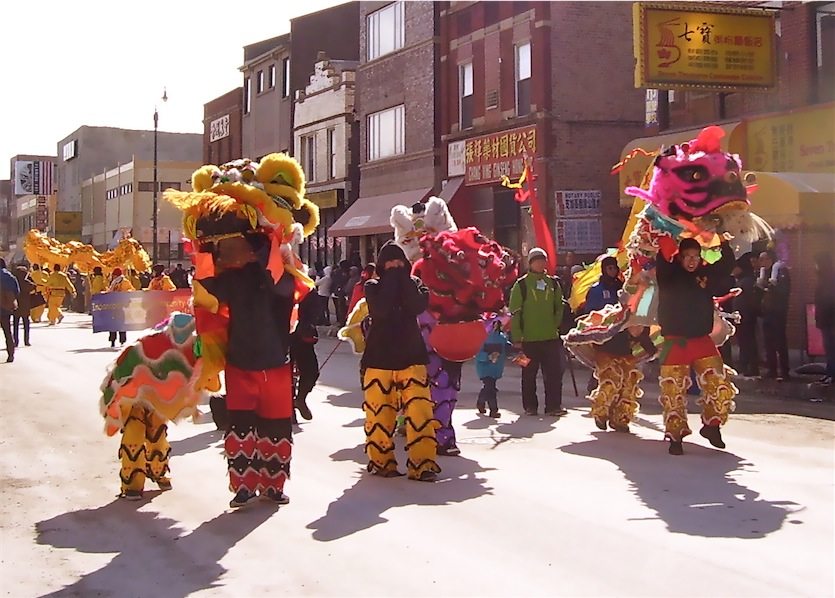
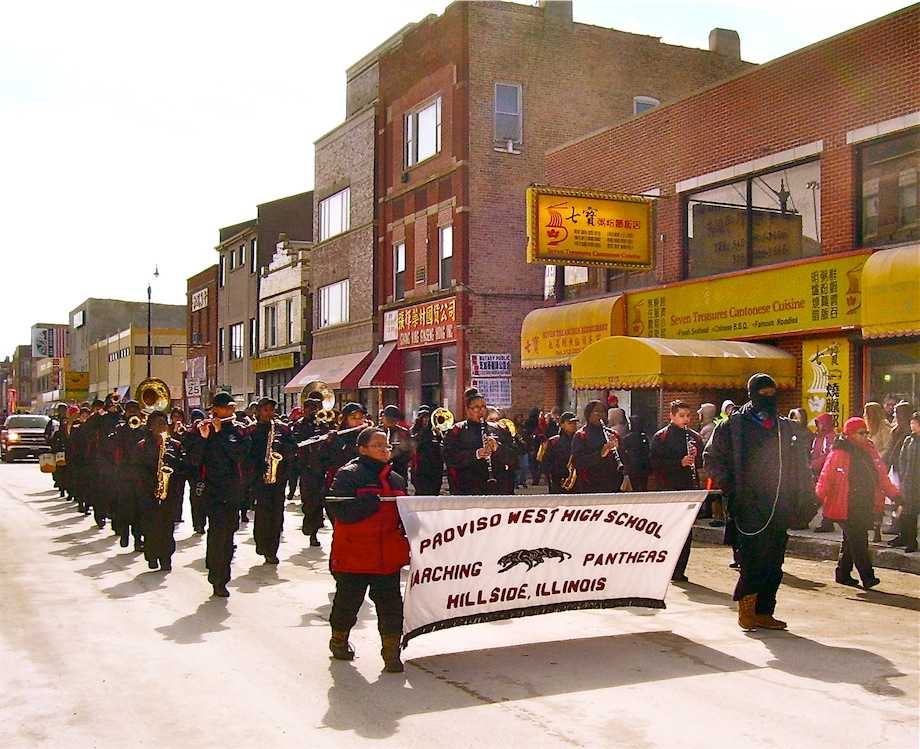
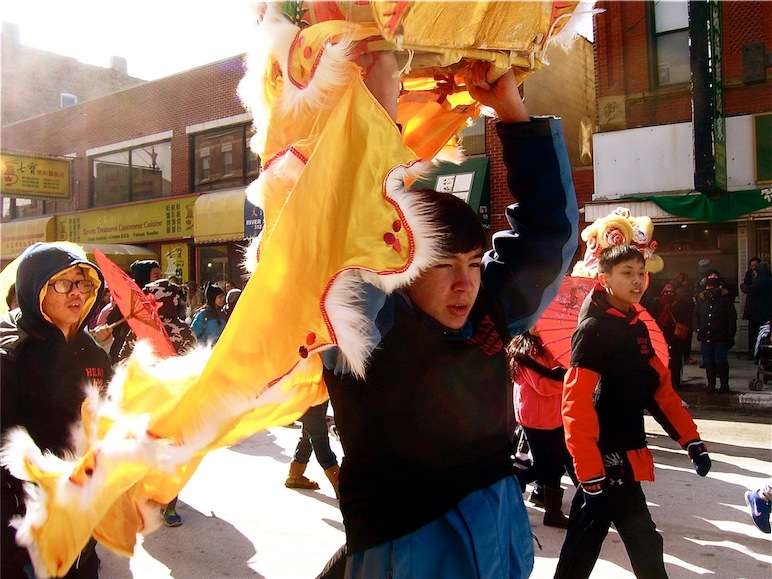
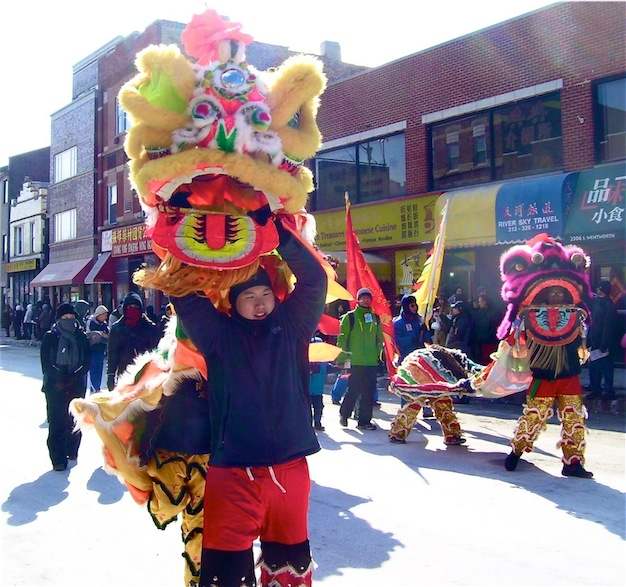
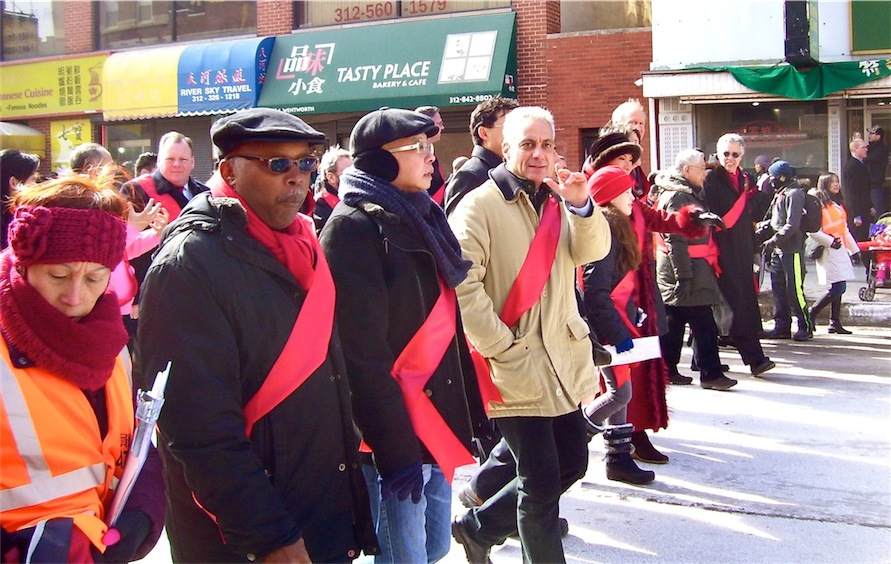
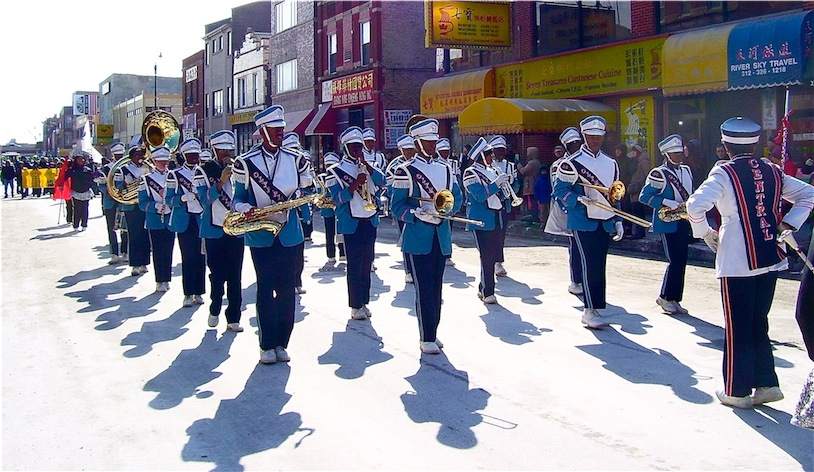
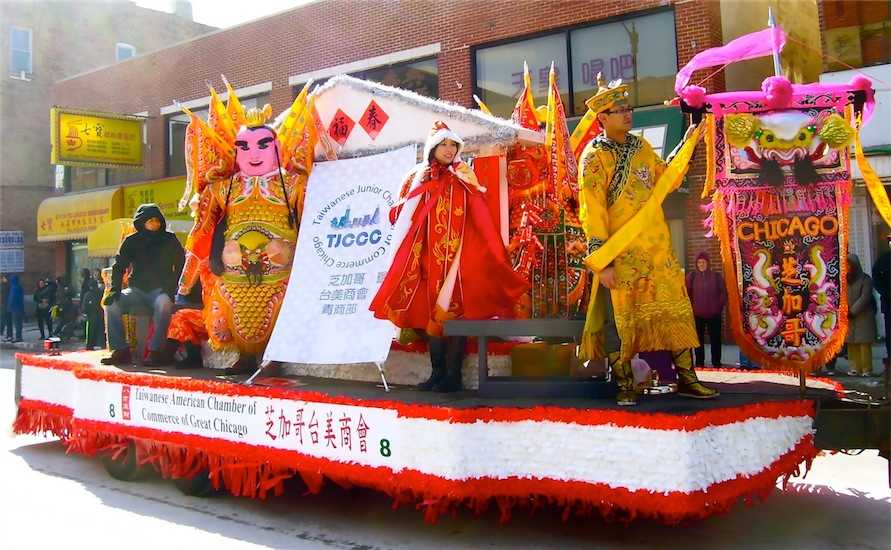
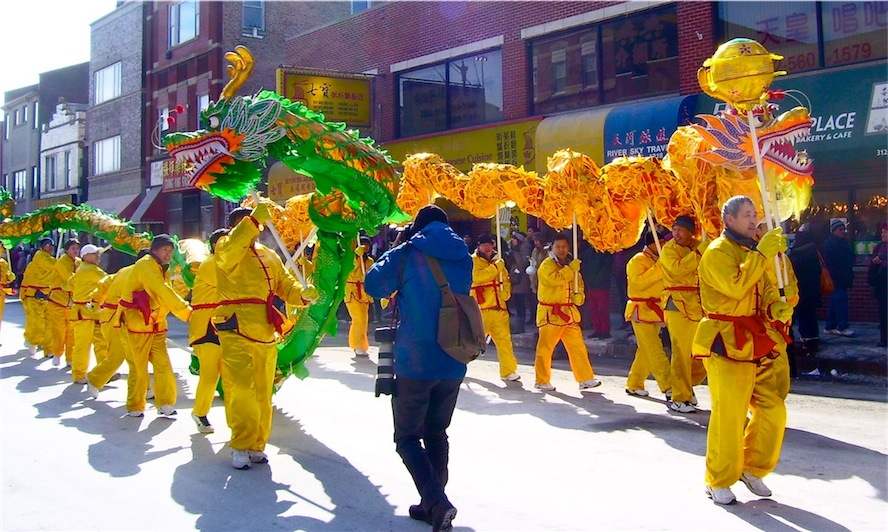
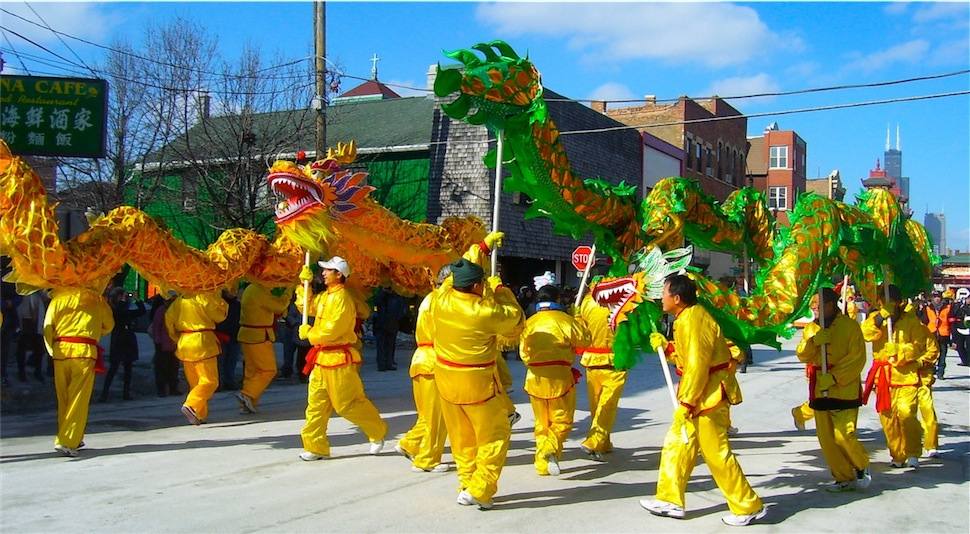
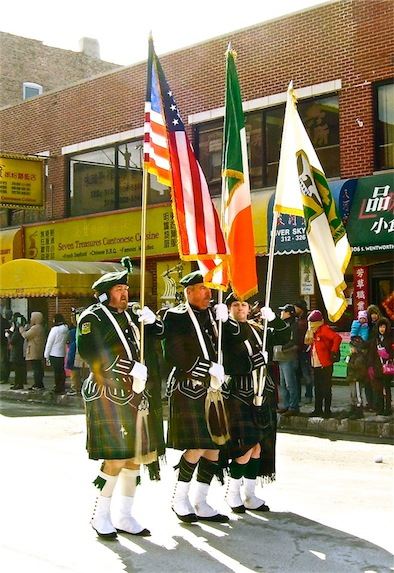
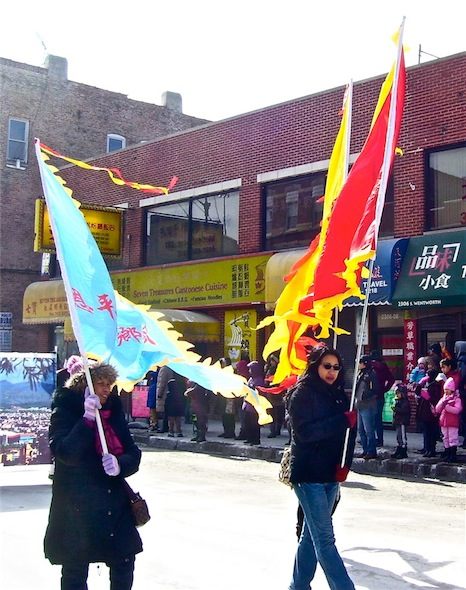
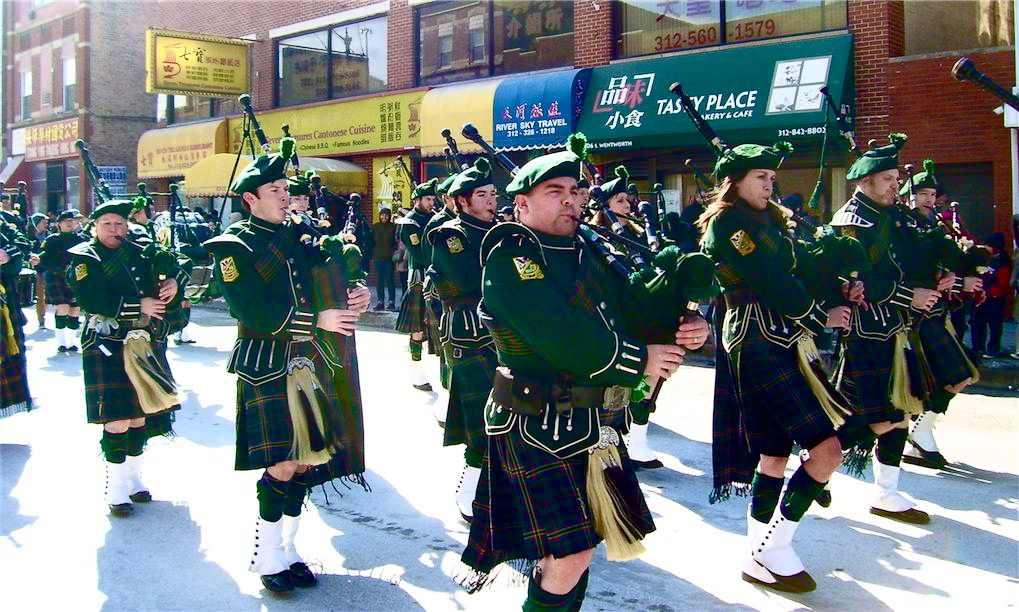
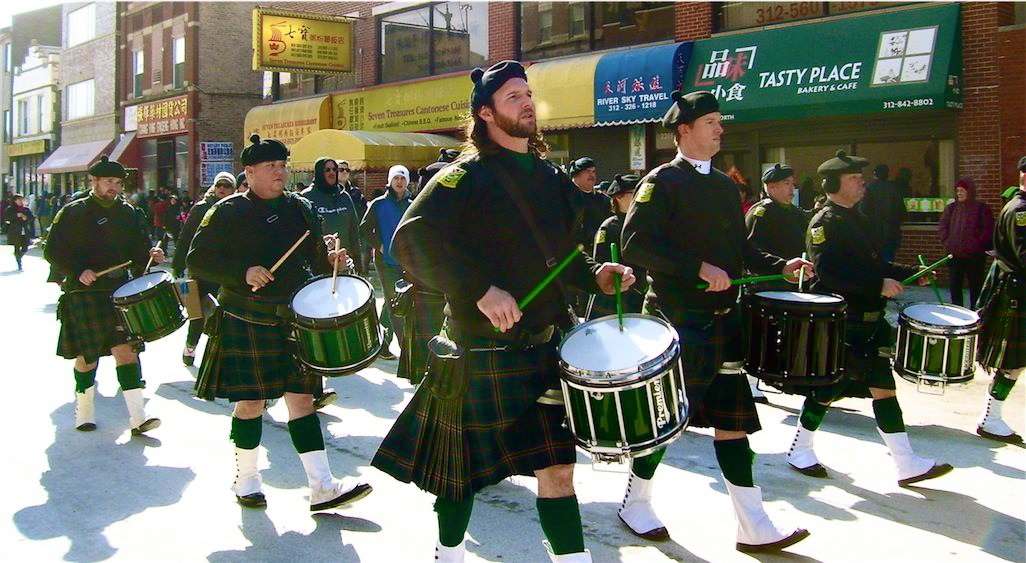
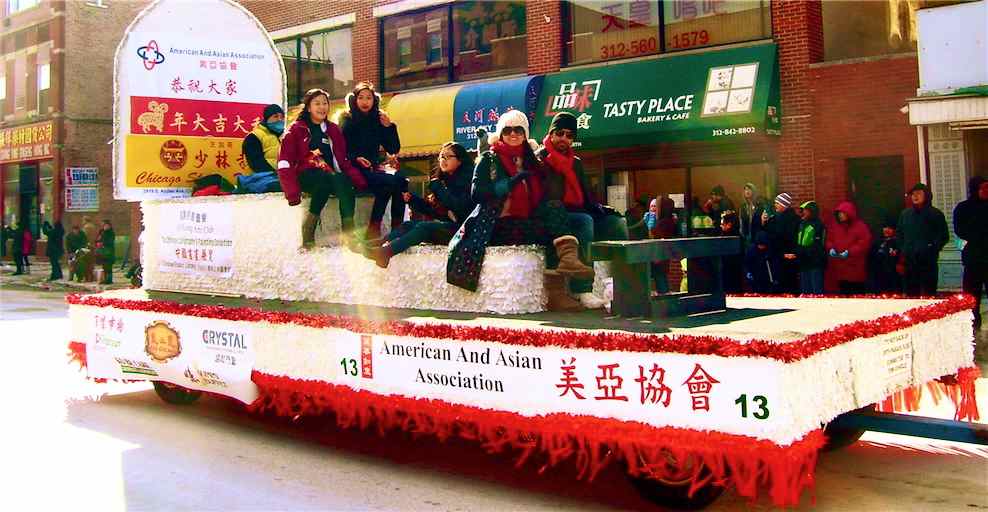
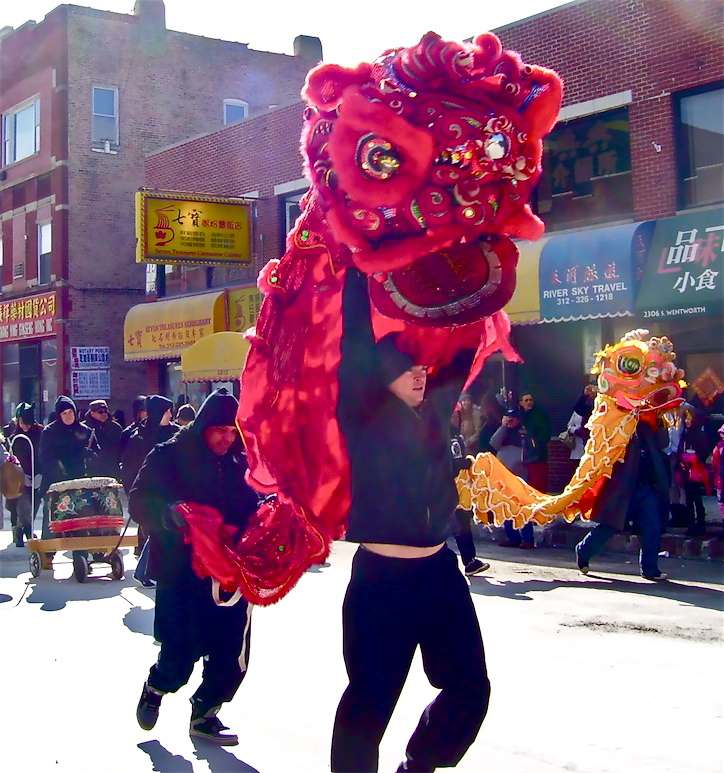
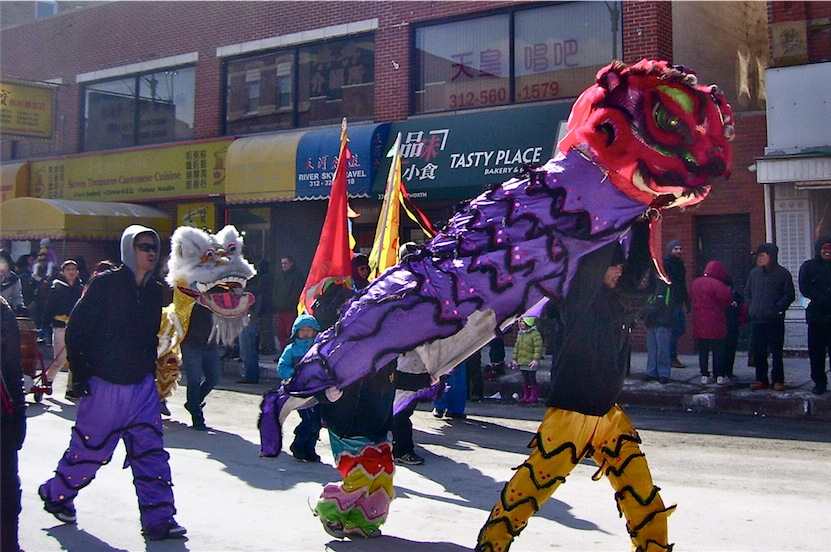
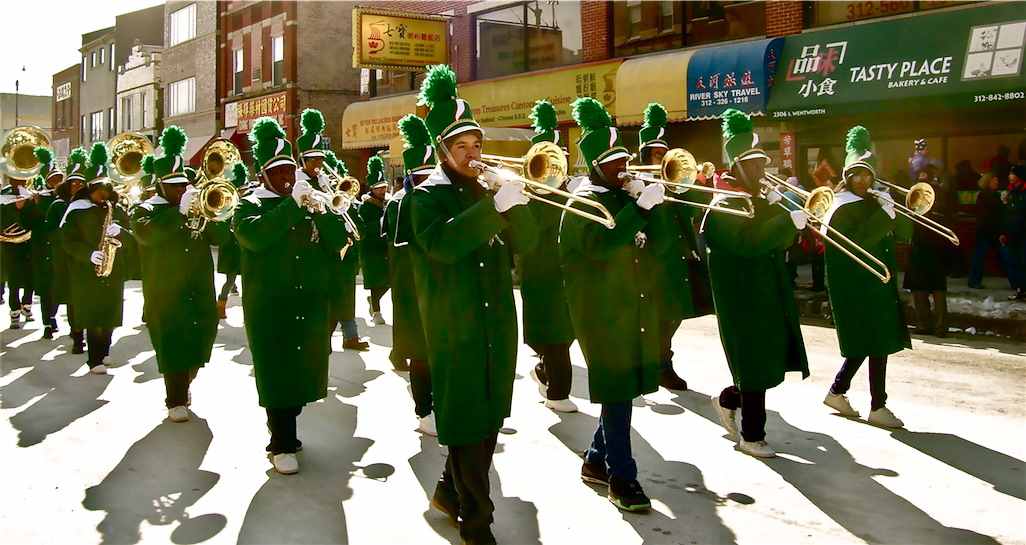
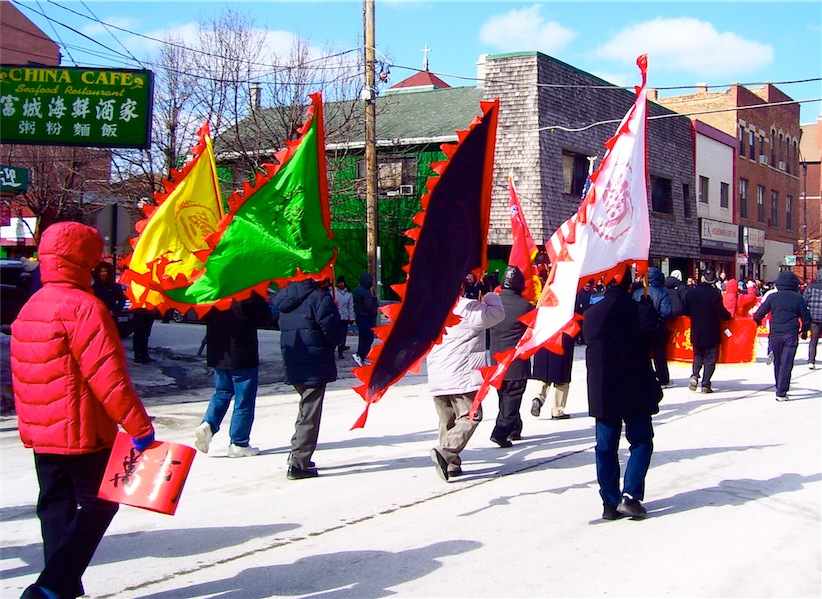
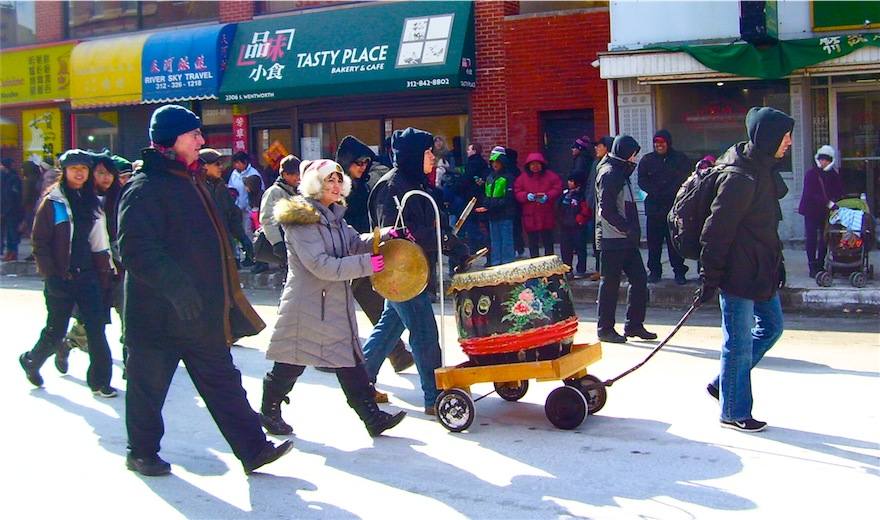

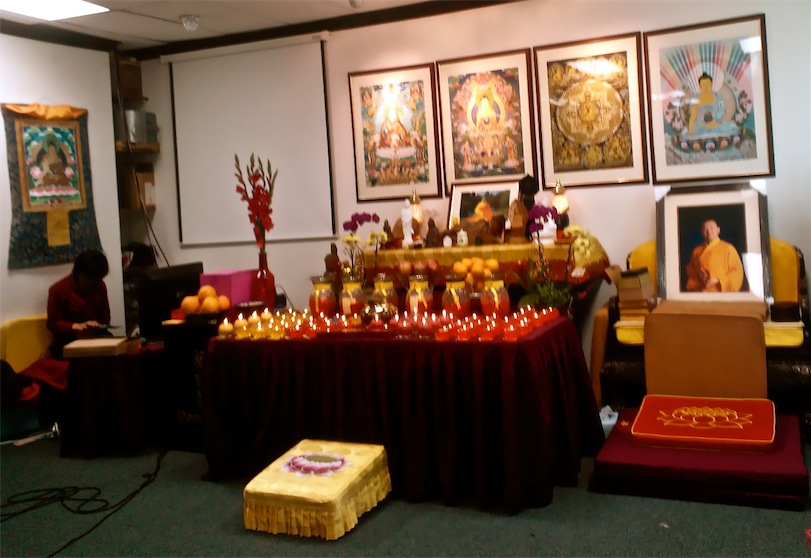
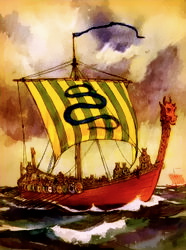
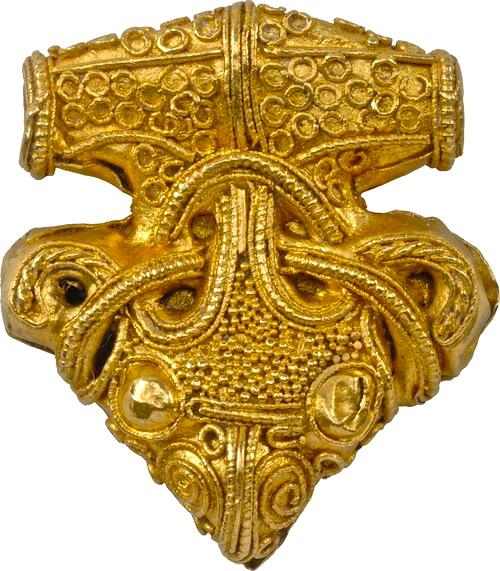
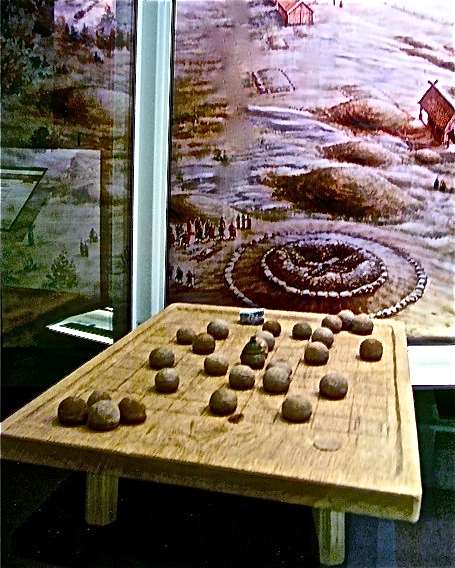
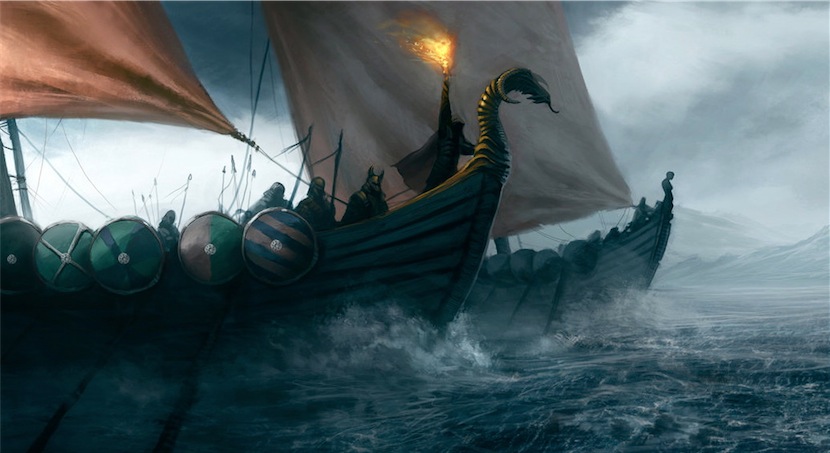
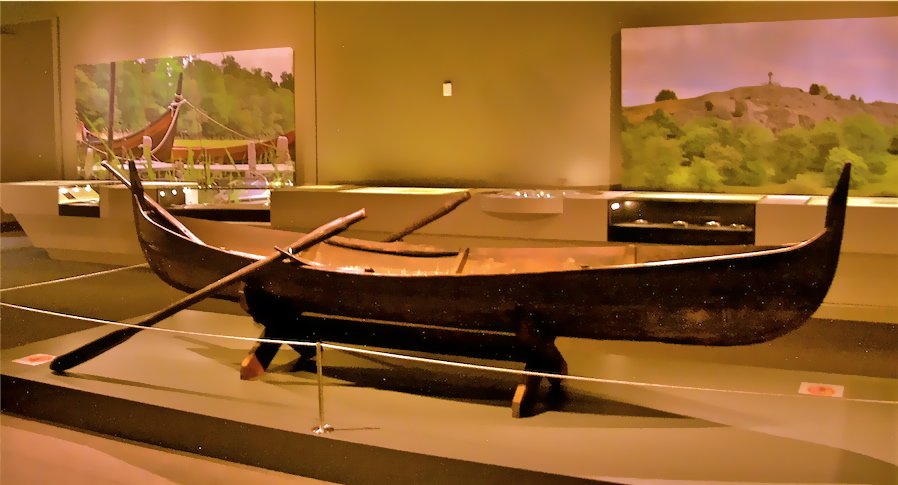
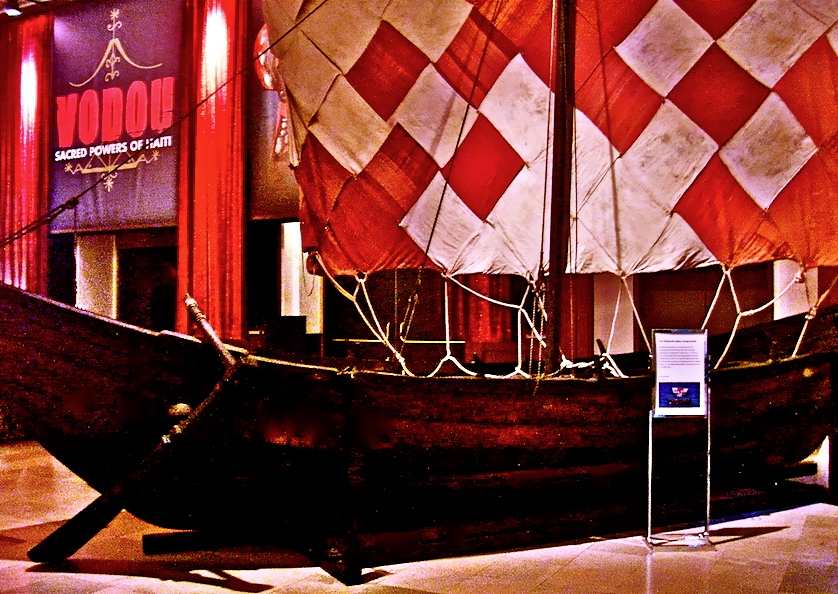
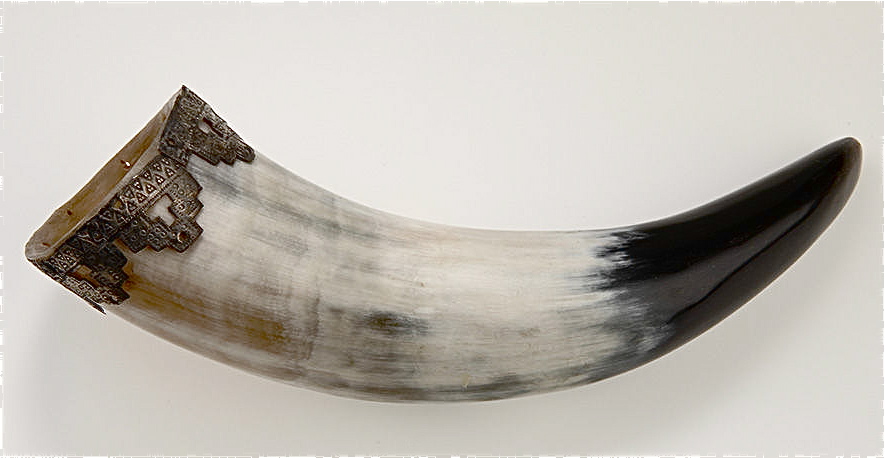
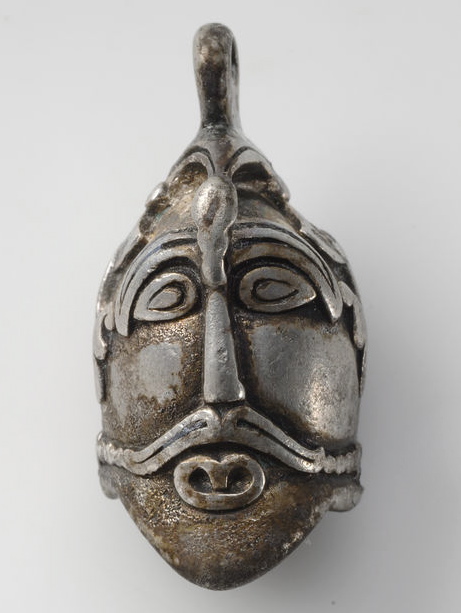

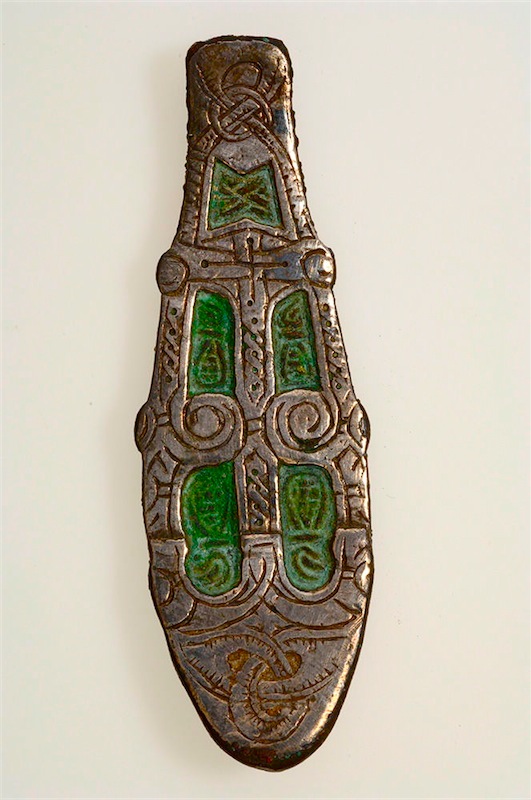
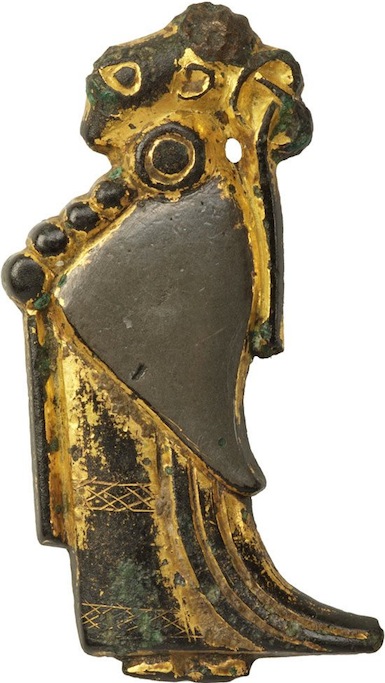
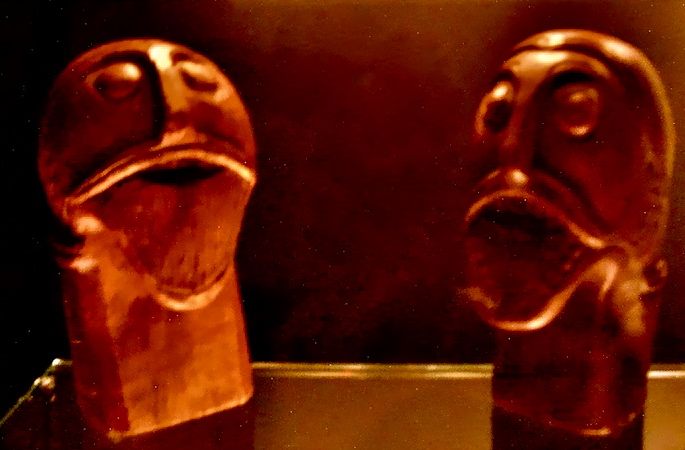
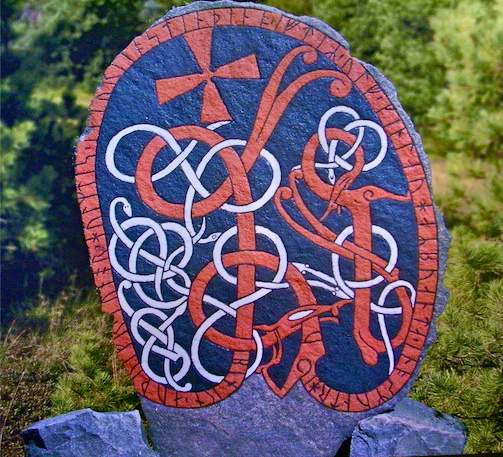
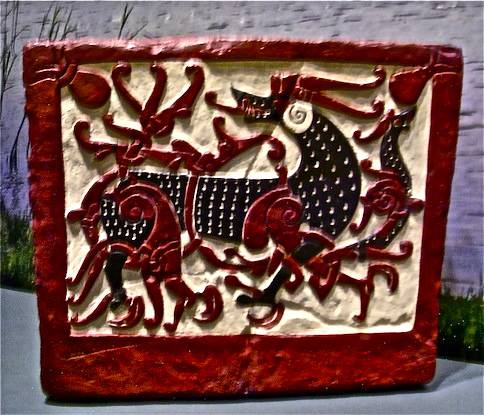
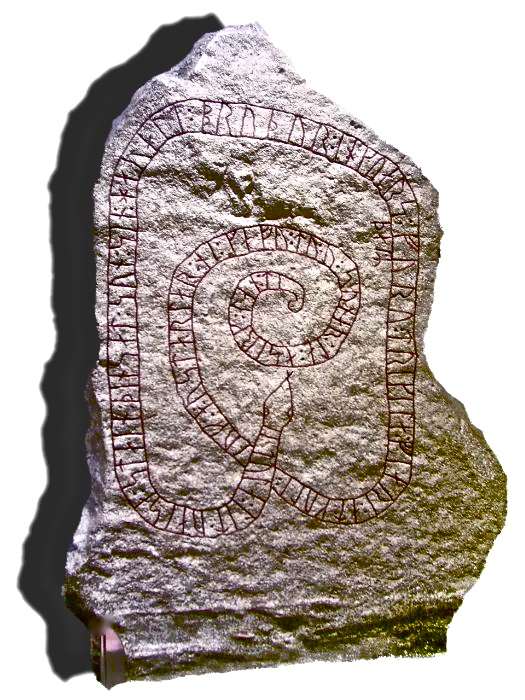
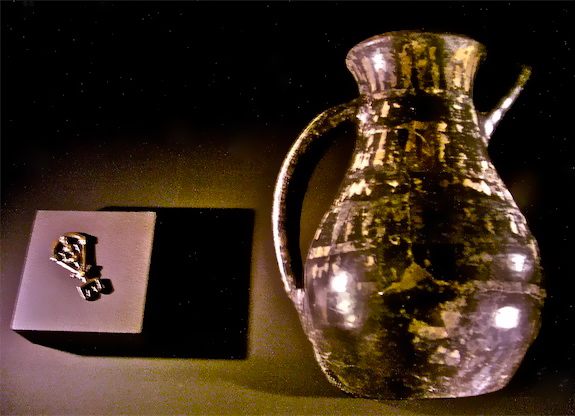
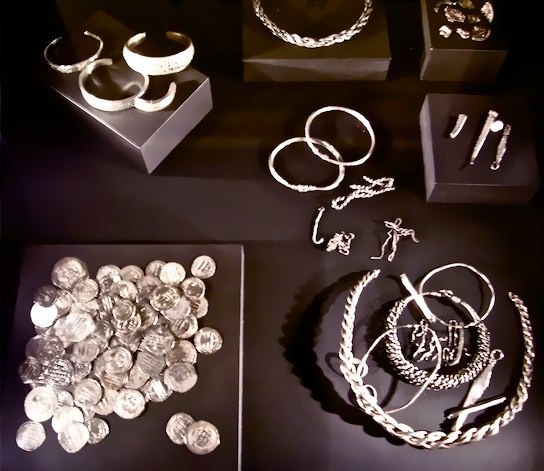
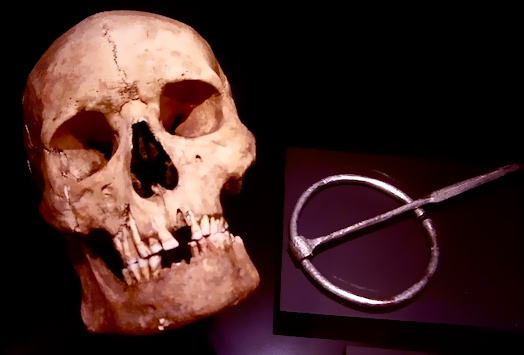
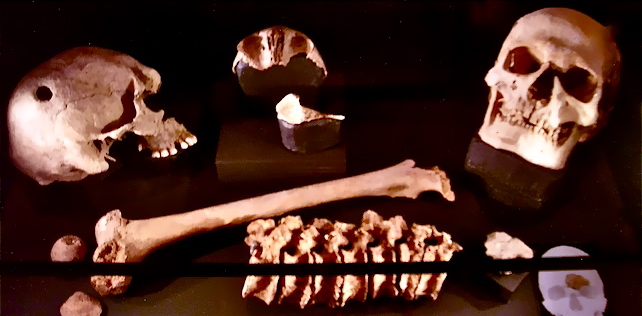
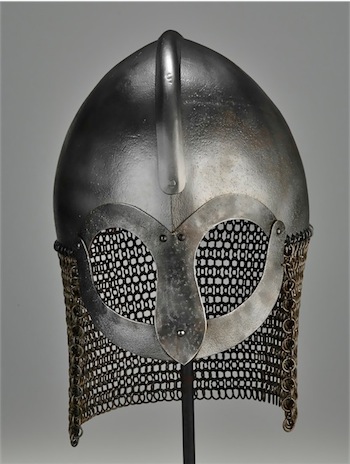
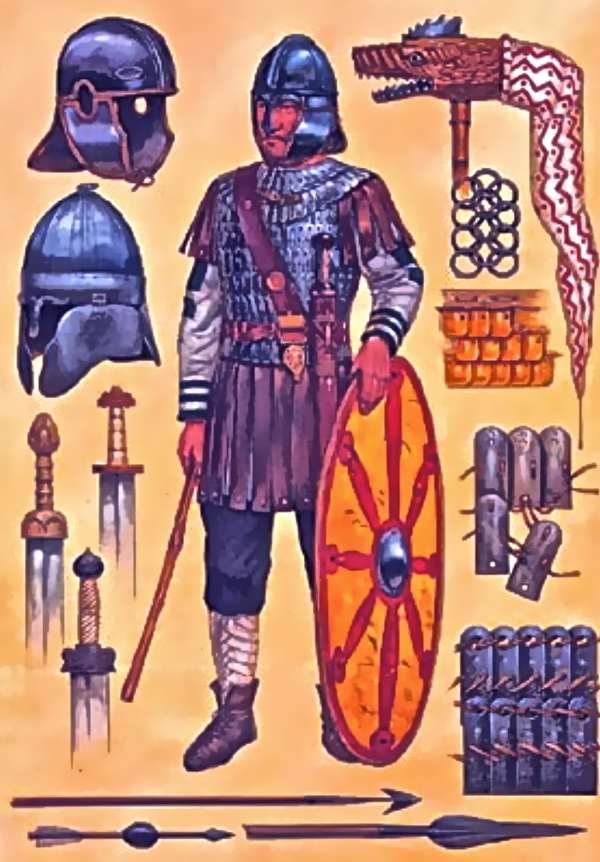
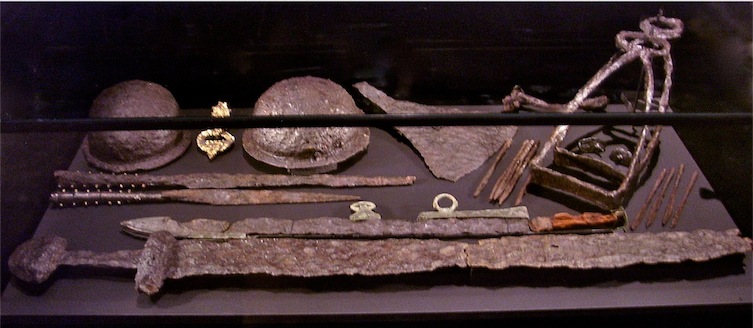
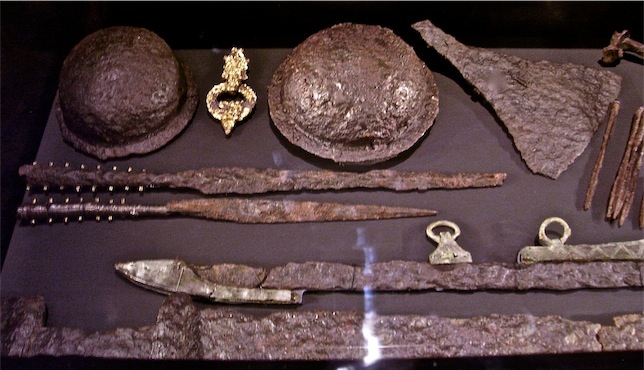
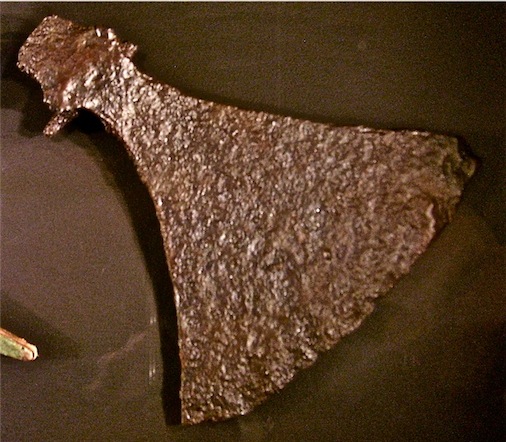
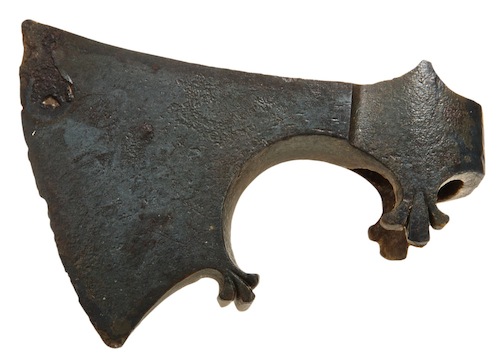
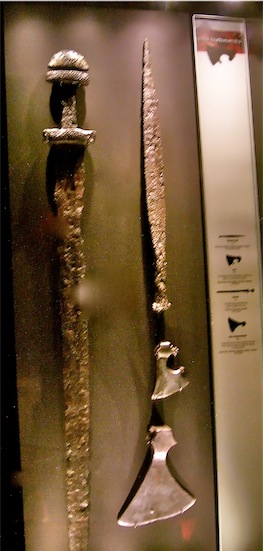
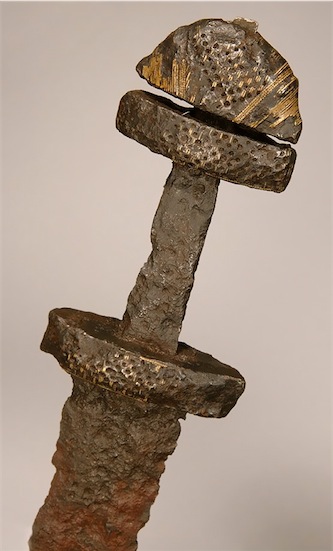
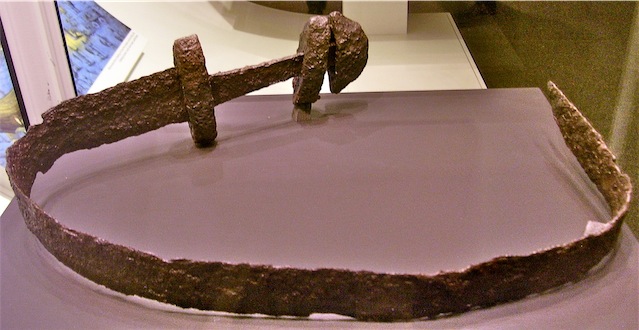
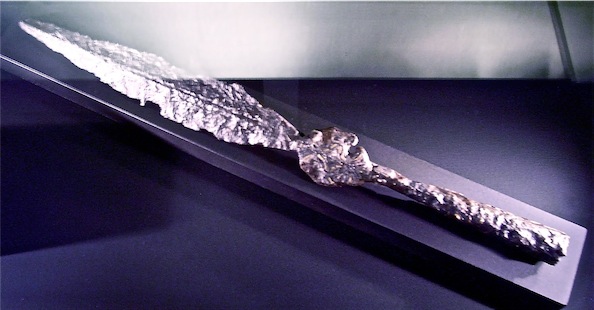
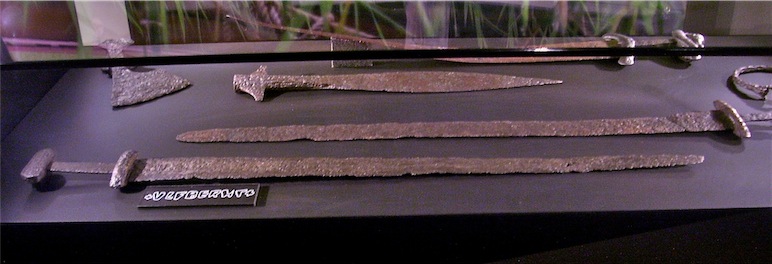
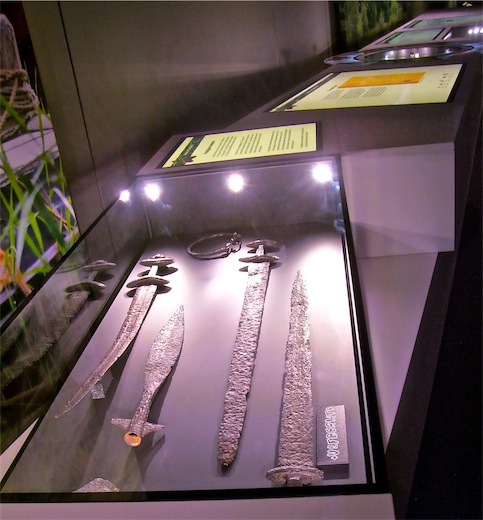

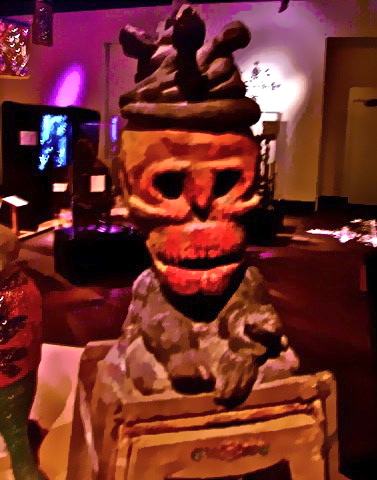
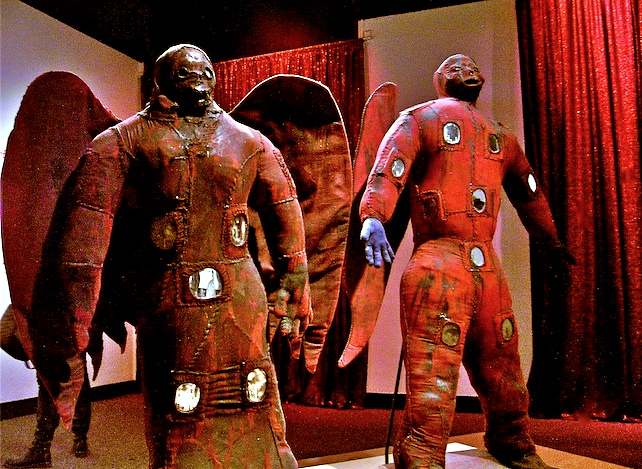
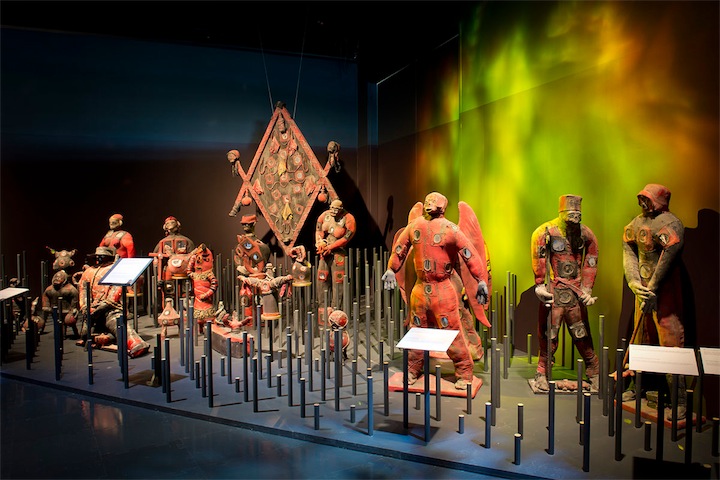
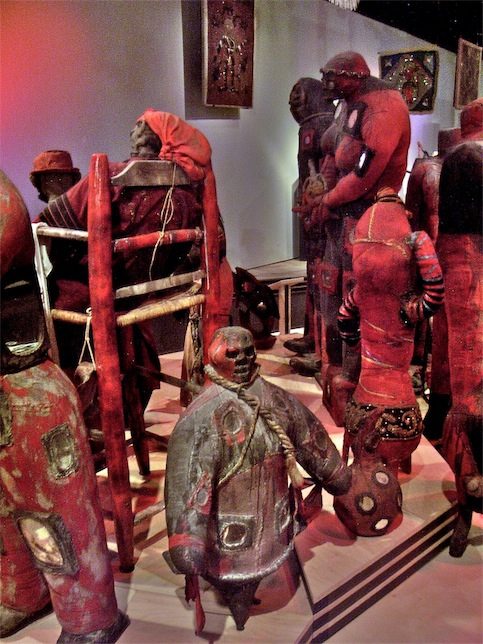
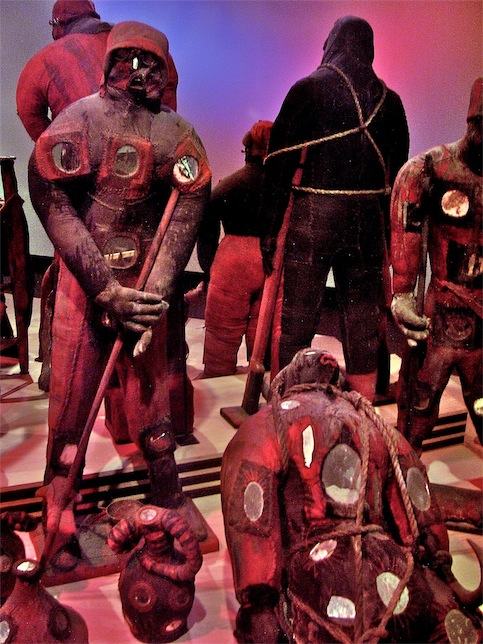
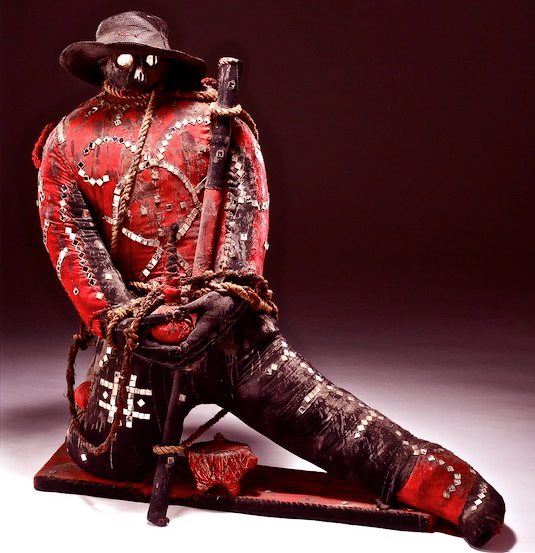
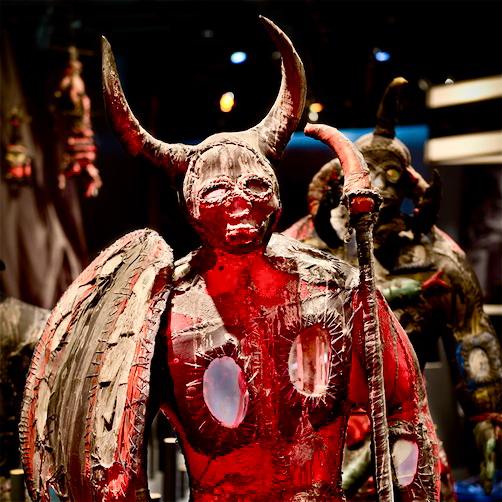
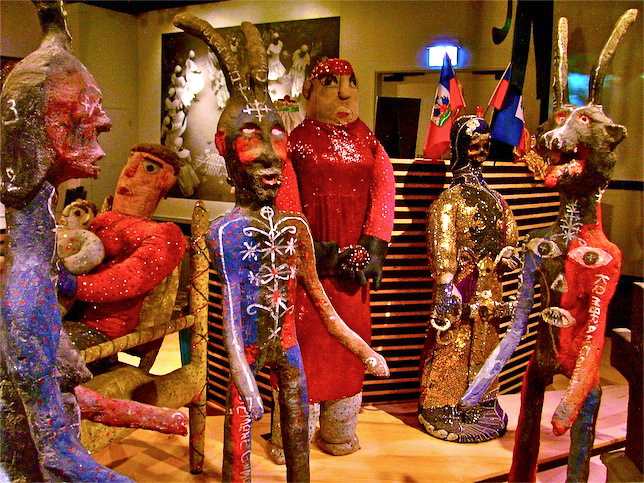
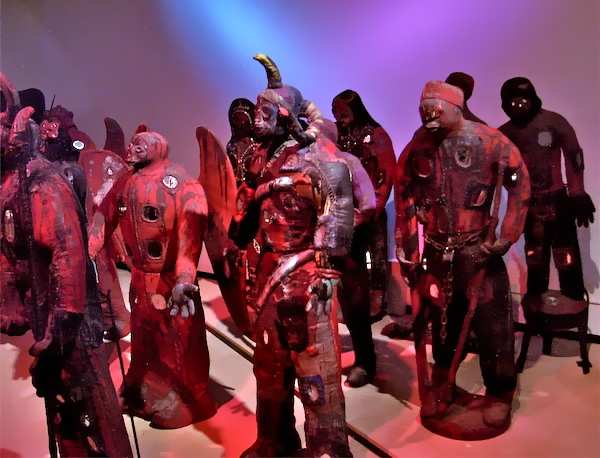
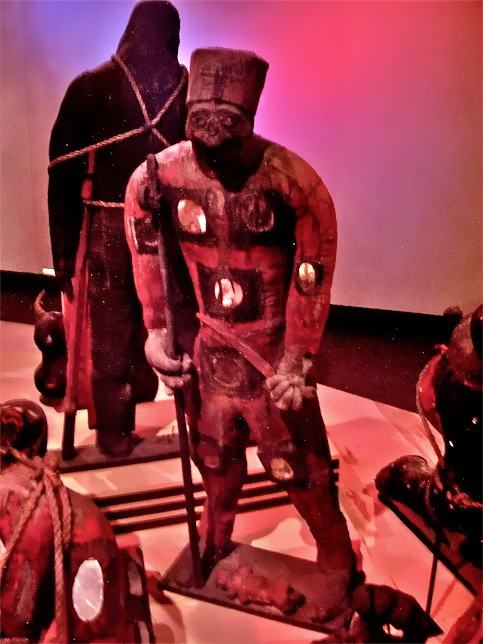
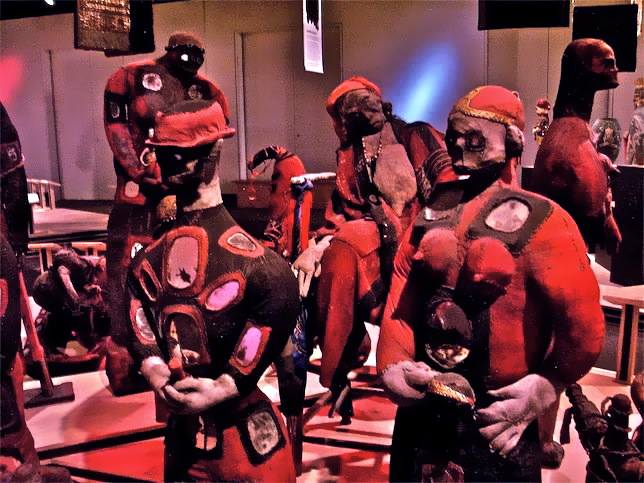
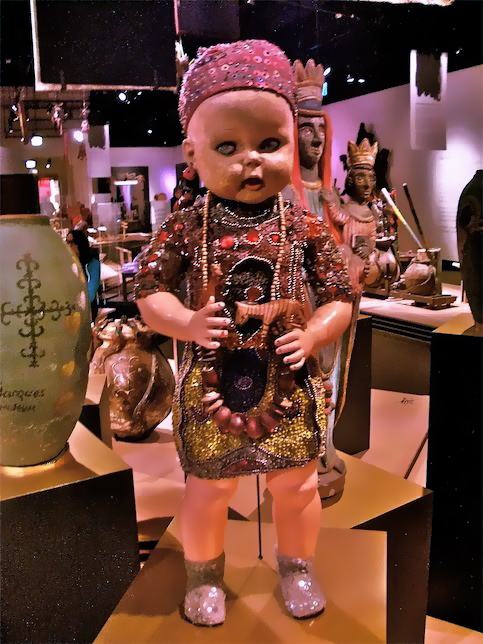
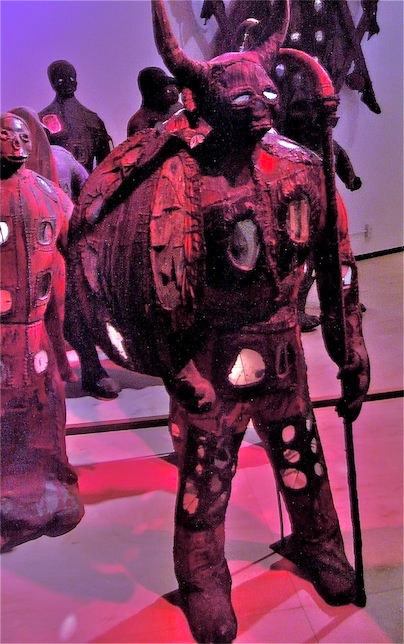
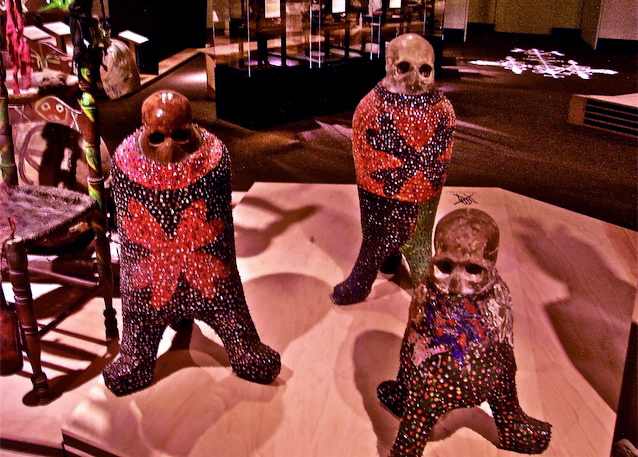
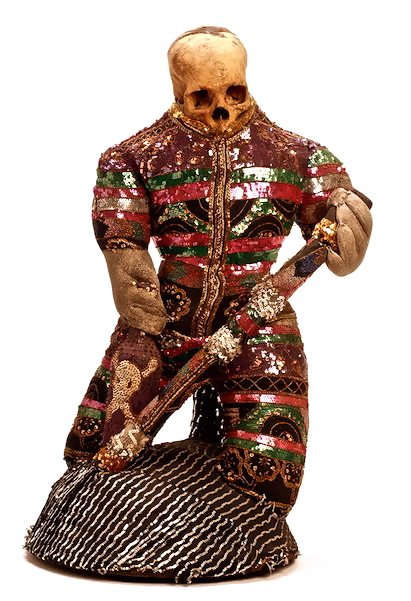
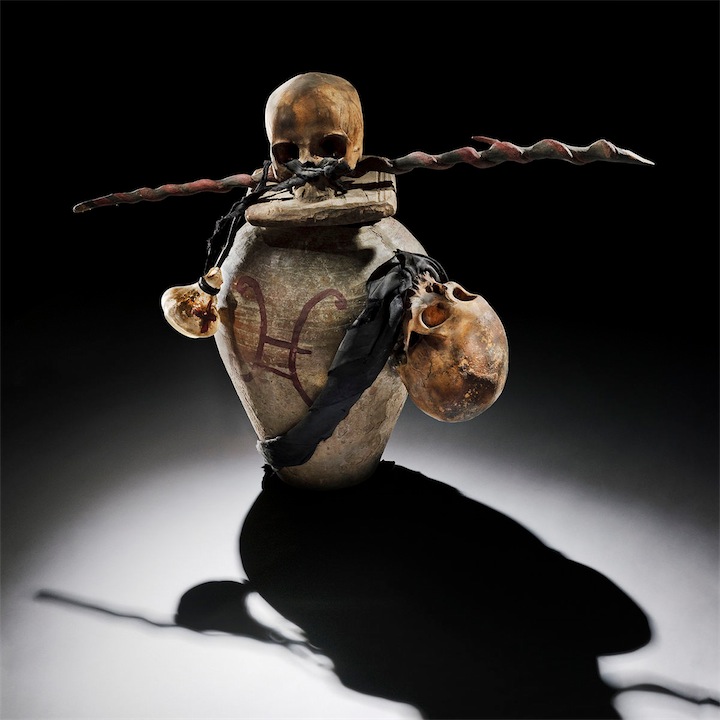
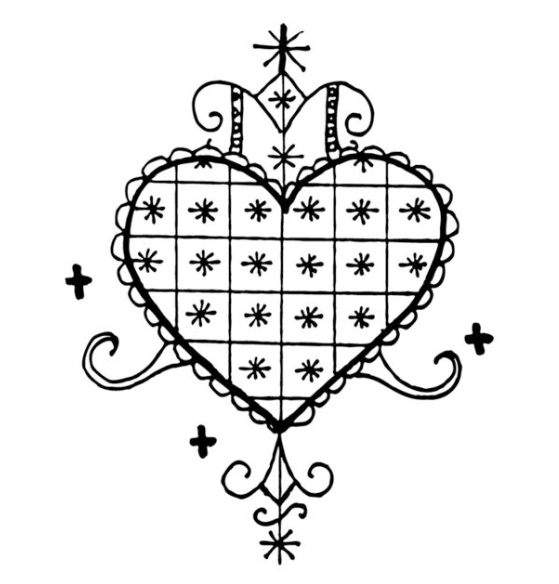
.jpg)
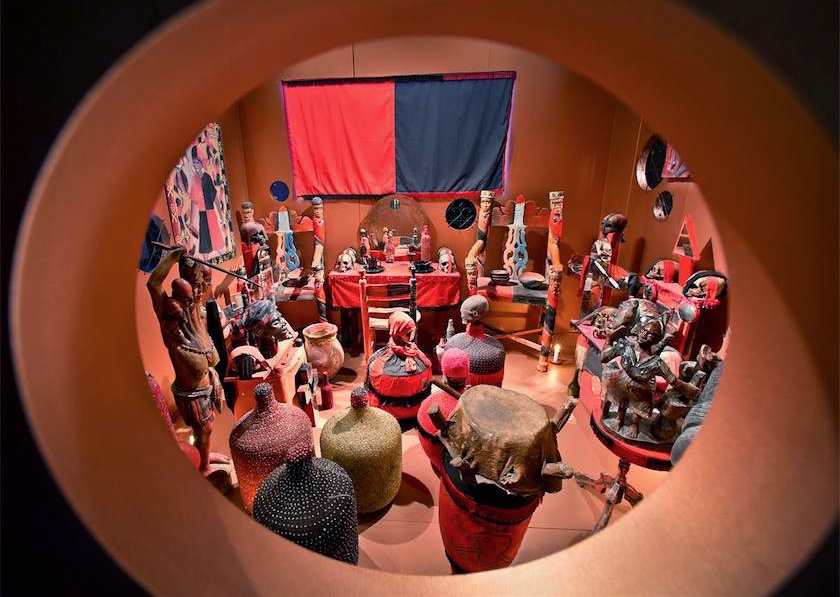
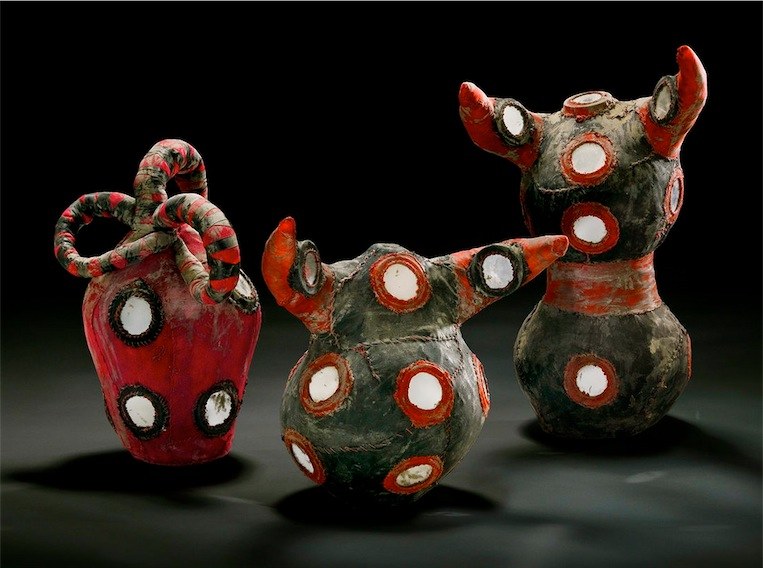
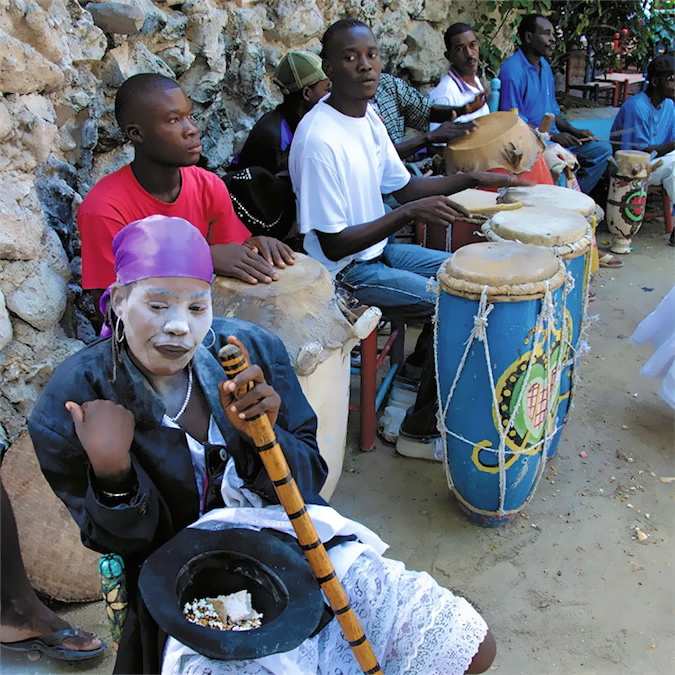
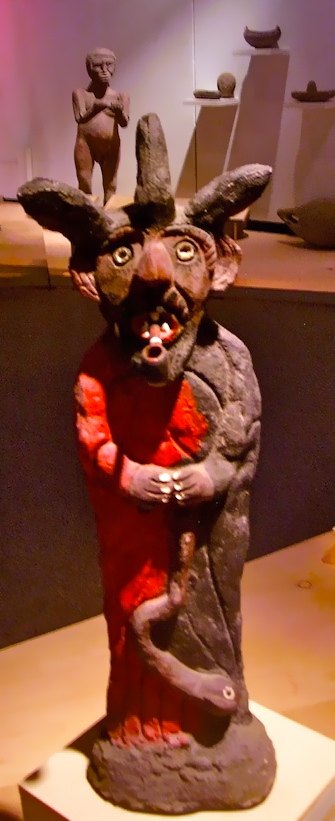
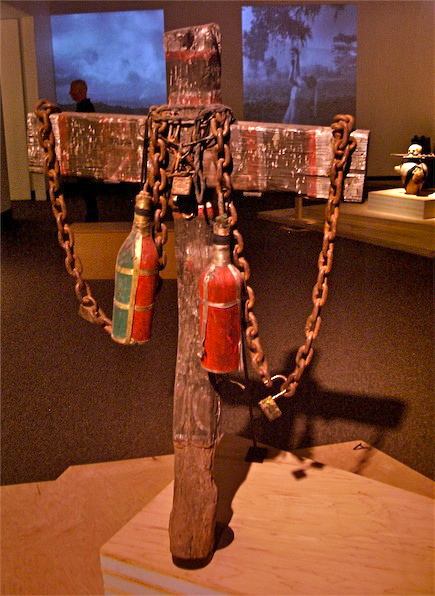
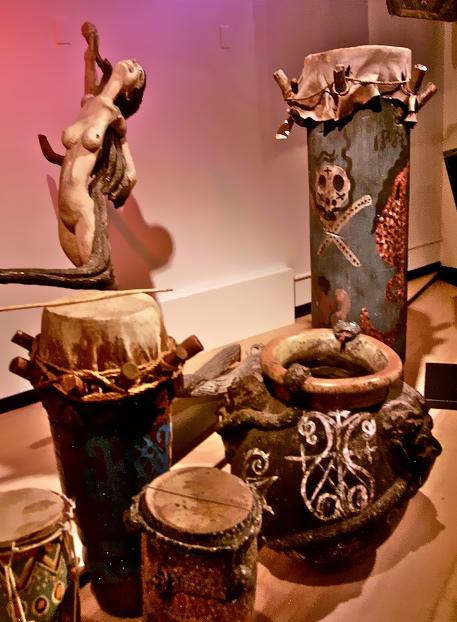
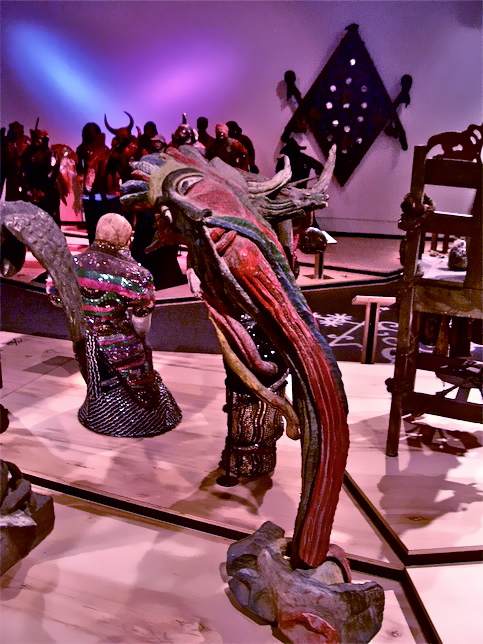
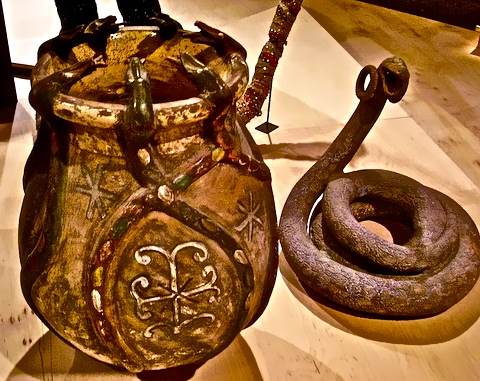
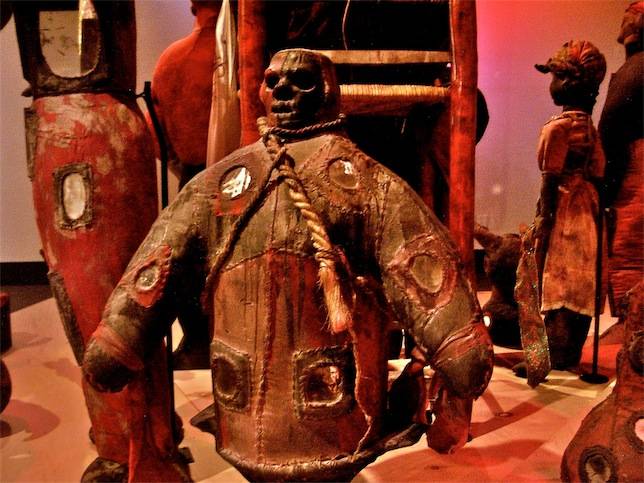
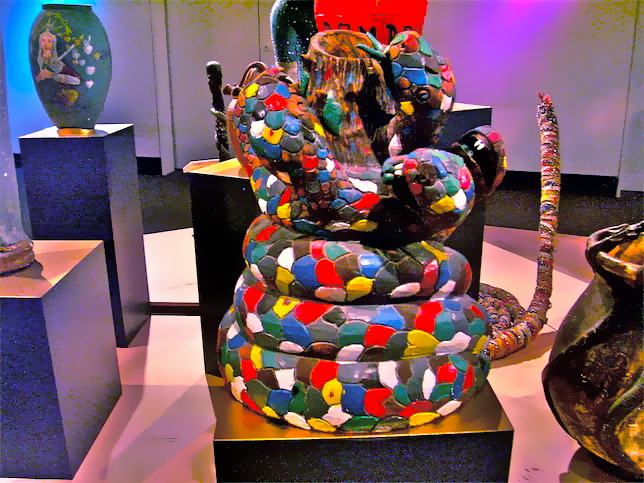
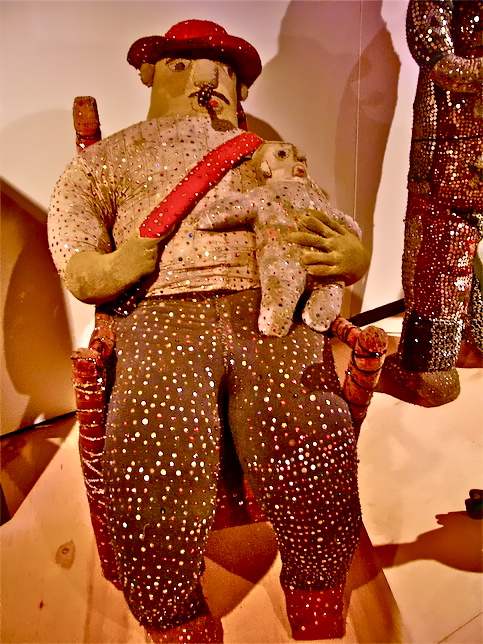
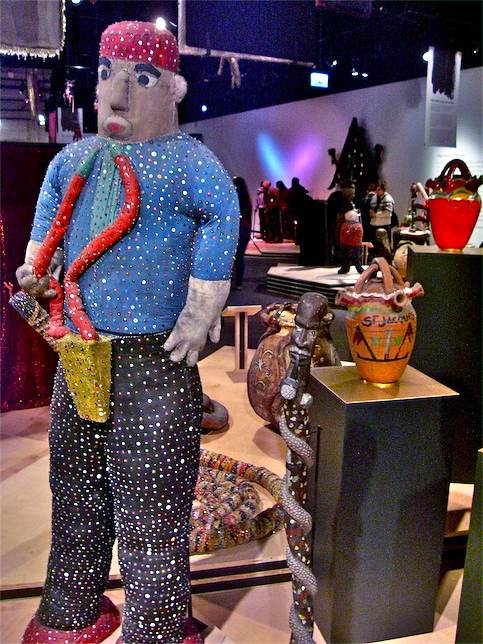
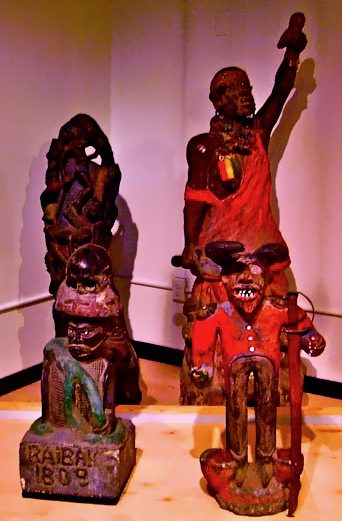
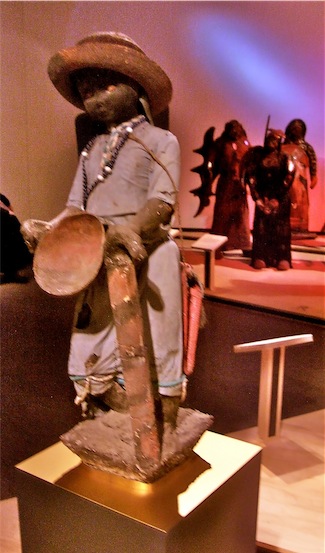
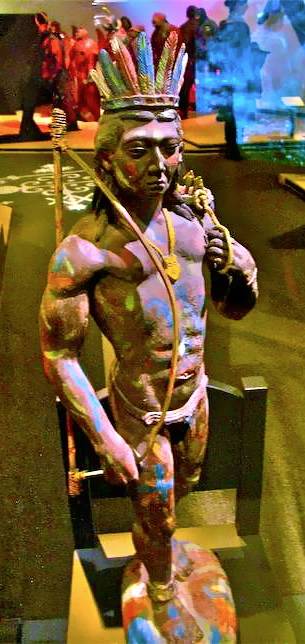
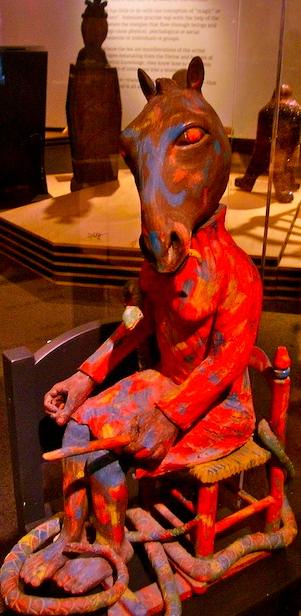
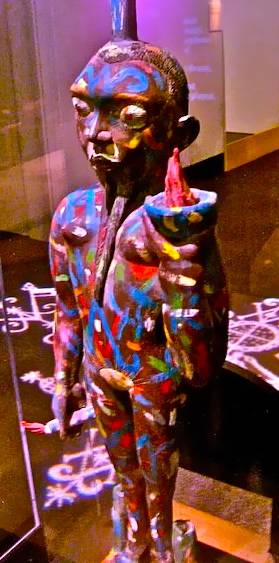
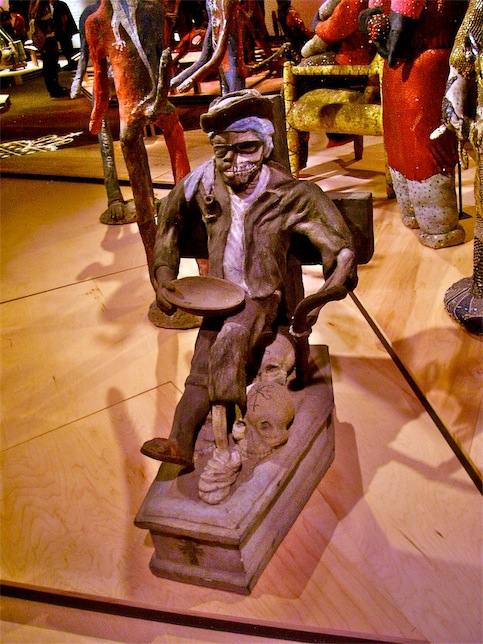
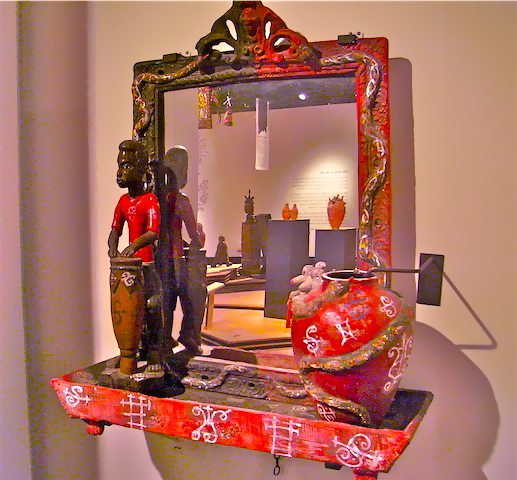
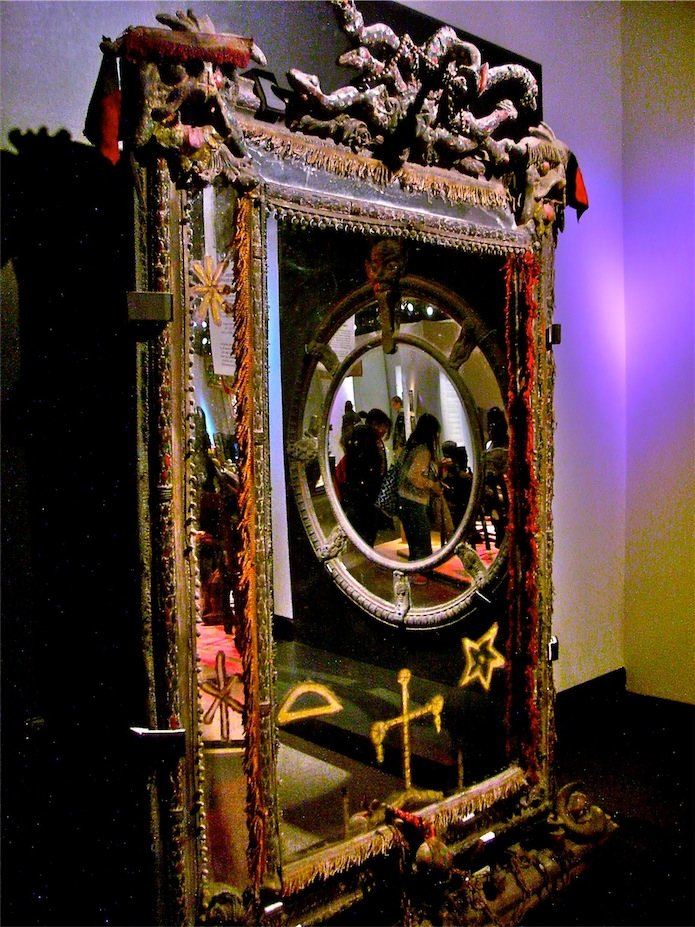
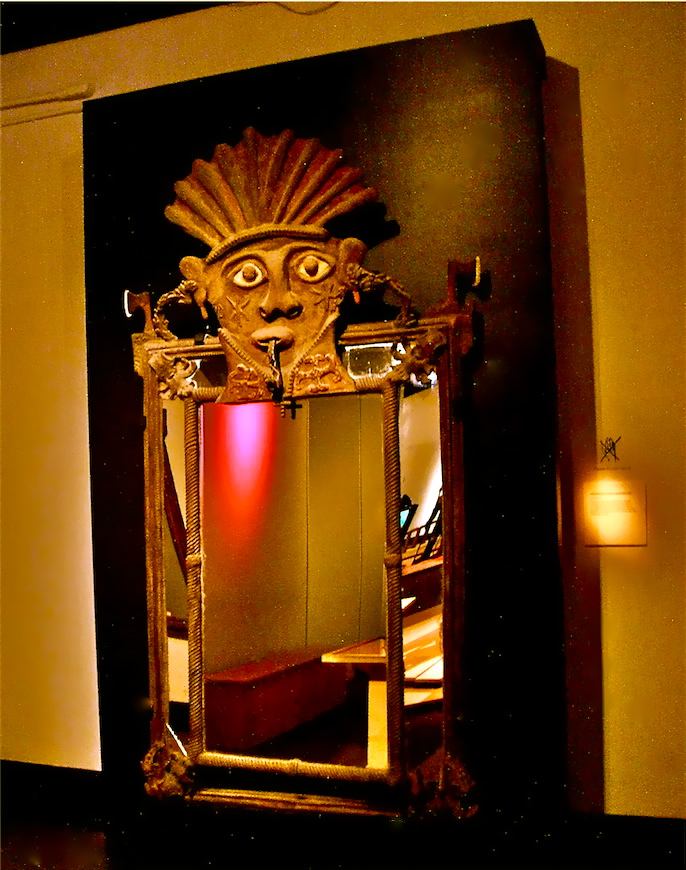
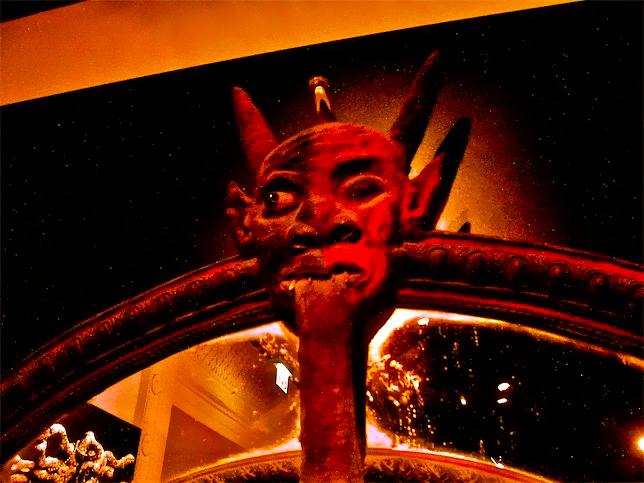
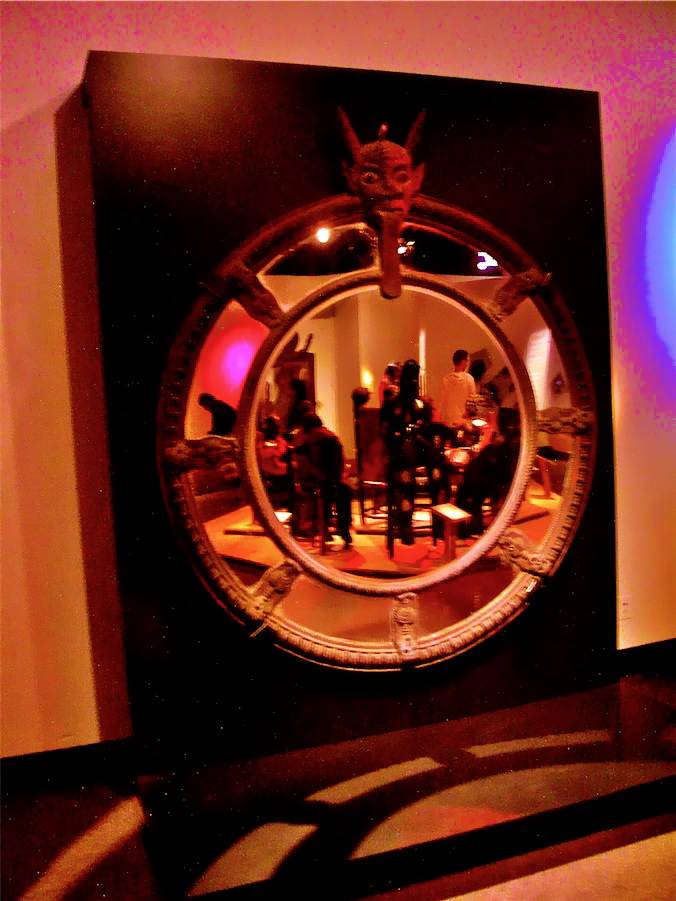
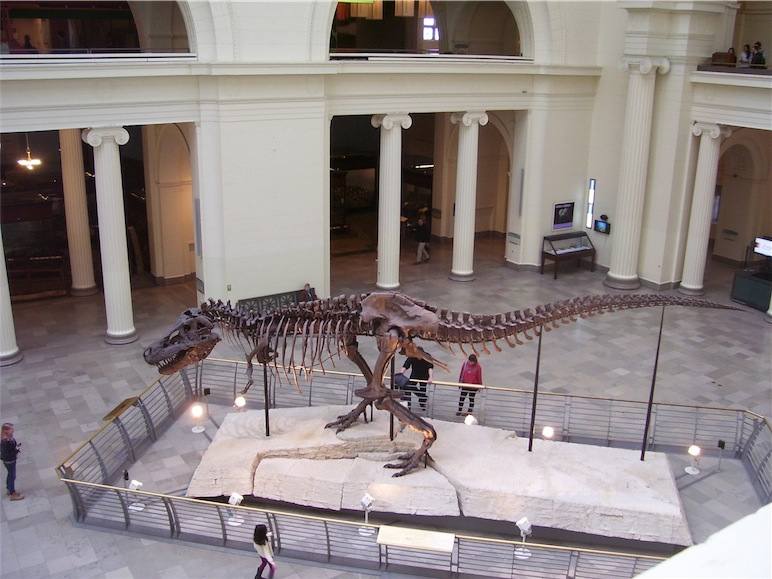

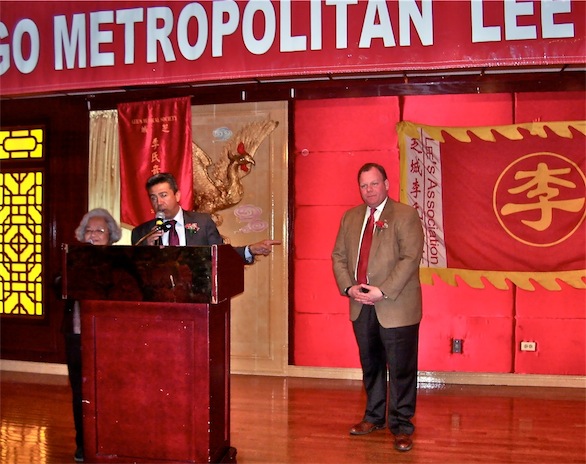
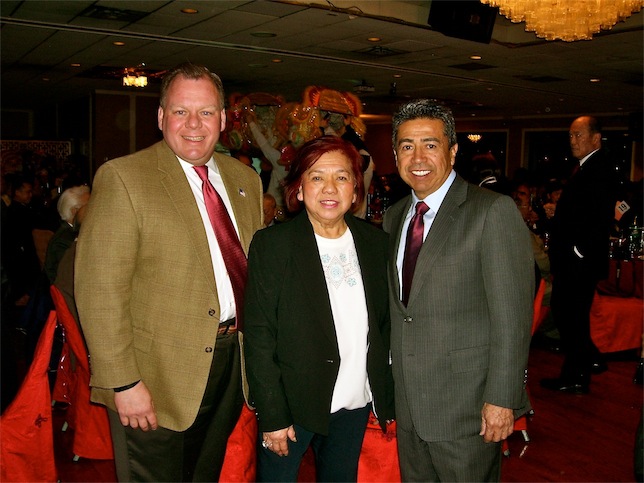
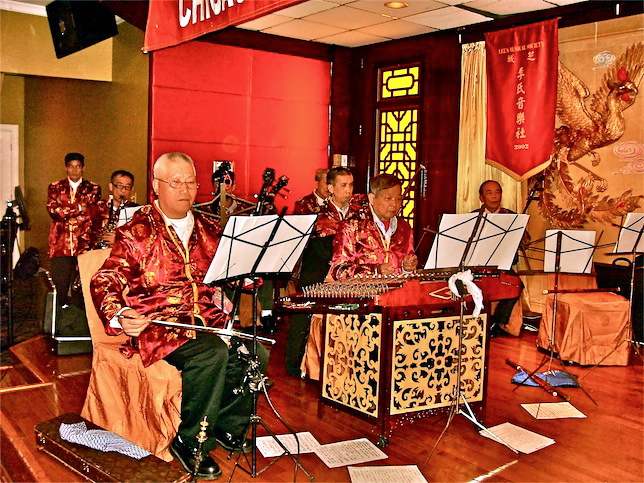
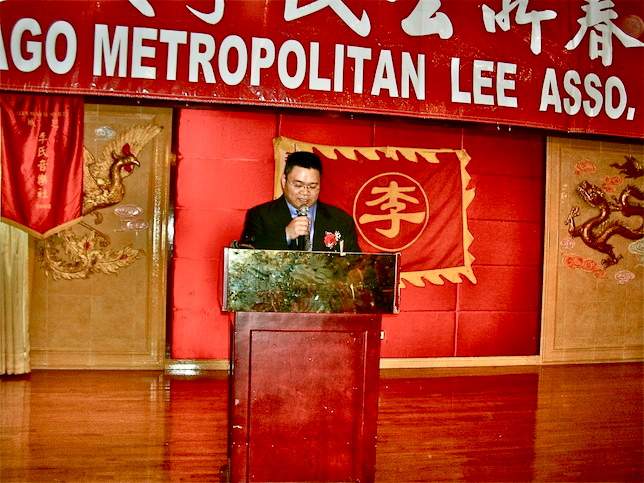
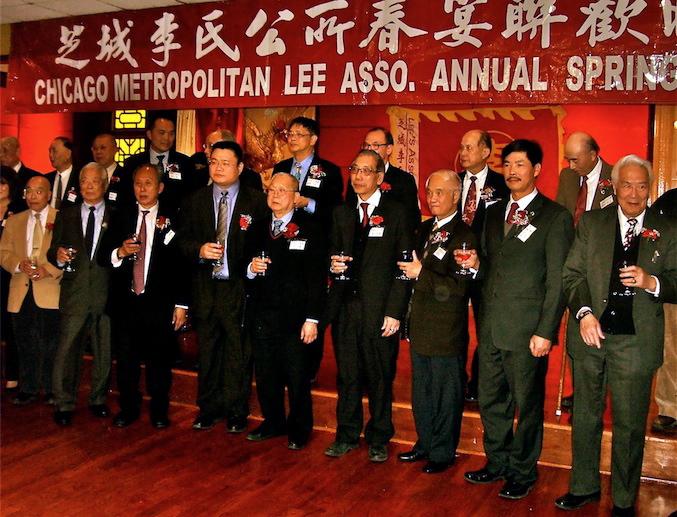
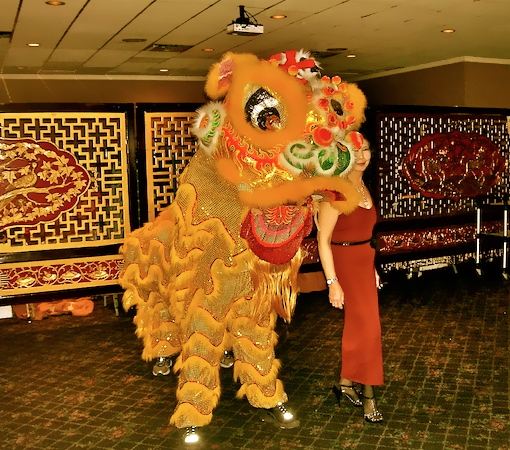
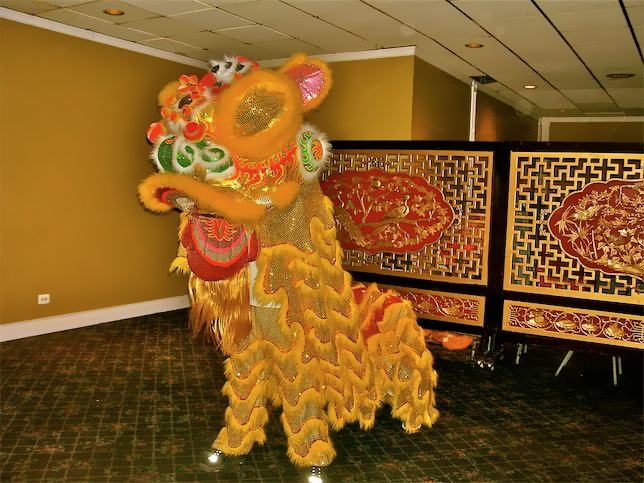
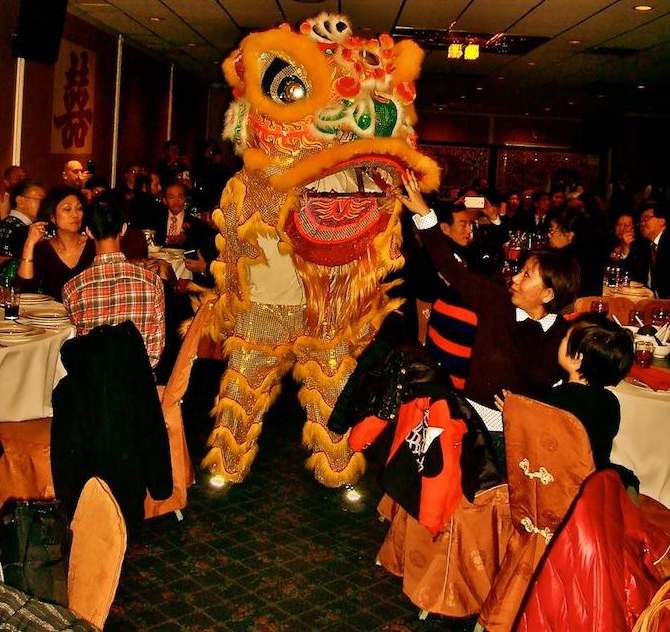
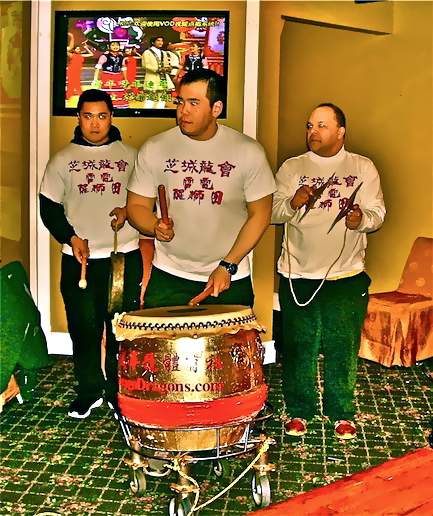
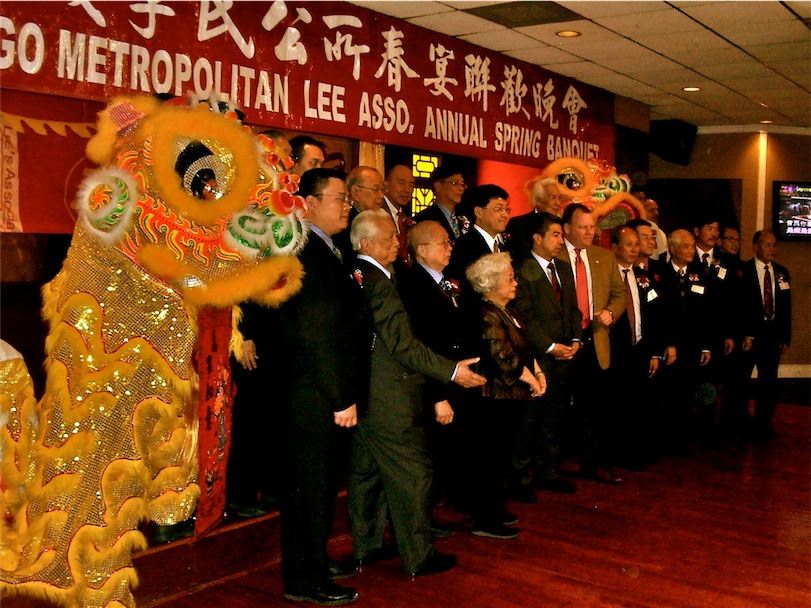
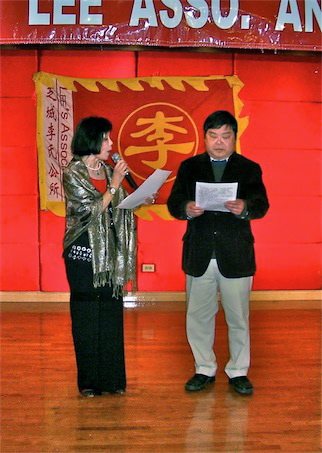
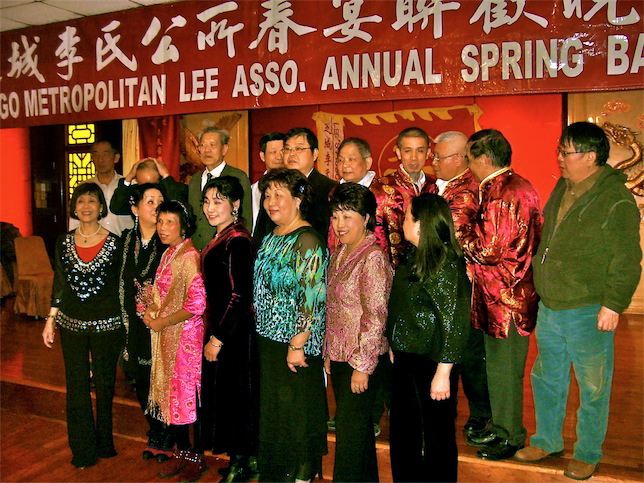
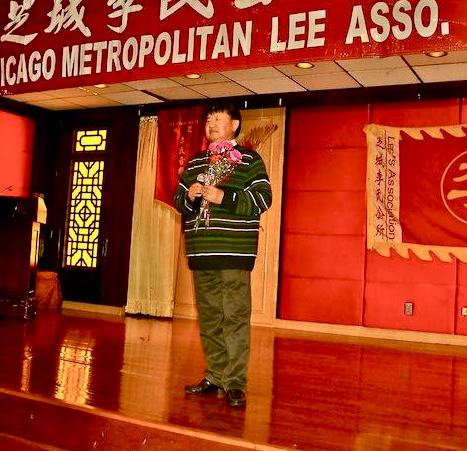
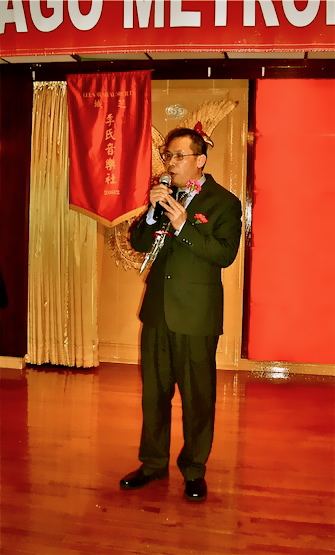
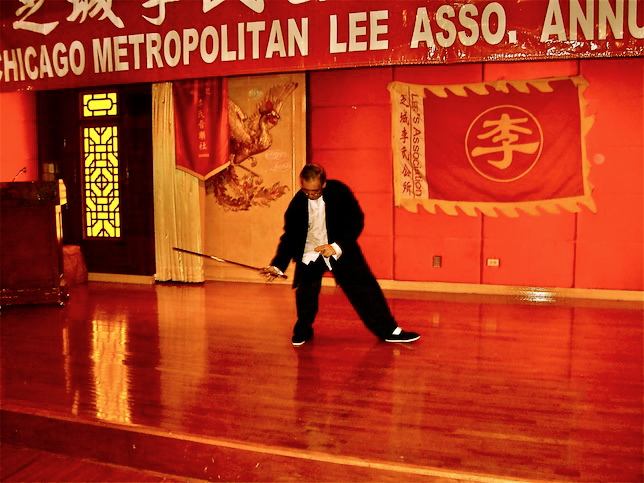
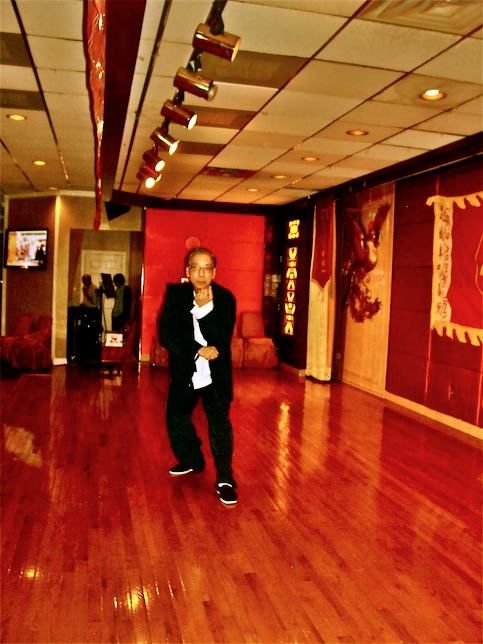
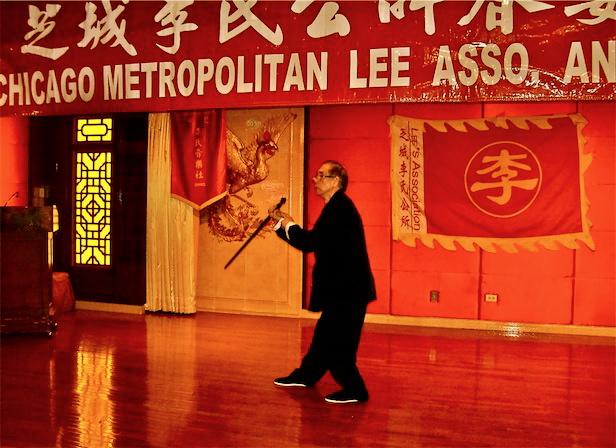
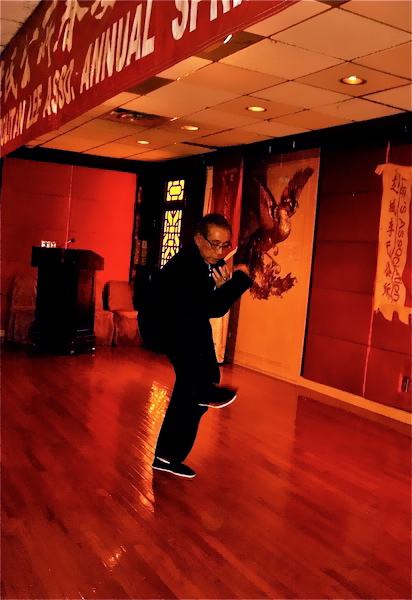

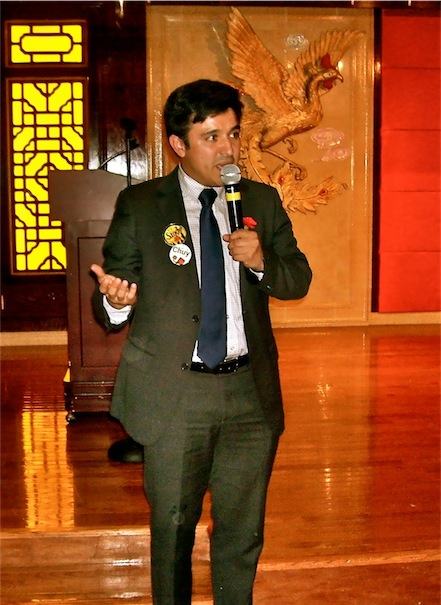
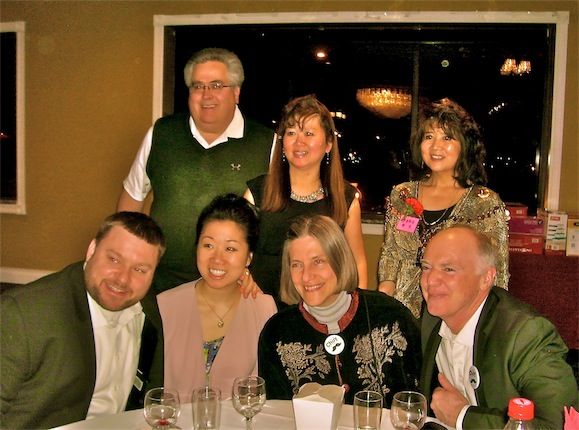
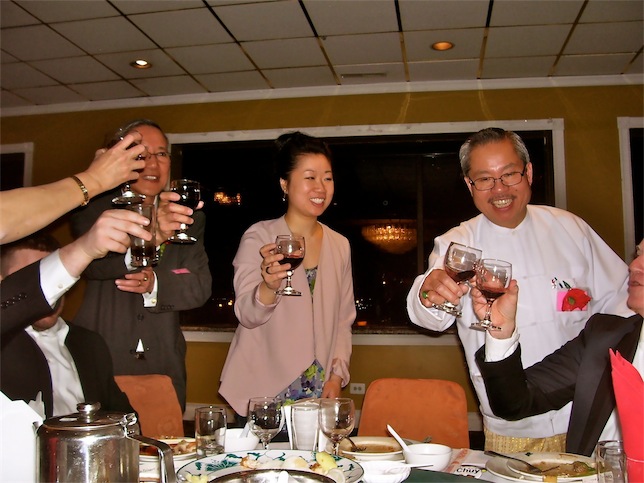
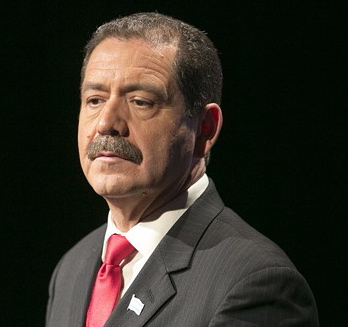
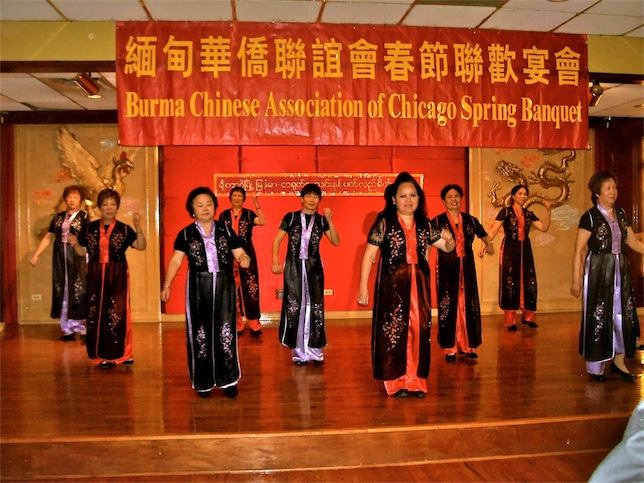
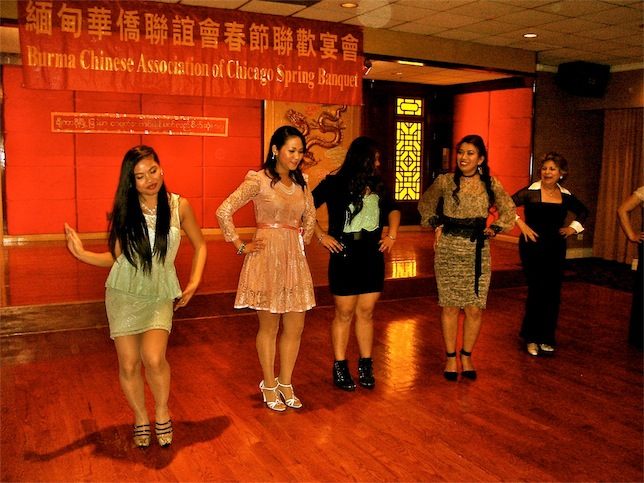
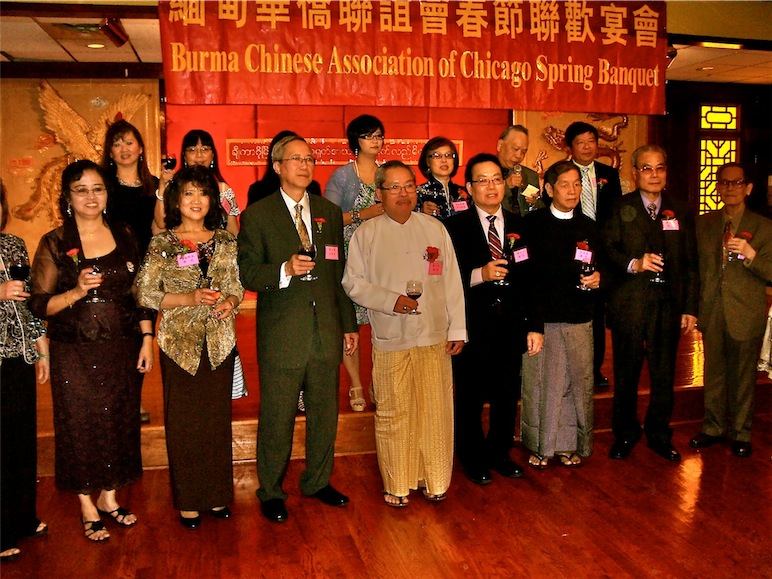
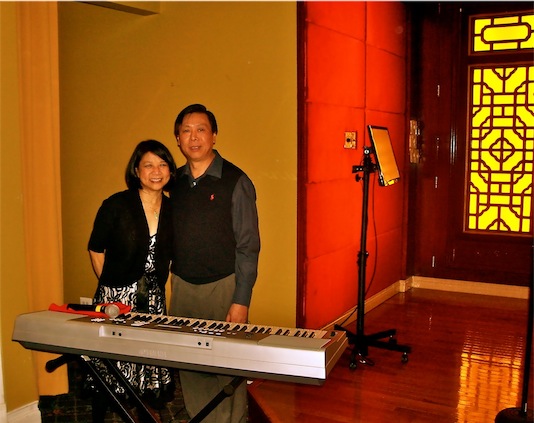
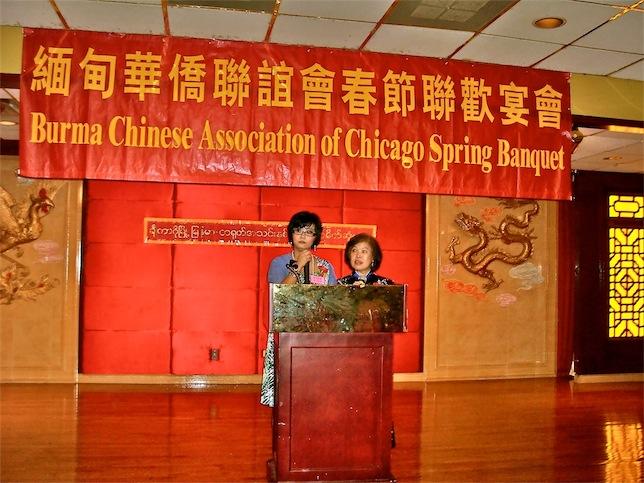
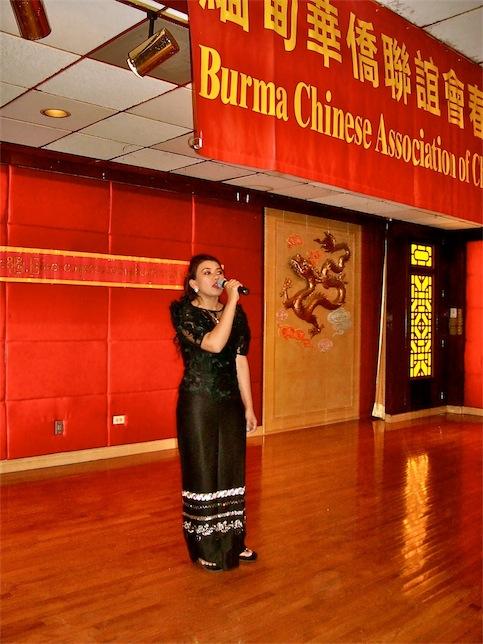
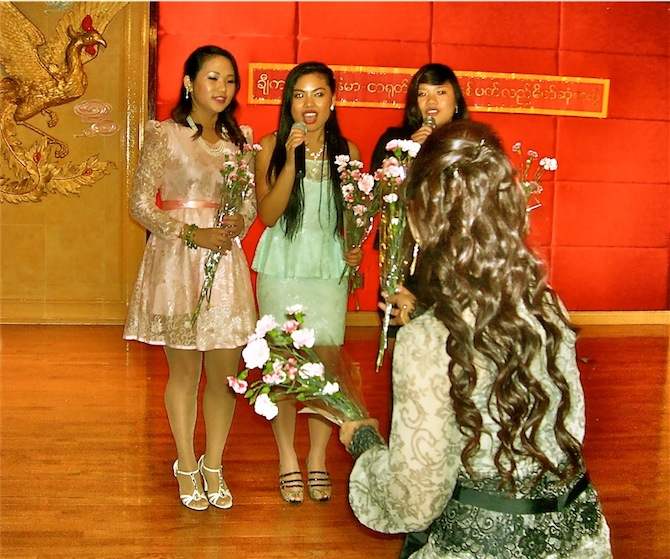
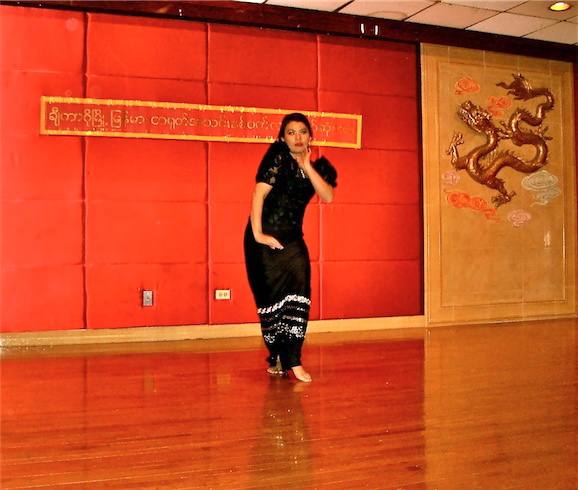
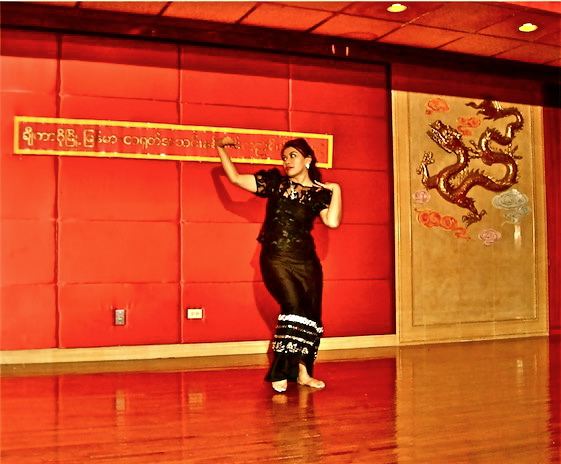
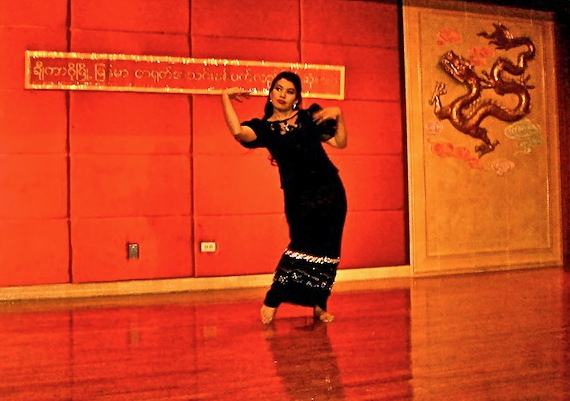
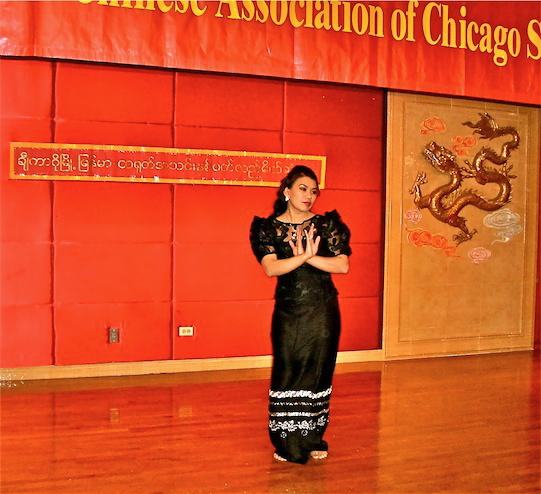
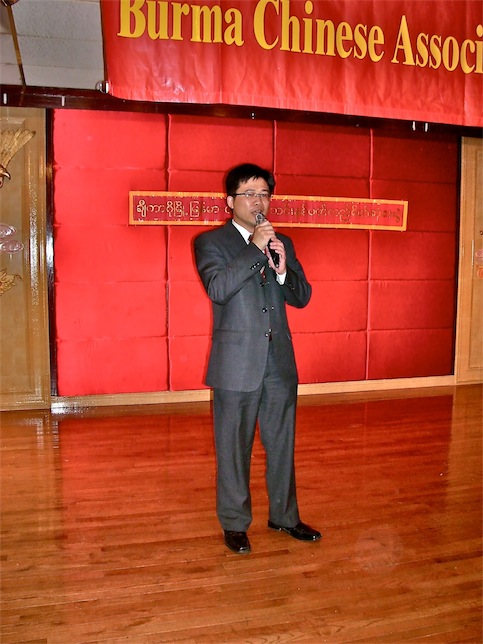
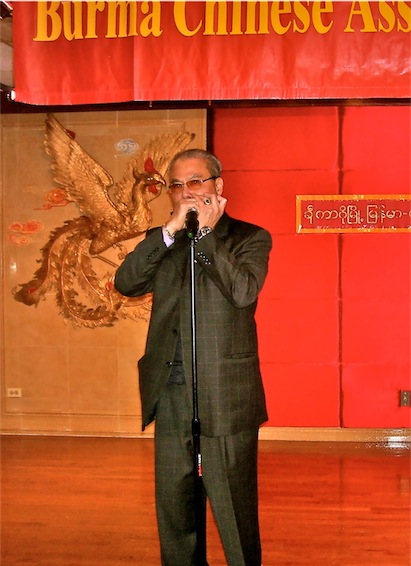
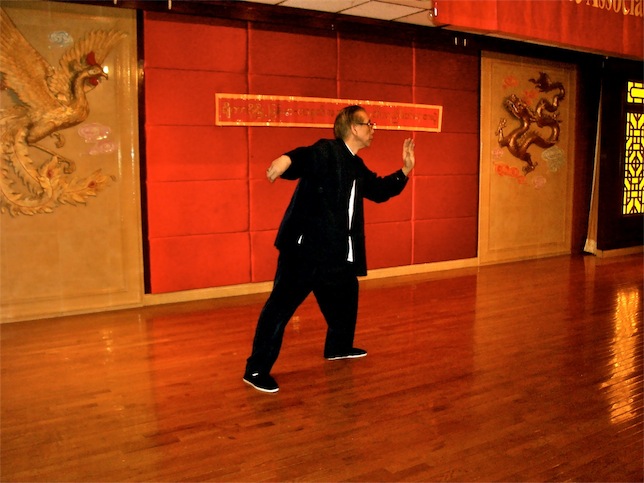
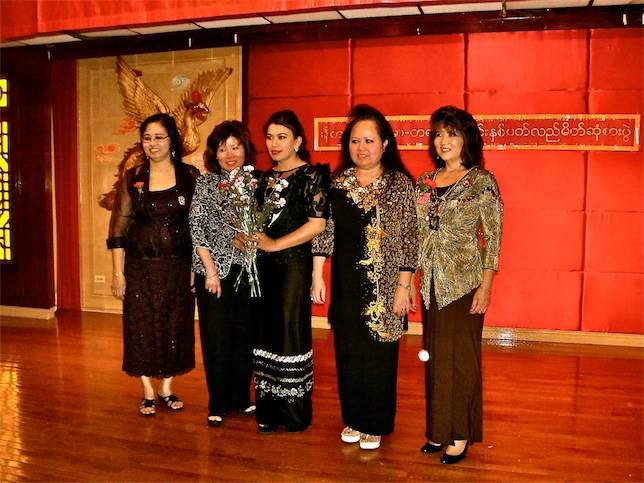
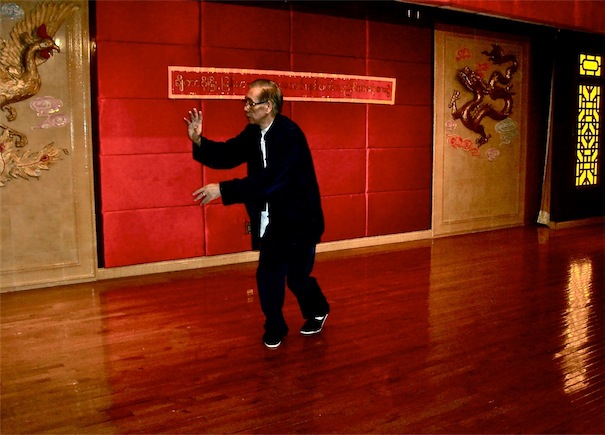
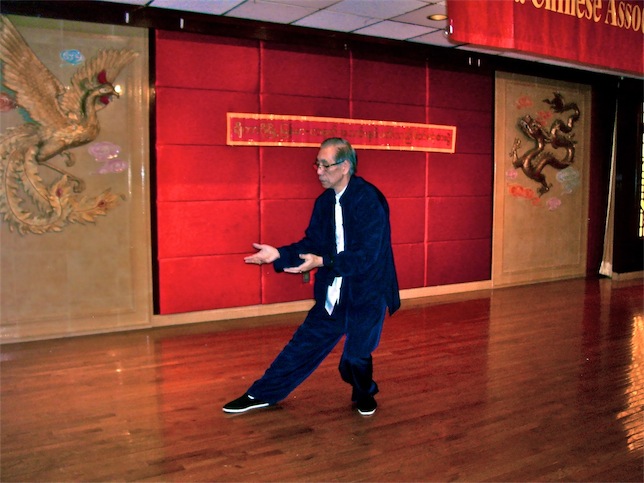
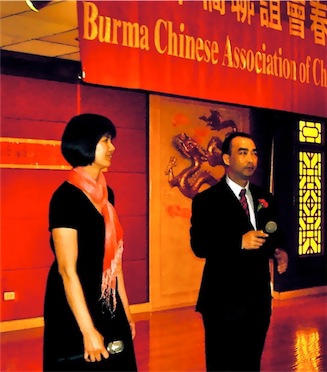
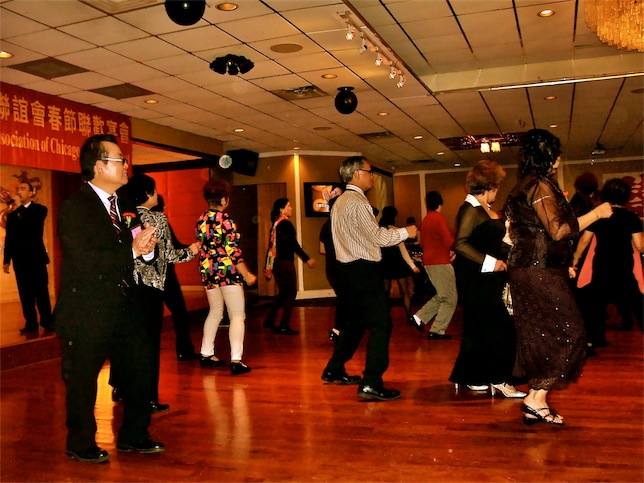
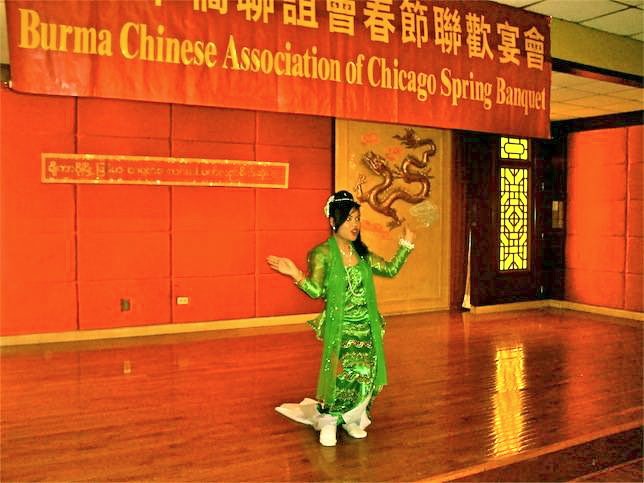
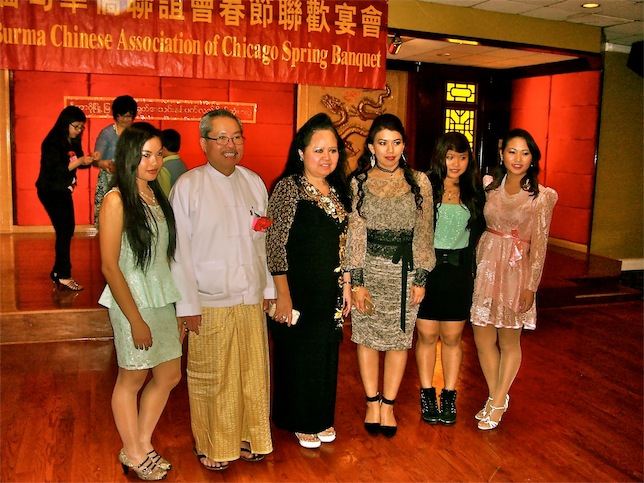
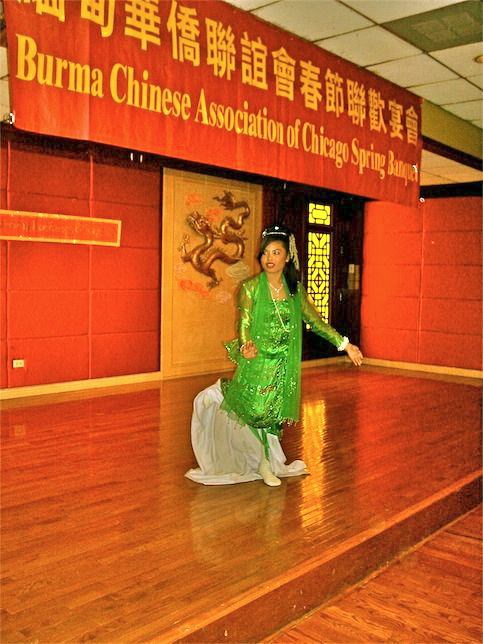
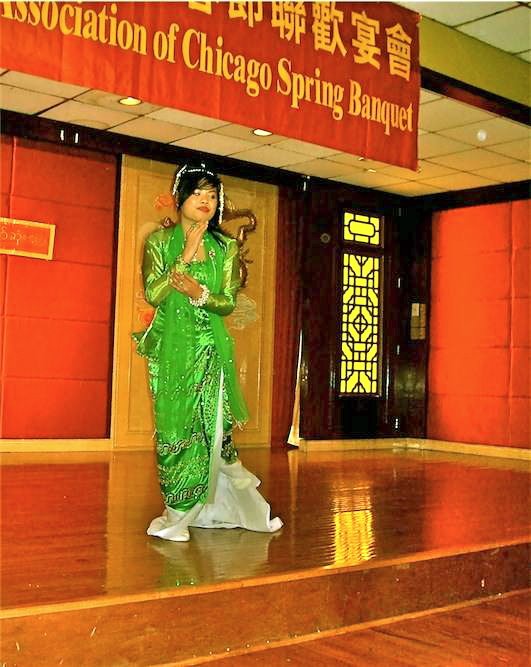
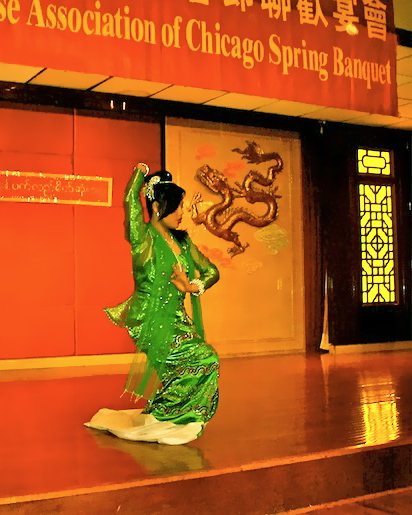
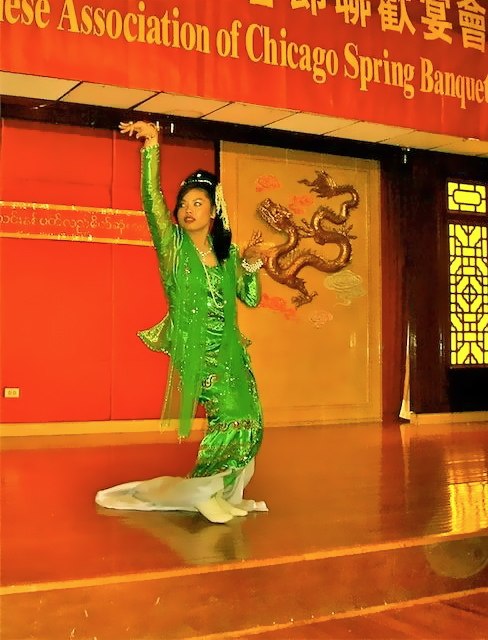
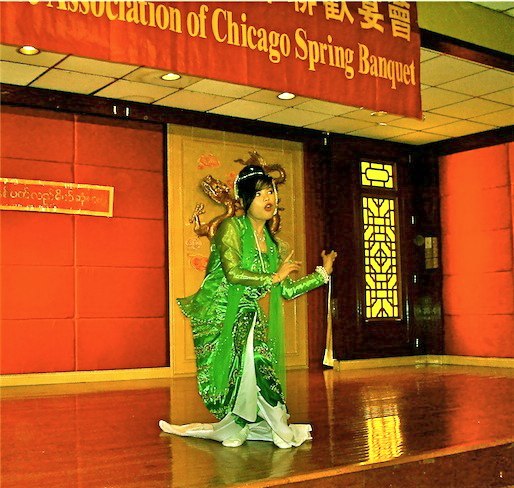
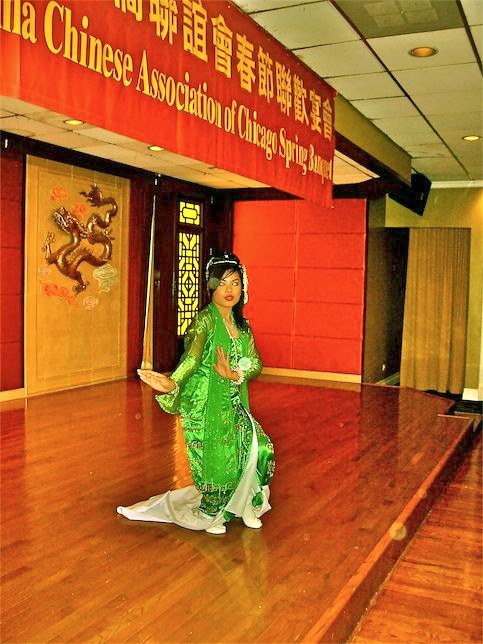
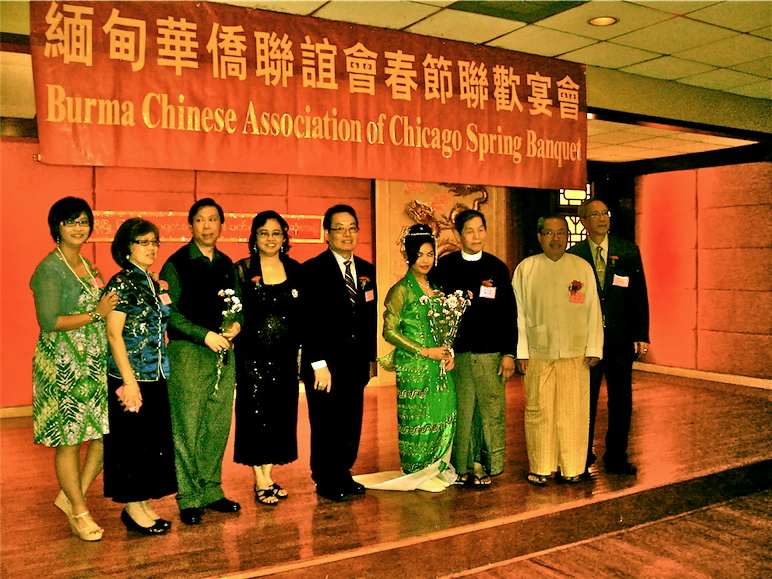
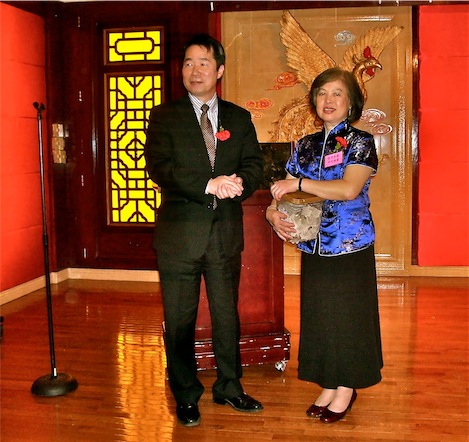
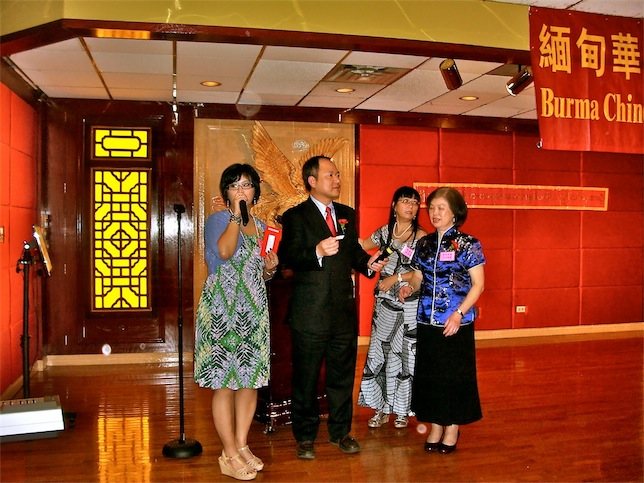
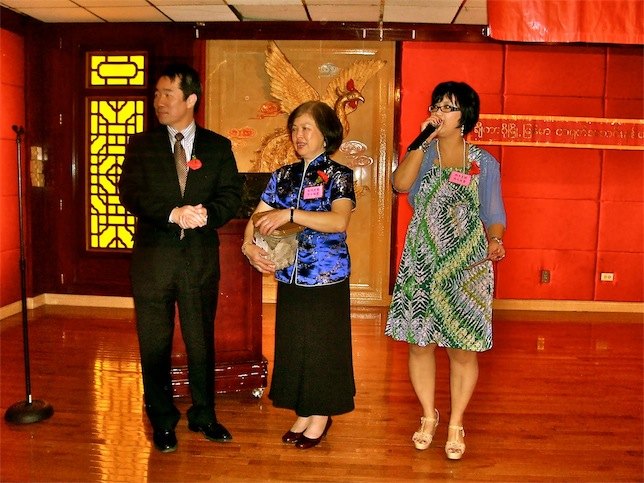
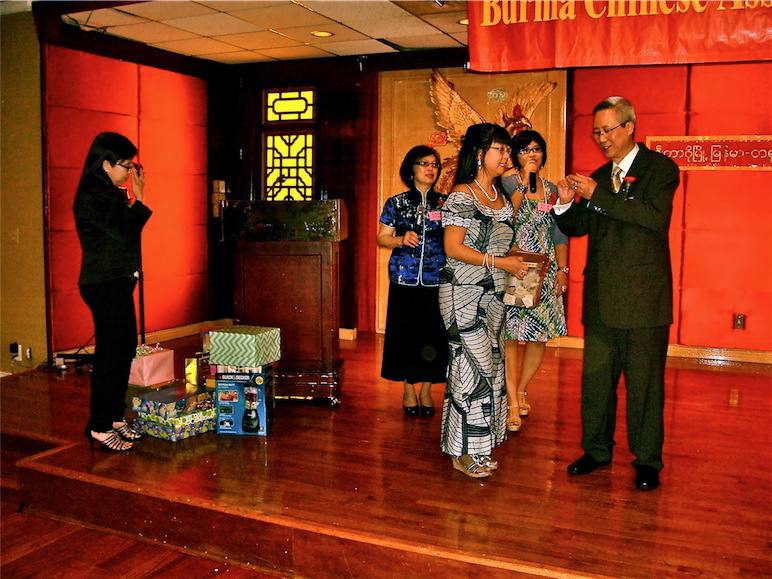
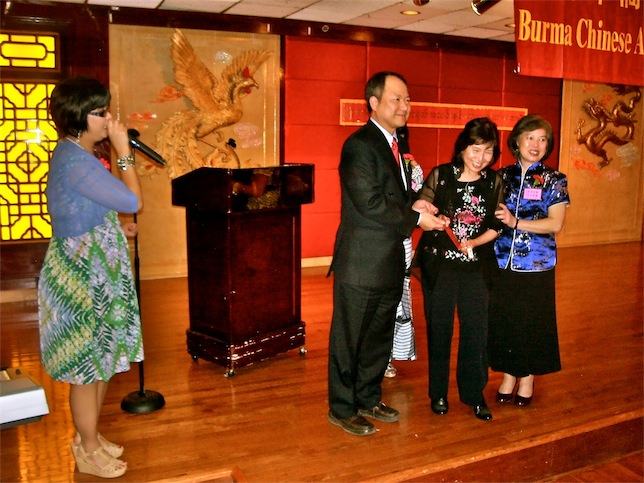
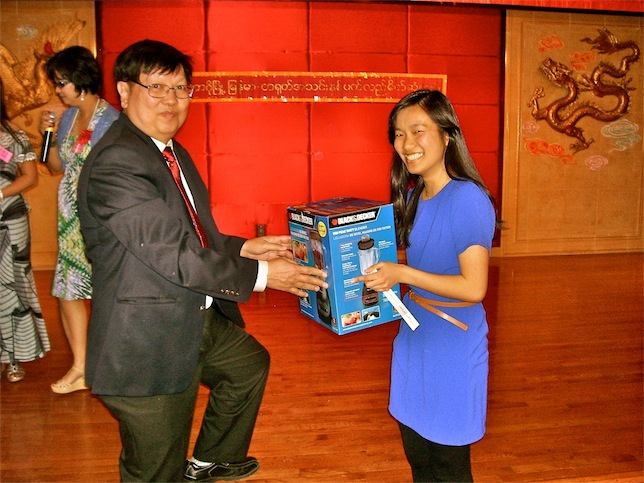
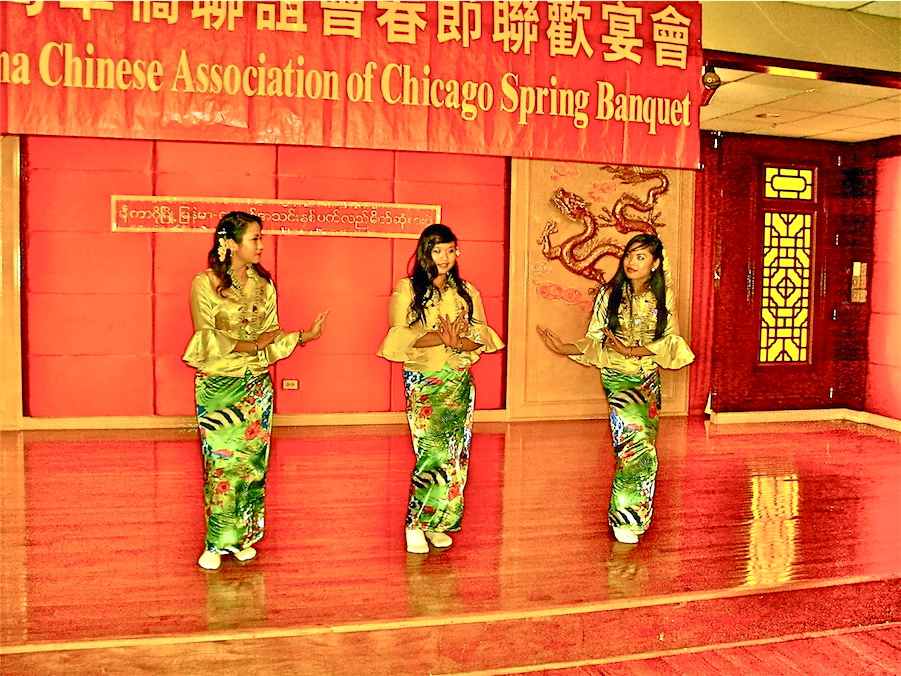
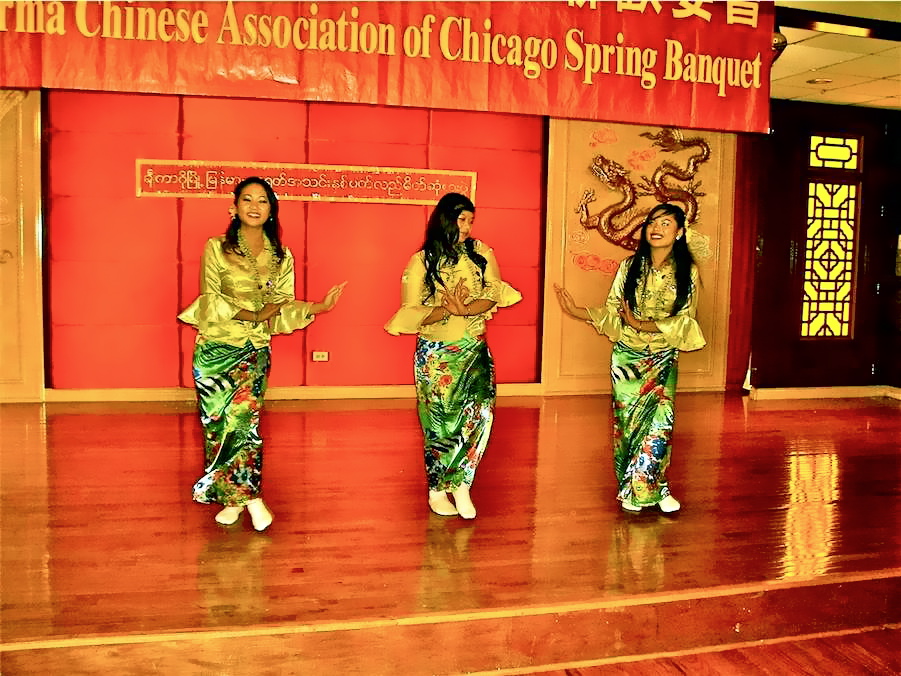
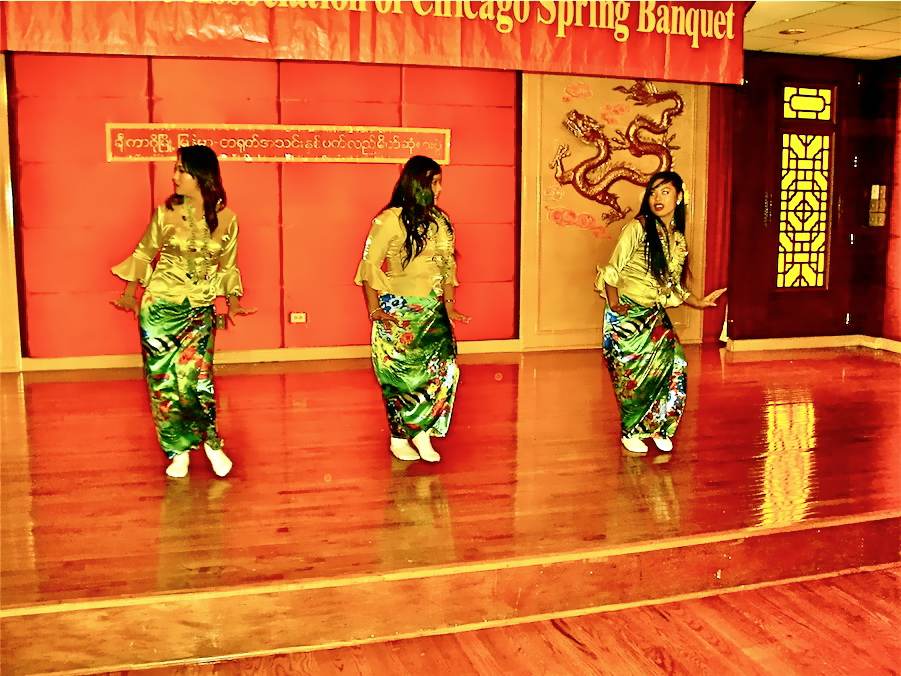
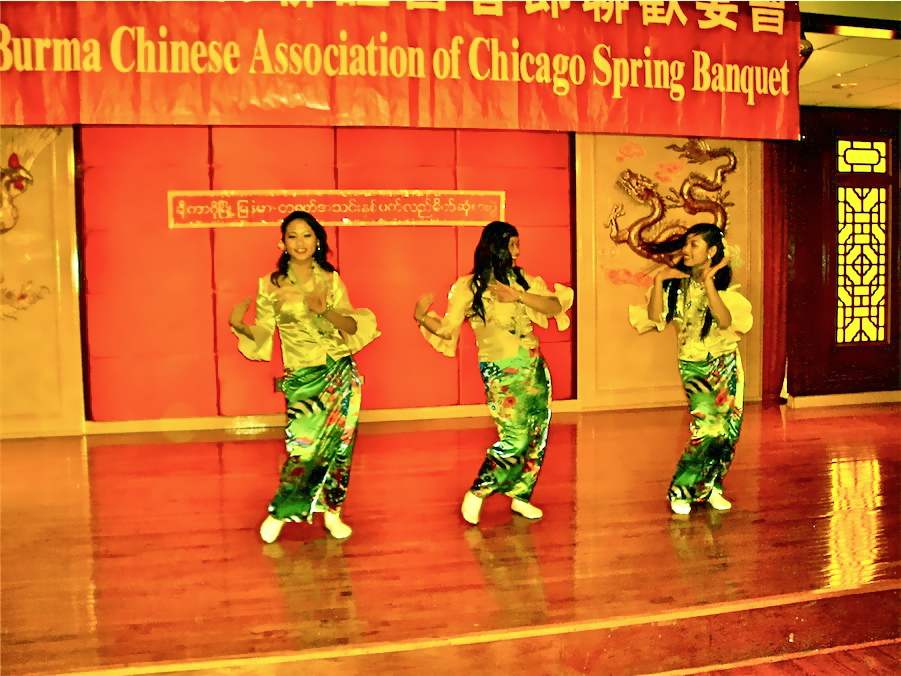
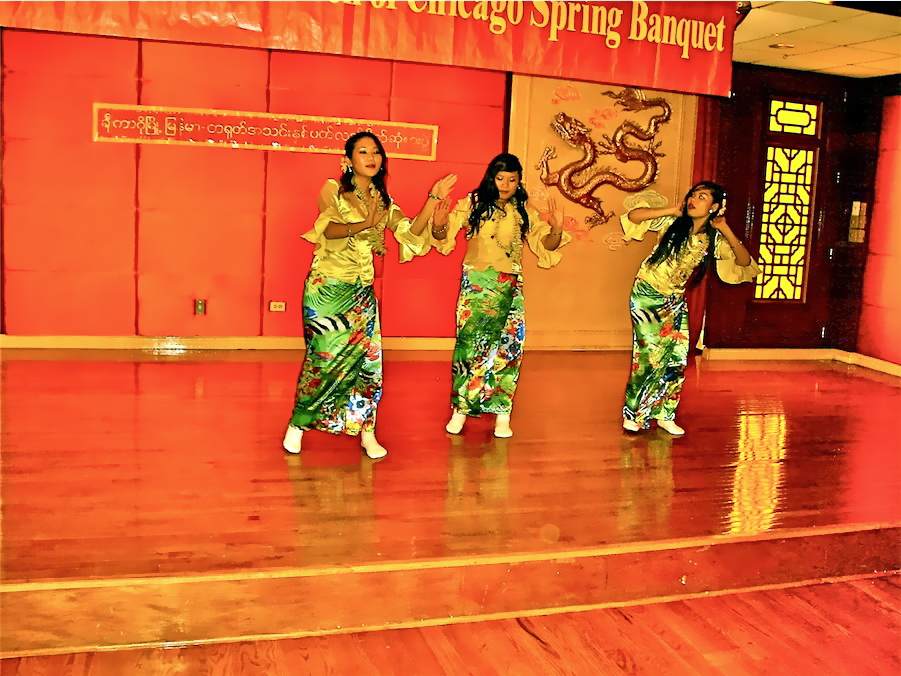
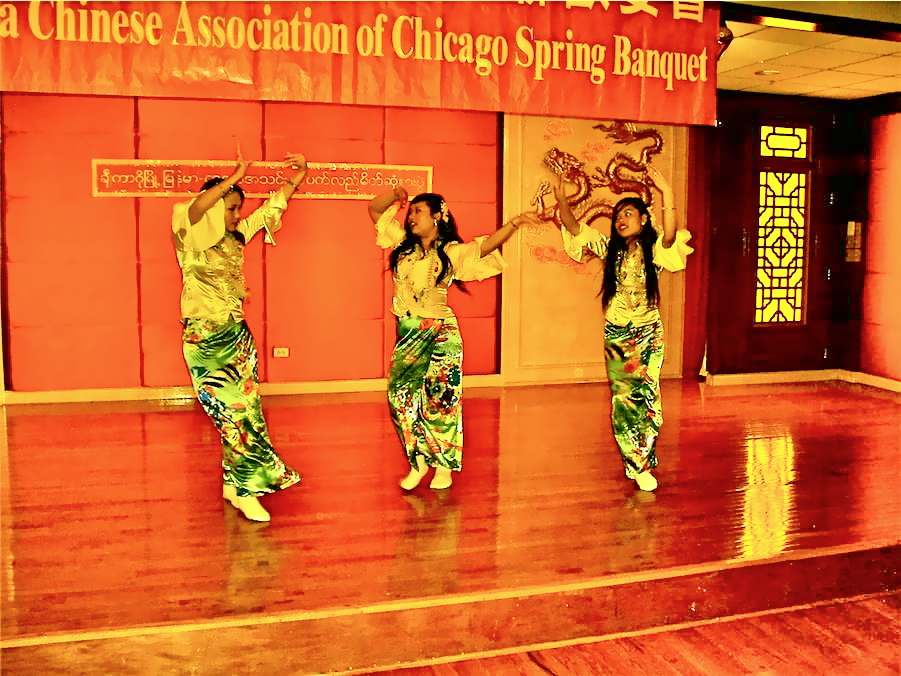
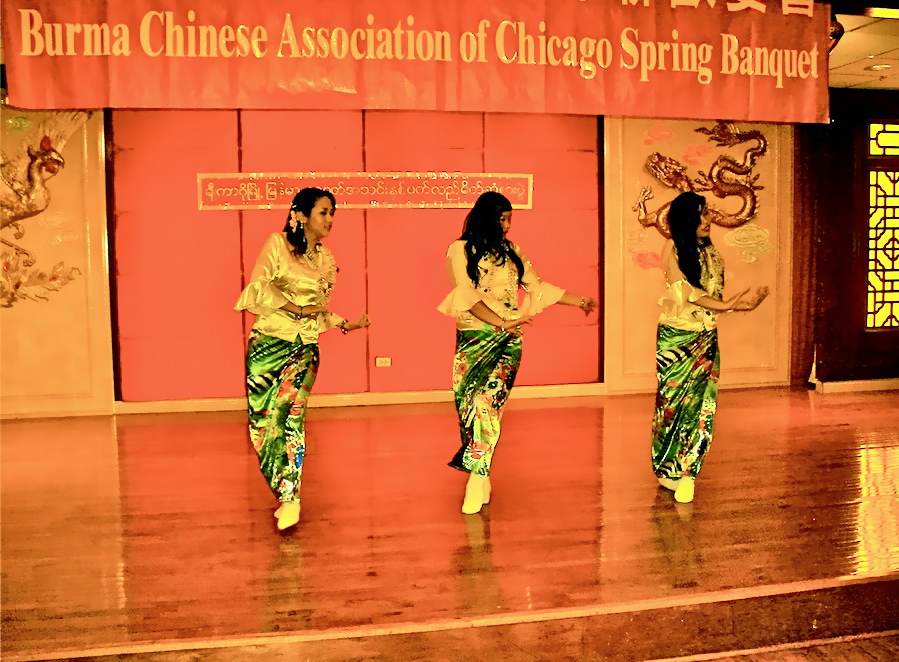
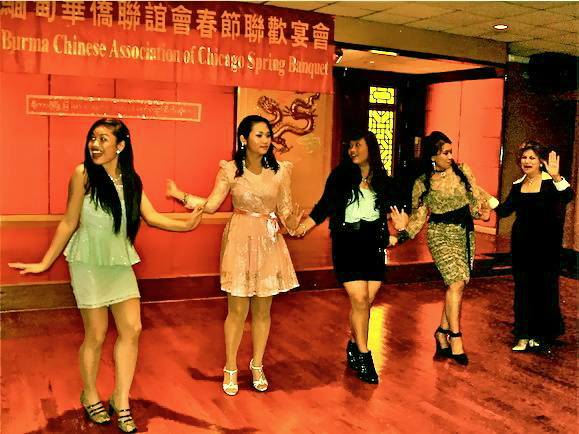
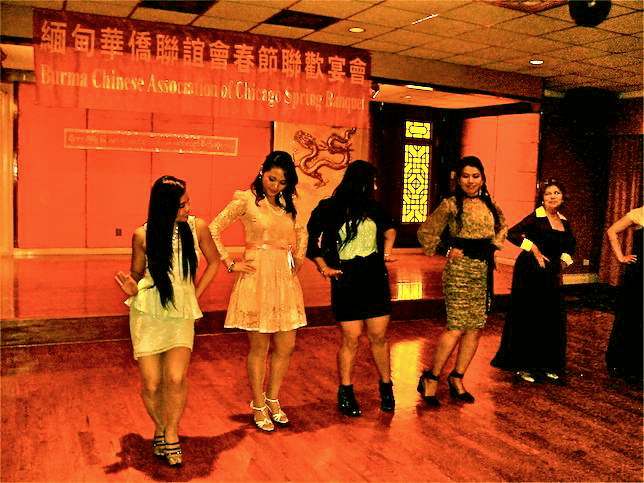
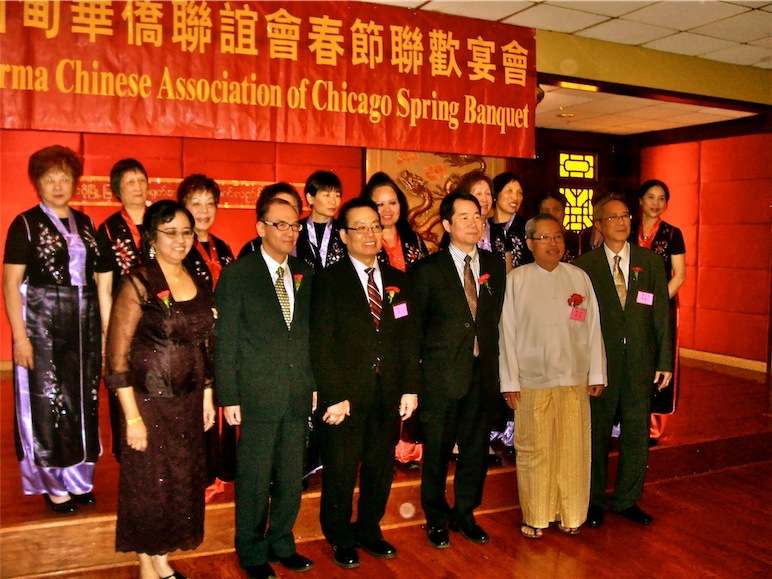
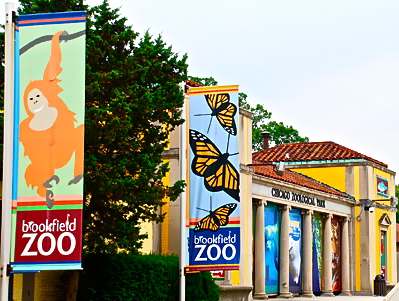


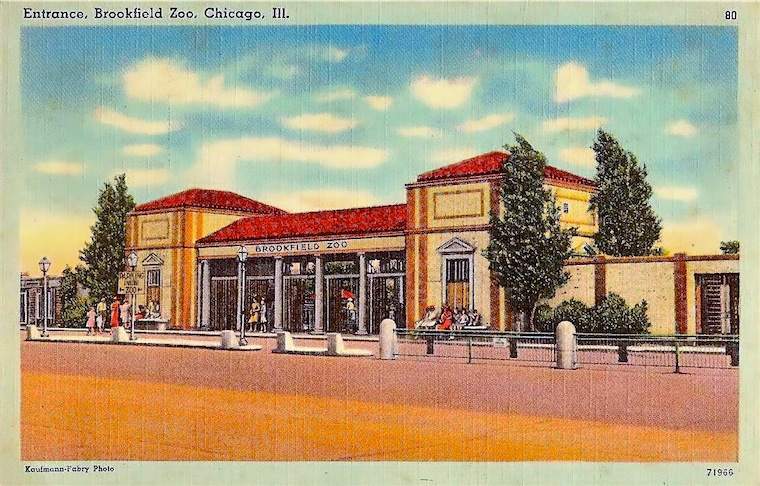
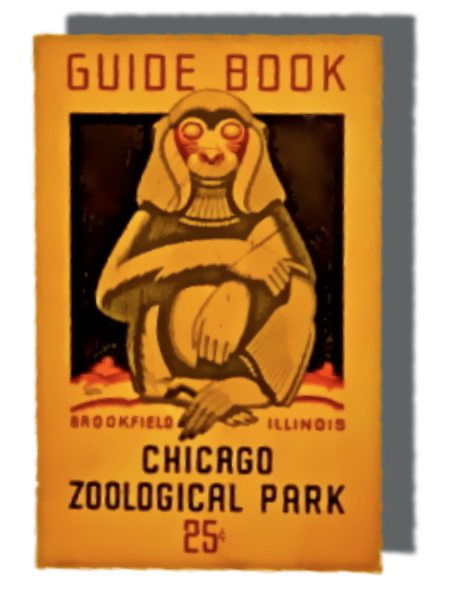
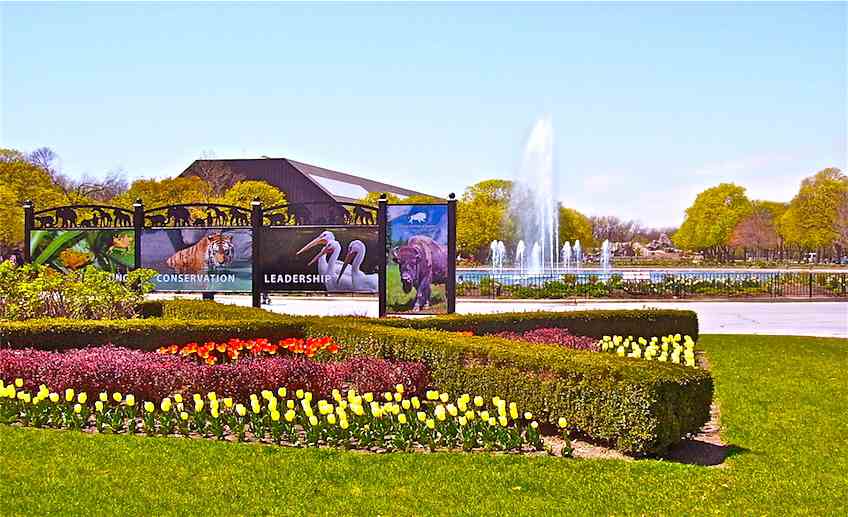
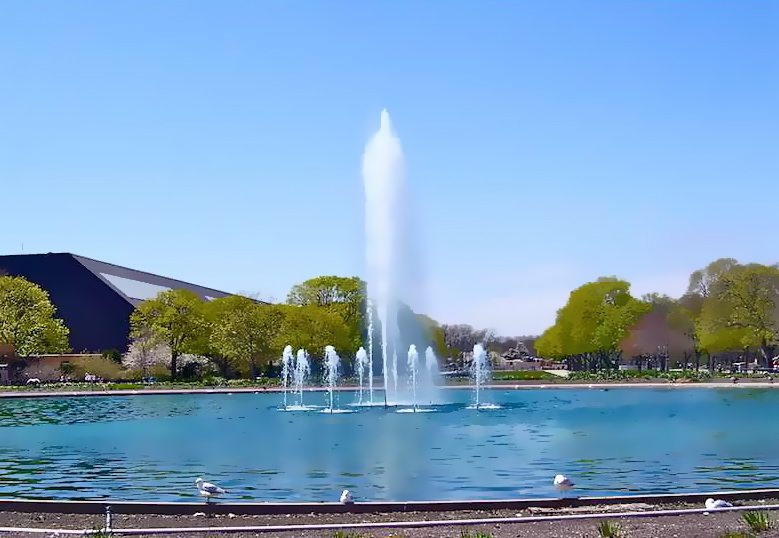
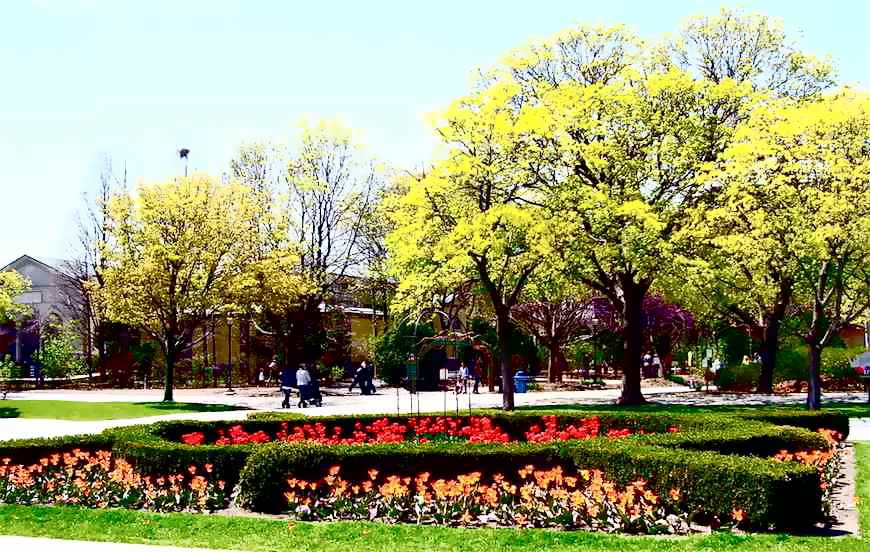
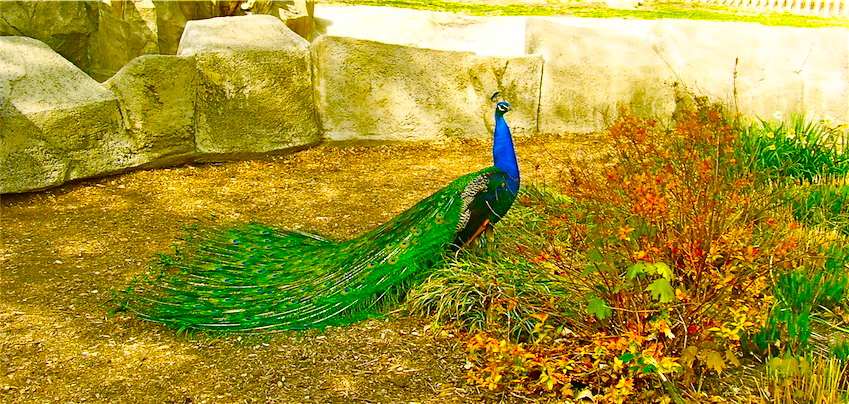
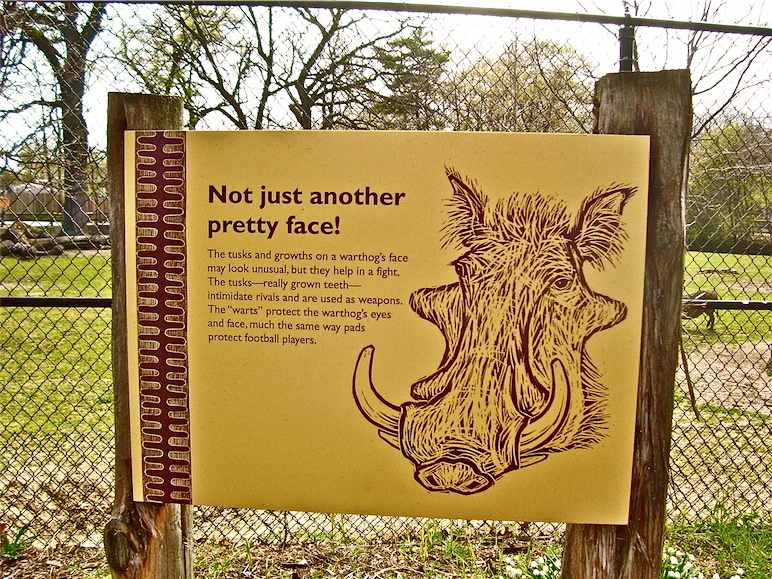
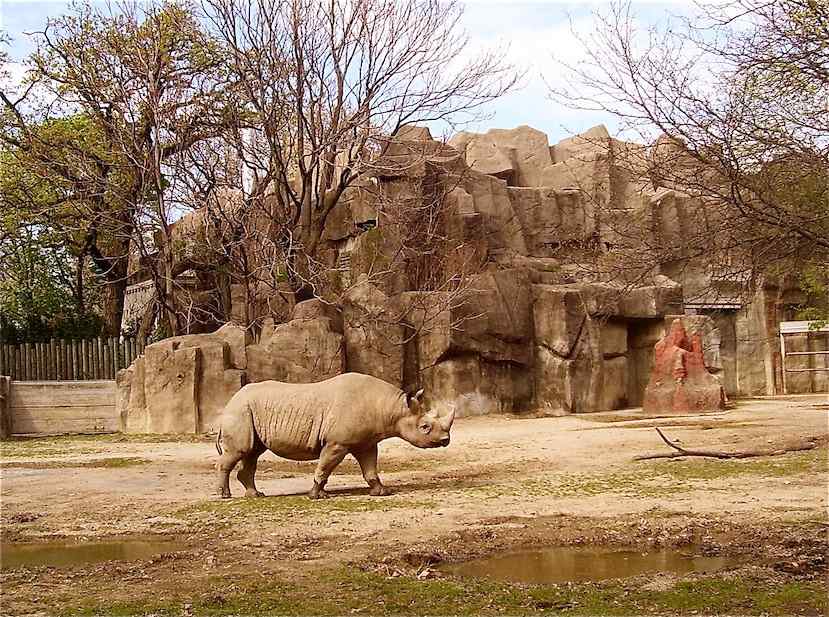
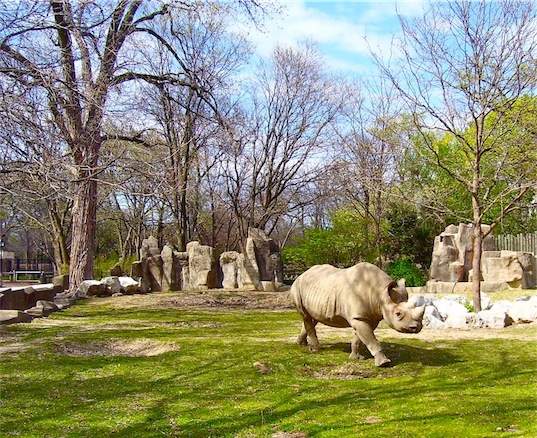
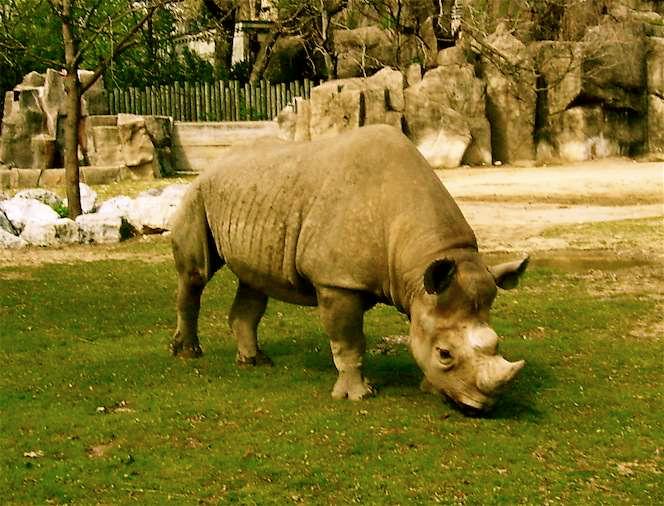
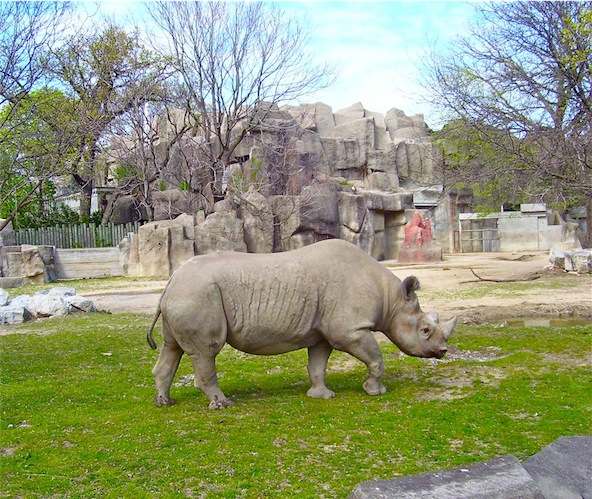
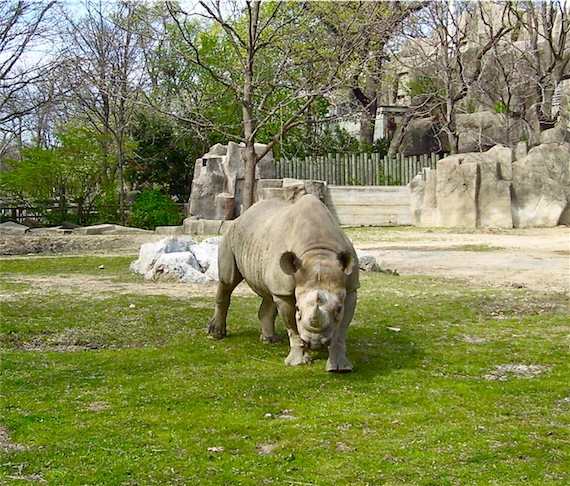
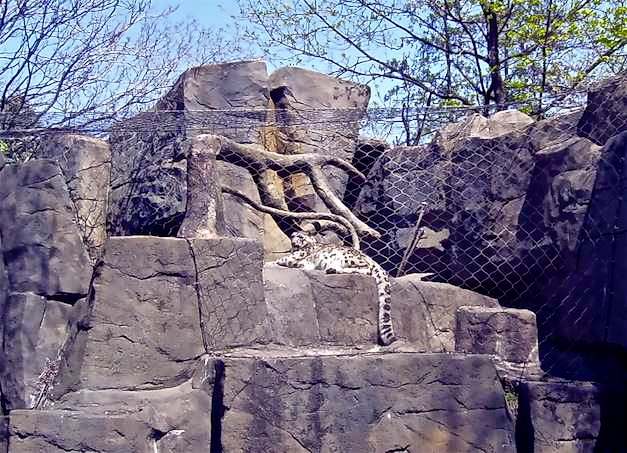
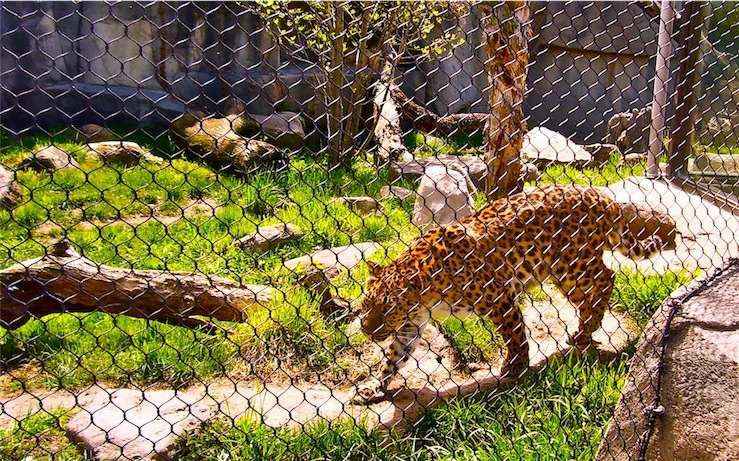
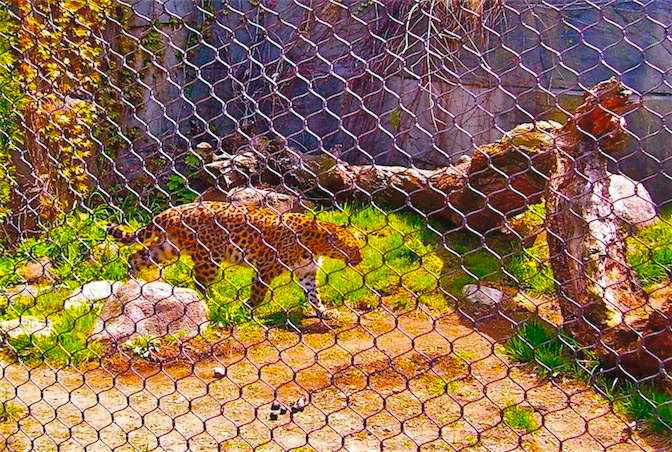
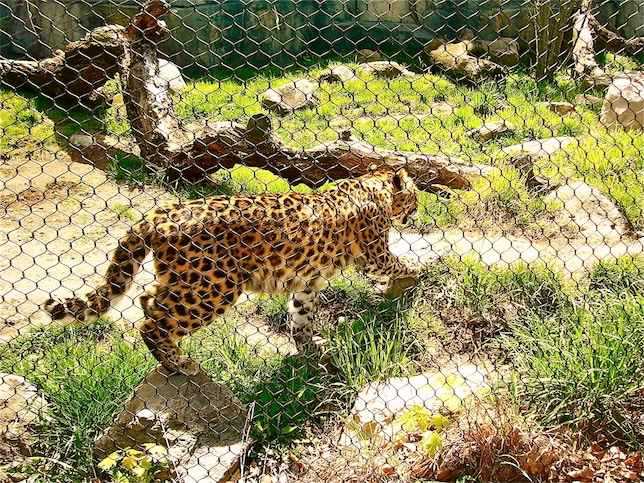
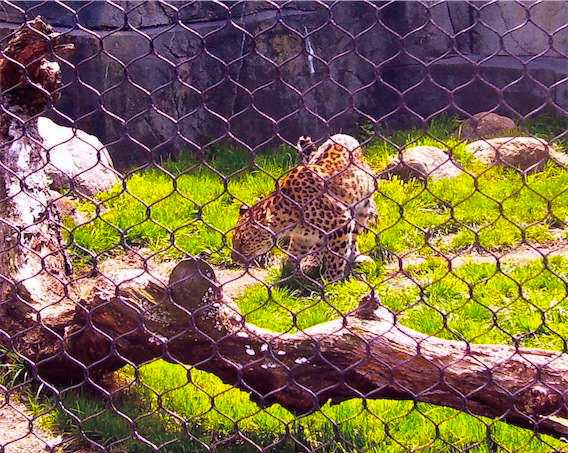
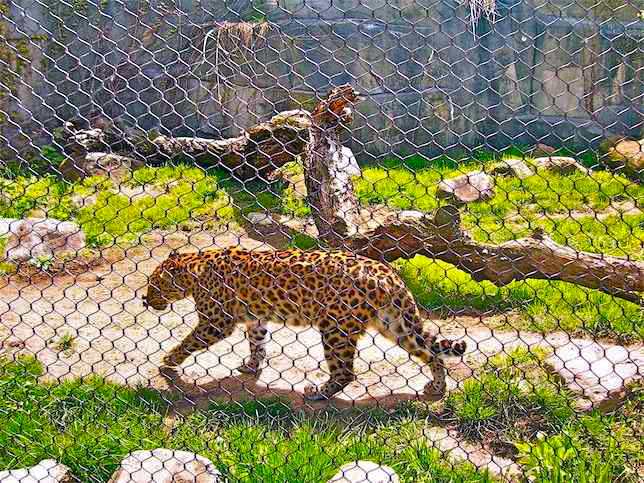
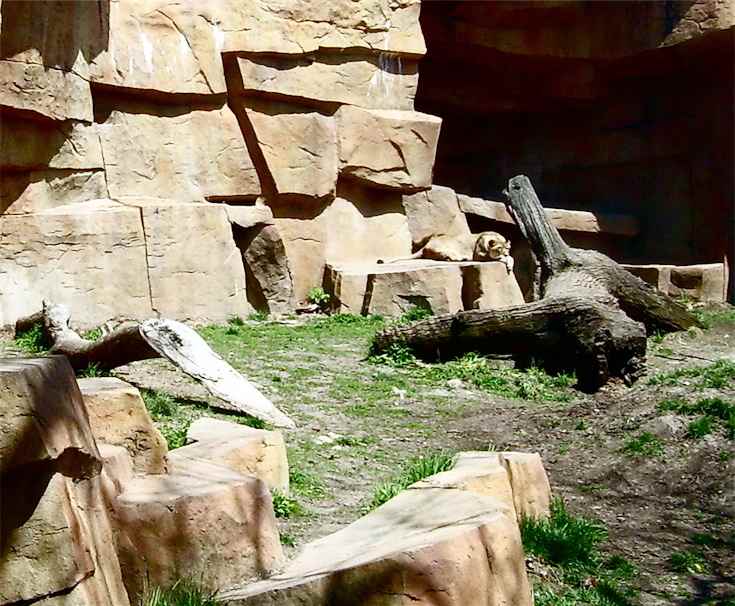
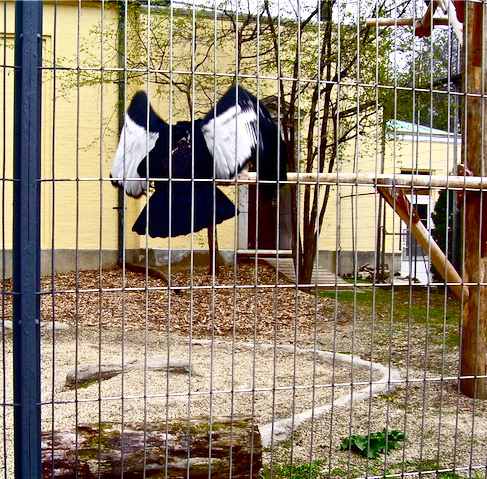
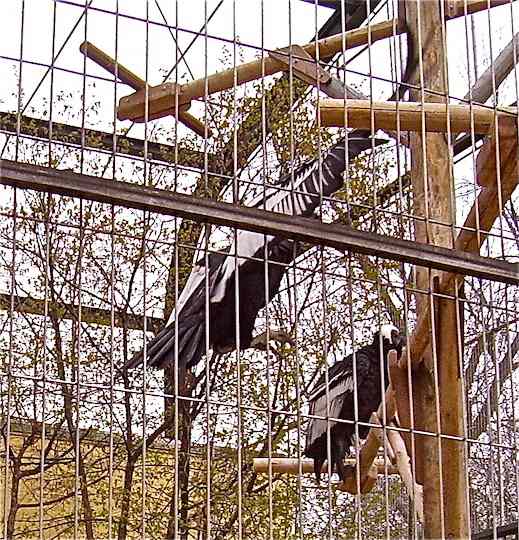

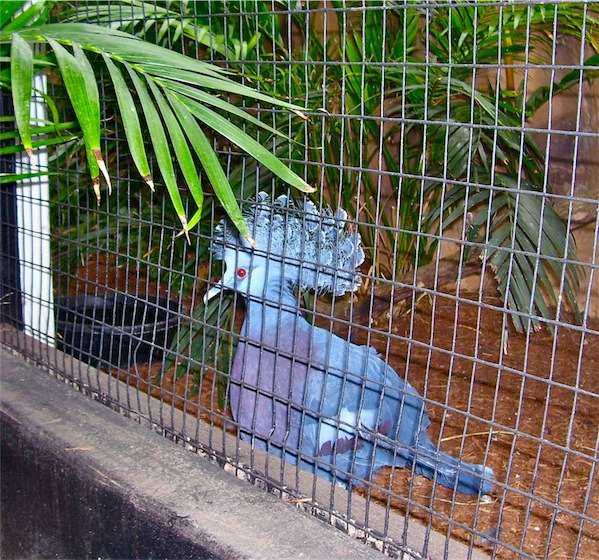
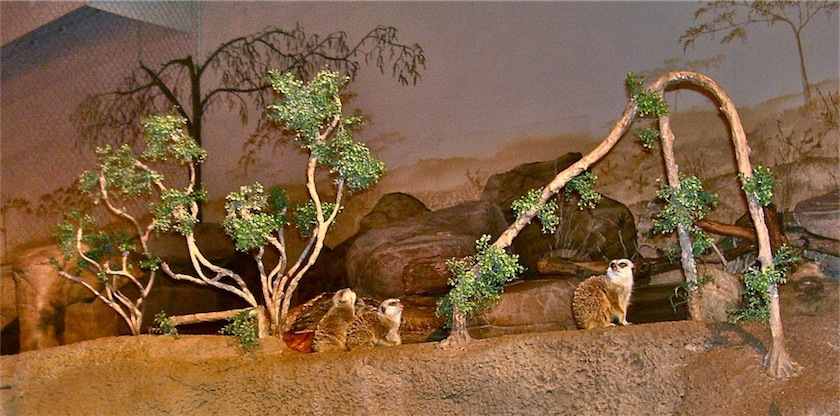
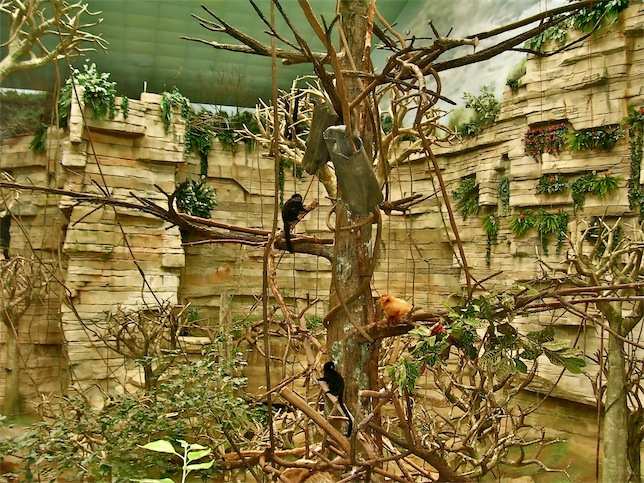
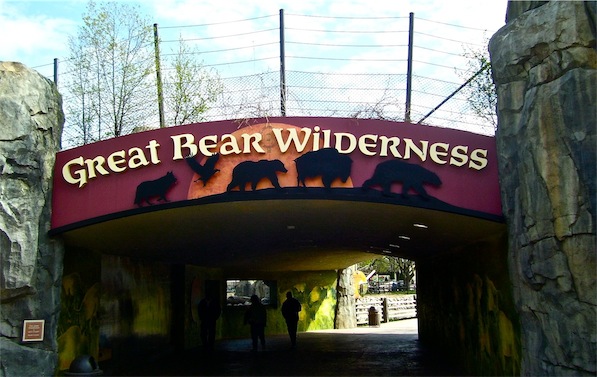
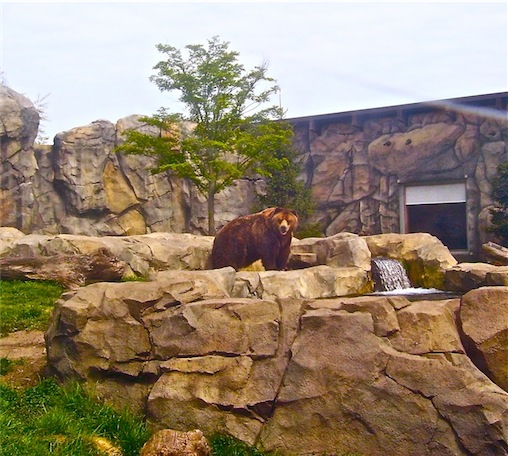

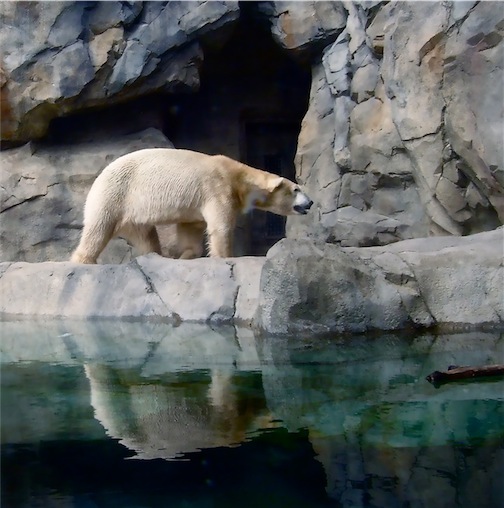
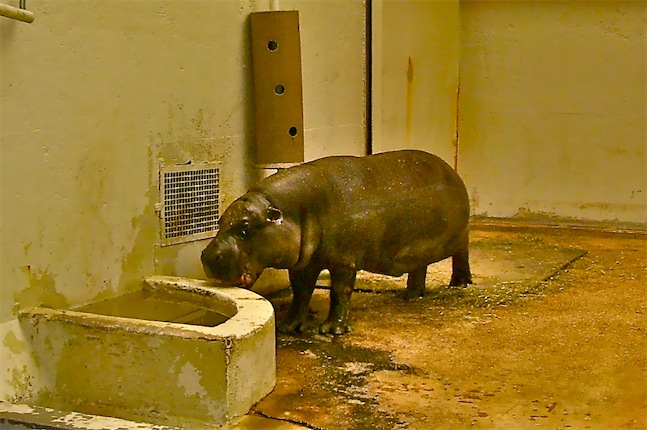
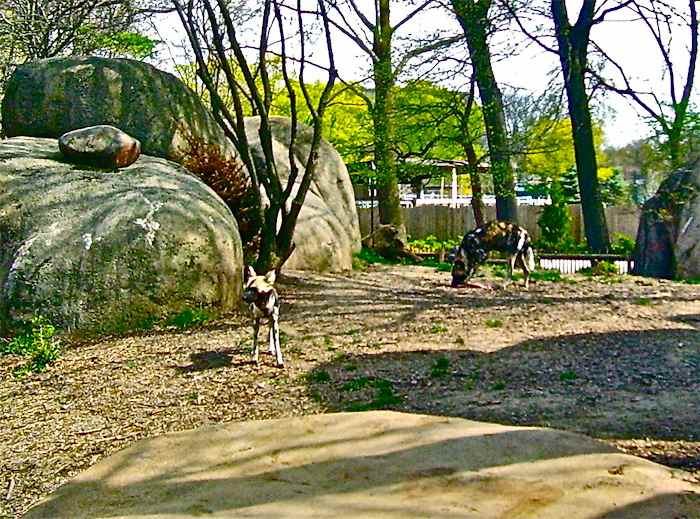
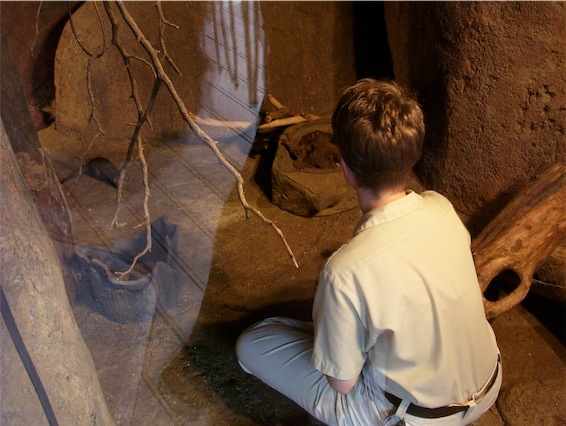
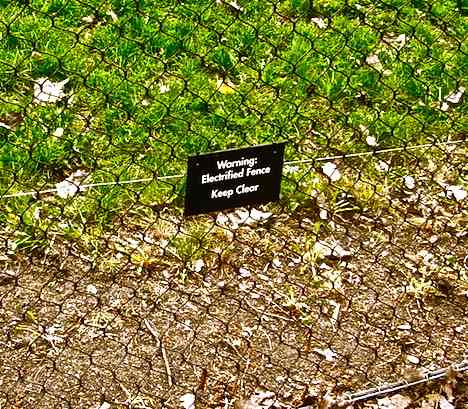
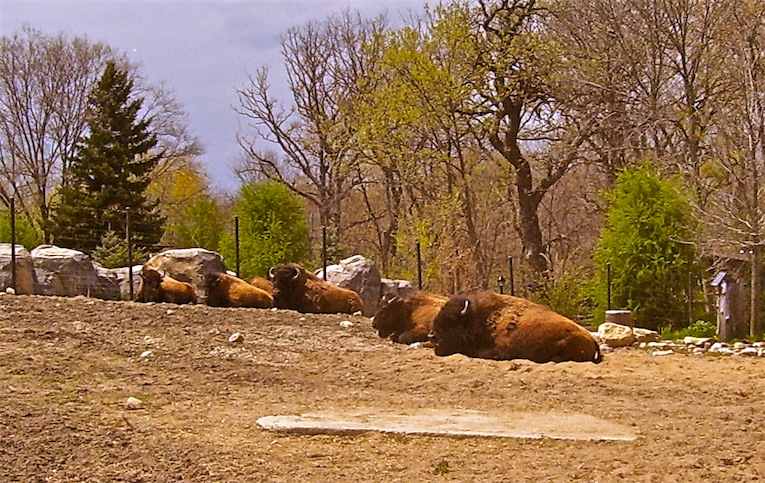
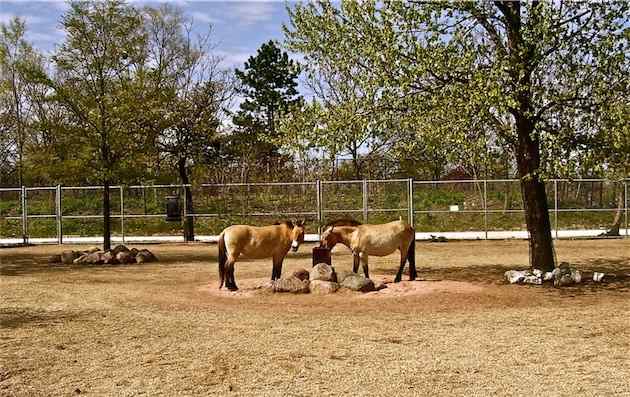
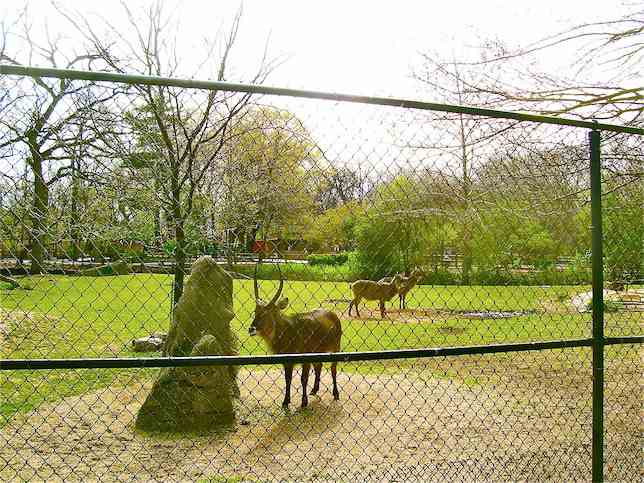
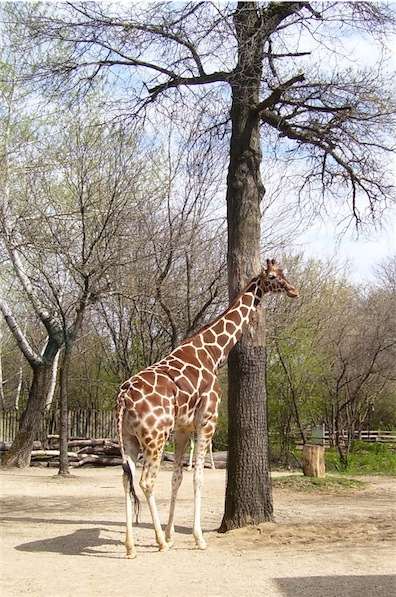
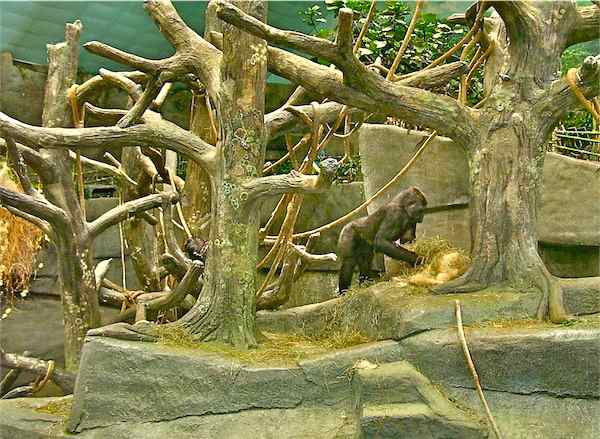


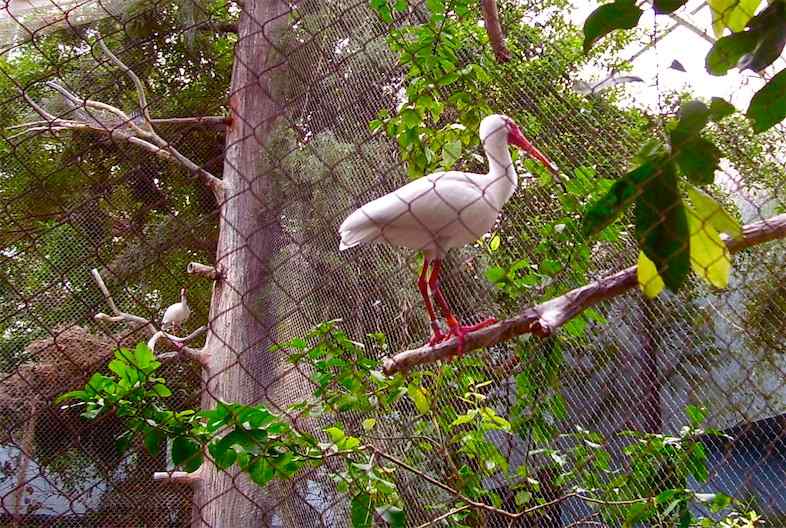

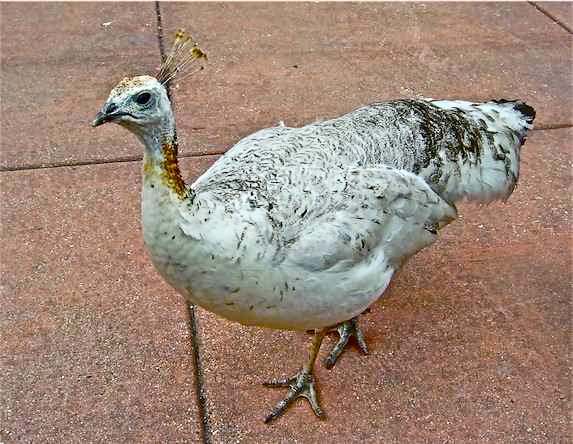

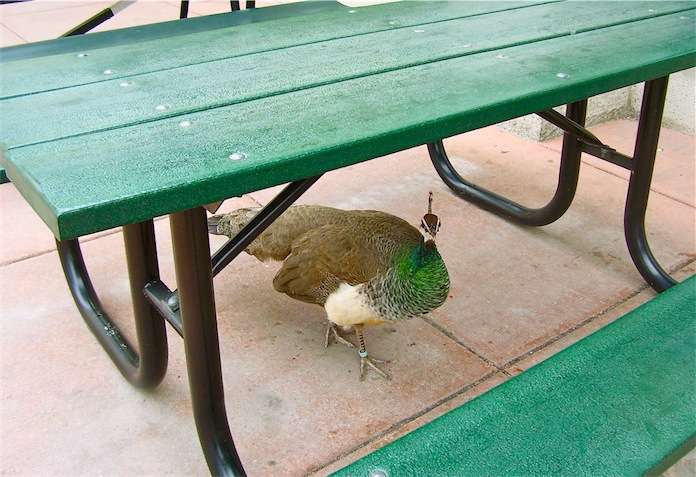
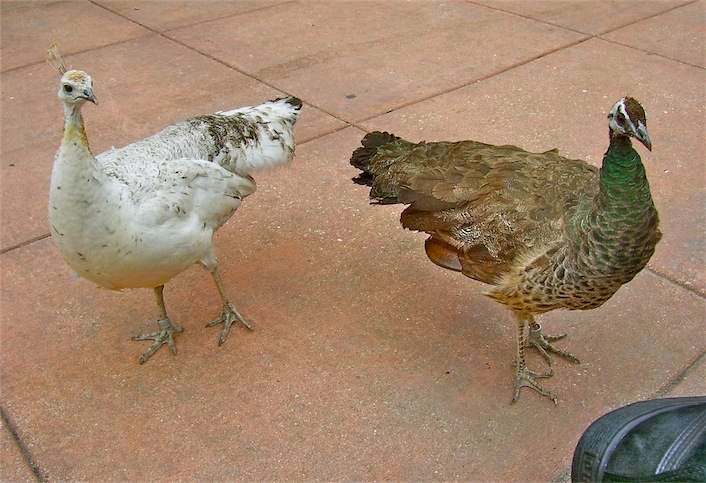


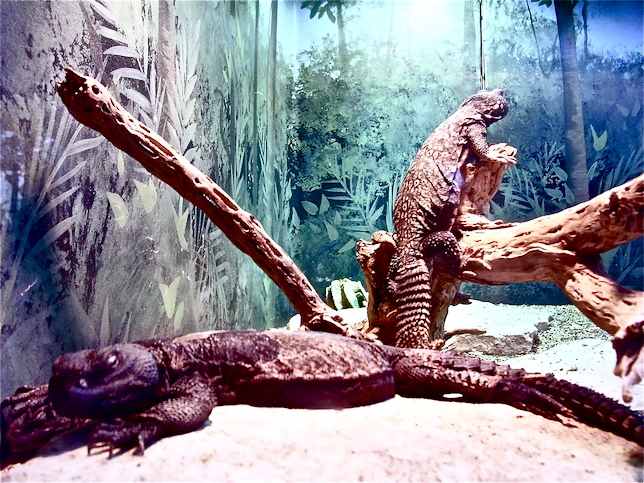
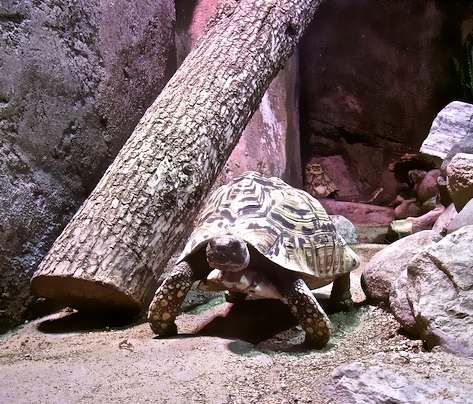
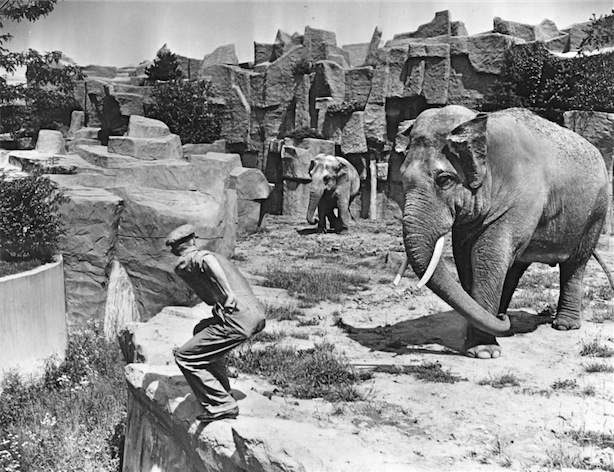
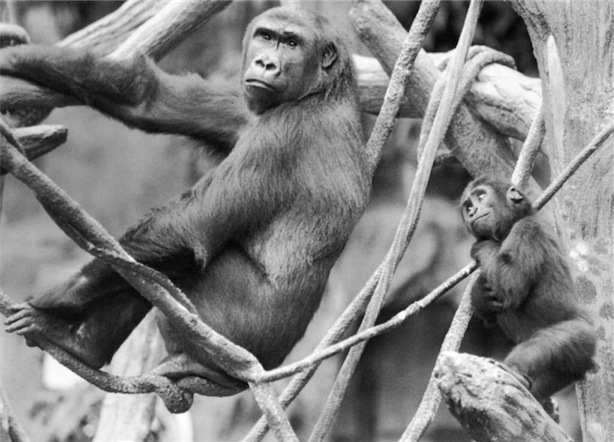
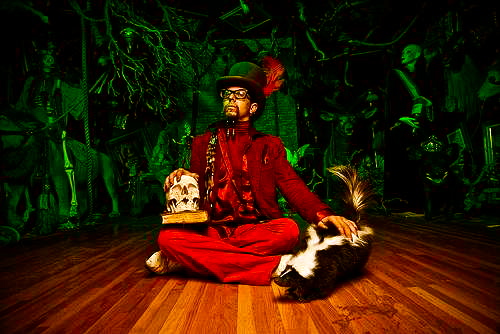


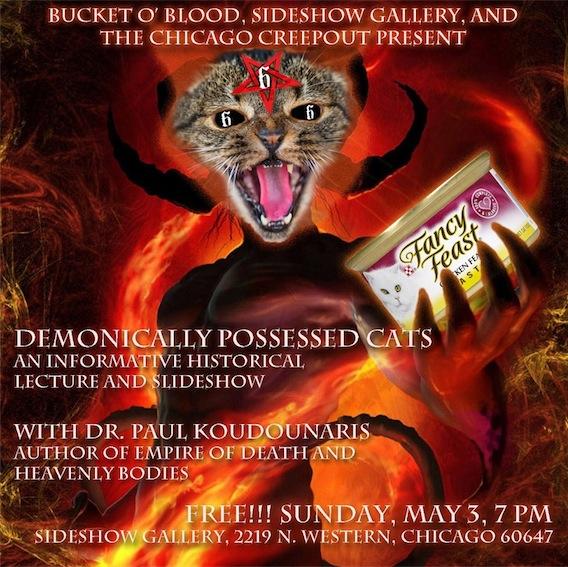
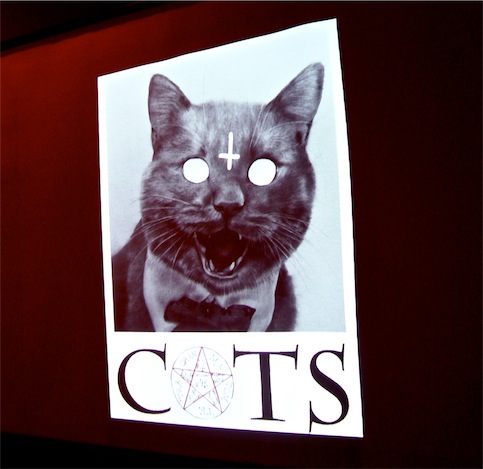
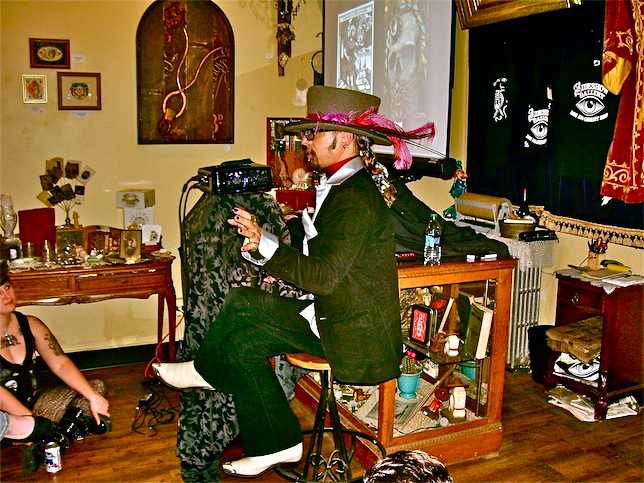
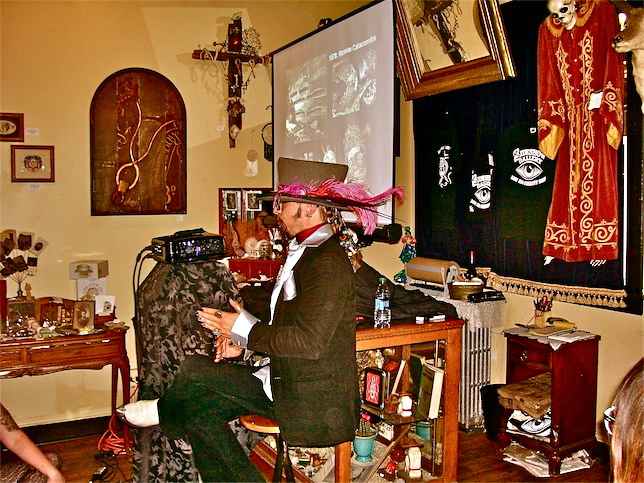
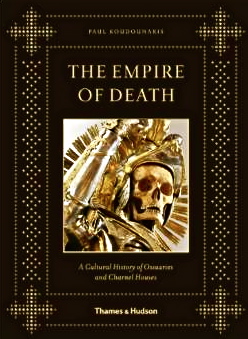
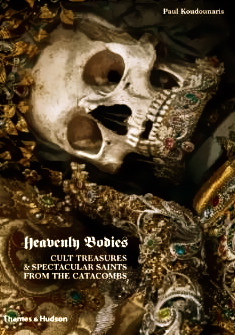
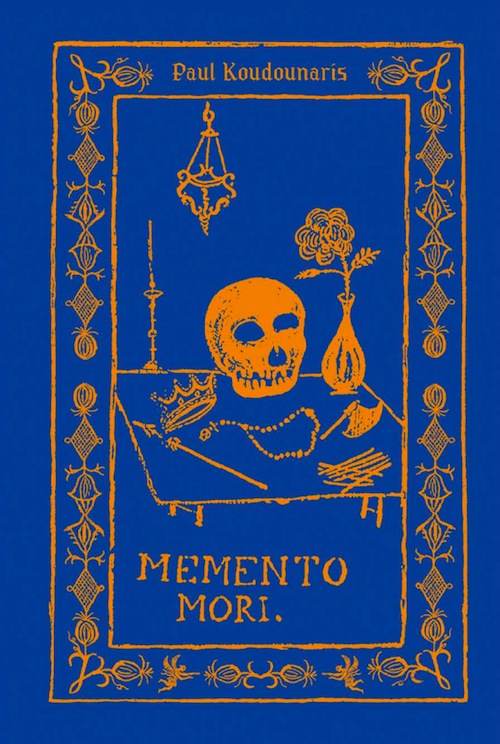
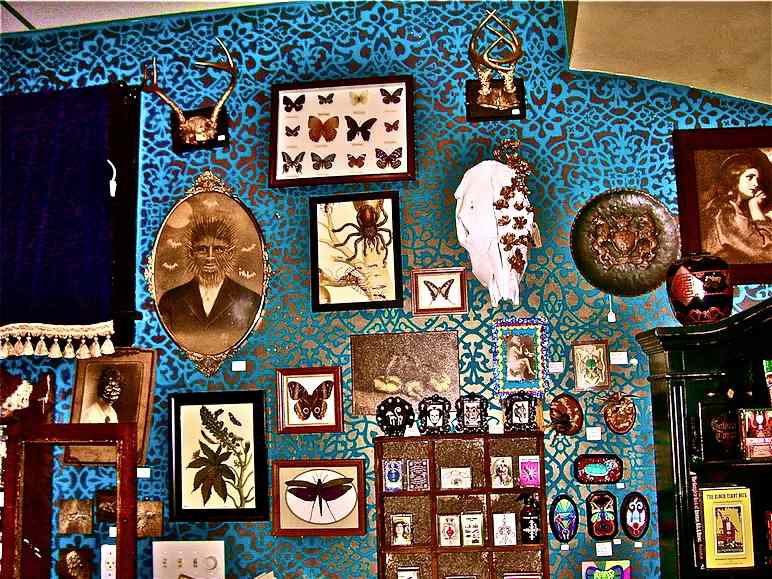
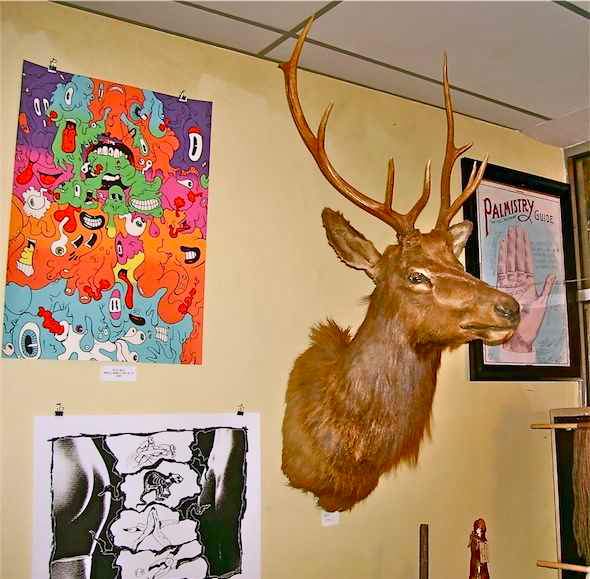
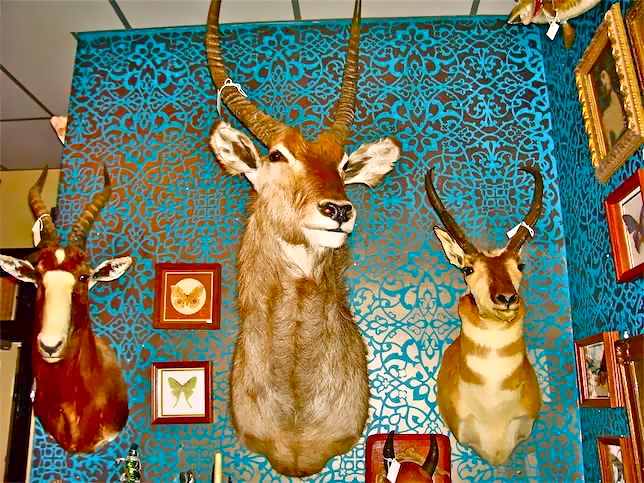
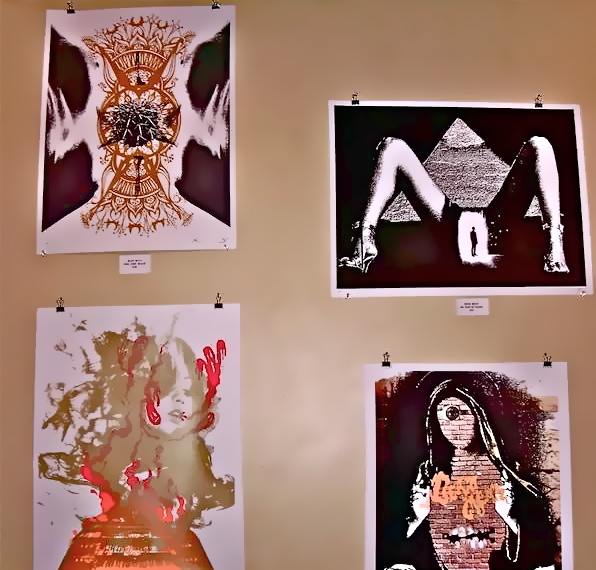
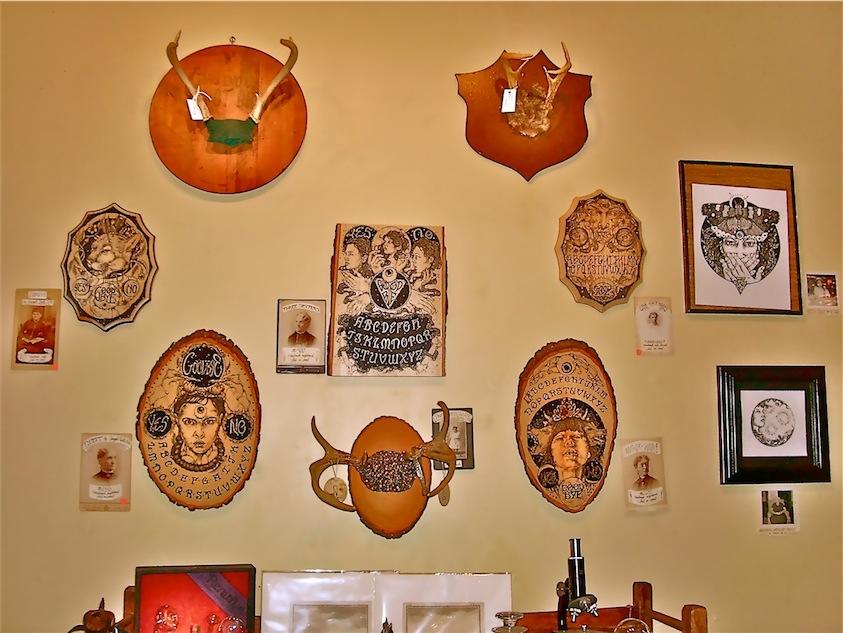
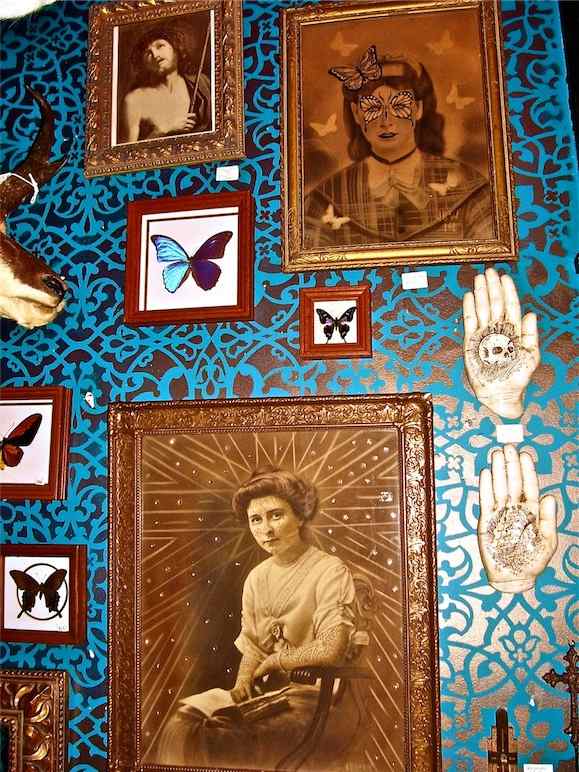
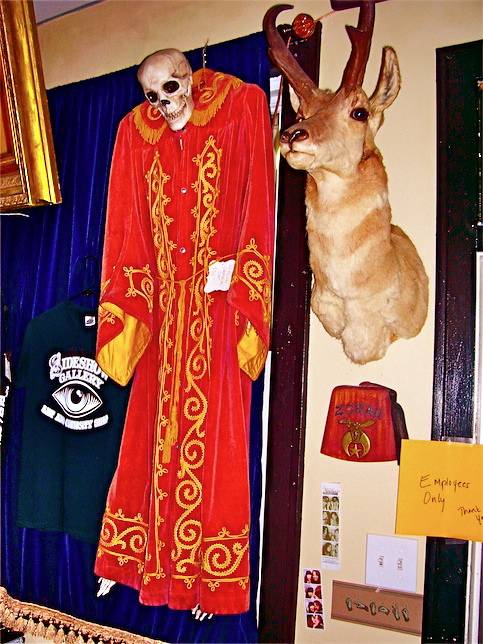
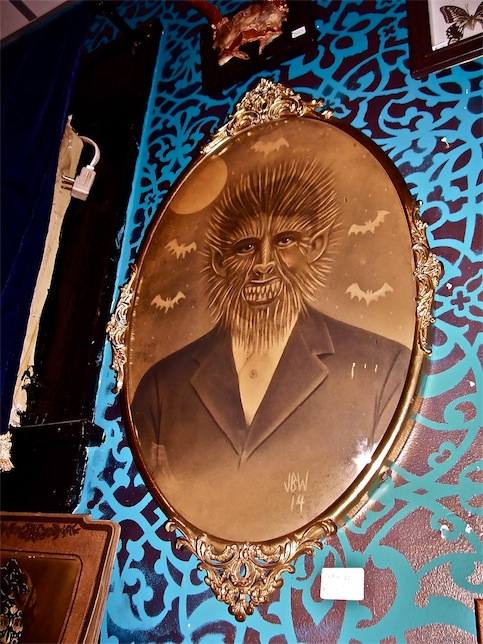
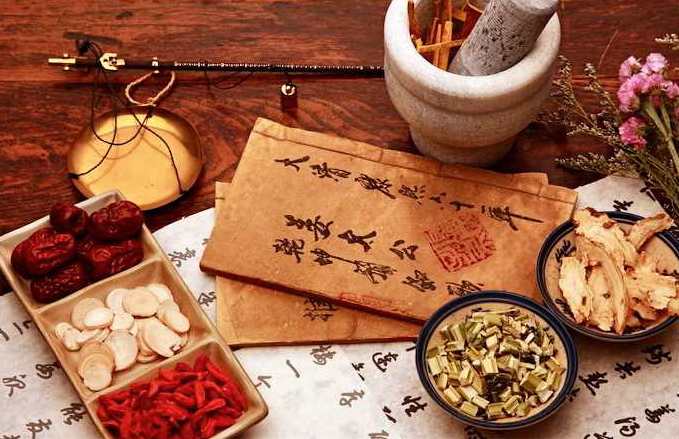


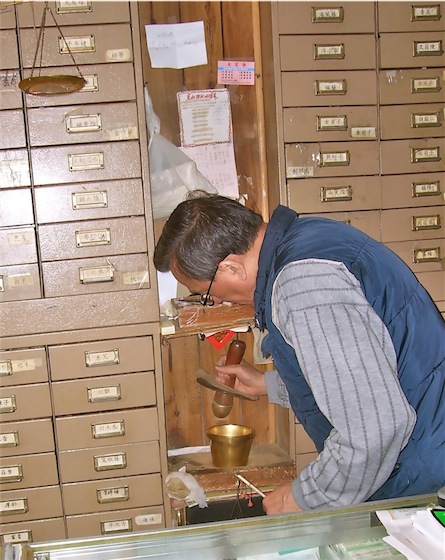
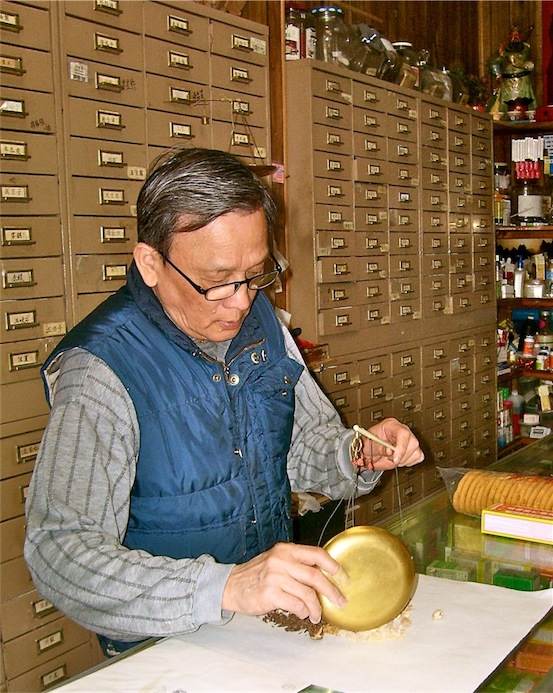
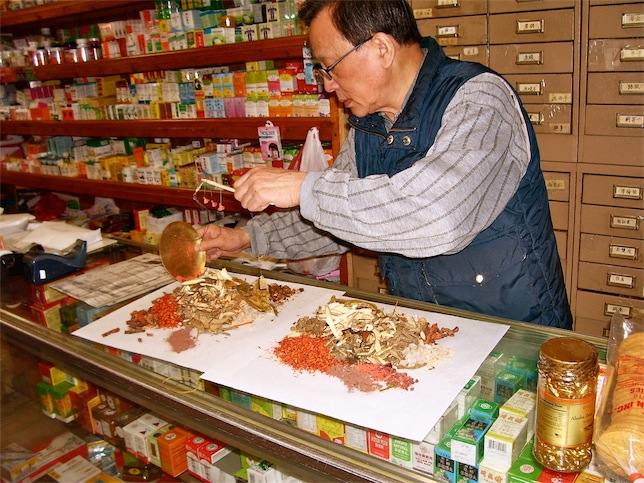
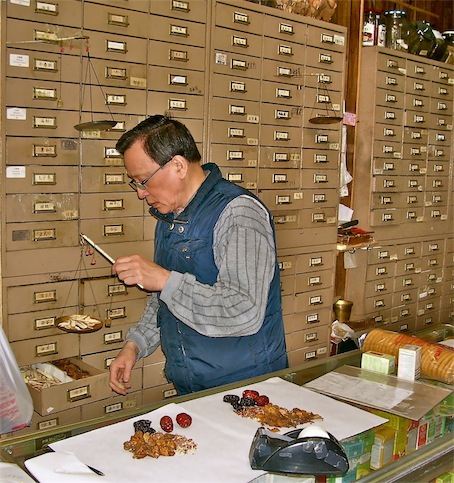

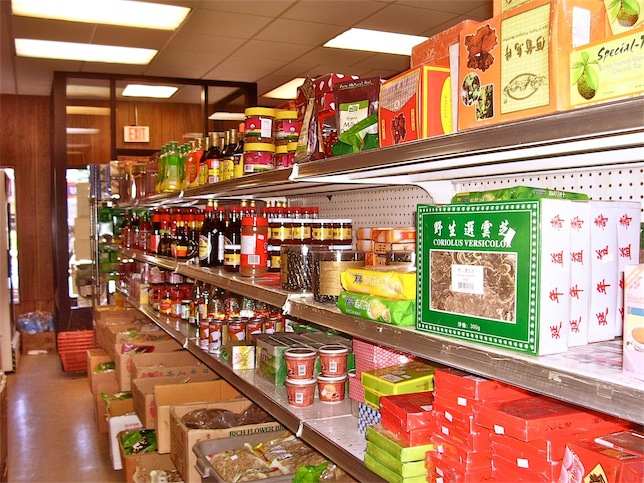
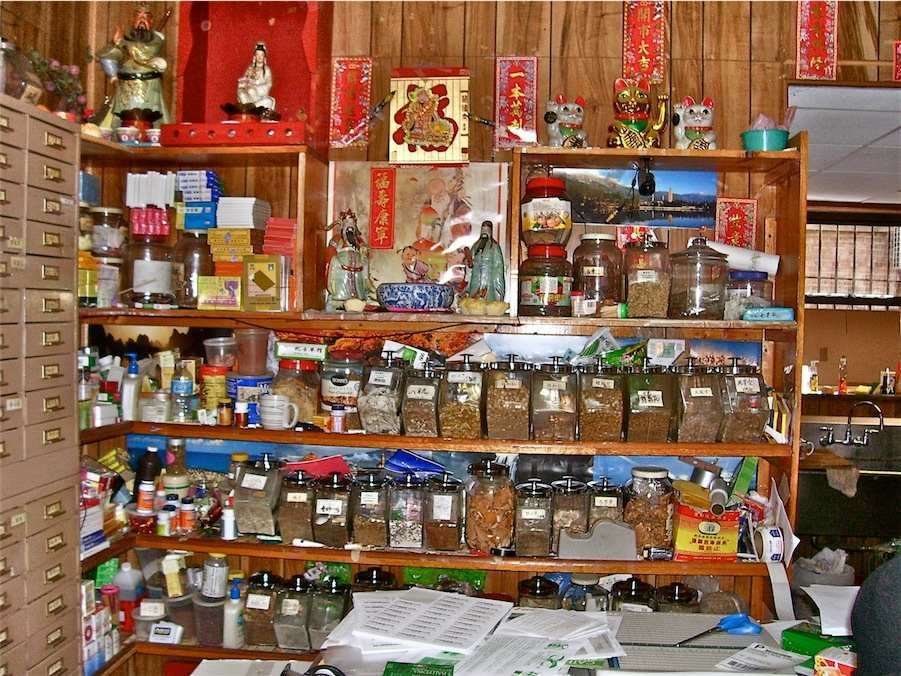
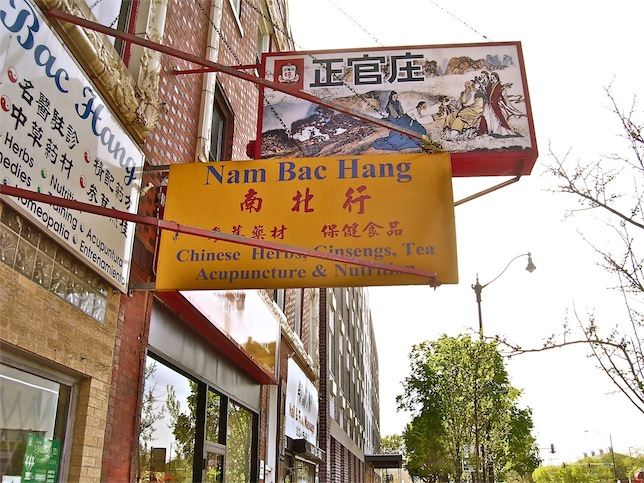
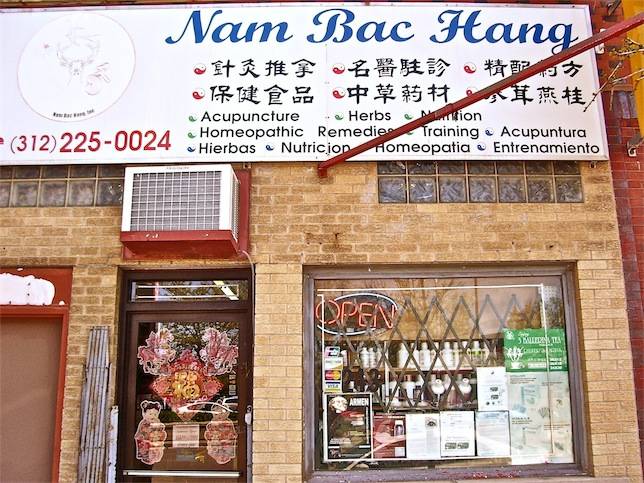
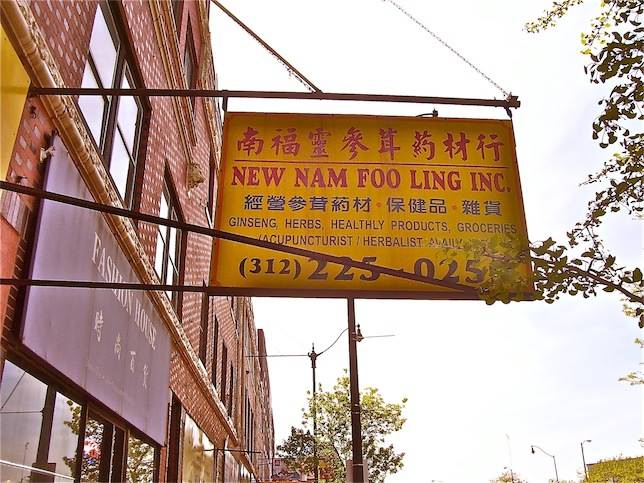
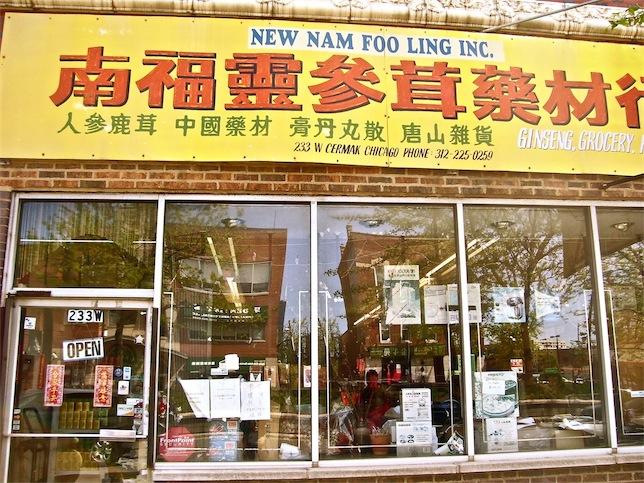
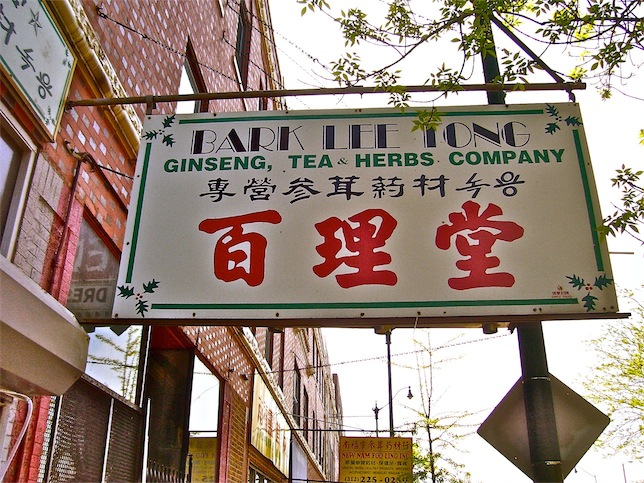
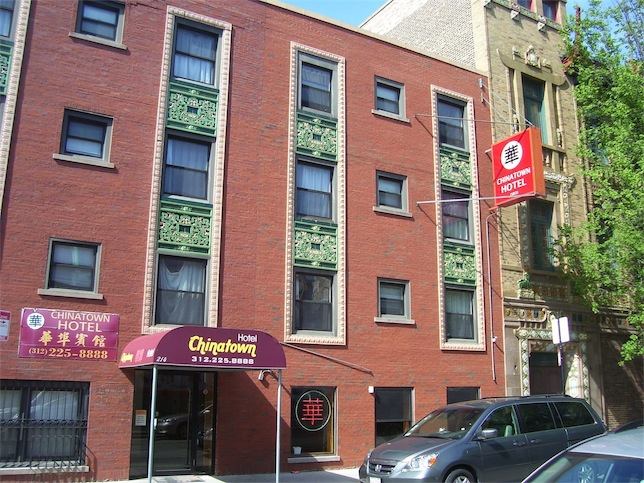
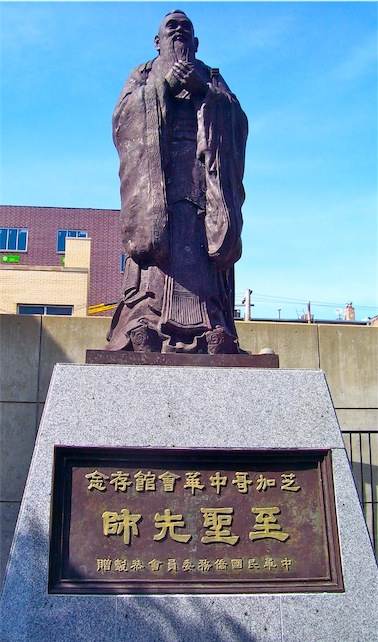
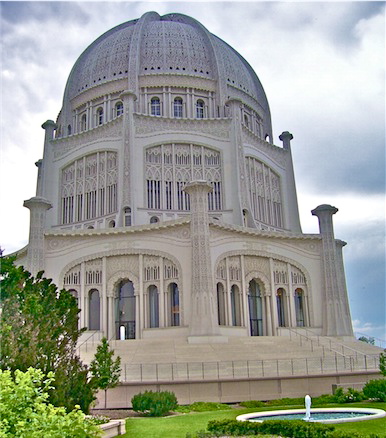
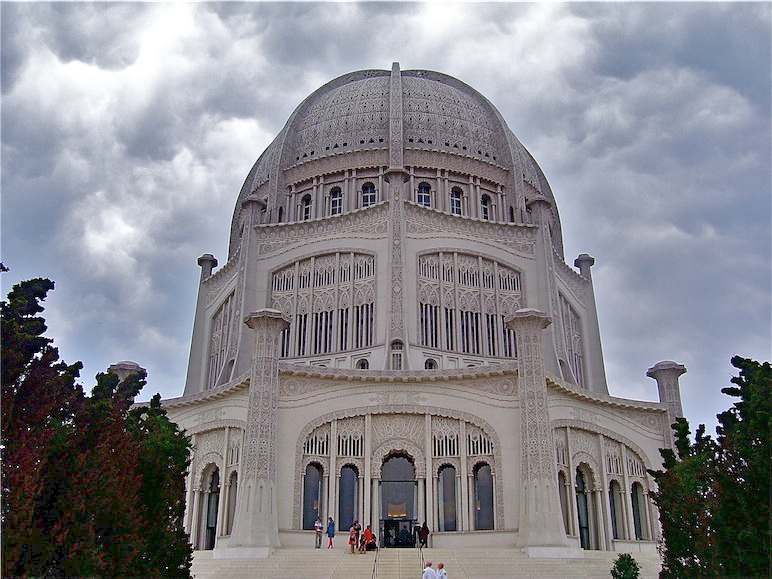
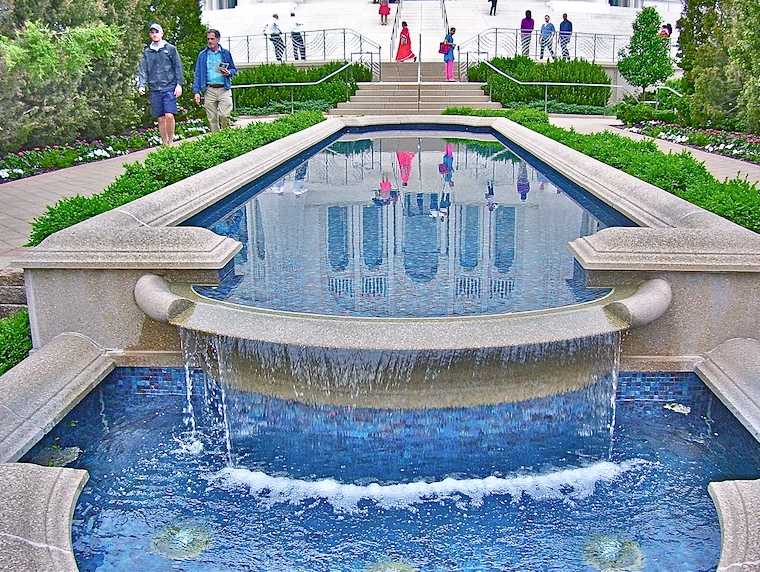
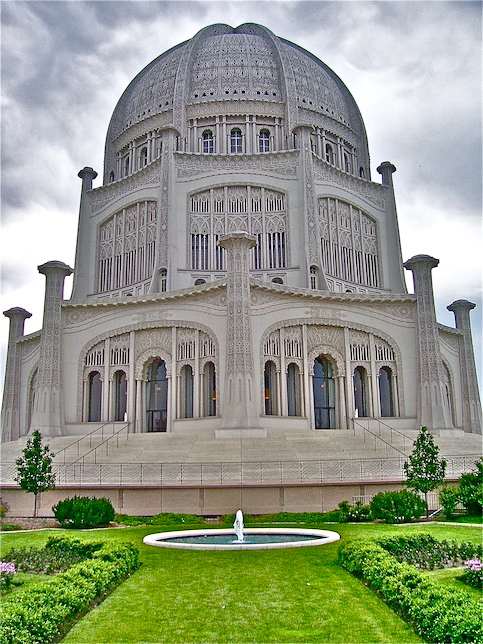
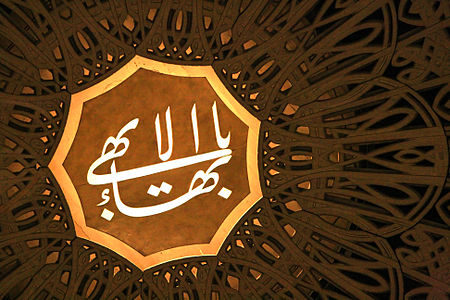
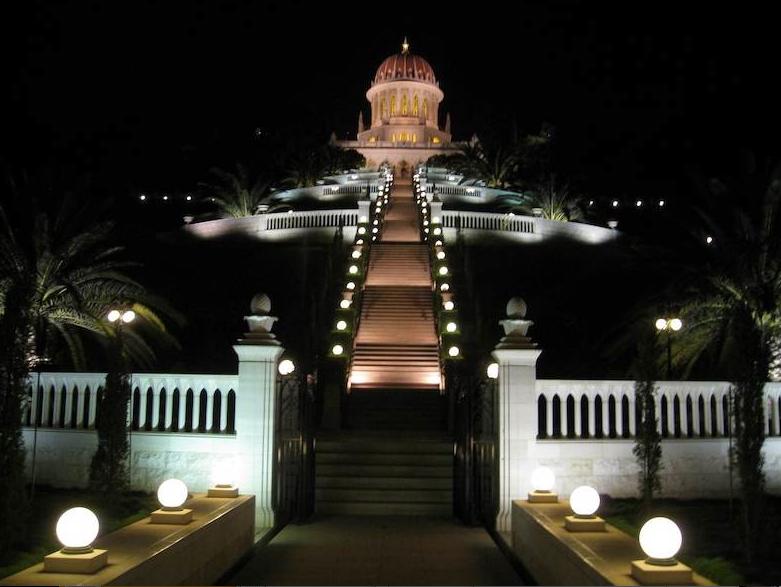
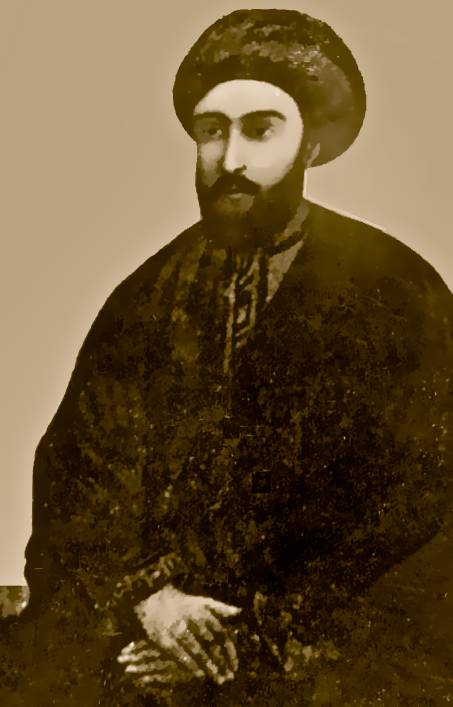
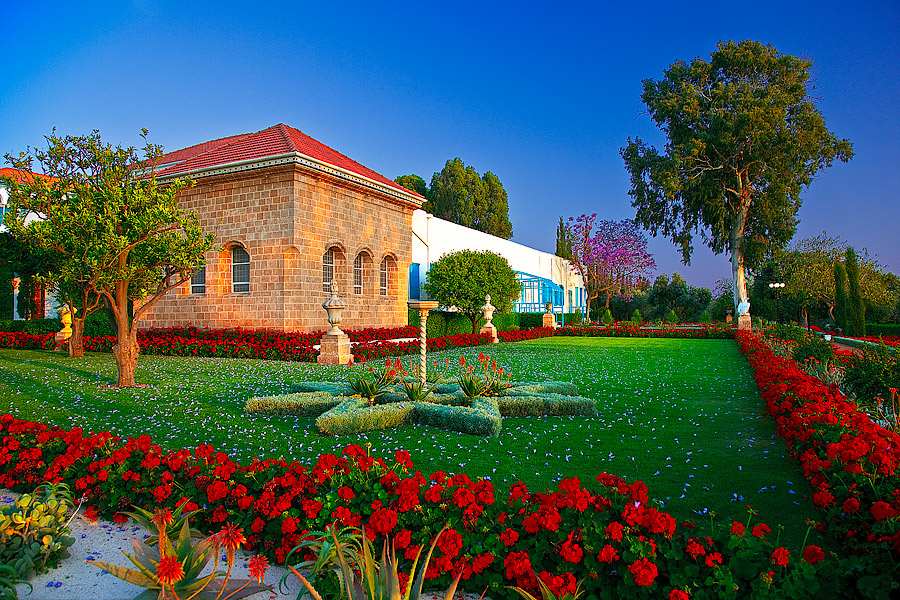

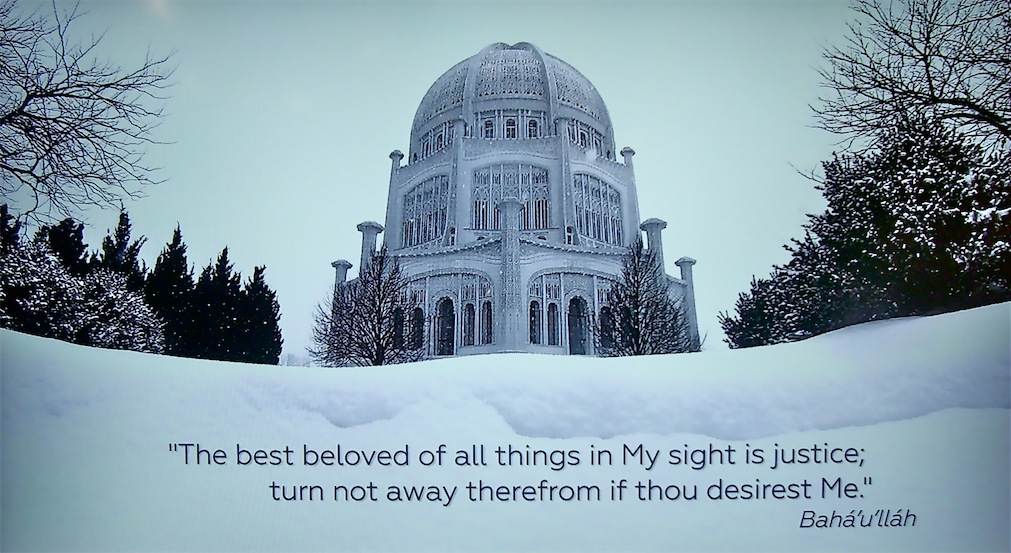
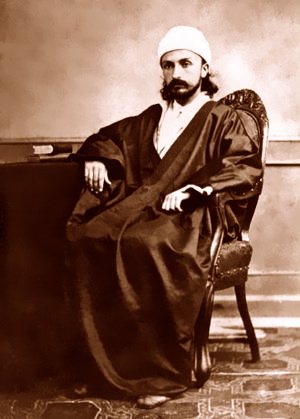
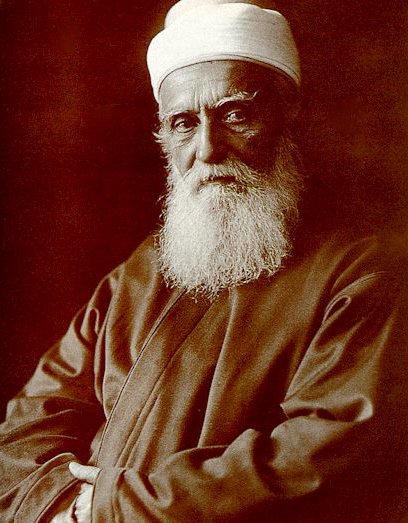
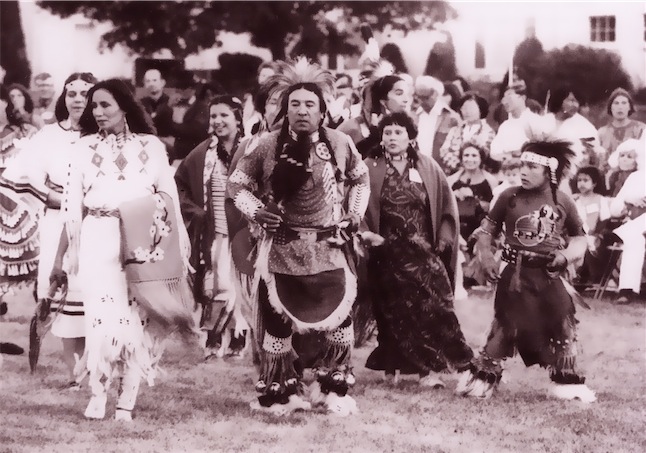

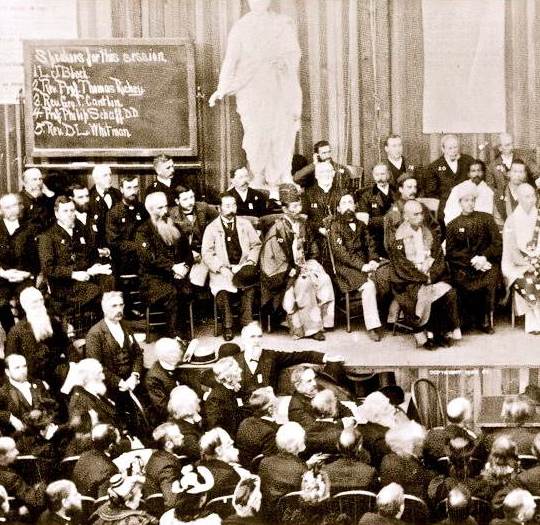
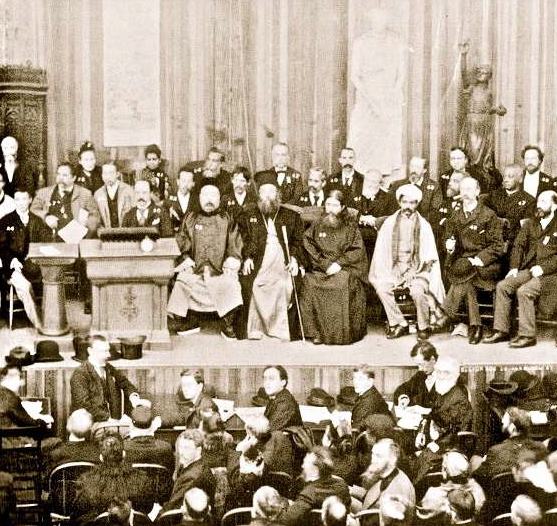
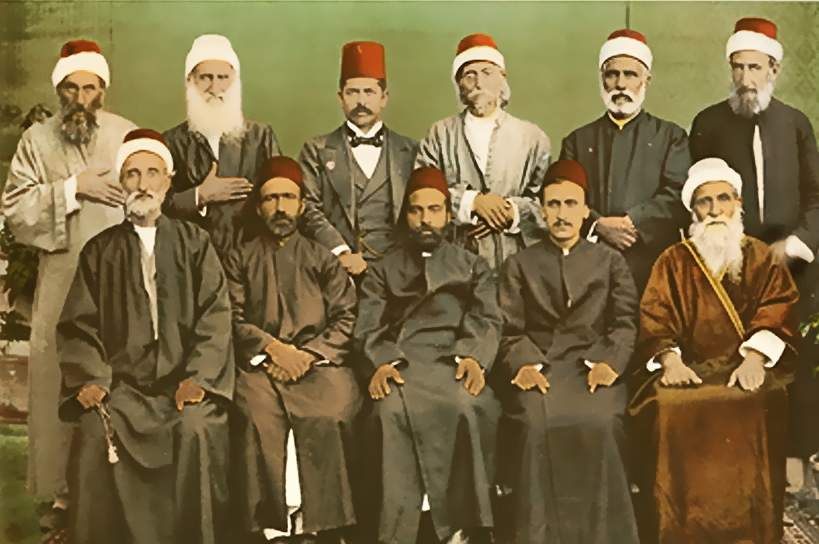
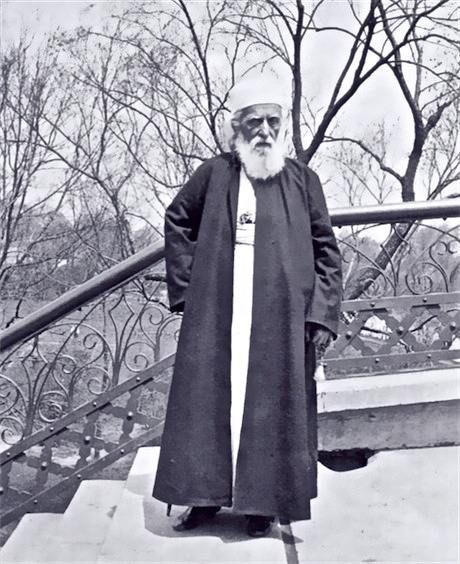
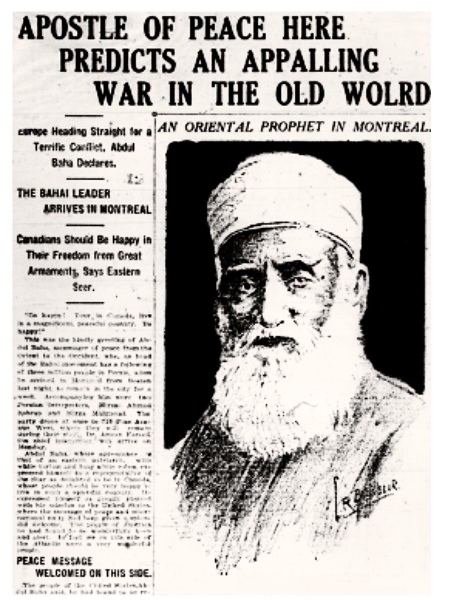
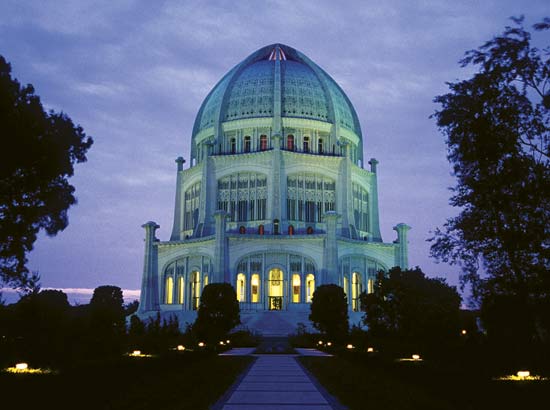
.jpg)